Cappadocia.
There is nowhere else on earth quite like Cappadocia (Kapadokya). Formed over millions of years as thick layers of soft volcanic ash spewed by Mount Erciyes and Mount Hasan solidified into tuff and were gradually chiseled by wind and flash floods into honeycombed hills and soaring fairy chimneys, this Central Anatolian landscape feels extraterrestrial. Across this surreal terrain, early Christian monastic communities hollowed out subterranean multi-story cities, frescoed cave sanctuaries, and troglodyte dwellings that today host the world's most breathtaking sunrise hot air balloon flights.
- 🎈 Hot Air Balloon Strategy: Always book your balloon flight for your very first morning in Cappadocia. High winds or adverse weather frequently cause cancellations; booking day one gives you backup mornings to reschedule. Only fly with reputable civil aviation-certified operators.
- ✈️ Airport Gateways: Cappadocia is served by two regional airports: Nevşehir Kapadokya Airport (NAV), located 40 minutes northwest of Göreme, and Kayseri Erkilet Airport (ASR), located 65 minutes east. Both receive regular daily flights from Istanbul (IST & SAW) via Turkish Airlines and Pegasus Airlines. Pre-book shared shuttle transfers directly to your hotel.
- 🛂 Visa Protocol: Indian passport holders with valid US, UK, Schengen, or Ireland visas qualify for 30-day online e-Visas (
evisa.gov.tr). Check the Turkey Visa Guide for details. - 🍲 Clay Pot Dining ("Etsiz"): Cappadocia is famous for Testi Kebabı (a sealed earthenware clay pot cracked open tableside with a miniature hammer). Request the vegetarian version (Sebzeli Testi Kebabı) baked with mushrooms, eggplant, peppers, and garlic. Pair with fresh gözleme flatbreads and local Cappadocian wine.
- 🧭 Country Hub & Network: Combine Cappadocia with our Turkey Travel Hub, Istanbul, and southern Antalya.
 Cappadocia · Central Anatolia
01 Volcanoes, tuff & fairy chimneys
Cappadocia’s otherworldly scenery was forged roughly three to nine million years ago during the late Miocene and Pliocene epochs. Violent tectonic activity sparked cataclysmic volcanic eruptions from Mount Erciyes (3,917m), Mount Hasan (3,268m), and Göllü Dağ, carpeting the entire Anatolian plateau in successive layers of volcanic ash, lava, and basalt hundreds of meters thick.
Over geological epochs, the soft compressed volcanic ash solidified into a porous, chalky stone known as ignimbrite or tuff. As the continental climate subjected the plateau to torrential flash floods, winter freezing, and fierce winds, the softer tuff eroded rapidly. However, where blocks of denser, harder basalt or andesite lava covered the tuff, the underlying rock was protected from rain. The surrounding softer material washed away into valley floors, leaving isolated pillars capped by heavy dark rock caps—the famous 'fairy chimneys' (peri bacaları) that rise up to 40 meters high.
Recognizing that the soft volcanic tuff was easily carved yet hardened upon exposure to the air, early human settlers carved thousands of cave houses, pigeon lofts, stables, subterranean cities, and painted Byzantine sanctuaries directly into the canyon cliffs. Today, Cappadocia forms one of the world's most spectacular dual cultural and natural UNESCO World Heritage sites, inhabited seamlessly by modern cave boutique hotels and farming villages.
02 Top ten curated attractions in Cappadocia.
From sunrise aerial ballooning to multi-level subterranean cities and frescoed rock sanctuaries.

1. Sunrise Hot Air Balloon Flight
The ultimate bucket-list experience. Launching in the crisp pre-dawn twilight from valleys surrounding Göreme, up to 150 vibrant hot air balloons float silently skyward just as the rising sun paints Mount Erciyes and the canyon ridges in brilliant gold and rose. Pilots skillfully navigate air currents to hover mere meters above fairy chimney spires and dip into narrow canyon gorges during the 60 to 75-minute flight.

2. Göreme Open-Air Museum
A vast monastic complex carved into volcanic cliffs dating from the 10th to 12th centuries. Step into rock-cut chapels adorned with remarkably preserved Byzantine frescoes: the Apple Church (Elmalı Kilise), the Church of Saint Barbara, the Snake Church (Yılanlı Kilise), and the breathtaking Dark Church (Karanlık Kilise), whose interior was shielded from daylight for centuries, preserving brilliant lapis lazuli and gold biblical murals.

3. Derinkuyu Underground City
The deepest excavated subterranean city in Turkey, descending approximately 85 meters across eight open levels. Engineered by Phrygians and expanded by Byzantine Christians as a subterranean sanctuary during Arab-Byzantine wars, Derinkuyu accommodated up to 20,000 people along with livestock. Walk through stone rolling-door barricades, air ventilation shafts reaching the water table, wine presses, and a rock-hewn cruciform chapel.

4. Kaymaklı Underground City
While Derinkuyu is deeper, Kaymaklı is wider and features the most complex network of interconnected subterranean rooms, cellars, and stables. Four of its eight subterranean stories are illuminated for visitors, displaying massive copper smelting and grain-storage areas, communal kitchens with stone hearths, and narrow, low-ceilinged escape tunnels connecting residential living quarters deep underground.
5. Uçhisar Rock Castle
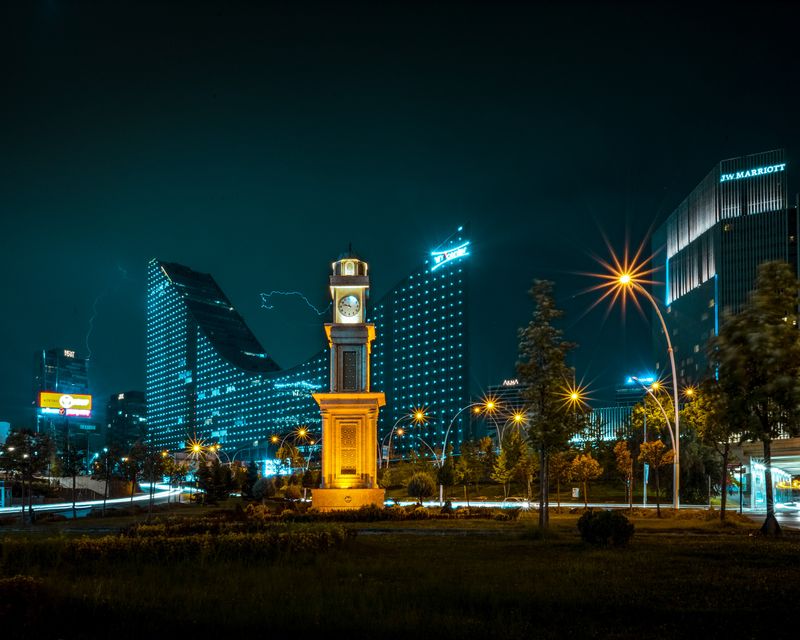
Crowning the highest point in Cappadocia, this colossal volcanic rock outcrop was hollowed out by Byzantine defenders into an impenetrable natural fortress citadel riddled with tunnels, secret escape chutes, and living chambers. Climb the outdoor wooden steps and switchbacks to the summit platform for an unmatched 360-degree vista sweeping across Pigeon Valley, Göreme, and the snow-capped peak of Mount Erciyes.

6. Love Valley & Paşabağ (Monks Valley)
Home to Cappadocia's most iconic and dramatic fairy chimney formations. Paşabağ features striking multi-headed stone pillars where early Christian hermits, including Saint Simeon Stylites, carved elevated isolation cells high inside the rock shafts. Nearby Love Valley (Bağlıdere) showcases monumental, pillar-like rock spires soaring 30 meters above fruit orchards, best enjoyed along walking trails or viewed from the clifftop panorama.
7. Rose & Red Valleys Sunset Trails
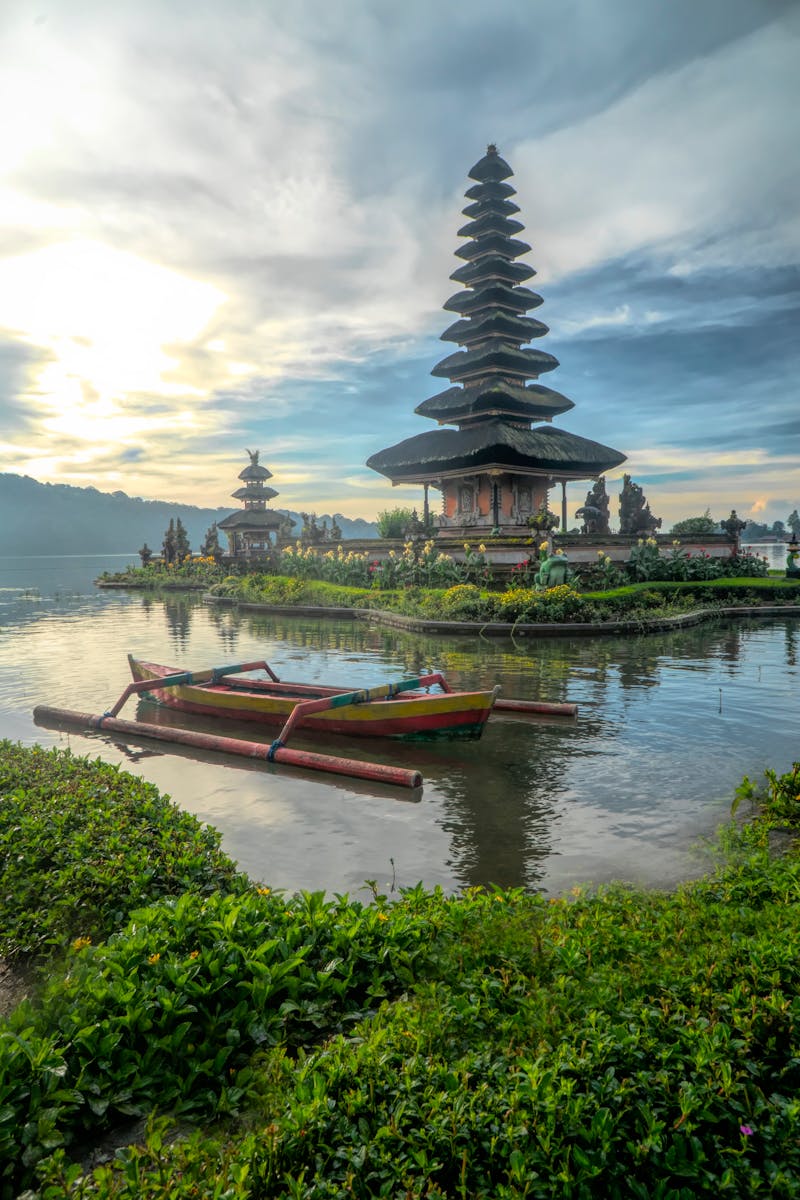
Named for their mineral-rich volcanic tuff that turns from pale cream to deep crimson, rose-pink, and ochre as the sun lowers. The valleys offer Cappadocia’s premier hiking trails, passing hidden cave churches carved into vertical cliff faces (such as the Columned Church and Haçlı Kilise) and secluded vineyard allotments. The designated sunset viewpoint at Kızılçukur gathers travelers for evening tea as the canyon glows like burning embers.
8. Pigeon Valley (Güvercinlik Vadisi)
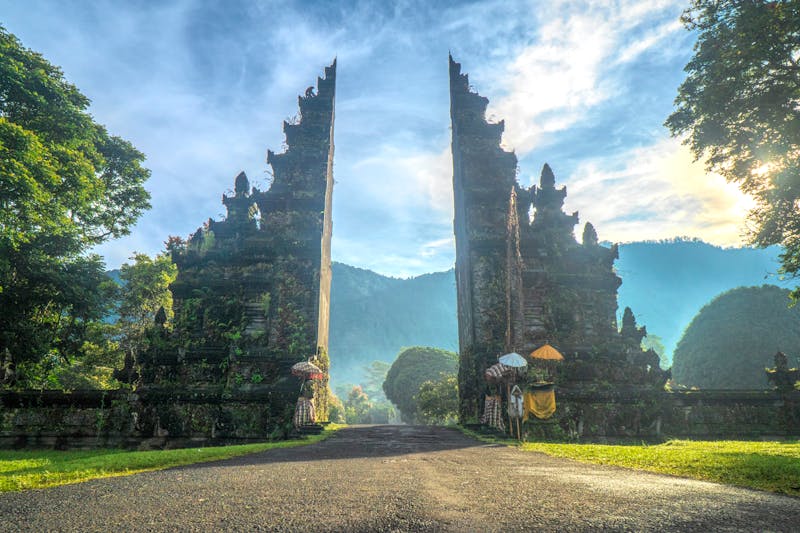
Connecting Göreme with Uçhisar, this gentle 4km canyon trail winds through towering white tuff cliffs carved with thousands of tiny arched pigeon lofts (dove-cotes). For centuries, local farmers harvested pigeon droppings as prized organic fertilizer for Cappadocia's sandy volcanic soil, cultivating succulent grapes and apricots. The trail is shaded by wild walnut trees, poplars, and tea stalls.

9. Avanos Historic Pottery on the Red River
Situated along the banks of the Kızılırmak (the Red River, Turkey's longest internal river), Avanos has maintained an unbroken ceramic tradition since the Bronze Age Hittite era. The river deposits rich, iron-bearing red silt that local master potters shape on foot-powered kick-wheels in underground cavern workshops. Travelers can try their hand at shaping red-clay pottery and browse hand-painted iznik-style ceramic plates.
10. Ortahisar Castle & Mustafapaşa
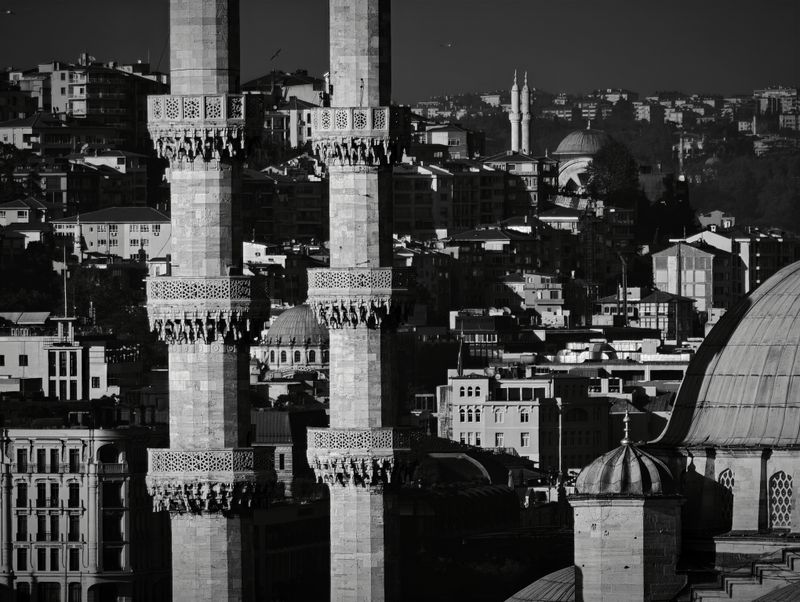
Ortahisar centers around a dramatic 86-meter-high volcanic rock fortress honeycombed with cave chambers and naturally chilled storage vaults used to store citrus fruits from the Mediterranean. A short drive away lies Mustafapaşa (formerly Sinasos), a peaceful, preserved village featuring grand 19th-century Greek stone mansions with ornate carved neoclassical entrance portals and the historic Church of Constantine and Helena.
03 Red, Green & Blue: Navigating Cappadocia's tour routes.
Understanding the classic regional circuit days to maximize your time across the valleys.
The Red Tour: Northern Highlights & Valleys
The Red Tour covers the core northern attractions located within a 15-kilometer radius of Göreme. It is the essential first-day orientation for travelers, typically encompassing:
• Uçhisar Rock Castle: Ascending the panoramic summit platform for views across the entire plateau.
• Göreme Open-Air Museum: Touring the frescoed rock churches of the 10th-century monastic community.
• Paşabağ (Monks Valley): Walking among the towering triple-headed fairy chimneys.
• Devrent Valley (Imagination Valley): Photographing animal-shaped rock sculptures including the famous stone camel.
• Avanos Ceramic Atelier: Watching master kick-wheel potters shape Red River clay.
The Green Tour: Subterranean Cities & Ihlara Canyon
The Green Tour explores the southern and southwestern sectors of Cappadocia, venturing farther afield:
• Derinkuyu Underground City: Descending 85 meters into the deepest troglodyte fortress in Anatolia.
• Ihlara Valley Gorge: Trekking 4 kilometers along the forested Melendiz River between sheer volcanic canyon walls towering 100 meters high, stopping at rock-cut frescoed churches like Ağaçaltı (Under-the-Tree Church).
• Belisırma River Lunch: Dining at wooden overwater pavilion platforms set directly in the rushing stream.
• Selime Rock Monastery: Exploring Cappadocia’s largest rock-cut cathedral complex carved into a colossal mountain crag.
04 Independent valley trekking guide.
Navigating trailheads, geological markers, and sunset ridges without tour groups.
Rose & Red Valleys (Kızılçukur to Çavuşin)
This 5km trek ranks among the premier day hikes in Turkey. Start at the Kızılçukur panoramic viewpoint mid-afternoon. Follow the marked trail downhill along the mineral-stained ridge where iron-oxide deposits give the rock faces striking pastel-pink, orange, and butter-yellow hues. Hidden along the path are secluded cave chapels—look for the Direkli Kilise (Columned Church) and the Haçlı Kilise (Church of the Cross), where an enormous cross is carved into the vaulted ceiling alongside 9th-century apse frescoes. Finish the hike in the historic village of Çavuşin beneath its ruined cliffside settlement.
Pigeon Valley: Göreme to Uçhisar Trail
A scenic 4km path following a dry stream-bed connecting Göreme with the foot of Uçhisar Castle. The canyon walls are pierced by thousands of tiny arched pigeon niches, painted with white gypsum lime to attract roosting wild doves. Walking uphill toward Uçhisar takes about 1.5 to 2 hours with gentle elevation gain, offering shaded rest stops beneath wild apple and quince trees. After exploring Uçhisar Castle, you can catch an inexpensive local minibus back to Göreme or walk down via Love Valley.
05 Subterranean engineering & defensive genius.
How early Anatolian civilizations constructed self-sufficient multi-level cities beneath the bedrock.
Ventilation Shafts & Deep Aquifers
The scale of engineering required to sustain thousands of human lives deep underground for months at a time is astounding. In cities like Derinkuyu and Kaymaklı, central vertical ventilation shafts measuring up to 55 meters in depth were carved straight down into the water table, providing both fresh, circulating air to every subterranean story and a reliable drinking water source that could not be poisoned from the surface.
To prevent surface attackers from discovering the air supply, exhaust chimneys were disguised as natural fissures or concealed within ordinary village hearths. Thousands of smaller secondary air pipes branched horizontally through bedrooms, kitchens, and livestock pens, ensuring consistent oxygen flow even on the lowest eighth floor.
Rolling Stone Doors & Tactical Chokepoints
Defense was purely passive yet virtually impregnable. At critical corridor intersections, massive disc-shaped millstone doors (tırhaz) carved from dense basalt—measuring up to two meters in diameter and weighing half a ton—rested in carved wall niches. These heavy stone wheels could only be rolled into blocking position from the inside, completely sealing off lower residential levels from advancing invaders.
In the center of each rolling stone door, a small circular hole served two tactical purposes: it acted as a viewing spyhole and allowed defenders inside to thrust long spears at anyone attempting to tamper with the stone barrier from the outside. Corridors were intentionally carved low and winding, forcing enemy soldiers to advance in single file, hunched over and vulnerable to counter-attacks from hidden ceiling shafts.
06 Cave hotels & troglodyte living.
Understanding the architecture, comfort, and climate advantages of staying inside natural volcanic rock suites.
The Architecture of Cave Suites
Staying in an authentic cave hotel is an indispensable highlight of any visit to Cappadocia. Modern boutique cave suites are sculpted directly into the ancient volcanic tuff, preserving original niches, arched ceilings, and carved stone shelves once used by Byzantine monks and Ottoman villagers. High-end properties combine these ancient rock walls with underfloor radiant heating, hand-woven Anatolian kilims, antique copper baths, and private rooftop terraces positioned to watch sunrise balloons float overhead.
Because volcanic tuff acts as a remarkable natural thermal insulator, cave rooms remain naturally cool during sweltering summer afternoons and retain warmth throughout freezing winter nights. When booking, choose between vibrant Göreme (closest to balloon launch zones and budget-friendly), elevated Uçhisar (luxury boutique hotels with sweeping panoramic valley views), or romantic Ürgüp (sophisticated dining and wine estates).
Practical Tips for Cave Stays
A few practical considerations ensure maximum comfort inside rock rooms:
• Natural Dust: Volcanic tuff stone is soft and continuously sheds microscopic chalky dust. Good cave hotels apply non-toxic sealant to interior stone walls, but keep luggage zipped shut when not in use.
• Ventilation: Because natural cave chambers lack conventional exterior windows, look for rooms equipped with quiet exhaust fans or natural air ventilation shafts to prevent interior humidity.
• Rooftop Viewing: Wake up at 05:30 AM even on mornings when you are not flying. Sitting on your hotel's rooftop terrace with a cup of hot Turkish tea while hundred-foot balloons rise silently over the chimney spires is just as magical as being in the basket itself.
• Sunrise Photography Viewpoints: For travelers seeking panoramic landscape angles without a balloon basket, hike up to Aşıklar Tepesi (Lovers' Hill / Sunset Point) directly above Göreme village before 06:00 AM, where you can watch the entire launch armada lift off simultaneously across the valley floor.
04 Cappadocian culinary culture & vegetarian dining.
From theatrical clay pot baking to volcanic vineyard wines and hearth flatbreads.
Testi Kebabı: The Sealed Clay Pot Tradition
Cappadocia’s signature theatrical dining experience is Testi Kebabı (pottery kebab). Originating in the ceramic center of Avanos, fresh ingredients are sealed inside an unglazed earthenware clay jug using a paste of bread dough. The jug is placed upright in a wood-fired hearth oven and slow-roasted for several hours, allowing the trapped steam to tenderize the contents in their own juices.
At your table, the waiter brings the blazing-hot pot to your table, strikes the neck of the jug with a ceremonial miniature hammer to crack the top clean off, and pours the steaming stew onto your plate. While traditionally made with lamb, almost every authentic restaurant in Göreme, Uçhisar, and Ürgüp prepares a superb vegetarian version (Sebzeli Testi Kebabı) slow-baked with mushrooms, eggplant, tomatoes, garlic cloves, shallots, and sweet peppers.
Vegetarian Staples & Volcanic Wines
Other regional vegetarian delights include:
• Gözleme: Freshly griddled flatbread stuffed with spinach (Ispanaklı), potatoes (Patatesli), or white cheese (Peynirli).
• Mantı (Vegetarian Options): While classic Turkish mantı contains minced beef, specialty restaurants serve Patatesli Mantı (potato-filled dumplings) or Peynirli Mantı smothered in garlic yogurt and paprika butter.
• Local Volcanic Wines: Cappadocia has cultivated grapevines for 4,000 years since the Hittite era. The mineral-rich volcanic tuff soil produces distinctive indigenous white wines from the Emir grape and robust reds from Öküzgözü and Boğazkere. Visit historic cellars such as Turasan and Kocabağ in Ürgüp for tastings.
Where to Stay in Cappadocia
Surreal fairy chimneys, ancient underground troglodyte cities, hot air balloon sunrises, and cave suites carved into volcanic tufa rock.
Nature Park Cave Hotel
Family-run traditional cave and stone hotel in Göreme, offering comfortable rock-cut rooms, homemade Turkish breakfast, and tour arrangements.
Sultan Cave Suites
World-famous cave retreat set high above Göreme, renowned for its iconic rooftop breakfast terrace where hot air balloons float directly overhead.
Museum Hotel Cappadocia
Exclusive Relais & Châteaux luxury cave estate in Uçhisar, preserving registered museum-grade antiquities, Roman ruins, and a heated outdoor pool.
Argos in Cappadocia
Restored ancient monastery and cave dwellings cascading down the slopes of Uçhisar, featuring subterranean wine cellars and private cave plunge pools.
Kamelya Cave Hostel
Traditional rock-cut cave hostel in central Göreme with authentic stone dorms, sunny rooftop breakfast patio, and balloon-booking services.
Curated Field Dossier & Offline Google Maps Pin Pack
Bypass tourist traps with verified local logistics, exact parking coordinates, and field-tested routes.
- ✓Exact GPS Pin Pack: Unmarked parking spots, best dawn photography vantage points, and hidden trailheads.
- ✓Crowd-Avoidance Timing Matrix: Exact hour-by-hour windows to explore with zero tourist chaos.
- ✓Vetted Local Dhabas: 100% authentic, hygiene-checked regional food stops not on commercial maps.
- ✓Scam & Overcharge Shield: Verified taxi rates, auto fares, and local guide fee guidelines.
🛡️ Personally curated by PK Gupta & the Hidden Routes research desk. Delivered directly to your Email & WhatsApp within 4–8 hours.
05 Cappadocia practical travel FAQs.
Essential details on balloon safety, airport transfers, hiking footwear, and day tours.
How much does a hot air balloon flight cost and how do I book?
Standard hot air balloon flights in Cappadocia typically cost between €180 and €280 per person (approximately ₹16,000 to ₹25,000 INR), depending on the season and basket capacity (usually 16 to 24 passengers). Flights include hotel transfers, pre-flight coffee and pastries, a 60-minute flight, a traditional non-alcoholic sparkling wine toast upon landing, and a personalized commemorative flight certificate. Book at least 3 to 4 weeks in advance during peak season (May to October).
Which airport should I fly into for Cappadocia?
Both Nevşehir Kapadokya Airport (NAV) (40km / 40 minutes to Göreme) and Kayseri Erkilet Airport (ASR) (75km / 65 minutes to Göreme) are excellent options. Kayseri receives more flight frequencies daily from Istanbul (IST & SAW), while Nevşehir is slightly closer. Pre-arrange a shared shuttle van (around €10 to €15 per person) with your hotel so a driver meets you outside the arrivals hall with a name board.
How many days are needed in Cappadocia?
A stay of 3 to 4 days is strongly recommended. This guarantees you have multiple mornings in case high winds ground the hot air balloons on day one. It also gives you ample time to take the Red Tour (Göreme Open-Air Museum, Paşabağ, Avanos), the Green Tour (Derinkuyu Underground City, Ihlara Valley hike), and enjoy an unhurried sunset trek through Rose Valley.
What should I pack for valley hiking and ballooning?
Early morning balloon launches are chilly even in summer; pack a warm fleece jacket, windbreaker, and long pants. For hiking through the valleys, sturdy trail running shoes or hiking boots with deep tread are essential, as dry volcanic tuff dust is slippery on slopes. Bring a wide-brim hat, high-SPF sunscreen, sunglasses, and a refillable water bottle for midday sun.