Fethiye: Turquoise Lagoons & Lycian Cliffs
Where the emerald spurs of the Taurus Mountains plummet into the azure Mediterranean: from tandem flights off Mount Babadağ and the serene waters of the Ölüdeniz Blue Lagoon to rock-cut Lycian cliff tombs, silent stone settlements, and deep river gorges.
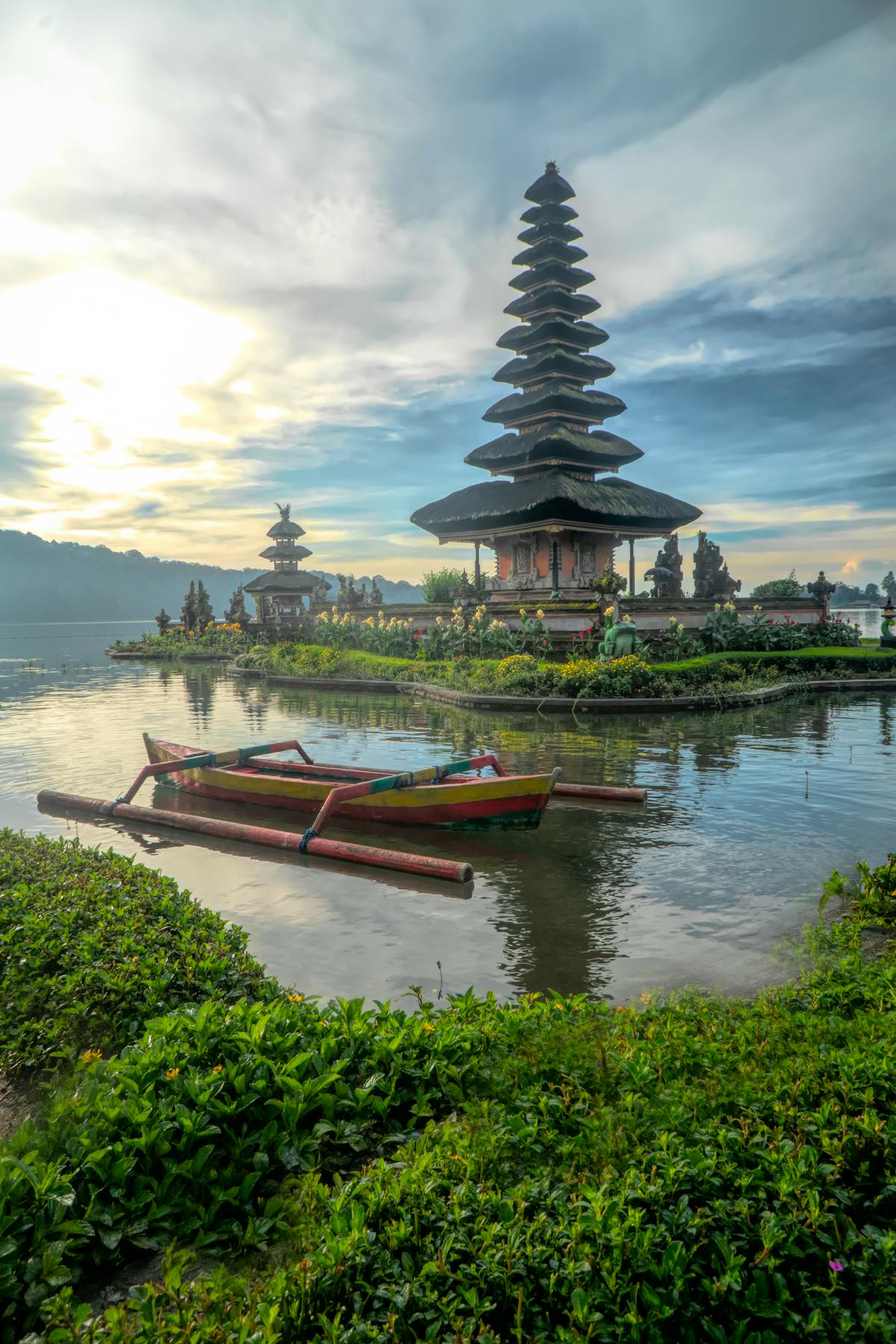 Ölüdeniz & Fethiye · Turquoise Coast
01 From Ancient Telmessos to the Lycian Coast
Nestled along a deep natural bay sheltered by twelve outlying islands, Fethiye stands upon the foundations of ancient Telmessos. In the first millennium BC, Telmessos was the largest city of the Lycian League and renowned throughout the ancient Mediterranean for its school of soothsayers and diviners, consulted by kings including Croesus of Lydia and Alexander the Great.
The distinctive genius of Lycian culture lives on in the monumental cliff facades hewn directly into the sheer vertical limestone mountains towering over modern streets. Unlike classical Roman or Greek societies that placed necropolises far outside urban walls, Lycian aristocrats carved their eternal resting chambers directly into cliffs facing the daily life of their city, believing that winged bird-like sirens would carry the deceased soul to the afterlife. The monumental Tomb of Amyntas, cut into the cliff in the fourth century BC with a complete Ionic temple portico, represents one of antiquity's most daring architectural triumphs.
During the Byzantine and Ottoman eras, the settlement was known as Meğri (from the Greek Makri, meaning 'long'). In 1934, the Turkish Republic renamed the city in honor of Captain Fethi Bey, one of the earliest aviation pioneers of the Ottoman Air Force who died in a historic flight attempting to connect Istanbul to Cairo. Following devastating earthquakes in 1856 and 1957 that leveled timber and masonry buildings, Fethiye rebuilt itself with wide tree-lined boulevards, maritime parks, and modern waterfront promenades while faithfully safeguarding its surrounding natural sanctuaries and mountain passes.
02 Top ten curated attractions in Fethiye.
From world-renowned coastal lagoons and mountain paragliding to lost stone towns and river canyons.
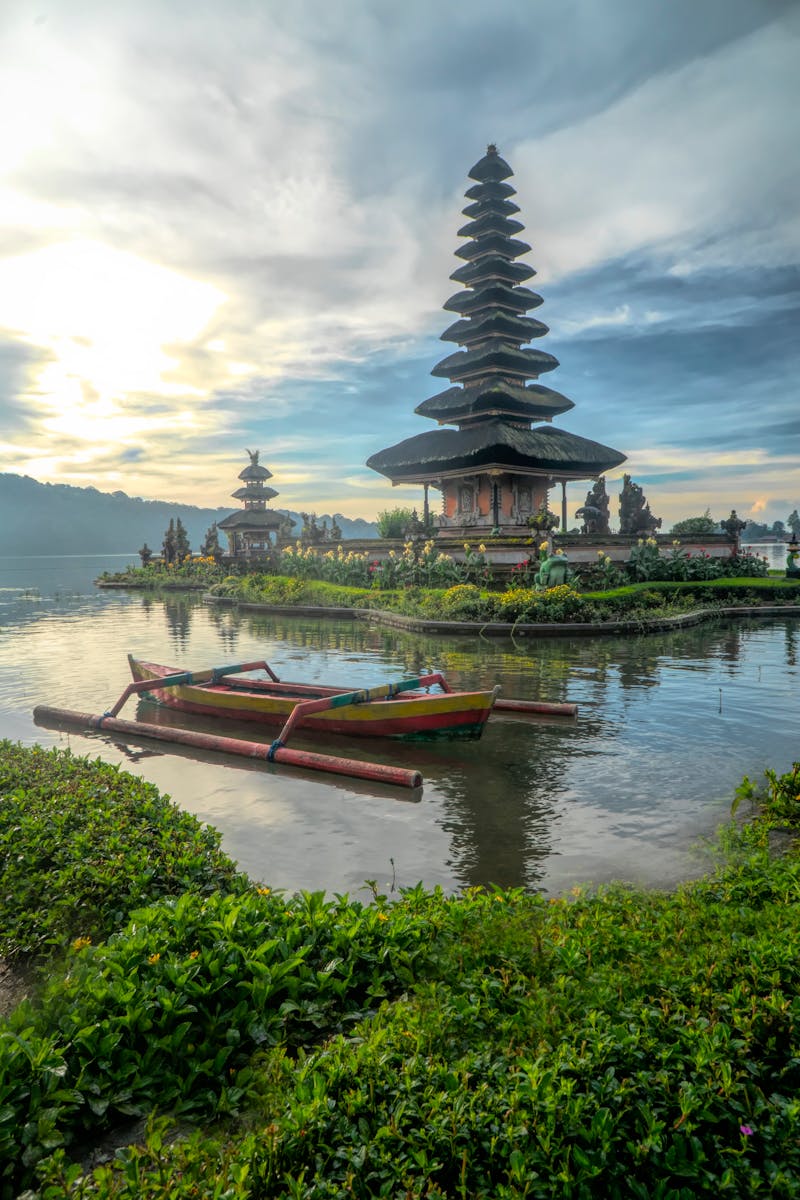
1. Ölüdeniz Blue Lagoon & Belcekız Beach
Often cited among the most photographed coastal stretches on Earth, the Blue Lagoon (Kumburnu) forms a protected marine nature park separated from the open Mediterranean by a gentle white sand spit. Its name translates literally as the 'Dead Sea' due to its calm, wave-free waters even during winter storms. The water transitions through extraordinary gradients of aquamarine, emerald, and deep cobalt. Sunbathers can rent pedalos, paddleboards, or sunbeds under umbrella pines along the lagoon edge, or swim in the surf along adjacent pebble-and-sand Belcekız Beach.
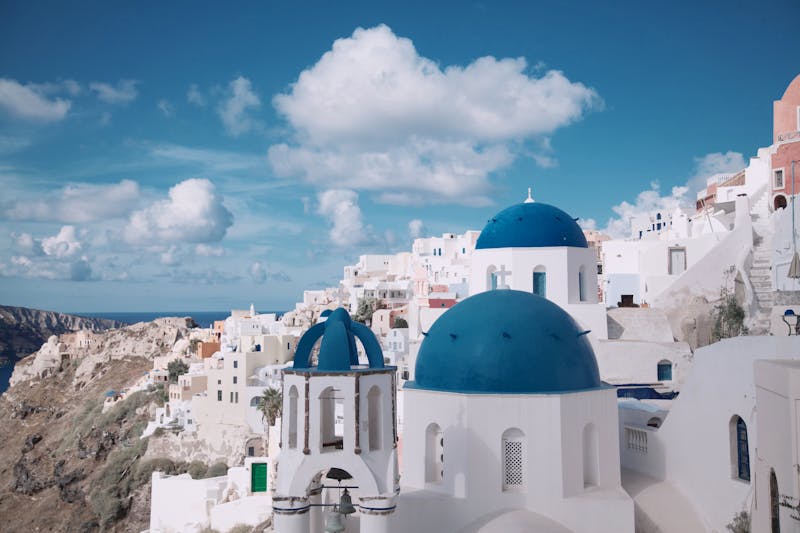
2. Babadağ Tandem Paragliding & Cable Car
Mount Babadağ rises dramatically from sea level to a soaring peak of 1,969 meters, creating one of the world's most acclaimed natural launch sites for tandem paragliding. High-altitude thermals provide smooth, gliding descents lasting 30 to 45 minutes above the forested slopes, serpentine coastline, and crystalline waters of the Blue Lagoon before gentle landings directly onto the Belcekız beachfront promenade. For non-flyers, the state-of-the-art Babadağ Teleferik cable car carries passengers up four viewing stations for breathtaking sunset dining at the peak.
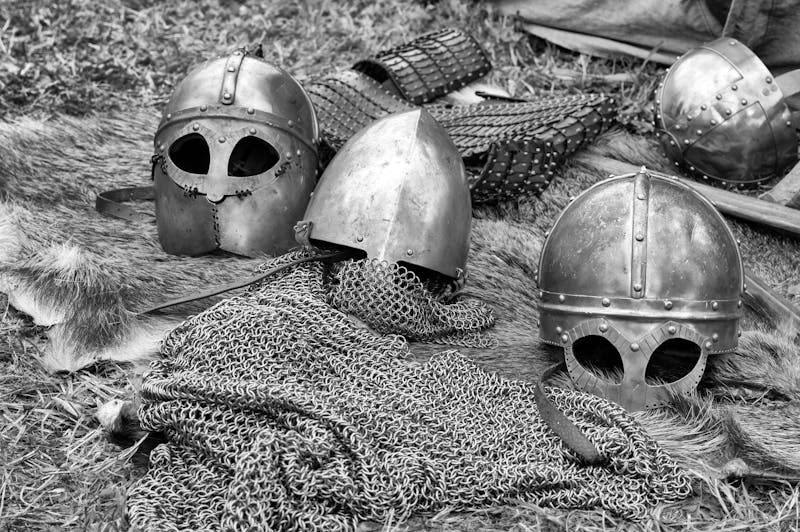
3. Butterfly Valley (Kelebekler Vadisi)
Wedged between towering 350-meter-high limestone canyon walls, Butterfly Valley is a pristine natural eco-sanctuary accessible primarily by water taxi from Ölüdeniz Beach. Named after the rare Jersey Tiger Moth (Euplagia quadripunctaria) and over 100 other butterfly species that inhabit its lush microclimate between June and October, the valley features a freshwater waterfall at the canyon's rear, organic timber beach huts, open-air wooden yoga platforms, and translucent turquoise surf.
4. Kayaköy Abandoned Village
An evocative open-air museum and preserved historical monument clinging to a rocky hillside. Formerly known as Levissi, this prosperous Ottoman Greek community of several thousand inhabitants was vacated in 1923 under the compulsory Population Exchange between Greece and Turkey. Today, hundreds of roofless stone houses, winding cobbled footpaths, cisterns, two monumental basilica churches (Panagia Pyrgiotissa and Taxiarchis), and stone chapels stand silent among wild fig trees and mountain pine groves.
5. Lycian Rock Tombs of Amyntas
Hept in high relief into the sheer limestone rock face towering above Fethiye town center, this 4th-century BC tomb features a monumental temple facade with two Ionic columns supporting an elaborate pediment and carved dentils. An ancient Greek inscription engraved on the left column translates: 'Amyntas, son of Hermapias'. Climb the flight of roughly 200 stone steps to reach the portico platform, where the view commands Fethiye Gulf, the modern yacht harbor, and the distant offshore islands.
6. Saklıkent Gorge National Park
One of the deepest and longest river canyons in Europe, carved 300 meters deep into the Akdağlar mountain massif over thousands of millennia. Visitors enter via a cantilevered wooden walkway pinned to vertical rock faces before wading across cold, rushing snowmelt waters to trek deep into the narrow chasm where sunlight barely penetrates. After hiking, relax on wooden platforms suspended over rushing icy mountain springs, enjoying fresh gözleme flatbreads and cooling river breezes.

7. The Lycian Way (Likya Yolu) Starting Route
Ranked among the world's great long-distance walking trails, the 540-kilometer Lycian Way begins right here in Ovacık above Fethiye, marked by red-and-white trail blazes. Day hikers can tackle the iconic opening leg from Ovacık down to Faralya or Kabak, winding through fragrant pine and cedar woodlands along sheer coastal cliffs overlooking the Mediterranean. The trail offers unparalleled bird’s-eye vistas of Ölüdeniz Lagoon and peaceful mountain farmsteads.

8. Twelve Islands Boat Cruise (Oniki Adalar)
Traditional wooden boats set sail daily from Fethiye harbor to explore the sheltered waters of the Gulf of Fethiye. The cruise drops anchor at historic maritime landmarks including Tersane Island (an ancient Greek and Ottoman dockyard), Yassıca Islands with their shallow saltwater pools, Red Island (Kızılada), and Cleopatra’s Bath (Hamam Bay), where sunken Roman bath ruins lie submerged in warm emerald waters perfect for snorkeling.
9. Paspatur Old Town & Fethiye Fish Market
The oldest surviving district of Fethiye, Paspatur features shaded pedestrian lanes cooled by flowing mountain water channels and colorful umbrella canopies. Browse traditional carpet boutiques, spice merchants, and handmade leather workshops. Nearby, the famous central Fish Market (Balık Pazarı) features a round marble seafood display surrounded by open-air cookshops; browse the catch or enjoy freshly cooked vegetable mezes, grilled mushrooms, and seasoned salads.
10. Telmessos Ancient Theatre
Situated right across from the modern municipal harbor, this Hellenistic theatre was constructed in the 2nd century BC and later renovated by the Romans to accommodate 6,000 spectators. Thoroughly excavated and restored, it stands as a vivid testament to ancient Telmessos' civic grandeur, offering fine views across the yacht harbor and palm esplanade.
03 Excursions & Lycian Heritage Day Trips.
UNESCO World Heritage sites of Xanthos, the sacred sanctuary of Letoon, and Tlos citadel.
Tlos Ancient Citadel & Girmeler Cave
Perched high on an east-facing plateau 35 kilometers from Fethiye, Tlos was one of the six principal cities of the Lycian League and according to myth, the home of the hero Bellerophon and his winged horse Pegasus. Explore its soaring acropolis crowned with a Roman fortress and Ottoman feudal keep, rock-hewn tombs featuring relief carvings of Pegasus fighting the Chimera, a well-preserved Roman stadium, public baths, and a theater with marble carvings. Combine this visit with nearby Yaka Park, where spring waters rush through trout pools shaded by century-old walnut trees.
UNESCO Xanthos Capital & Letoon Sanctuary
A 50-minute drive south leads to the dual UNESCO World Heritage sites that anchored the political and religious life of ancient Lycia. Xanthos stood as the capital of the Lycian Federation, celebrated in classical history for the heroic defiance of its defenders who twice destroyed their own city rather than surrender to Persian and Roman conquerors. Four kilometers southwest lies Letoon, the sacred sanctuary dedicated to the goddess Leto and her twin offspring, Apollo and Artemis, preserving foundational temples and a magnificent Hellenistic theater.
04 Fethiye culinary culture & Aegean table.
From wood-fired gözleme in mountain valleys to cold olive oil mezes and local pine honey.
Mediterranean Olive Oil & Mountain Gözleme
The culinary traditions of Fethiye combine the bounty of Mediterranean orchards with the rustic cooking of the surrounding Taurus Mountain villages. In rural hamlets like Kayaköy, Faralya, and Saklıkent, local women roll gossamer-thin dough over domed iron saj griddles to bake fresh gözleme flatbreads stuffed with wild mountain greens (Otlu), crumbled white feta cheese (Beyaz Peynir), or spiced potatoes.
Plant-based diners can enjoy a sumptuous spread by ordering from the cold meze showcase:
• Şakşuka: Pan-fried cubes of eggplant, sweet peppers, and zucchini bathed in a rich garlic-spiced tomato sauce.
• Haydari: Thick strained mountain yogurt whipped with garlic, fresh mint, crushed walnuts, and extra virgin olive oil.
• Fava: Velvety Aegean purée of dried yellow broad beans with olive oil, red onion, and dill.
• Deniz Börülcesi: Wild sea samphire harvested from coastal marshlands, blanched and seasoned with lemon juice and crushed garlic.
• Sigara Böreği: Crispy phyllo pastry rolls stuffed with fresh herbs and white cheese, fried to a golden crunch.
Pine Honey & Dining Phrases
The pine forests of Muğla Province produce over 75% of the world’s pine honey (Çam Balı), famous for its dark amber color, thick resinous texture, and subtle botanical fragrance. Pair it with clotted cream (Kaymak) or fresh village yogurt for an authentic morning breakfast.
To communicate your dietary preferences clearly at restaurants and taverns throughout Fethiye, use these straightforward Turkish phrases:
• "Etsiz yemekleriniz nelerdir?" — What meatless dishes do you offer?
• "Ben vejetaryenim, et veya tavuk yemiyorum." — I am vegetarian; I do not eat meat or chicken.
• "Lütfen tereyağı yerine zeytinyağı kullanın." — Please use olive oil instead of butter.
• "Hesap lütfen" — The bill, please.
Curated Field Dossier & Offline Google Maps Pin Pack
Bypass tourist traps with verified local logistics, exact parking coordinates, and field-tested routes.
- ✓Exact GPS Pin Pack: Unmarked parking spots, best dawn photography vantage points, and hidden trailheads.
- ✓Crowd-Avoidance Timing Matrix: Exact hour-by-hour windows to explore with zero tourist chaos.
- ✓Vetted Local Dhabas: 100% authentic, hygiene-checked regional food stops not on commercial maps.
- ✓Scam & Overcharge Shield: Verified taxi rates, auto fares, and local guide fee guidelines.
🛡️ Personally curated by PK Gupta & the Hidden Routes research desk. Delivered directly to your Email & WhatsApp within 4–8 hours.
05 Fethiye practical travel FAQs.
Essential logistics on airports, dolmuş routes, paragliding safety, and best seasons.
What is the closest airport to Fethiye and how do transfers work?
The nearest airport is Dalaman Airport (DLM), situated 45 kilometers northwest of Fethiye town center. Comfortable, air-conditioned Havaş and Muttas shuttle coach buses connect Dalaman Airport directly to the central Fethiye bus terminal (Otogar) after every domestic flight arrival (taking approximately 60 minutes for around 150 TRY). Private door-to-door airport transfers and taxis are also readily available 24/7.
Is paragliding off Mount Babadağ safe for complete beginners?
Yes, tandem paragliding requires no prior aviation experience. Passengers fly securely attached in front of a licensed and experienced tandem flight instructor certified by the Turkish Aeronautical Association (THK). The pilot manages all takeoff, thermal soaring, camera photography, and landing maneuvers. Before takeoff, you receive a thorough briefing. Flights operate year-round when wind conditions are favorable, with April to November offering optimal soaring thermal weather.
What is the best way to travel between Fethiye and Ölüdeniz?
Bright white dolmuş shared minibuses connect Fethiye town center, Hisarönü, Ovacık, and Ölüdeniz Beach every 5 to 10 minutes throughout the day. The picturesque journey takes about 25 to 30 minutes, climbing up through pine-clad mountain passes before descending toward the sea. Dolmuş fares can be paid with cash or contactless cards.
What is the best season to visit Fethiye?
The most pleasant months are May to June and September to October. During these shoulder seasons, daytime temperatures hover between 24°C and 29°C, sea waters are warm and clear, hiking conditions along the Lycian Way are comfortable, and popular sights like the Blue Lagoon are relaxed. July and August bring intense heat exceeding 38°C and large summer crowds. Winter (December to March) is quiet with moderate rainfall, though Babadağ paragliding still runs on crisp, clear days.
How many days should I spend in Fethiye?
A stay of 3 to 5 days is ideal. Dedicate Day 1 to Babadağ paragliding and swimming at Ölüdeniz Blue Lagoon. On Day 2, take a boat shuttle to Butterfly Valley and explore the ghost village of Kayaköy in the afternoon. Spend Day 3 on a full-day Twelve Islands boat cruise or hiking a section of the Lycian Way to Faralya. On Day 4, embark on an excursion to Saklıkent Gorge, Tlos acropolis, and Xanthos ruins, followed by sunset over the Amyntas cliff tombs and dinner in Paspatur Old Town.
Can I hike the Lycian Way without a guide?
Yes, the trails near Fethiye (such as the route from Ovacık to Faralya and Kabak) are well-marked with red-and-white Grande Randonnée trail waymarkers. Many day hikers manage these sections independently using offline GPS trail maps (such as Wikiloc or AllTrails). Always carry sturdy trekking boots, a sun hat, high-factor sunscreen, and at least two liters of water per person, as summer heat can be intense.