Bodrum: Aegean Riviera & Ancient Wonders
From the monumental ramparts of the Castle of Saint Peter and the submerged treasures of ancient Mediterranean shipwrecks to the birthplace of the Seven Wonders, whitewashed coastal alleys, and emerald sailing coves aboard traditional wooden gulets.
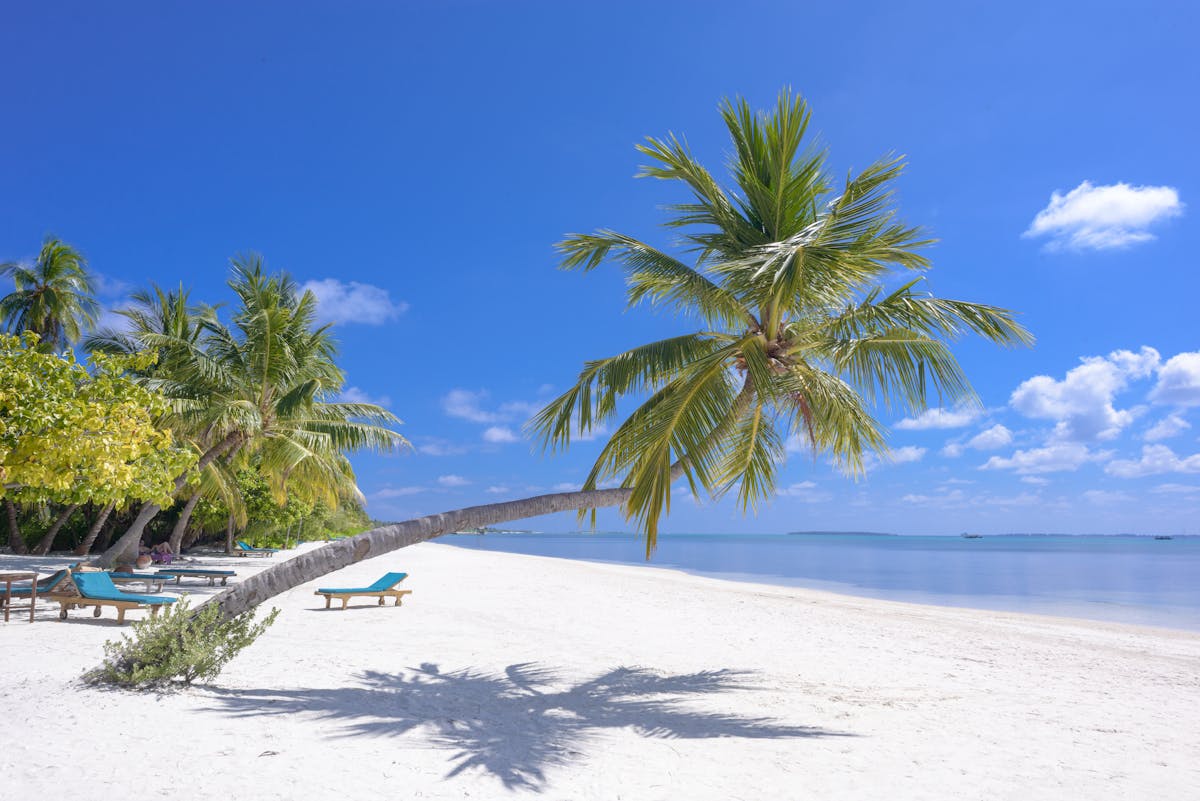 Bodrum · Turkish Riviera
01 From Halicarnassus to the Riviera
Long before private superyachts anchored along its coves, Bodrum commanded the ancient maritime straits of Caria as Halicarnassus. In the fourth century BC, King Mausolus established it as his royal capital, commissioning city walls, a Greek theater, and an elevated palace overlooking twin natural harbors. Halicarnassus was also the birthplace of Herodotus, celebrated as the father of history, who recorded the epic Greco-Persian clashes and the customs of the ancient world.
Upon his death in 353 BC, his grieving widow and sister Artemisia II commissioned the greatest sculptors and architects of the Hellenistic world—including Scopas, Leochares, Bryaxis, and Timotheus—to construct an unprecedented monumental tomb. Rising over 45 meters in height with an elevated colonnade of 36 Ionic columns crowned by a 24-step pyramid and a colossal marble four-horse chariot (quadriga), the monument was so celebrated for its artistic magnificence that its name, the Mausoleum, became the universal term for grand above-ground tombs across human languages. In 334 BC, the city walls stood against Alexander the Great during the fierce Siege of Halicarnassus, where Persian garrison commander Memnon of Rhodes mounted a desperate defense before setting fire to the outer gates and withdrawing across the sea.
In 1402, the Knights of the Order of Saint John of Jerusalem (the Knights of Rhodes) arrived on the Aegean coast and constructed the formidable Castle of Saint Peter on the rocky promontory separating Bodrum's twin bays. Recycled marble friezes and green volcanic stone blocks from the ruined Mausoleum were incorporated directly into the crusader ramparts, where the armorial crests of English, French, German, and Italian knights remain visible today. Modern Bodrum owes its artistic renaissance to the exiled Turkish writer Cevat Şakir Kabaağaçlı (the 'Fisherman of Halicarnassus'), who in the 1950s introduced Turkish intellectuals and artists to the calm beauty of the Gulf of Gökova on sponge-diving boats, inaugurating the world-famous Blue Cruise (Mavi Yolculuk).
02 Top ten curated attractions in Bodrum.
From crusader ramparts and underwater shipwrecks to ancient wonders and Aegean fishing villages.

1. Castle of Saint Peter (Bodrum Kalesi)
Constructed by the Knights of Saint John between 1402 and 1437, this formidable seaside castle dominates Bodrum harbor with its five multinational towers: French, English, Italian, German, and Spanish. Explore battlements decorated with 249 original carved stone heraldic coats of arms, stroll lush botanical gardens planted with Mediterranean cacti, bougainvillea, and free-roaming peacocks, and ascend the battlements for sensational vistas across Bodrum Marina and the turquoise Aegean horizon toward the Greek island of Kos.

2. Museum of Underwater Archaeology
Recognized globally as the world's premier museum dedicated to underwater archaeology. Housed within the stone vaults and towers of the castle, the museum exhibits recovered cargoes from ancient Mediterranean shipwrecks. Marvel at the 14th-century BC Uluburun shipwreck—the oldest seagoing shipwreck ever scientifically excavated—containing raw Cypriot copper oxhide ingots, pure tin ingots, an exquisite solid gold scarab inscribed with Queen Nefertiti's royal cartouche, Mycenaean pottery, and hundreds of intact Canaanite storage amphoras.

3. Mausoleum at Halicarnassus
The open-air archaeological site of one of the Seven Wonders of the Ancient World, constructed between 353 and 350 BC for King Mausolus and Queen Artemisia II. Although dismantled by medieval earthquakes and crusader stonemasons, the site features the massive excavated rectangular burial chamber cut into bedrock, subterranean drainage channels, monumental staircase entry, architectural frieze fragments depicting Amazonomachy battles, and scale models reconstructing its original 45-meter height.
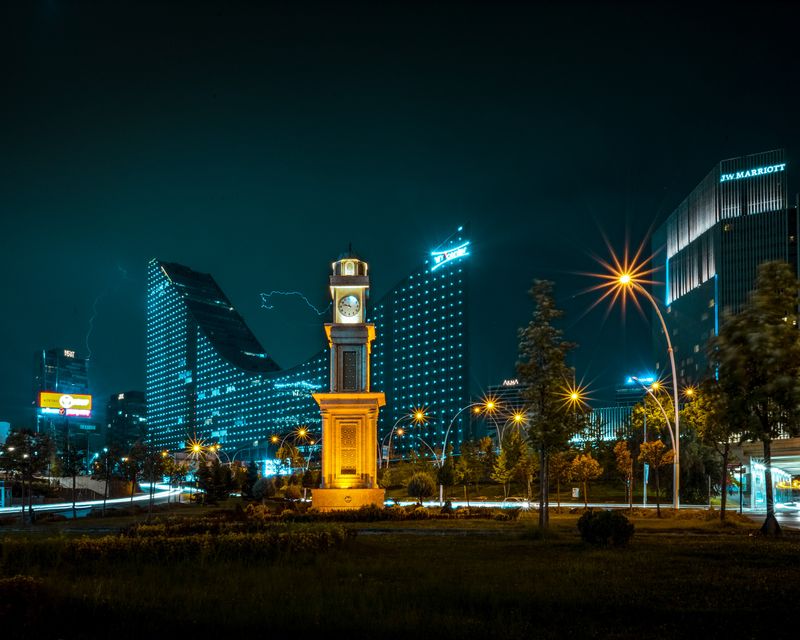
4. Bodrum Antique Theatre
Carved directly into the southern hillside slope of Göktepe during the reign of King Mausolus in the 4th century BC and later enlarged by Roman engineers in the 2nd century AD. The theatre once seated 13,000 spectators across horseshoe-shaped stone tiers divided into cavea sections. Today it serves as one of the Aegean coast's most atmospheric concert venues, offering panoramic sunset views overlooking the Castle of Saint Peter, Bodrum Harbor, and the open sea.

5. Bodrum Marina & Old Town Lanes
The glamorous focal point of coastal Bodrum life. Stroll along the palm-shaded Neyzen Tevfik promenade past sleek international yachts, maritime boutiques, and waterside open-air cafés. Directly behind the harbor, plunge into the pedestrian bazaar—a maze of narrow alleys bordered by whitewashed stone houses adorned with blue-painted window trims, vibrant bougainvillea, and leather sandal craft stalls.
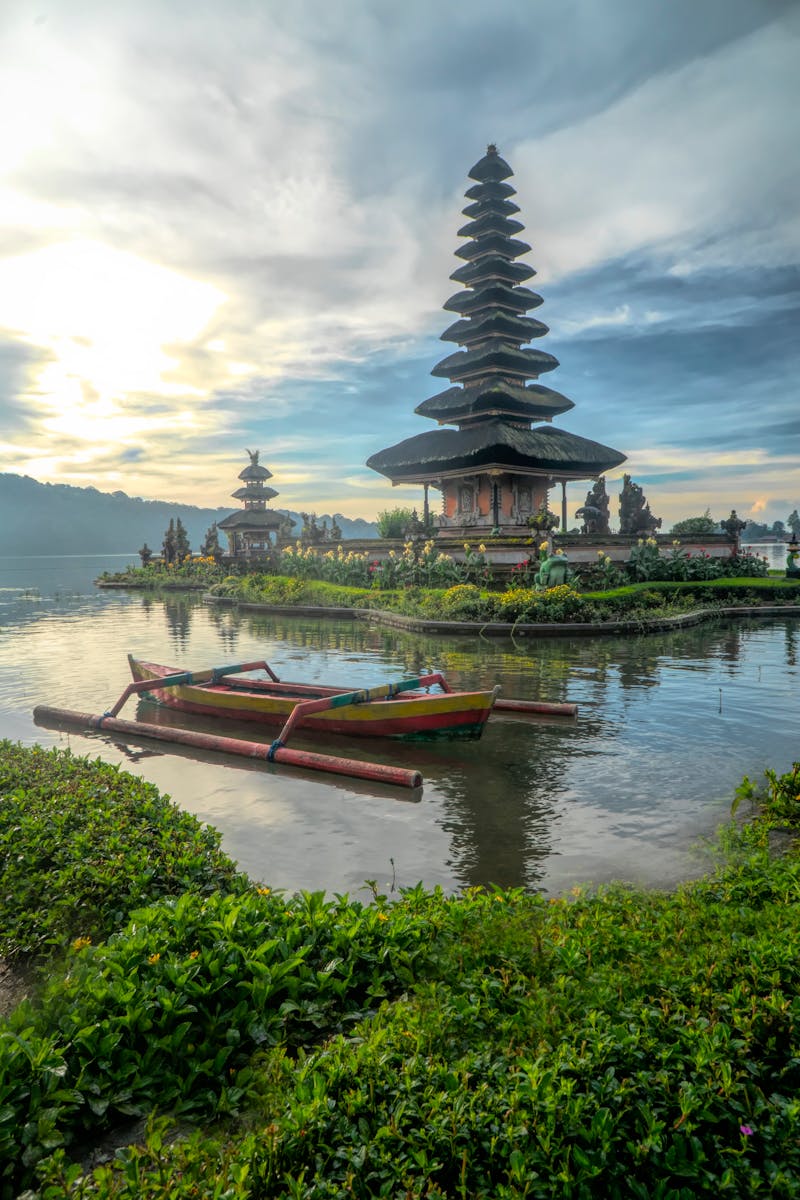
6. Traditional Wooden Gulet Sailing Cruises
Board a handcrafted wooden two-masted Turkish gulet from the municipal harbor for a full-day cruise through the secluded bays of the Bodrum Peninsula. Boats drop anchor in crystalline coves around Karaada (Black Island) with its thermal mineral sulfur springs, Camel Beach, Aquarium Bay, and the translucent turquoise waters of Orak Island, serving freshly prepared mezes and grilled lunches on shaded teak wooden deck tables.
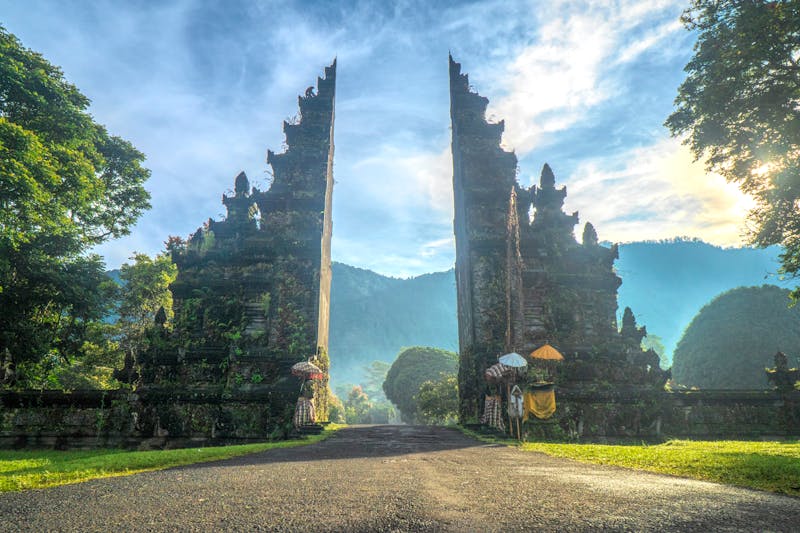
7. Gümüşlük Fishing Village & Rabbit Island
Built over the submerged ruins of ancient Myndos on the westernmost tip of the peninsula. Gümüşlük preserves a wonderfully relaxed, bohemian ambiance. At low tide, visitors can wade through knee-deep crystal water across a submerged ancient stone causeway to Rabbit Island (Tavşan Adası). In the evening, waterfront seafood and meze tables set directly on the beach beneath colorful gourd lanterns create an unforgettable sunset setting.

8. Historic Windmills of Bodrum
Perched on the breezy hilltop ridge separating Bodrum bay from neighboring Gümbet bay, these seven cylindrical 18th-century stone windmills once ground wheat for the local population powered by constant Aegean sea winds. While partially in ruins, the site offers an exceptional double-bay panorama looking west toward Kos and east across Bodrum Castle, making it a favorite spot for sunset photography.
9. Yalıkavak Marina
Awarded the title of World's Best Superyacht Marina, Yalıkavak represents modern Mediterranean luxury. The state-of-the-art marina accommodates mega-yachts up to 140 meters in length and features open-air designer boutiques, international fine-dining restaurants, contemporary art galleries, and tranquil sunset cocktail lounges overlooking the Aegean.

10. Bitez Bay & Mandarin Orchards
A peaceful crescent bay fringed by fragrant green mandarin and citrus orchards. Bitez features a gentle, shallow sandy beach ideal for peaceful swimming and windsurfing, lined with laid-back beachside cafés with cushioned beanbags. The village retains a charming rural feel, famous for producing Bodrum's aromatic citrus liqueurs, jams, and mandarin-flavored olive oils.
03 Excursions & Maritime Day Trips from Bodrum.
Ferries to the Datça Peninsula, Greek island hopping, and classical Ionian ruins.
Datça Peninsula Vehicle & Passenger Ferry
A spectacular shortcut across the Gulf of Gökova. Instead of a grueling 230-kilometer road drive winding around the gulf, modern roll-on/roll-off vehicle and passenger ferries connect Bodrum harbor directly to the pristine port of Datça in just 105 minutes. Operating daily from May through October, the ferry journey reveals soaring coastal cliffs and secluded sea bays. Datça offers untouched almond groves, tranquil pebble beaches, and the windswept ancient ruins of Knidos at Cape Krio, where the legendary marble statue of Aphrodite once welcomed ancient Hellenic sailors.
Classical Ionian Triangle: Priene, Miletus & Didyma
Venturing north along the Aegean corridor opens access to three of antiquity's most consequential architectural and intellectual sites. Located approximately 90 minutes by rental car or guided excursion, Didyma preserves the colossal Sanctuary of Apollo, featuring towering 20-meter ionic columns that rivaled Delphi in oracular renown. Continue northwest across the Maeander River delta to explore Miletus—birthplace of Thales and the grid city plan—and the steep mountain-terrace Hellenistic city of Priene, set dramatic against towering pine-clad crags overlooking the Aegean plain.
04 Bodrum culinary culture & coastal meze dining.
From wild Aegean mountain greens to olive oil delicacies and fresh harbor dining.
Aegean Wild Herbs & Zeytinyağlılar
Bodrum’s authentic culinary soul is found not in heavy grilled meats, but in the vibrant Aegean tradition of wild foraged mountain greens and coastal succulents (Otlar) braised in local extra virgin olive oil. Peninsula farmers markets in Bodrum, Turgutreis, and Yalıkavak feature market stalls piled high with wild chicory (Radika), tender nettles (Isırgan), sea samphire (Deniz Börülcesi), and mallow (Ebegümeci), gently blanched and dressed with crushed garlic, freshly squeezed lemon juice, and cold-pressed Aegean olive oil.
Vegetarians and plant-forward diners can construct an exquisite multi-course feast by ordering an assortment of authentic local cold mezes:
• Kabak Çiçeği Dolması: Delicate golden zucchini blossoms harvested at dawn and stuffed with herb-infused rice, pine nuts, and sweet currants.
• Fava: Velvety smooth purée of dried yellow broad beans garnished with diced red onions, fresh garden dill, and a generous drizzle of green olive oil.
• Közlenmiş Patlıcan Salatası: Whole eggplants blistered over charcoal embers, stripped of skin, and folded with crushed garlic, strained sheep yogurt, and olive oil.
• Çökertme Kebabı (Vegetarian Adaptations): Bodrum's signature regional dish composed of shoestring fried potatoes dressed with garlic-infused yogurt and spiced tomato butter sauce, ordered without meat garnish.
Mandarin Delights & Peninsula Dining Etiquette
The Bodrum Peninsula is famous throughout Turkey for its exceptionally fragrant green mandarins (Bodrum Mandalinası). Local confectioners and farmers cooperatives use the rind and sweet-tart juice to produce artisan citrus sorbets, aromatic Turkish delight (lokum), craft sparkling sodas (Gazoz), and fragrant blossom honey that makes an ideal souvenir.
When dining at seaside taverns in Gümüşlük, Bitez, or along the Bodrum Marina promenade, inform your server of your dietary preferences using clear, polite Turkish phrases:
• "Etsiz olsun lütfen" — Please prepare this dish without meat.
• "Vejetaryenim" — I am vegetarian.
• "Süt ürünü içermez mi?" — Does this contain dairy?
Complement your meal with chilled mineral water from Uludağ or a glass of dry Turkish white wine crafted from Bornova Misketi or Emir grapes cultivated across the Aegean volcanic hillsides.
Curated Field Dossier & Offline Google Maps Pin Pack
Bypass tourist traps with verified local logistics, exact parking coordinates, and field-tested routes.
- ✓Exact GPS Pin Pack: Unmarked parking spots, best dawn photography vantage points, and hidden trailheads.
- ✓Crowd-Avoidance Timing Matrix: Exact hour-by-hour windows to explore with zero tourist chaos.
- ✓Vetted Local Dhabas: 100% authentic, hygiene-checked regional food stops not on commercial maps.
- ✓Scam & Overcharge Shield: Verified taxi rates, auto fares, and local guide fee guidelines.
🛡️ Personally curated by PK Gupta & the Hidden Routes research desk. Delivered directly to your Email & WhatsApp within 4–8 hours.
05 Bodrum practical travel FAQs.
Essential details on airport transfers, Greek ferry links, best seasons, and getting around.
How do I travel from Milas-Bodrum Airport to the town center?
Milas-Bodrum Airport (BJV) is located 35 kilometers northeast of central Bodrum. Dedicated Havaş and Muttas airport shuttle coach buses meet all arriving domestic flights from Istanbul and Ankara, departing roughly 25 minutes after touchdown directly to the Bodrum central bus terminal (Otogar). Travel time is approximately 40 minutes and fare is around 120 TRY. Official yellow metered airport taxis operate 24 hours daily outside both domestic and international terminals.
Can I take a ferry from Bodrum to the Greek island of Kos?
Yes! The Greek Dodecanese island of Kos lies only 10 nautical miles southwest across the Aegean Sea. High-speed passenger catamarans and modern hydrofoils operate multiple times daily from Bodrum Cruise Port to Kos Town harbor from April through late October, completing the crossing in just 20 to 30 minutes. Travelers holding Indian passports require an active multiple-entry Schengen visa or valid residency permit to pass Greek border control and board international ferries.
What is the best season of the year to visit Bodrum?
The ideal months to visit Bodrum are May to June and September to October. During these shoulder seasons, day temperatures average a pleasant 24°C to 28°C, sea waters remain comfortable for swimming, accommodation prices are competitive, and popular spots like the Castle of Saint Peter and Gümüşlük are uncrowded. July and August bring intense heat exceeding 36°C, strong Meltemi trade winds, and peak domestic crowds.
What is the best way to travel around the Bodrum Peninsula?
The Bodrum Peninsula is knit together by an inexpensive and frequent network of dolmuş shared minibuses. From the modern central bus terminal (Bodrum Şehirlerarası Otobüs Terminali), minibuses depart every 10 to 15 minutes to Gümüşlük, Yalıkavak, Bitez, Turgutreis, and Ortakent until late evening. Payment is accepted via contactless bank cards or the regional Muğla Kentkart transit card. Rental scooters and cars provide added flexibility for visiting isolated rocky coves along the northern coastline.
How many days are recommended for Bodrum?
A stay of 3 to 4 days is optimal for experiencing the peninsula. Dedicate Day 1 to historical landmarks in town: the Castle of Saint Peter, the Museum of Underwater Archaeology, the Mausoleum at Halicarnassus, and the Antique Theatre. Spend Day 2 on a classic wooden gulet cruise exploring Black Island and Orak Island. On Day 3, explore picturesque peninsula villages including Yalıkavak Marina and sunset dining in Gümüşlük. Spend Day 4 taking a ferry to Datça, relaxing at Bitez Beach, or making an excursion to Didyma and Miletus.
How do gulet cruises work and what should travelers expect?
Traditional gulets are motor-sailing vessels handcrafted from pine and mahogany in local Aegean boatyards such as İçmeler. Daily group boat trips depart around 10:00 AM from the Bodrum municipal harbor and return around 5:00 PM. Rates typically include 4 to 5 swim stops in tranquil turquoise coves, lunch served on deck (mezes, salad, and main dish), and use of sunbeds. Private day charters and multi-day Blue Cruises (Mavi Yolculuk) along the Gulf of Gökova can also be arranged with cabin lodging.