Mardin.
Perched dramatically on the southern rocky spine of Mount İzala at an altitude of over 1,000 meters, Mardin gazes endlessly outward across the boundless, sun-bleached plains of Upper Mesopotamia stretching toward Syria. Clad in luminous honey-colored limestone, this living open-air museum harmonizes centuries of Artuqid Islamic madrasas, ancient Syriac Christian monasticism, Arab stone-masonry traditions, and Kurdish hill markets into one of the most hypnotic urban silhouettes on the Eurasian continent.
- 🛂 Visa Protocol: Indian passport holders with valid US, UK, Schengen, or Ireland visas can secure an official 30-day Turkish e-Visa online in 5 minutes via
evisa.gov.tr. For full requirements, see our Turkey Visa Guide. - ✈️ Flight Access: Mardin Prof. Dr. Aziz Sancar Airport (MQM) lies 20km southwest of Old Mardin, with multiple daily non-stop flights connecting from Istanbul (IST & SAW) and Ankara (ESB) via Turkish Airlines and Pegasus Airlines. Airport taxis and municipal shuttle vans reach the historic hilltop in 25 minutes.
- 🏛️ Consolidated Region: Old Mardin represents the central historical hub. Historic surrounding settlements such as Midyat (famed for silver filigree and Syriac stone monasteries), Dara (Roman garrison fortress), and Savur are easily visited as day excursions via regional minibuses or rental cars.
- 🥗 Mesopotamian Vegetarian Dining: Clarify orders with "Etsiz olsun lütfen" (without meat, please). Relish Mercimek Köftesi (spiced red lentil and bulgur patties with fresh mint and lemon), cold stuffed vine leaves, walnut-pomegranate dips, roasted salted almond snacks, and fragrant wild thyme tea (Zahter).
- 🧭 Country Hub & Network: Link Mardin with our comprehensive Turkey Travel Hub, Cappadocia, and eastern Van.
 Mardin · Mesopotamia
01 The Mesopotamian vantage
Few landscapes evoke such profound geographic poetry as the view from the rooftop terraces of Old Mardin. The city cascades down the southern cliffside of Mount İzala in stepped limestone tiers; because no house is permitted to obstruct the southern light or the horizon of the house behind it, the entire city functions as a communal viewing balcony overlooking the golden sweep of Upper Mesopotamia.
Known in Roman antiquity as Marida, Mardin formed part of the contested border zone between the Roman and Sasanian Persian empires, later flourishing under the Artuqid Turkmen dynasty between the 12th and 14th centuries. The Artuqids were passionate patrons of high stone masonry and engineering, constructing monumental theological colleges (madrasas) featuring intricate fluted domes, muqarnas stalactite vaulting, and symbolic water courtyards designed to mirror the celestial heavens.
Simultaneously, Mardin remains one of the historic spiritual epicenters of Syriac Orthodox Christianity. In the surrounding Tur Abdin limestone plateau, monks have chanted liturgies in Aramaic—the ancient Semitic language spoken by Jesus Christ—since the 4th century. This profound cultural coexistence between Syriac, Arab, Turkish, and Kurdish communities endures in the bilingual street greetings, the coexistence of church bells and minarets, and the shared artisanal tradition of silver telkari wire filigree.
02 Top ten curated attractions in Mardin.
From medieval Artuqid madrasas to 4th-century Syriac monasteries and subterranean Roman cisterns.

1. Old Mardin Terraced Stone City
The historic core of Mardin is completely closed to modern vehicular traffic. Wander through narrow pedestrian alleys (abbara) that tunnel beneath residential mansions via vaulted stone arches, passing donkey caravans that still handle municipal refuse collection and cargo delivery. The pale limestone facades are encrusted with floral and geometric relief carvings, wooden bay balconies, and massive carved entry doors.
2. Zinciriye Medresesi (Sultan İsa Medresesi)
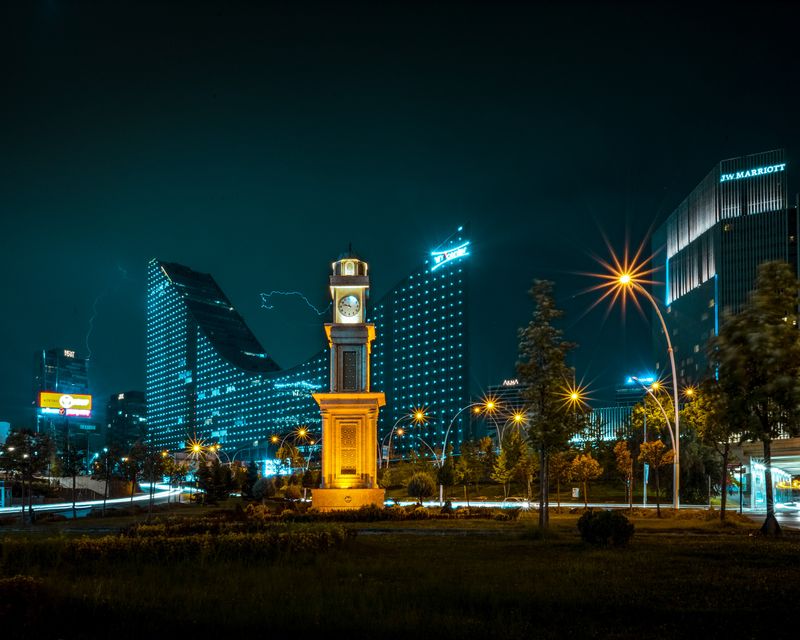
Commissioned in 1385 by Artuqid Sultan Melik Necmettin İsa. Perched directly beneath the eagle-nest crags of the citadel castle, this magnificent two-story theological academy features two soaring fluted stone domes that catch the sunrise, a monumental carved portal, and an open courtyard with a stone pool reflecting the clouds. The upper terrace commands the most breathtaking panoramic view of the Mesopotamian horizon in Turkey.
3. Deyrulzafaran Monastery (Saffron Monastery)
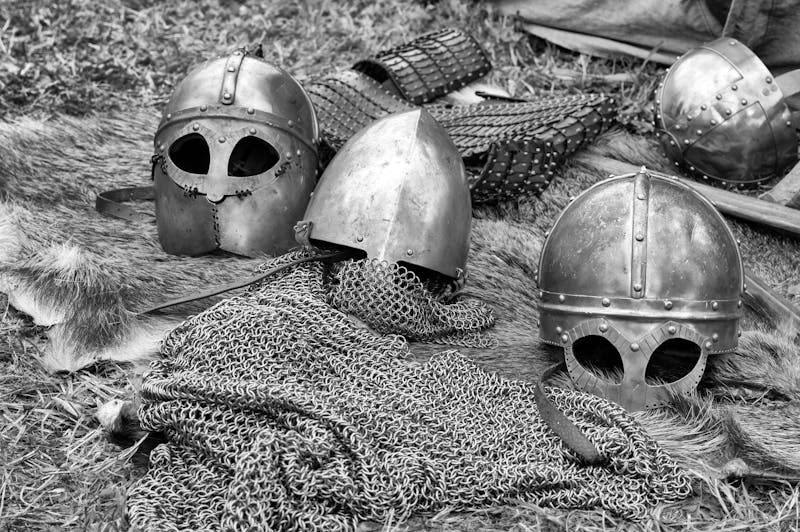
Founded in 493 AD, this revered complex served as the official seat of the Syriac Orthodox Patriarchate from 1160 until 1932. Named after the saffron flowers that grew wild around its yellow stone walls, the monastery houses an underground sun temple dating back to 2000 BC with an astonishing mortarless flat-stone ceiling, 4th-century church sanctuaries, wooden patriarchal thrones carved from walnut, and tombs of former patriarchs.

4. Grand Mosque of Mardin (Ulu Cami)
Built in 1176 under Artuqid ruler Kutbeddin İlgazi, this is Mardin's oldest and most iconic functioning mosque. Its fluted stone minaret, adorned with intricate relief calligraphy and geometric knot-work, soars above the stepped bazaar rooftops. The low-slung, barrel-vaulted prayer hall rests on massive square pillars, illuminated by filtered amber sunlight reflecting off cool limestone floors.
5. Kasımiye Medresesi
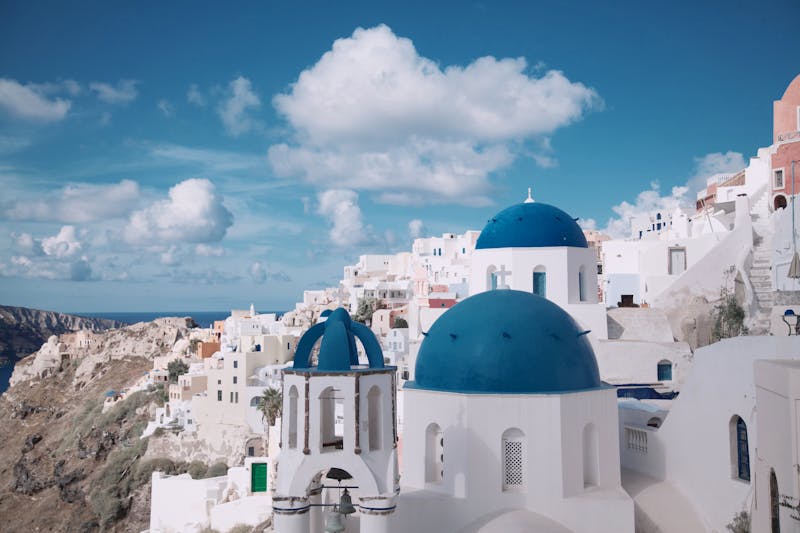
Completed in the late 15th century by Akkoyunlu ruler Sultan Kasım. This monumental complex integrated advanced medical, astronomical, and theological teaching. The central open courtyard features a famous symbolic fountain: water emerges from a small spout representing birth, flows into a shallow basin representing youth, through a narrow channel representing adulthood, into a deep pool representing death, and out to the plains symbolizing eternity.
6. Midyat Historic District & Mor Gabriel Monastery
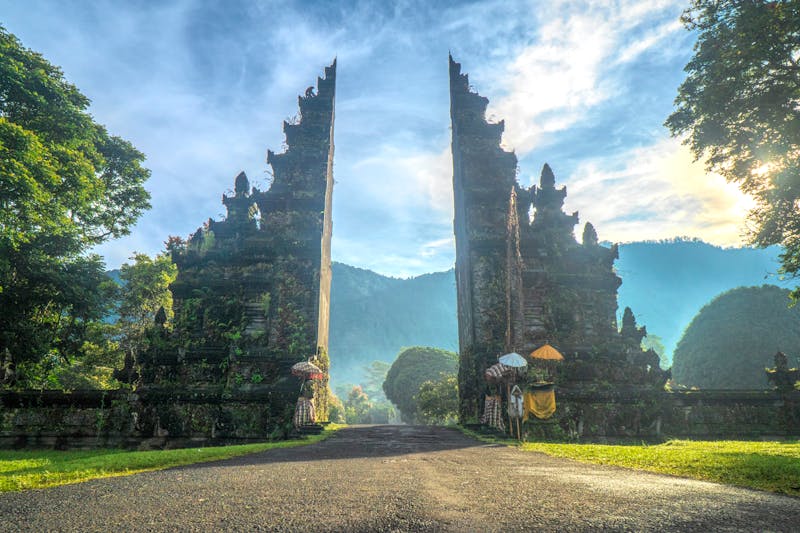
The historic town of Midyat is the capital of telkari silver filigree jewelry and extraordinary stone palaces with three-dimensional lacework carving (such as the Midyat Konukevi mansion). Just 20 minutes southeast lies Mor Gabriel Monastery (Deyrulumur), founded in 397 AD—making it one of the oldest functioning Christian monasteries in the world, surrounded by olive groves on the high Tur Abdin plateau.

7. Dara Ancient Roman Ruins & Cisterns
Founded in 505 AD by Byzantine Emperor Anastasius I as a fortified military garrison to defend the frontier against the Persian Sasanian Empire. Spread across a rural village, Dara features colossal rock-cut necropolises carved into limestone cliffs, ruined fortress towers, and the sensational subterranean "Cathedral Cistern"—a cavernous underground water reservoir supported by towering stone pillars descending deep into the bedrock.
8. Mardin Museum
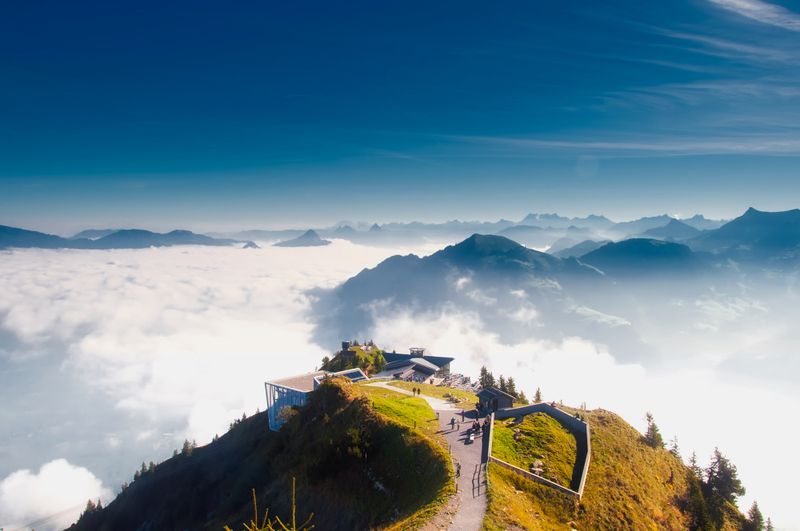
Housed in a grand three-story 1895 Syrian Catholic patriarchate building with ornate arcaded balconies overlooking the main avenue. The museum exhibits artifacts spanning the Bronze Age, Assyrian, Persian, Roman, Byzantine, Artuqid, and Ottoman eras, including rare coin hoards, seals, clay tablets, and traditional ethnographic costumes and silver telkari ornaments.
9. Sakıp Sabancı Mardin City Museum
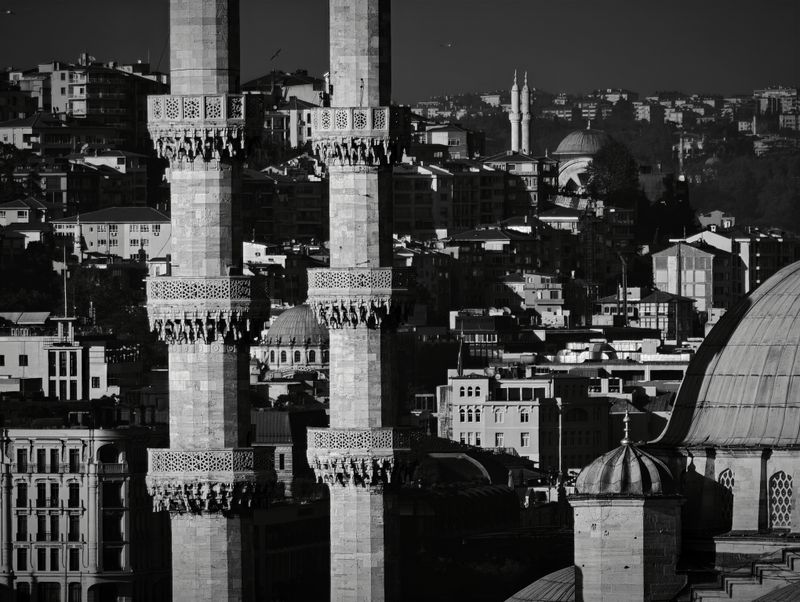
Housed in late 19th-century Ottoman stone cavalry barracks, this beautifully curated municipal museum illustrates Mardin's multi-layered cultural identity, historic trade guilds, architectural stonemasonry techniques, and traditional crafts. The lower Dilek Sabancı Art Gallery hosts world-class contemporary photography and visual art exhibitions.

10. Savur & Kıllıt Ancient Stone Village
Often called "mini-Mardin," the valley town of Savur features terraced stone mansions cascading down a green hillside crowned by a ruined fortress, surrounded by lush poplar trees, running creeks, and vineyards. Just 5km outside town lies Kıllıt (Dereiçi), an atmospheric, semi-abandoned ancient Syriac stone village preserving three historic stone churches, including Mor Yuhannon Church.
03 Telkari silver filigree & stone craftsmanship.
Discovering the centuries-old artisanal traditions passed down through generations in Upper Mesopotamia.
Telkari: The Art of Spun Silver Wire
The historic towns of Mardin and Midyat are world-renowned as the heartland of Telkari—an extraordinarily intricate silver filigree craft practiced by local Syriac master craftsmen for more than a thousand years. Raw silver is melted, alloyed, and repeatedly drawn through progressively smaller diamond dies until it becomes as fine as a strand of silk thread.
Two or more of these microscopic threads are then twisted together and meticulously hand-soldered into gossamer framework shapes using handheld blowpipes. Master jewelers create delicate teardrop earrings, lace-like cuffs, peacock pendants, and ceremonial sugar bowls that resemble woven textile lace rather than solid metal. Visitors can watch silversmiths at work in the Kuyumcular Çarşısı (Jewelers' Bazaar) in both Old Mardin and central Midyat.
Artuqid Stone Relief Masonry
Equally defining is the local tradition of architectural stone relief carving. Because the golden limestone quarried from Mount İzala hardens only after extraction, local stonecutters carve deep botanical scrollwork, Quranic inscriptions in Kufic script, and geometric muqarnas stalactites directly into door lintels and window arches.
Even ordinary family residences in Old Mardin feature three-dimensional stone rosettes, stylized vine motifs, and heraldic animal emblems carved above their entry thresholds. These techniques have been preserved through father-to-son apprenticeships, ensuring that modern restorations in Old Mardin maintain complete aesthetic harmony with fourteenth-century Artuqid monuments.
04 Mesopotamian culinary culture & vegetarian dining.
From aromatic spices and bulgur grains to rich wild thyme teas and blue almond confections.
Spices, Bulgur & Syrian Influences
Mardin’s gastronomy is deeply influenced by its position along the ancient Silk Road and spice caravan routes linking Mesopotamia to the Mediterranean. The regional palette is rich with allspice, cinnamon, dried mint, coriander, and sour sumac. While lamb and spiced meat pastries (such as Sembusek) feature prominently, the heavy use of cracked wheat (bulgur), red lentils, chickpeas, and wild herbs creates a natural feast for vegetarian travelers.
Vegetarian highlights include:
• Mercimek Köftesi: Soft, savory patties of red lentils, fine bulgur, scallions, tomato paste, and pomegranate molasses, served nestled inside crisp fresh lettuce leaves.
• Zeytinyağlı Yaprak Sarma: Delicate grape vine leaves rolled around aromatic rice seasoned with allspice, pine nuts, and currants.
• Humus & Ezme: Local copper dishes of warm chickpea purée drizzled with olive oil, paired with spicy tomato and walnut salad.
Blue Almond Candies & Zahter Tea
As you explore the stone bazaar beneath Ulu Cami, spice shops display colorful heaps of Mavi Badem Şekeri (blue almond candy)—roasted local almonds coated in sugar flavored naturally with the blue pigment of the Lahor tree. Another specialty is Dibek Kahvesi (stone-ground Turkish coffee blended with mastic and cardamom), which is served in tiny porcelain cups with cold mountain spring water.
Throughout the day, locals sip hot glasses of Zahter Çayı (wild mountain thyme tea), brewed from herbs gathered in the surrounding rocky hills, known for its digestive and invigorating properties. When dining, always confirm your dietary preferences with the phrase: "Etsiz olsun lütfen" (without meat, please).
Curated Field Dossier & Offline Google Maps Pin Pack
Bypass tourist traps with verified local logistics, exact parking coordinates, and field-tested routes.
- ✓Exact GPS Pin Pack: Unmarked parking spots, best dawn photography vantage points, and hidden trailheads.
- ✓Crowd-Avoidance Timing Matrix: Exact hour-by-hour windows to explore with zero tourist chaos.
- ✓Vetted Local Dhabas: 100% authentic, hygiene-checked regional food stops not on commercial maps.
- ✓Scam & Overcharge Shield: Verified taxi rates, auto fares, and local guide fee guidelines.
🛡️ Personally curated by PK Gupta & the Hidden Routes research desk. Delivered directly to your Email & WhatsApp within 4–8 hours.
04 Mardin practical travel FAQs.
Essential details on safety, flights, getting around, and dress customs.
Is Mardin safe for international travelers?
Yes, absolutely. Mardin is a peaceful, welcoming, and culturally vibrant tourism hub that hosts hundreds of thousands of Turkish and international visitors annually. The local populace is famous throughout Turkey for extraordinary gracious reception and warmth toward visitors. Standard travel common sense applies: keep personal belongings secure, carry your physical passport during intercity road journeys, and respect sacred places of worship.
How many days are recommended in Mardin?
A stay of 2 to 3 days is optimal. Spend Day 1 walking the labyrinthine stone alleys of Old Mardin, visiting Zinciriye Medresesi, Ulu Cami, and the local bazaar, followed by sunset over the Mesopotamian plains. On Day 2, take a morning excursion to Deyrulzafaran Monastery, then head southeast to the ancient Roman ruins and cisterns of Dara. On Day 3, venture out to the historic stone district of Midyat and Mor Gabriel Monastery.
What is the best way to get around Mardin and surrounding sites?
Old Mardin is entirely pedestrian; be prepared to climb steep stone staircases and wear comfortable shoes with good rubber traction. For visiting Deyrulzafaran (5km) or Dara (30km), negotiating an affordable round-trip fare with local taxis from the central taxi rank on Cumhuriyet Caddesi is the most convenient option. For Midyat (65km), frequent, comfortable minibuses depart from Mardin Otogar throughout the day.
When is the best time of year to visit Mardin?
The ideal seasons are spring (April to May) and autumn (September to October), when temperatures hover comfortably between 20°C and 28°C under clear skies. Mid-summer (July and August) can be scorchingly hot, with temperatures on the Mesopotamian plains regularly exceeding 40°C, making midday walking arduous. Winter brings chilly winds and occasional light snowfall to the mountain.