Nestled along the northeastern shores of the Aegean Sea directly facing the Greek island of Lesbos, Ayvalık is Turkey's premier heritage coastal sanctuary. Blessed with millions of ancient olive trees, an archipelago of 22 scenic islets, and thousands of preserved 19th-century neoclassical stone mansions (built from warm pinkish native garlic stone or sarımsak taşı), Ayvalık offers an enchanting counterpoint to Turkey’s busier resort strips. It is an extraordinary destination where Ottoman maritime trade, Greek architectural aesthetics, and slow Aegean dining converge.
- 🛂 Visa Protocol: Indian passport holders carrying a valid US, UK, Schengen, or Ireland visa can obtain an official Turkish e-Visa online in 5 minutes via
evisa.gov.tr. For full application details and document rules, review our Turkey Visa Guide. - 🚌 Transit Access: Fly into Balıkesir Koca Seyit Airport (EDO) in Edremit (40 minutes by airport shuttle) or Izmir Adnan Menderes Airport (ADB), from where frequent intercity coaches run to Ayvalık in 2.5 hours. Local dolmuş minibuses cross the scenic Bosphorus of Ayvalık causeway to Cunda Island every 10 minutes.
- 🫒 Aegean Olive Cuisine ("Etsiz"): Ayvalık is a vegetarian haven. Indulge in Zeytinyağlılar (cold vegetables braised in virgin olive oil), wild samphire (Deniz Börülcesi), stuffed zucchini blossoms (Kabak Çiçeği Dolması), and warm curd pastry with mulberry syrup (Lor Tatlısı). Use the magic phrase: "Etsiz olsun lütfen" (without meat, please).
- 🧭 Country Hub & Network: Combine Ayvalık with regional coastal routes via our Turkey Travel Hub, Izmir, and Selcuk (Ephesus).
 Ayvalık · Aegean Turkey
01 The Aegean stone heritage
Ayvalık occupies a singular place in the architectural history of the Aegean. During the 18th and 19th centuries, the town enjoyed special autonomous trading privileges granted by Ottoman imperial decrees, growing into one of the most affluent maritime and soap-making hubs in the Mediterranean. Its merchants commissioned grand neoclassical residences, stone olive-oil pressing mills, and soaring basilicas built from distinctive reddish-pink volcanic tuff known locally as garlic stone.
Following the 1923 population exchange between Greece and Turkey, Turkish families from Crete, Lesbos, and Macedonia settled in Ayvalık, bringing with them profound agricultural knowledge of olive arboriculture and sophisticated Aegean wild-herb culinary techniques. Today, the town preserves one of the most intact collections of 19th-century domestic architecture in the Mediterranean basin. Narrow cobblestone alleys are lined with elegant wrought-iron balconies, ornate pedimented entryways, and painted timber window shutters.
Connected to the mainland via Turkey's oldest strait bridge and causeway, Cunda Island (officially Alibey Island) anchors the region's cultural renaissance. Former stone cathedral structures have been meticulously restored into world-class heritage museums and libraries, while historic waterfront stone warehouses now house atmospheric cafés where locals sip mastic-flavored Turkish coffee beneath ancient plane trees.
02 Top ten curated attractions in Ayvalik.
From Cunda's cobblestone lanes to panoramic sunset viewpoints and historic olive oil ateliers.
1. Cunda Island (Alibey Island)
The crown jewel of the Ayvalık archipelago. Linked to the mainland by Turkey's first strait bridge built in 1964, Cunda is a pedestrian paradise of narrow cobblestone lanes lined with beautifully restored 19th-century Greek stone townhouses draped in magenta bougainvillea. Stroll past antique shops, artisanal ceramic studios, and waterfront meze taverns overlooking fishing boats bobbing in the quiet bay.

2. Taksiyarhis Memorial Museum
Constructed in 1873 upon earlier 17th-century foundations, this monumental Greek Orthodox cathedral dedicated to the Archangels Michael and Gabriel was restored to magnificence by the Rahmi M. Koç Foundation. Admire the marble iconostasis, gilded neoclassical plasterwork, and restored biblical frescoes, alongside a charming collection of vintage mechanical models, maritime instruments, and antique tin toys.
3. Şeytan Sofrası (Devil's Feast)
Perched atop an extinct volcanic lava dome south of Ayvalık, this celebrated rocky bluff offers a sensational 360-degree panorama over the entire Ayvalık archipelago, Cunda Island, and the Greek island of Lesbos across the Aegean. The site takes its name from a giant footprint-shaped volcanic indentation encased in an iron wishing cage. Arrive an hour before sunset when the sky and sea turn brilliant amber and purple.

4. Historic Olive Oil Mills & Tastings
Ayvalık produces what connoisseurs consider Turkey's finest extra virgin olive oil, carrying registered European protected geographical indication. Visit historic functioning presses and boutique tasting ateliers in the town center (such as Kürşat, Tariş, and Özgün Zeytincilik) to sample cold-pressed early harvest oils (Erken Hasat), cold-process olive soaps, and tapenades, while learning about ancient stone-milling traditions.

5. Sarımsaklı Beach
Stretching for more than seven continuous kilometers along the southern peninsula, Sarımsaklı is renowned for its wide expanse of fine, soft golden sand and gently shelving crystalline waters. The beach is lined with relaxed beach clubs, sun-loungers, and water-sports pavilions, making it the premier swimming and sunbathing retreat in the Northern Aegean during the warm summer months.

6. Panagia Faneromeni Ayazma
A peaceful sacred spring (ayazma) revered for centuries by both Christian and Muslim locals for its supposed healing waters. Dating back to 1890, the site was comprehensively excavated and restored, revealing classical pedimented pink stone architecture, vaulted stone subterranean water cisterns, and a tranquil marble courtyard sheltered beneath mature olive and cypress trees.

7. Ayvalık Historical Bazaar
A vibrant labyrinth of pedestrian market lanes stretching behind the waterfront. Every Thursday, the town hosts one of the largest regional markets in the Aegean, attracting shoppers from throughout the province and day-trippers arriving by ferry from Greece. Explore stalls laden with wild mountain herbs, pickled caper berries, regional cheeses, hand-carved olive-wood kitchenware, and vintage copper goods.
8. Ayvalık Archipelago Boat Excursions
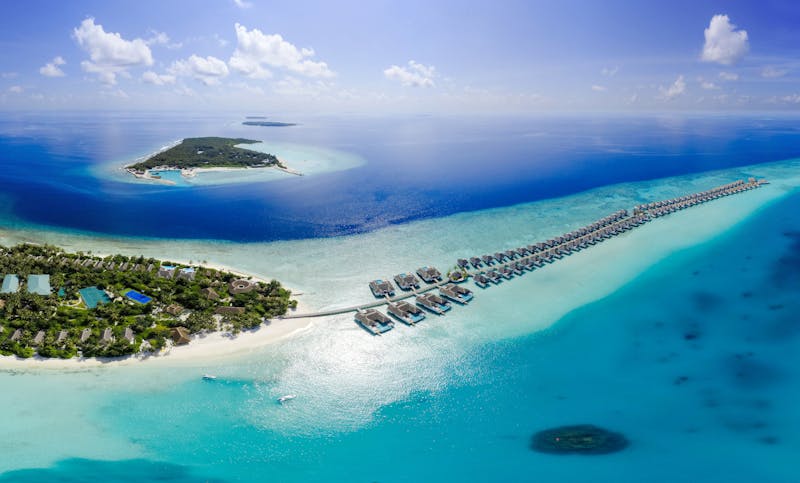
Board a traditional wooden Turkish day boat from the central Ayvalık harbor for a full-day cruise through the 22 protected islands of the Ayvalık National Park. Boats anchor in pristine, secluded coves around Maden Island and Pınar Island for swimming and snorkeling in gin-clear waters, serving fresh lunches on board while navigating the rocky channels of the bay.
9. Çamlık Forest & Coastal Viewpoints
Located just south of the town center on a wooded peninsula jutting into the Aegean, Çamlık is blanketed in dense, fragrant pine forests that meet the sea. Dotted with historic summer villas built during the late Ottoman era, the park offers shaded walking trails, seaside tea gardens, and fresh sea breezes with lovely vistas looking back toward Cunda Island and the central harbor.

10. Sevim & Necdet Kent Library
Crowning Aşıklar Tepesi (Lovers' Hill) on Cunda Island, this restored historic stone windmill and adjoining chapel was transformed into an intimate cultural library by the Koç family. Named after Turkish diplomat Necdet Kent, the library houses thousands of rare historical volumes. The outdoor terrace beside the spinning wooden windmill sails provides one of Cunda's most picturesque panoramic viewpoints for sipping Turkish coffee.
03 Garlic stone & neoclassical craftsmanship.
Understanding the unique masonry and domestic woodwork that define Ayvalık's protected streetscapes.
The Secret of Sarımsak Taşı (Garlic Stone)
Ayvalık's historic townhouses owe their distinctive rosy, weathered appearance to a regional volcanic stone known as Sarımsak Taşı (garlic stone), quarried for centuries from the Badavut hills near Sarımsaklı. When first extracted from the earth, this volcanic ignimbrite is remarkably soft and easily carved by stonemasons using simple chisels, allowing master artisans to sculpt elaborate neoclassical pediments, classical pilasters, rosettes, and fluted window surrounds.
Upon prolonged exposure to air and salty Aegean sea winds, the stone undergoes chemical hardening, forming a durable, moisture-resistant masonry facade that has preserved these two- and three-story residences for more than 150 years. Notice the ornate cast-iron knockers (şakşak) shaped like women's hands adorned with rings that grace original wooden entry doors.
Domestic Design & Cumba Balconies
A hallmark of Ayvalık residential architecture is the dramatic cantilevered bay window (cumba) projecting outward from the upper floor supported by curved stone brackets. These bay windows served multiple practical functions in Aegean urban life: they captured refreshing afternoon sea breezes (the imbat wind) during humid summer heat, expanded living room floor space over narrow medieval streets, and allowed women inside to observe neighborhood activity while retaining complete household privacy behind louvred wooden blinds.
Many of these historic residences have been lovingly revitalized into boutique guesthouses, art galleries, and artisanal studios, allowing contemporary travelers to sleep under high timber ceilings and wake to the aroma of fresh baking and sea salt.
04 Aegean culinary culture & vegetarian feast.
Celebrating Turkey's most plant-forward dining tradition, rooted in wild herbs, cold olive oil, and fresh curds.
Zeytinyağlılar: The Cold Olive Oil Art
Ayvalık is celebrated as the culinary capital of Turkish Aegean olive oil cooking (Zeytinyağlılar). Unlike Central Anatolia where butter and meat fats dominate, Ayvalık cooking relies exclusively on locally pressed extra virgin olive oil. Vegetables are simmered gently with a touch of sugar, lemon juice, and water until tender, then cooled to room temperature, allowing the flavors of the produce and fruity olive oil to harmonize.
Must-try vegetable dishes include:
• Deniz Börülcesi: Wild marine samphire blanched and dressed with crushed garlic, lemon, and olive oil.
• Kabak Çiçeği Dolması: Delicate morning squash blossoms stuffed with herb-infused aromatic rice.
• Zeytinyağlı Enginar: Whole tender artichoke bottoms braised with baby carrots, peas, and fresh dill.
• Şakşuka: Sautéed eggplant cubes simmered in spiced sweet tomato and garlic sauce.
Ayvalık Tostu & Sweet Curd Lor Tatlısı
For quick casual meals, the town's eponymous street food is Ayvalık Tostu—a colossal pressed sandwich made from thick slices of special sourdough bread. While the standard version contains sliced sucuk and sausage, vegetarians can order Kaşarlı ve Domatesli Tost (melted yellow cheese, juicy sliced tomatoes, and pickles) pressed until golden and crunchy.
For dessert, seek out local patisseries on Talatpaşa Caddesi for Lor Tatlısı. This unique Aegean delicacy is made from fresh unsalted goat-milk curd cheese mixed with semolina, baked until golden, soaked in light lemon sugar syrup, and served topped with a generous spoonful of tart black mulberry jam (Karadut Reçeli) and mastic ice cream (Dondurma).
Curated Field Dossier & Offline Google Maps Pin Pack
Bypass tourist traps with verified local logistics, exact parking coordinates, and field-tested routes.
- ✓Exact GPS Pin Pack: Unmarked parking spots, best dawn photography vantage points, and hidden trailheads.
- ✓Crowd-Avoidance Timing Matrix: Exact hour-by-hour windows to explore with zero tourist chaos.
- ✓Vetted Local Dhabas: 100% authentic, hygiene-checked regional food stops not on commercial maps.
- ✓Scam & Overcharge Shield: Verified taxi rates, auto fares, and local guide fee guidelines.
🛡️ Personally curated by PK Gupta & the Hidden Routes research desk. Delivered directly to your Email & WhatsApp within 4–8 hours.
04 Ayvalik practical travel FAQs.
Essential details on arrival routes, Cunda transit, best seasons, and ferry hops to Greece.
What is the best way to reach Ayvalik?
The nearest airport is Balıkesir Koca Seyit Airport (EDO) in Edremit, located 40km north, with daily domestic flights from Istanbul (IST & SAW) via Turkish Airlines and Pegasus. Havaş airport shuttles connect EDO to Ayvalık otogar in 45 minutes. Alternatively, fly into Izmir Adnan Menderes Airport (ADB), from where direct intercity buses (Kamil Koç, Pamukkale) run to Ayvalık in approximately 2.5 hours along the coastal highway.
Can I take a day trip to Greece from Ayvalik?
Yes! The Greek island of Lesbos (Mytilene) lies just 9 nautical miles across the strait. Fast passenger catamarans and car ferries operate daily between Ayvalık customs port and Mytilene port from May through October, with a crossing time of roughly 45 minutes. Indian passport holders must possess a valid multiple-entry Schengen visa to board the ferry to Greece.
How do I travel between Ayvalik town and Cunda Island?
Frequent public dolmuş minibuses depart Ayvalık central square every 10 to 15 minutes, crossing the scenic causeway and first strait bridge to Cunda harbor in approximately 15 minutes for less than 25 TRY. During the summer season, charming small passenger ferry boats also run regular shuttle services between Ayvalık waterfront and Cunda harbor across the bay.
How many days are recommended for Ayvalik?
A stay of 2 to 3 days is ideal. Spend Day 1 exploring the historic Greek stone quarters of Ayvalık town, visiting olive oil mills, and catching sunset from Şeytan Sofrası. Spend Day 2 thoroughly enjoying Cunda Island, its museums, and waterfront dining. If staying a third day, take a full-day boat cruise through the 22 islands or relax at Sarımsaklı Beach.