While Istanbul captivates the world with its imperial Byzantine domes and Bosphorus glamour, Ankara commands the political and intellectual soul of modern Turkey. Chosen as the capital of the nascent republic in October 1923 by Mustafa Kemal Atatürk, Ankara replaced centuries of Ottoman dynastic rule with a bold, secular vision. Set upon the rolling steppes of the central Anatolian plateau, this metropolis of five million residents weaves cutting-edge high-speed rail infrastructure and grand Bauhaus-inspired avenues with an archaeological lineage extending back 3,000 years through the Bronze Age Hittites, Phrygians, Roman emperors, and Seljuk sultans.
- 🛂 Visa Protocol: Indian passport holders carrying a valid visa or residence permit from the United States, United Kingdom, Schengen Zone, or Ireland can secure an official 30-day Turkish e-Visa online in under five minutes at
evisa.gov.tr. For full application details, document rules, and sticker visa procedures, consult our dedicated Turkey Visa Guide. - 🚆 High-Speed Rail (YHT): Ankara Central Station (Ankara Gar) serves as Turkey's premier high-speed rail junction. Modern Yüksek Hızlı Tren trains connect Ankara to Istanbul in 4 hours 20 minutes and to Konya in 1 hour 45 minutes, offering an immensely comfortable alternative to domestic flights.
- 🚌 Airport Transit: Esenboğa Airport (ESB) sits 28 kilometers northeast of the city center. The official Belko Air coach operates every 30 minutes 24/7 directly between the terminal and Kızılay central square as well as the AŞTİ central bus terminal.
- 🥗 Vegetarian Dining ("Etsiz"): Clarify orders at traditional lokantas with the Turkish phrase "Etsiz olsun lütfen" (without meat, please) and ask "Et suyu var mı?" (is there meat broth?). Enjoy piping hot Kaşarlı Pide (melted cheese flatbread), Mercimek Çorbası (red lentil soup), and fresh seasonal meze plates.
- 🧭 Country Hub & Network: Link Ankara into a wider Anatolian journey through our comprehensive Turkey Travel Hub, connecting directly with Cappadocia and Konya.
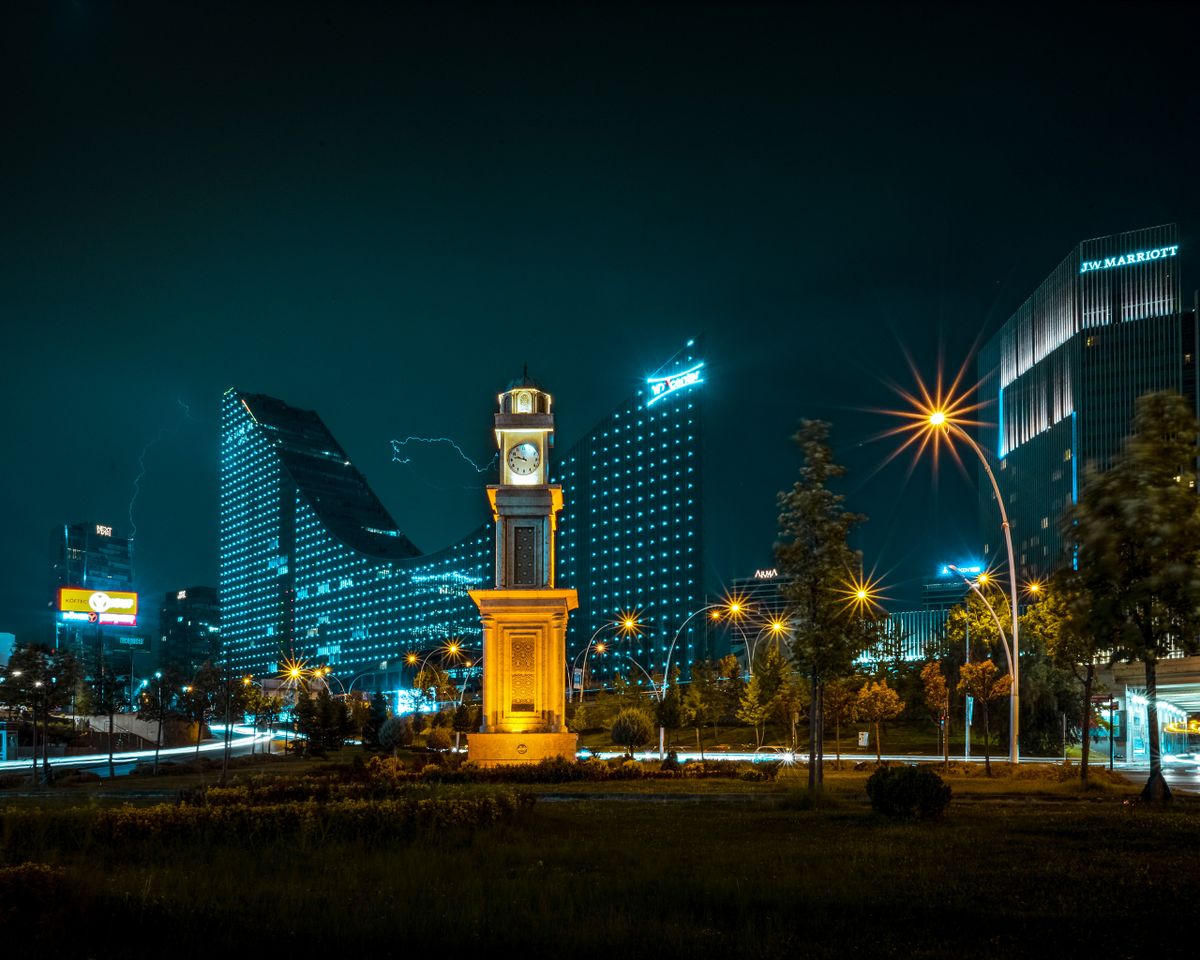 Ankara · Turkey
01 The Anatolian cradle
Ankara’s designation as the capital of Turkey on 13 October 1923 was a watershed moment in Middle Eastern geopolitical history. Weary of the maritime vulnerability of Ottoman Istanbul—which had been occupied by Allied military forces following the First World War—Mustafa Kemal Atatürk chose a rugged rail-junction settlement on the high Anatolian steppe as the command post for the Turkish National Movement.
At the time of the declaration, Ankara was an arid, dusty town of roughly 20,000 inhabitants clustered defensively around a basalt citadel. Over the ensuing two decades, European architects and modernist urban planners, notably German urban designer Hermann Jansen, laid out a radical new capital based on functionalist garden-city principles. Long, sweeping ceremonial boulevards such as Atatürk Bulvarı carved through the plain, flanked by monumental stone ministries, open public parks, performance conservatories, and diplomatic embassies. The city became the living laboratory of early republican secularism, architectural experimentation, and state-led industrial progress.
Yet Ankara's modernism is built upon deep archaeological foundations. Long before the Republic or the Ottoman Empire, the site was known as Ancyra. It served as a major trading crossroads for the Bronze Age Hattians and Hittites, an Iron Age fortress for the Phrygian kingdom of King Midas, a royal capital for Celtic Galatian tribes, and a thriving provincial hub under Roman Emperor Augustus. In Ankara, the visitor encounters not merely the machinery of state government, but the concentrated material memory of the entire Anatolian plateau.
02 Top ten curated attractions in Ankara.
From monumental republican mausoleums to ancient Roman baths and world-class archaeological treasures.
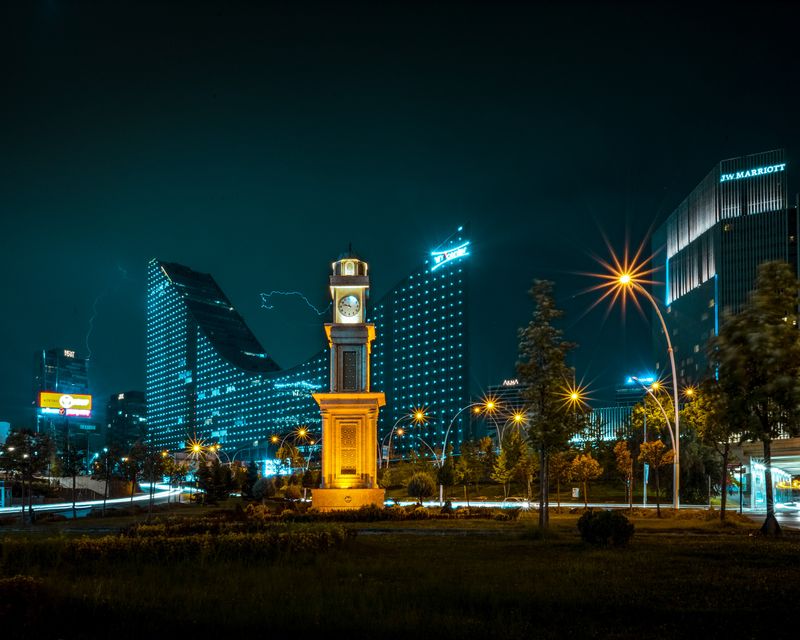
1. Anıtkabir (Atatürk Mausoleum)
The monumental resting place of Mustafa Kemal Atatürk, founder and first president of modern Turkey. Approach via the impressive 262-meter Road of Lions flanked by 24 stone Hittite-style lion statues, across the vast travertine ceremonial courtyard to the monumental Hall of Honor housing Atatürk's symbolic marble sarcophagus. The subterranean museum beneath details the War of Independence through vivid dioramas and personal effects.

2. Museum of Anatolian Civilizations
Housed in a restored 15th-century Ottoman covered bazaar near Ankara Castle, this world-renowned institution showcases human civilization from the Paleolithic era onward. Stand before 9,000-year-old Mother Goddess figurines from Çatalhöyük, intricate Hittite bronze sun discs, relief carvings from Carchemish, and grave goods from the Phrygian kingdom of King Midas at Gordion.

3. Ankara Castle (Ankara Kalesi)
Perched dramatically on a rocky promontory overlooking the historic Ulus district, Ankara's ancient citadel dates to the 7th century with layers built by Galatians, Romans, Byzantines, and Seljuks. Wander through the inner fortress village with its restored Ottoman timber-framed houses, artisan boutiques, and tea gardens, before ascending the eastern ramparts for 360-degree panoramic city views.

4. Roman Baths of Ankara (Roma Hamamları)
Constructed in the 3rd century AD by Roman Emperor Caracalla in honour of Asclepius, the classical patron of health. This sprawling open-air archaeological park features the remarkably intact hypocaust heating network (hundreds of round brick pillars that once circulated steam beneath marble floors), alongside the cold plunge pool, warm hall, and a colonnaded athletic wrestling field.

5. Kocatepe Mosque
The largest mosque in Ankara, completed in 1987 in a monumental Ottoman classical revival style reminiscent of the Sultanahmet Mosque in Istanbul. Dominated by a 48-meter central dome and four soaring 88-meter minarets, its vast interior accommodates 24,000 worshippers and features magnificent stained-glass windows, intricate ceramic tilework, and colossal crystal chandeliers.
6. Hacı Bayram Veli Mosque & Temple of Augustus
A remarkable physical juxtaposition of faith and antiquity. The 15th-century Hacı Bayram Mosque honors the founder of the Bayramiye Sufi order, renowned for its carved woodwork, Kütahya tiles, and hand-painted ceilings. Directly adjoining its wall stands the 1st-century BC Temple of Augustus and Rome, where the famed Latin inscription Res Gestae Divi Augusti (Deeds of the Divine Augustus) is preserved.

7. Rahmi M. Koç Museum Ankara
Housed within the restored 16th-century Çengelhan and Safranhan caravanserais directly opposite the citadel gate. This captivating museum chronicles the history of transport, industry, science, and communication. Highlights include antique steam engines, classic motor vehicles, vintage scientific instruments, maritime models, and a preserved workshop showcasing traditional Ottoman crafts.

8. CerModern Arts Center
Turkey's largest contemporary arts center, ingeniously repurposed from the historic 1920s railway maintenance sheds near the central train station. CerModern hosts rotating exhibitions of cutting-edge Turkish and international photography, sculpture, video art, and modern installations, set against raw industrial brickwork, steel trusses, and a lovely open-air sculpture garden.
9. Erimtan Archaeology and Arts Museum
A sophisticated boutique private museum located adjacent to the citadel entrance. The collection focuses on classical Roman, Greek, and Urartian antiquity, exhibiting stunning iridescent Roman blown glass, bronze jewelry, ceremonial vessels, and ancient cuneiform clay tablets in modern, state-of-the-art interactive display galleries accompanied by ambient soundscapes.
10. Hamamönü Historic Restored Quarter
A picturesque heritage district that preserves Ankara's 19th-century domestic architecture. Stroll along cobblestone pedestrian alleys lined with whitewashed timber-and-brick Ottoman mansions, visit the historic Karacabey Turkish bath, browse local handicrafts and silver filigree in the artisan street, and enjoy Turkish sand coffee in leafy garden courtyards.
03 Archaeological treasures of Anatolia.
Understanding the world-defining antiquities preserved across Ankara's premier institutions.
Neolithic & Bronze Age Masterpieces
The Museum of Anatolian Civilizations is globally unique because it begins where written records end. The collection opens with artifacts from the Neolithic settlement of Çatalhöyük (dating to circa 7100 BC), including the iconic clay figurine of a seated Mother Goddess flanked by two leopards, alongside wall paintings of running deer and the world's earliest known town map depicting an erupting volcano. Moving into the Early Bronze Age, the royal graves of Alacahöyük reveal astonishing bronze standards—openwork bronze discs adorned with geometric solar rays, stag figures, and bulls that symbolized cosmic order for Anatolian peoples before the advent of writing.
The Hittite Empire section displays colossal basalt orthostats carved with lions and sphinxes that guarded city gates at Hattusa and Carchemish. Glass cases contain delicate cuneiform clay tablets, including letters between Hittite queens and Egyptian pharaohs, documenting royal treaties and religious ceremonies in the earliest recorded Indo-European language.
The Phrygian Kingdom & King Midas
Equally mesmerizing are the discoveries from Gordion, the 8th-century BC Phrygian capital situated on the plains southwest of Ankara. Excavations into Tumulus MM (widely identified as the tomb of King Midas or his father Gordias) unearthed exceptionally preserved organic materials that rarely survive antiquity: intricate wooden banquet tables assembled with interlocking tongue-and-groove joints without nails, inlaid screens carved from boxwood and walnut, bronze cauldrons with siren-shaped handles, and safety-pin fibulae of pure bronze. Viewing these pieces provides tangible reality to myths of the king whose touch turned objects to gold.
Complementing these exhibits, the nearby Erimtan Archaeology Museum focuses on daily life in classical Roman Galatia, displaying iridescent blown-glass perfume vessels, gold leaf funeral crowns, engraved signet rings, and household bronze lamps that reveal the private tastes of ancient Ancyra's elite merchants.
04 Neighborhoods of Ankara.
Understanding the contrast between ancient Ulus, bustling Kızılay, and diplomatic Çankaya.
Ulus: The Ancient Citadel & Old Republic
Ulus is the historic heart of Ankara. Here the city’s ancient strata converge: the Roman Baths, the Temple of Augustus, the Citadel ramparts, and the First Turkish Grand National Assembly building where Atatürk proclaimed the Republic. Cobblers, copper-smiths, and spice merchants still trade in the bazaars winding up toward the castle. It is rougher around the edges than the southern suburbs, but packed with character and irreplaceable historic weight.
Kızılay: The Commercial Crossroads
Kızılay serves as Ankara's buzzing central nervous system. Centered on Kızılay Square and Atatürk Boulevard, this is where Ankara's metro lines intersect. The streets surrounding Karanfil and Yüksel Caddesi are packed with bookstores, stationery shops, fast-casual restaurants, and tea halls patronized by young crowds, government clerks, and shoppers. It is energetic, fully walkable, and the easiest hub for public transit connections.
Kavaklıdere & Çankaya: Embassies & Fine Dining
Stretching south from Kızılay along Atatürk Boulevard into the elevated hills of Çankaya, this affluent sector hosts international embassies, premier art galleries, upscale hotels, and the Turkish Presidential Complex. Tunalı Hilmi Caddesi is Ankara's prime shopping boulevard, while the lush green pathways of Kuğulu Park (Swan Park) offer an oasis where locals gather beneath weeping willows. The district boasts the city’s best fine-dining establishments, contemporary bistro dining, and specialty coffee roasters.
Hamamönü: The Preserved Ottoman Quarter
Nestled between Ulus and Hacettepe, Hamamönü offers an intimate look at domestic life in late Ottoman Ankara. The district was painstakingly restored by the municipality, reviving more than 200 traditional whitewashed mansions featuring protruding bay windows (cumba) and terracotta tile roofs. In the evening, soft gaslight lanterns illuminate pedestrian alleys where artisan jewelers, calligraphers, and glassblowers work, and where families gather to enjoy live Turkish classical music in courtyard garden cafés.
05 Excursions beyond the capital.
Two extraordinary day journeys exploring Phrygian antiquity and preserved Ottoman trading towns.
Gordion: The Capital of King Midas (UNESCO Site)
Located 90km southwest of Ankara near Polatlı, Gordion was inscribed on the UNESCO World Heritage list in 2023. As the royal center of the Phrygian kingdom in the 8th century BC, Gordion is steeped in legend: here King Gordias tied the famous Gordian Knot that an ambitious young Alexander the Great severed with his sword in 333 BC to fulfill a prophecy granting him mastery over Asia.
Today visitors can walk through the colossal monumental stone gatehouse of the Phrygian citadel, and walk into the heart of the Great Tumulus—an artificial earth mound soaring 53 meters high that shelters the oldest intact standing wooden chamber tomb on Earth, built around 740 BC. An on-site site museum displays Phrygian bronze cauldrons, geometric textiles, and ceramic vessels. Regular trains and regional buses connect Ankara with Polatlı, from where local taxis reach the archaeological zone.
Beypazarı: Ottoman Timber Town & Silver Filigree
Nestled in a rocky river valley 100km northwest of Ankara along the historic Silk Road, Beypazarı feels like stepping back into the 19th century. The town is famous for its three-story Ottoman timber mansions with overhanging cantilevered upper floors, preserved cobblestone markets, and centuries-old tradition of telkari (delicate silver filigree jewelry crafted by hand using spun silver threads).
Beypazarı is also celebrated for its unique local food culture: it produces 60% of Turkey's carrot harvest, leading to specialty carrot delights (Havuç Lokumu), freshly pressed carrot juices, and crisp baked butter biscuits (Beypazarı Kurusu) with an astonishing one-year shelf life. Regular minibuses depart Ankara's Etlik garage every hour, making it an easy, rewarding day retreat.
06 Ankara culinary culture & vegetarian dining.
From Ankara's iconic street simit to regional meze spreads and meatless dining essentials.
Ankara Simidi: The Dark Molasses Ring
Do not leave Ankara without tasting the local version of Turkey’s iconic sesame bread ring. Unlike the lighter, fluffier simit found in Istanbul, Ankara Simidi is submerged in diluted grape molasses (pekmez) before being coated in toasted sesame seeds and baked in high-heat stone ovens. The result is a darker, crisper, deeply caramelized crust with a chewy interior. Sold fresh by street vendors across Ulus and Kızılay every morning, it is best eaten piping hot with triangular wedges of soft cheese and hot tea.
Vegetarian Essentials: "Etsiz" Survival
Traditional Anatolian eateries (Lokanta) cater generously to vegetable lovers when you know what to request. Use the magic phrase: "Etsiz olsun lütfen" (make it without meat, please). Look for:
• Kaşarlı Pide: Freshly rolled, canoe-shaped stone flatbread filled with bubbling yellow sheep's milk cheese.
• Menemen: A comforting pan-cooked breakfast of eggs, tomatoes, green peppers, and butter.
• Mercimek Çorbası: Creamy red lentil soup served with lemon wedges and chili flakes (confirm: "Et suyu yok değil mi?").
• Meze Selection: Acılı ezme (chili-walnut dip), Haydari (strained garlic herb yogurt), and stuffed vine leaves.
Traditional Lokantas in Ulus
For authentic midday dining, step into historic tradesmen’s restaurants (Esnaf Lokantası) around Ulus and Hamamönü. Glass steam counters display freshly cooked trays of braised green beans in olive oil (Taze Fasulye), stewed eggplant with tomatoes (İmam Bayıldı), and warm chickpeas in sauce (Nohut). You point to what looks appealing, take a seat, and enjoy hearty, home-style Anatolian cooking at very modest prices.
Tea & Coffee Traditions
Ankara takes its social beverage rituals seriously. In the restored courtyards of Hamamönü, you will encounter vendors brewing Turkish coffee on trays of heated sand (Kumda Kahve), allowing the copper pot (cezve) to heat evenly and produce a thick, velvety crema. Pair this with traditional Turkish delight (lokum) flavored with rosewater or double-roasted pistachios.
06 Seasonal climate & packing strategy.
Navigating the dry continental extremes of the high Anatolian steppe across the calendar year.
High Steppe Seasons: What to Expect
Sitting at an altitude of approximately 938 meters above sea level in the interior plateau, Ankara experiences a semi-arid continental climate characterized by sharp seasonal contrasts. Unlike Mediterranean Antalya or coastal Izmir, Ankara has low humidity year-round. Summers (late June through August) are hot, dry, and luminous, with daytime highs frequently reaching 32°C to 36°C, though evenings cool down refreshingly into the high teens.
Spring (April and May) and Autumn (September and October) offer the most pleasant conditions for outdoor archaeological exploration and urban strolling. Expect daytime temperatures between 18°C and 24°C with minimal rainfall. Winters (December through February) are distinctly cold, with temperatures regularly dropping below freezing at night (-5°C to -10°C) and occasional snowfall blanketing the citadel ramparts and Anıtkabir ceremonial square in dramatic white.
Essential Packing Checklist
Travelers heading to the capital should pack with altitude and cultural conservatism in mind:
• Sturdy Walking Shoes: Worn-in sneakers or comfortable walking boots with gripping soles are essential for navigating the steep, cobblestone inclines and uneven basalt pathways of the Ankara Castle citadel.
• Breathable Modest Clothing: Respectful, covered attire (lightweight cotton trousers, long-sleeve shirts, and linen maxi skirts) ensures effortless admission to active sacred sanctuaries such as Kocatepe and Hacı Bayram Veli.
• Layering Essentials: Even during summer months, carry a light jacket or merino cardigan for breezy high-altitude evenings and air-conditioned government museum galleries.
• Personal Daypack Scarf: Female visitors should keep a compact silk or cotton scarf readily accessible in their daypack for sacred monument entries.
Curated Field Dossier & Offline Google Maps Pin Pack
Bypass tourist traps with verified local logistics, exact parking coordinates, and field-tested routes.
- ✓Exact GPS Pin Pack: Unmarked parking spots, best dawn photography vantage points, and hidden trailheads.
- ✓Crowd-Avoidance Timing Matrix: Exact hour-by-hour windows to explore with zero tourist chaos.
- ✓Vetted Local Dhabas: 100% authentic, hygiene-checked regional food stops not on commercial maps.
- ✓Scam & Overcharge Shield: Verified taxi rates, auto fares, and local guide fee guidelines.
🛡️ Personally curated by PK Gupta & the Hidden Routes research desk. Delivered directly to your Email & WhatsApp within 4–8 hours.
07 Ankara practical travel FAQs.
Essential details on high-speed rail, weather, local cards, and onward routing.
How do I travel by high-speed train from Istanbul to Ankara?
Turkish State Railways (TCDD) runs the sleek YHT high-speed trains between Istanbul (Söğütlüçeşme, Bostancı, and Pendik stations on the Asian side, as well as select services from Halkalı on the European side) and Ankara Gar. Trains operate roughly 10 times daily, covering the 530km journey in approximately 4 hours and 20 minutes. Tickets can be booked up to 30 days in advance via the official TCDD portal or mobile app. Business class features spacious seating with complimentary light refreshments.
What is the best way to get around Ankara locally?
Ankara’s public transit network consists of the Ankara Metro (lines M1-M4) and the Ankaray light rail system. Purchase a contactless Ankarakart at metro station kiosks or ticket vending machines, which can be topped up with cash or bank cards. For short trips up to the Citadel or between Ulus and Kızılay, official yellow metered taxis are plentiful and generally reliable.
How many days are needed to explore Ankara?
A stay of 2 to 3 days is optimal for most international travelers. Dedicate Day 1 to the Museum of Anatolian Civilizations, Ankara Castle, and Hamamönü. Spend Day 2 at Anıtkabir, the Roman Baths, and Kocatepe Mosque. If you have a third day, undertake an excursion to the ancient Phrygian capital of Gordion or explore the modern art galleries and parks of Çankaya.
How does Ankara connect to Cappadocia and Konya?
Ankara is the natural transit hinge of Central Anatolia. The YHT train connects Ankara directly to Konya in just 1 hour and 45 minutes. To reach Cappadocia (Göreme/Nevşehir), comfortable intercity coaches (such as Kamil Koç, Metro Turizm, or Pamukkale) depart AŞTİ bus terminal every hour, reaching Nevşehir in approximately 4 hours along smooth highway corridors.