 Central Biome
Official TR
Central Biome
Official TR
Madhya Pradesh
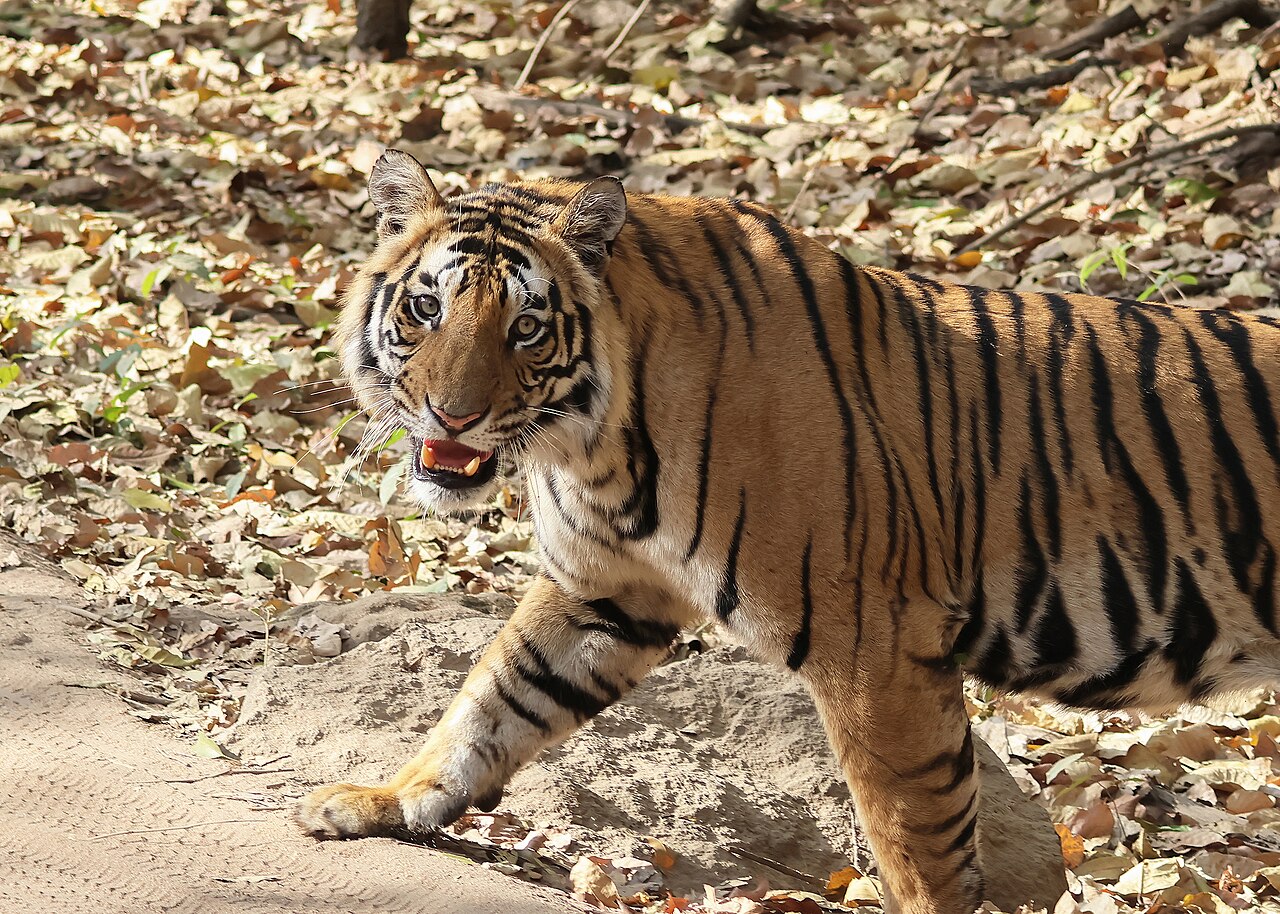
Bandhavgarh Tiger Reserve
Famous for Tala, Magdhi, and Khitauli core zones, 2,000-year-old fort, and high tiger density.
An exhaustive, field-verified guide to all 55+ notified wild tiger sanctuaries in India. Discover core safari zone permits, real-time sighting probability indexes, official booking portals, and seasonal tracking blueprints.
Select your target month, preferred landscape terrain, and safari mode to calculate real-time tiger sighting probability scores and recommended core reserves across India.
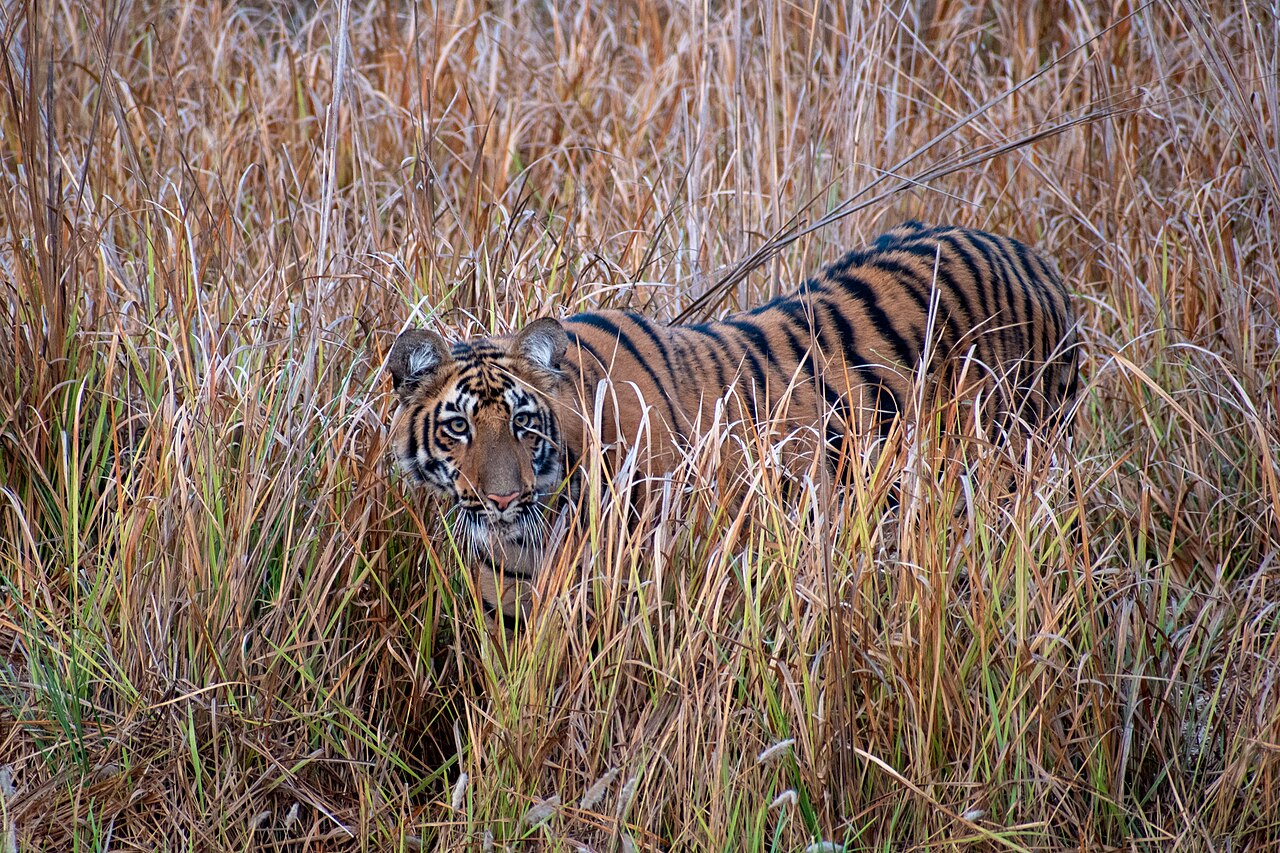
May in Dry Deciduous terrain (Tadoba / Bandhavgarh / Ranthambore) represents peak tiger activity. Tigers spend up to 6 hours submerged in shaded saucers and lakes. Book Tala (Bandhavgarh) or Moharli (Tadoba) morning slots immediately.
Filter by ecological biome to explore core gate details, booking permit windows, tiger density ratings, and direct links to comprehensive field guides.
Central Biome
Official TR
Famous for Tala, Magdhi, and Khitauli core zones, 2,000-year-old fort, and high tiger density.
 Central Biome
Official TR
Central Biome
Official TR
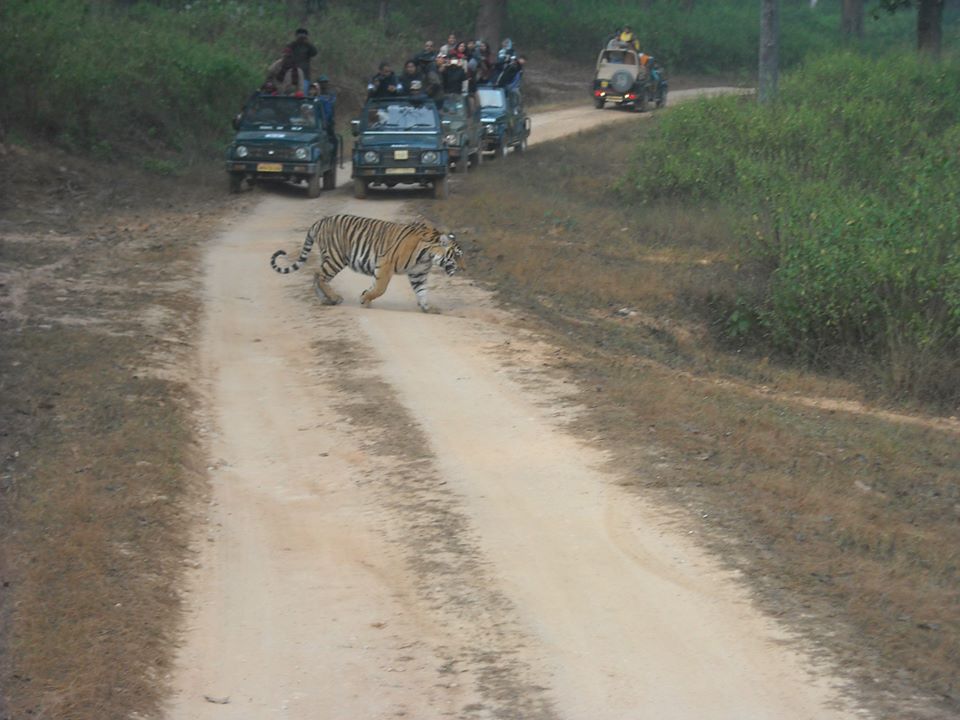
Iconic sal forests and open meadows, inspiration for Kipling's Jungle Book, home of hard-ground Barasingha.
 Central Biome
Official TR
Central Biome
Official TR
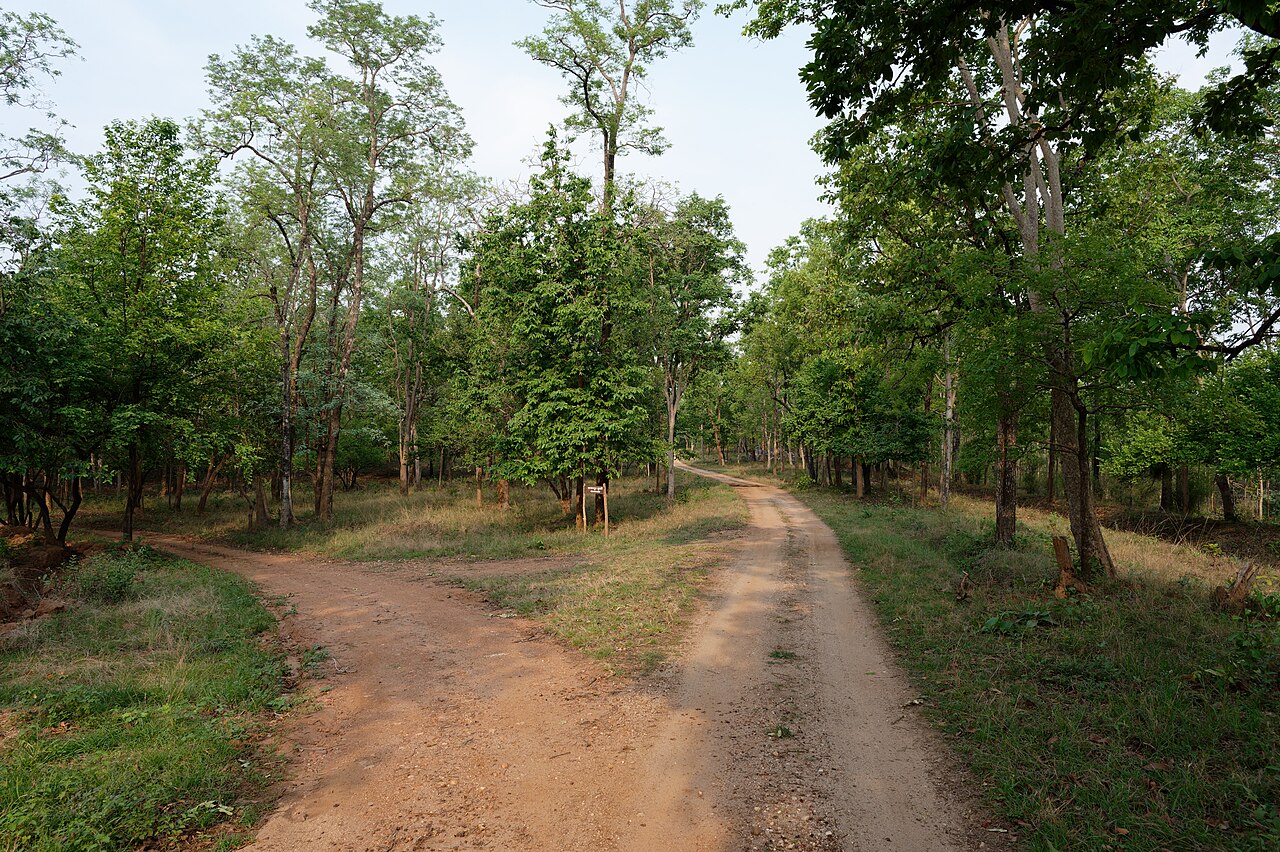
Teak forest landscape straddling MP and Maharashtra along the Pench River.
 Central Biome
Official TR
Central Biome
Official TR
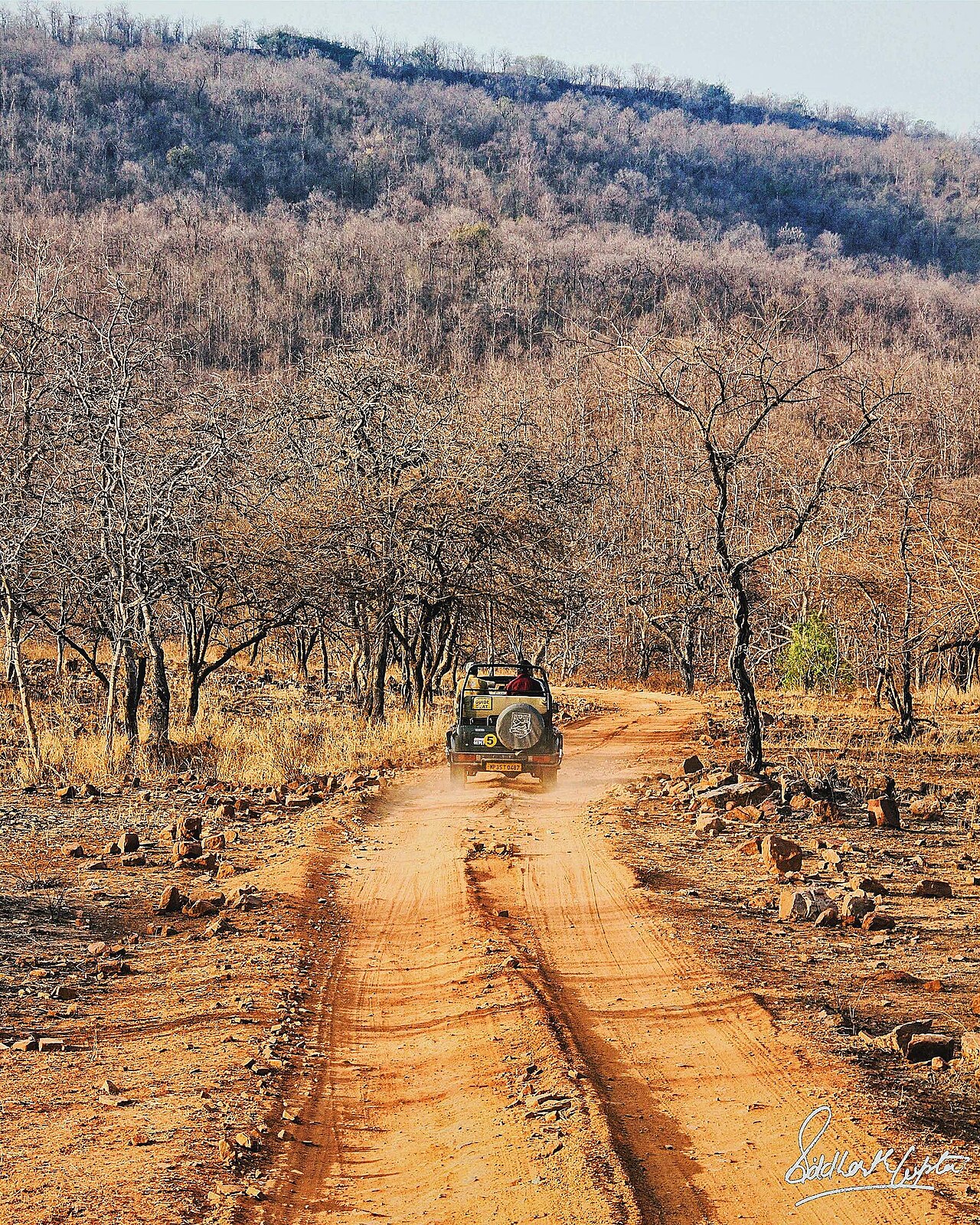
Ken River gorge landscape, famous tiger reintroduction success story, and vulture nesting cliffs.
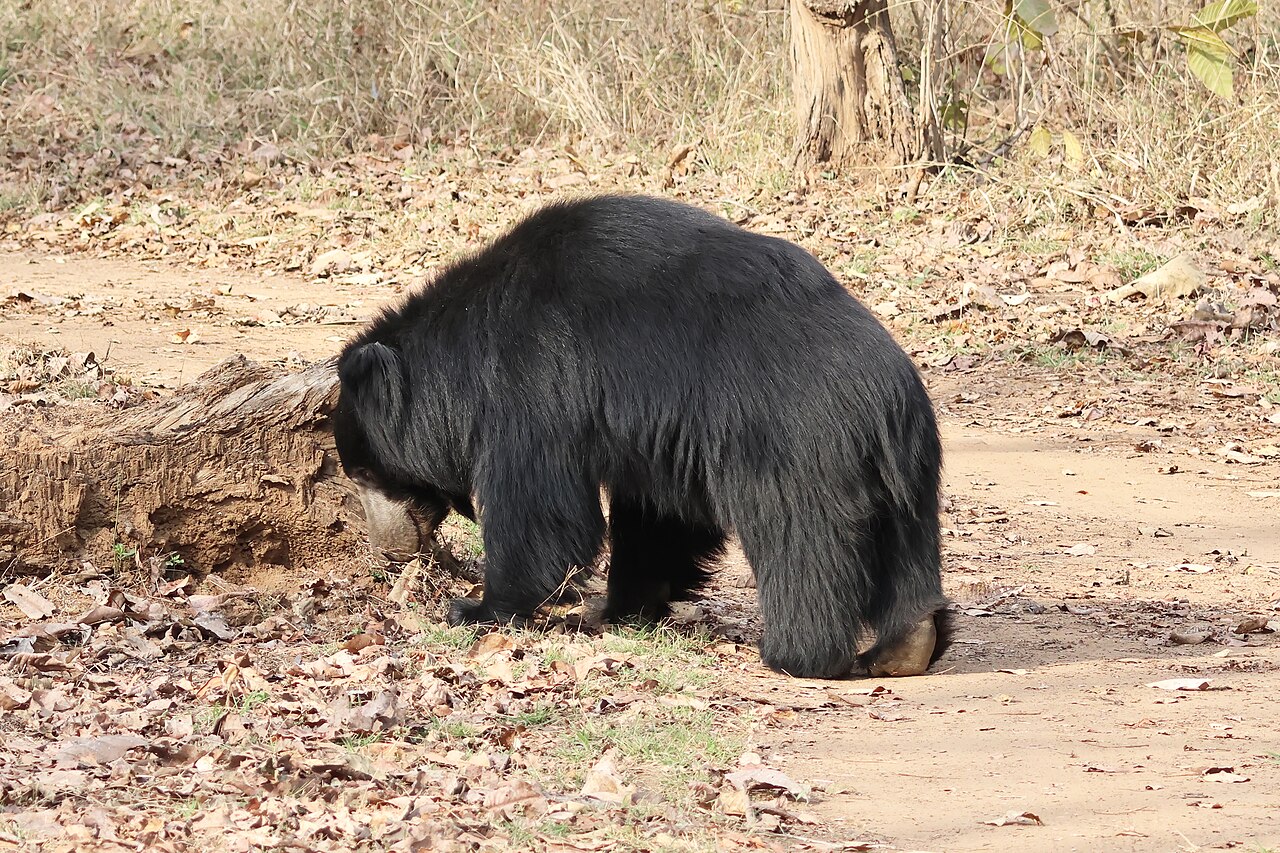 Central Biome
Official TR
Central Biome
Official TR
Rugged sandstone terrain offering canoe safaris, walking treks, and Denwa backwaters.
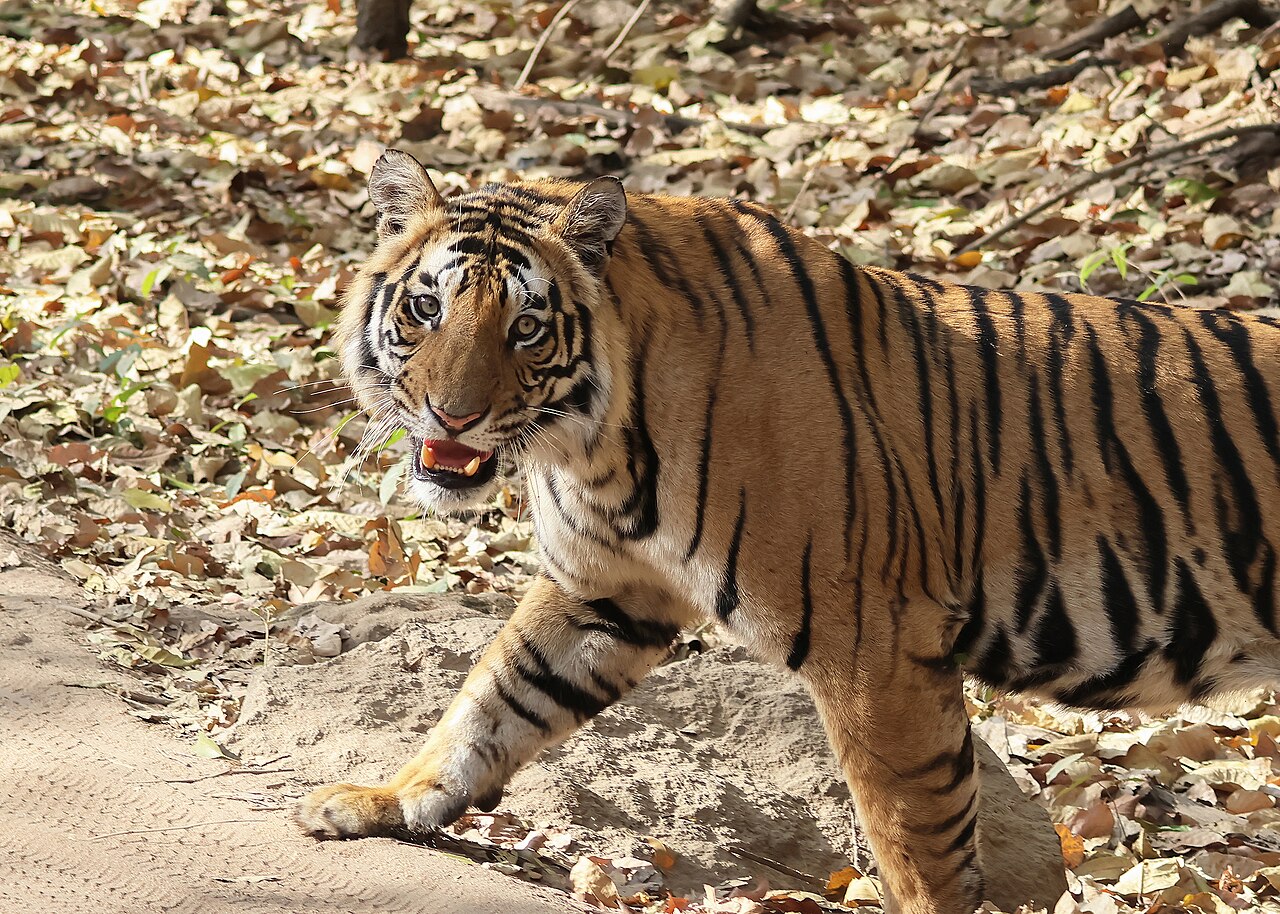 Central Biome
Official TR
Central Biome
Official TR
Unspoiled sal canopy in Sidhi district connecting Bandhavgarh with Guru Ghasidas.
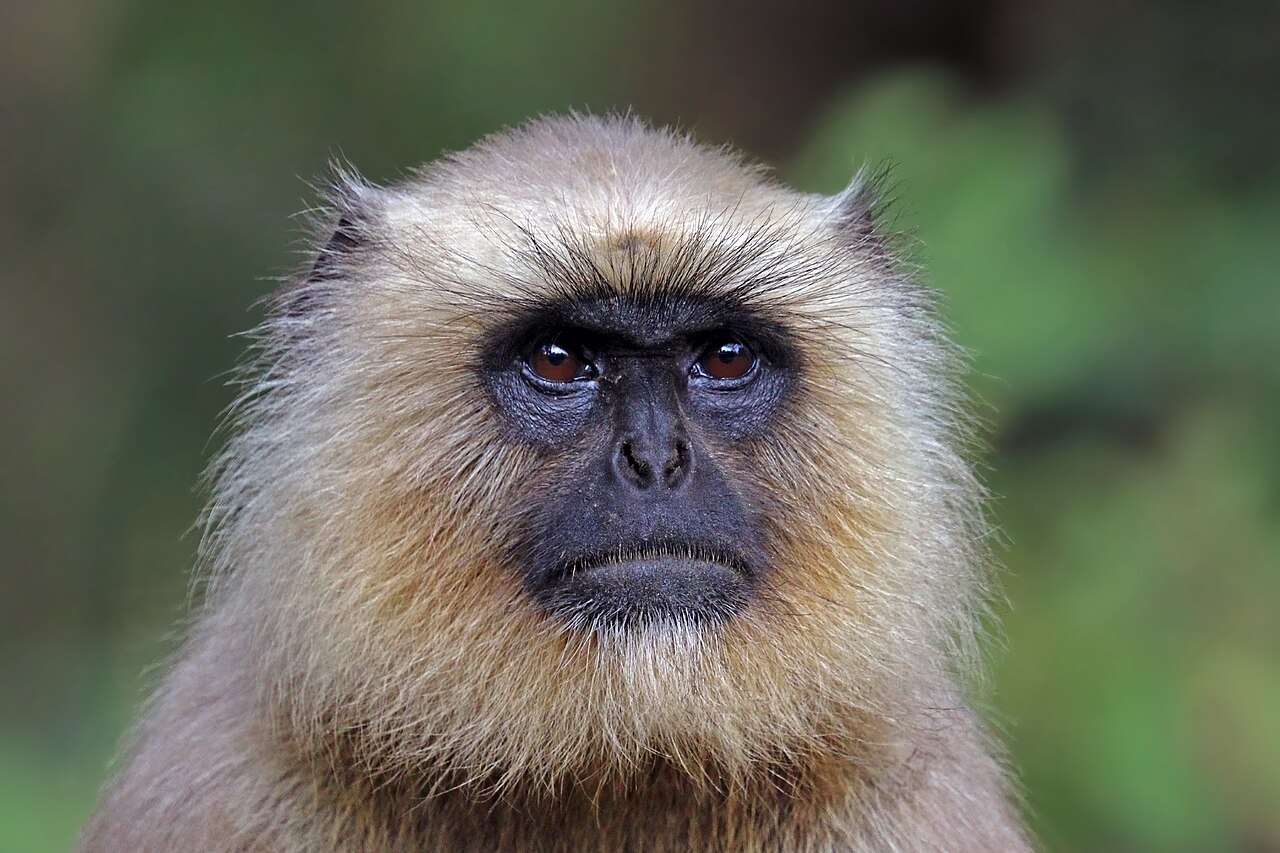 Central Biome
Official TR
Central Biome
Official TR
MP's 7th tiger reserve combining Nauradehi and Durgavati sanctuaries in Sagar-Damoh.
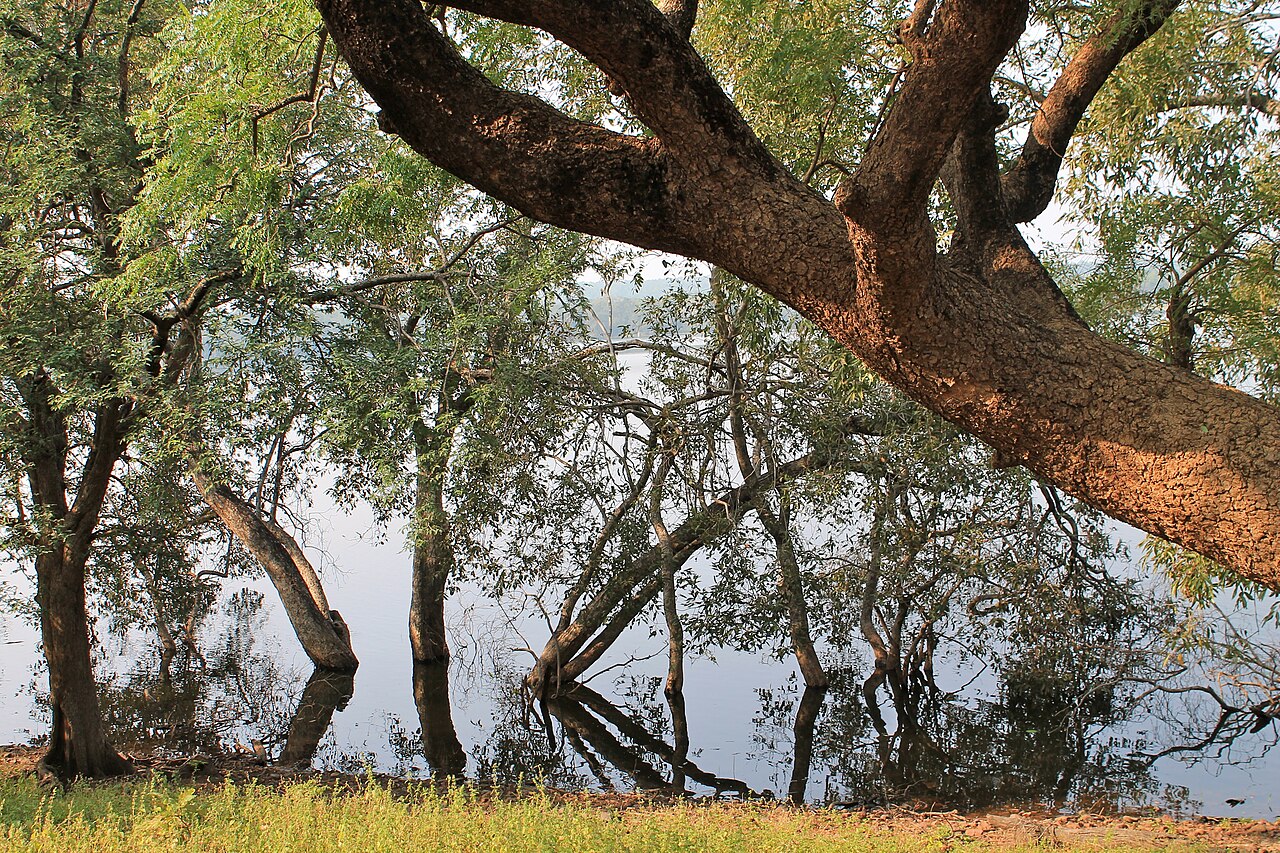 Central Biome
Official TR
Central Biome
Official TR
Jewel of Vidarbha featuring Moharli, Tadoba, and Kolsa zones with perennial water saucers.
Central Biome
Official TR
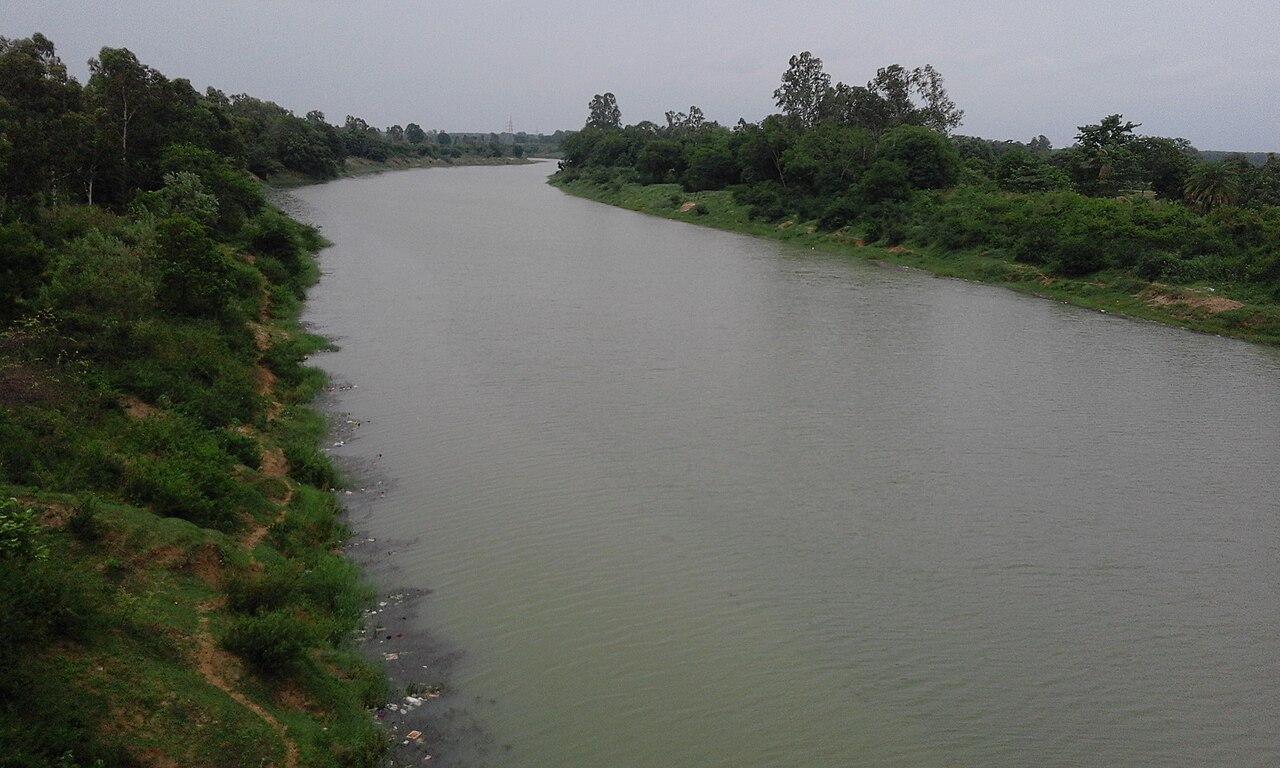
Satpura hill range reserve in Amravati district drained by the Tapti River catchment.
 Central Biome
Official TR
Central Biome
Official TR
Gondia-Bhandara tiger landscape featuring scenic lakes and hill forests.
Central Biome
Official TR
India's smallest tiger reserve serving as a vital buffer for Pench and Tadoba.
 Central Biome
Official TR
Central Biome
Official TR
Bastar wilderness protecting the endangered Wild Water Buffalo along the Indravati River.
Central Biome
Official TR
Mungeli hill sanctuary linked to Amarkantak plateau and Kanha forest corridor.
Central Biome
Official TR
Gariaband sanctuary preserving diverse sal biomes and pure wild buffalo lineage.
Central Biome
Official TR
Massive 2,829 sq km reserve in Koriya-Surajpur connecting Sanjay-Dubri in MP.
Central Biome
Official TR
One of the original 9 Project Tiger reserves notified in 1973 in Latehar district.
 Central Biome
Official TR
Central Biome
Official TR
India's largest tiger reserve by total area, spanning the Nallamala hill range along Krishna River.
Central Biome
Official TR
Northern Telangana teak-bamboo forest drained by the Godavari river basin.
Central Biome
Official TR
Sprawling Nallamala plateau reserve protecting Chenchu tribal heritage and wild tigers.
 Arid Biome
Official TR
Arid Biome
Official TR
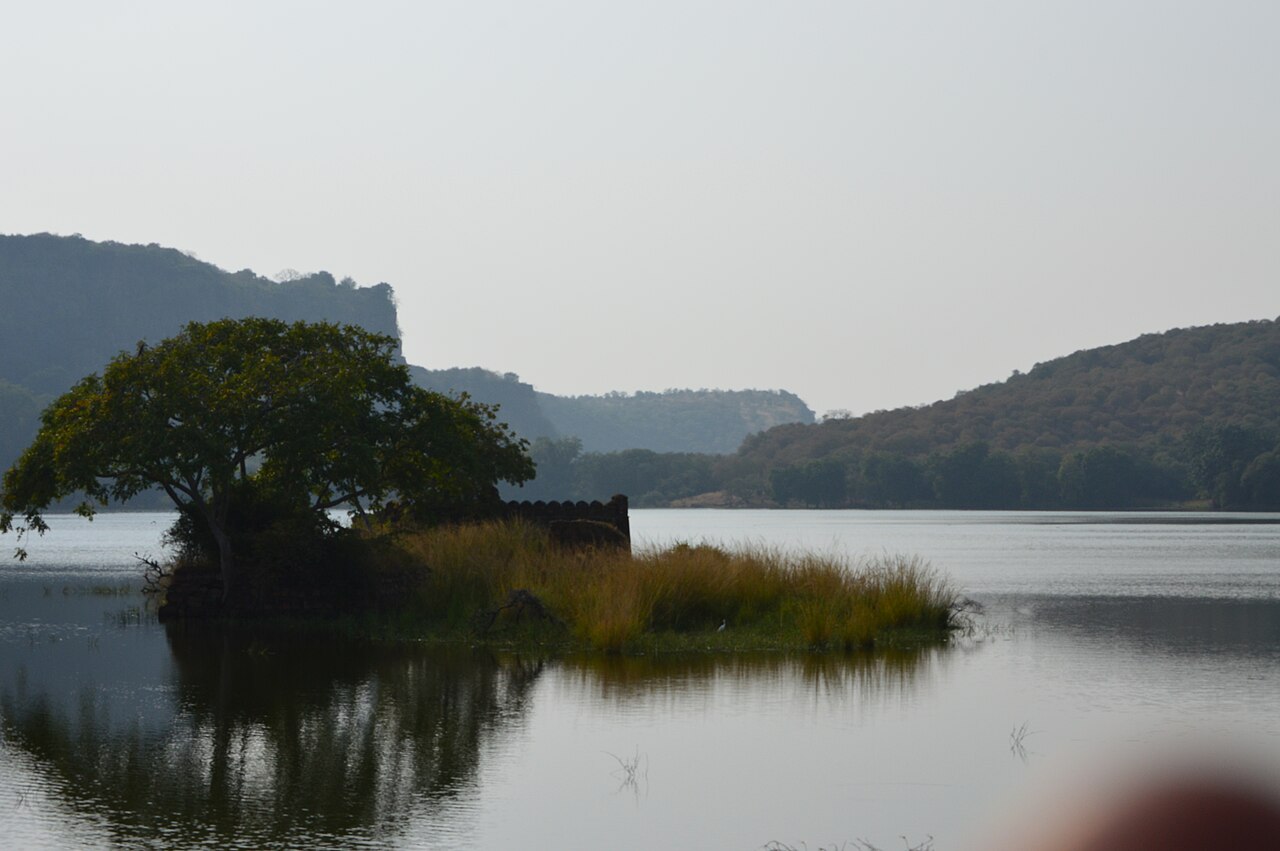
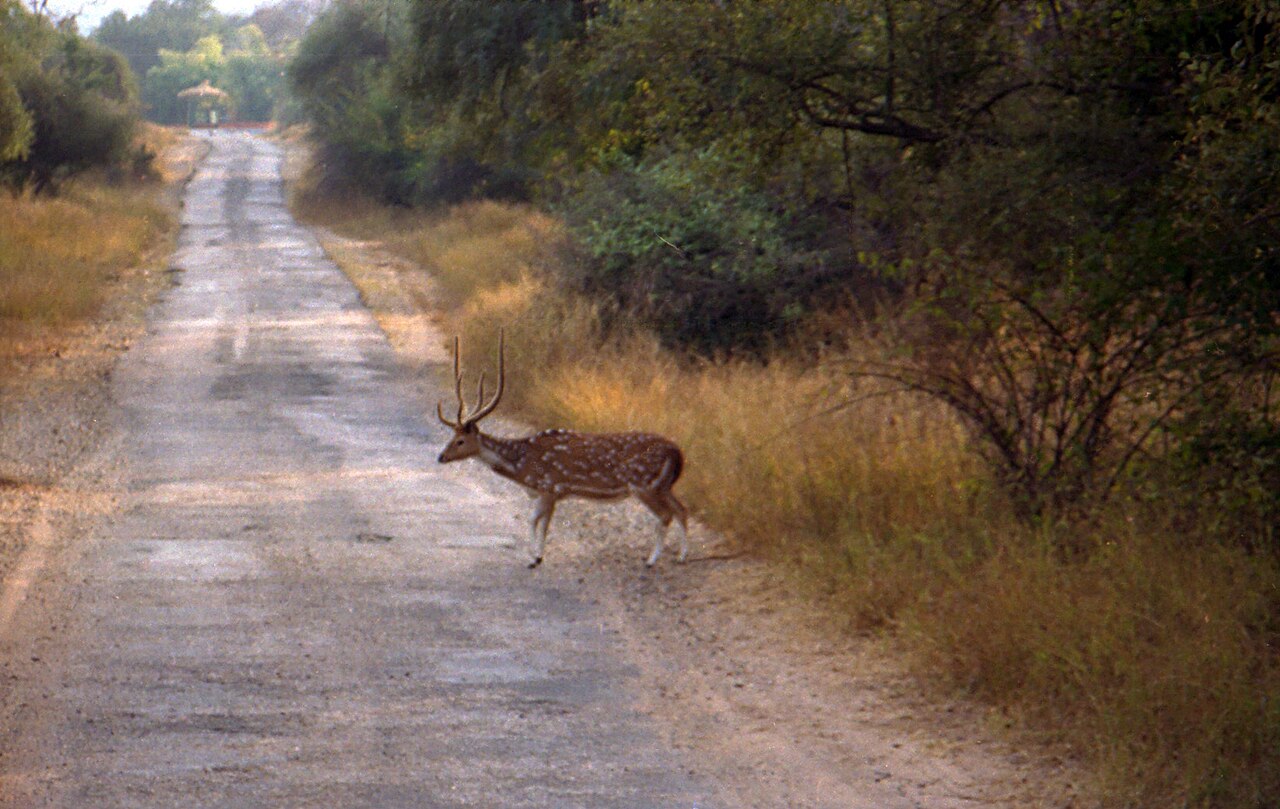
Historic fort backdrop, lakes, and dry deciduous Dhok forest famous worldwide for tiger photography.
 Arid Biome
Official TR
Arid Biome
Official TR
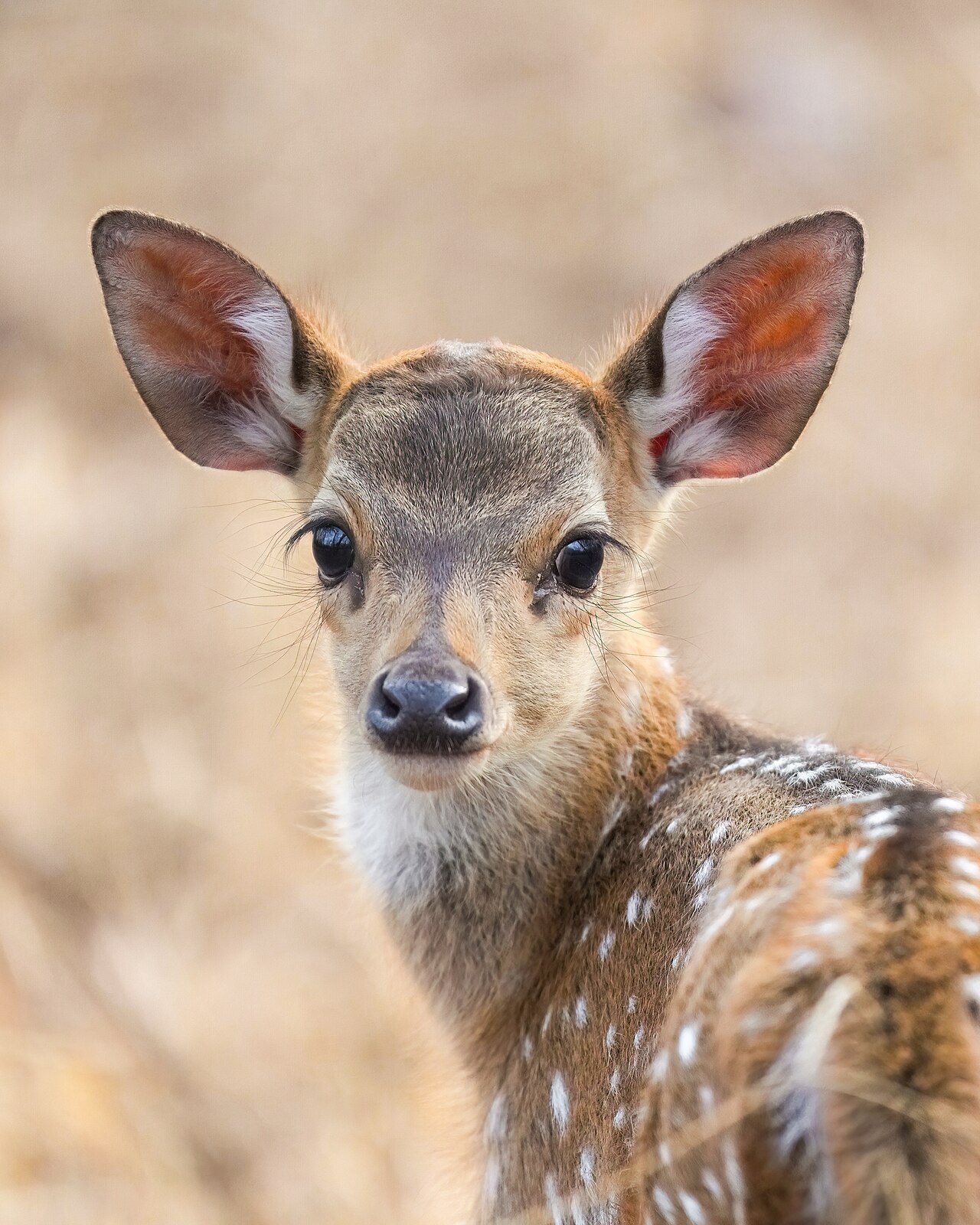
Aravalli hill valley reserve near Alwar featuring Kankwadi fort and re-established tiger population.
 Arid Biome
Official TR
Arid Biome
Official TR
Arid Biome
Official TR
Arid Biome
Official TR
Bundi sanctuary serving as a vital dispersal corridor between Ranthambore and Mukundra.
Arid Biome
Official TR
Rajasthan's 5th TR protecting Chambal river ravines and Vindhyan forest tracts.
 Terai Biome
Official TR
Terai Biome
Official TR
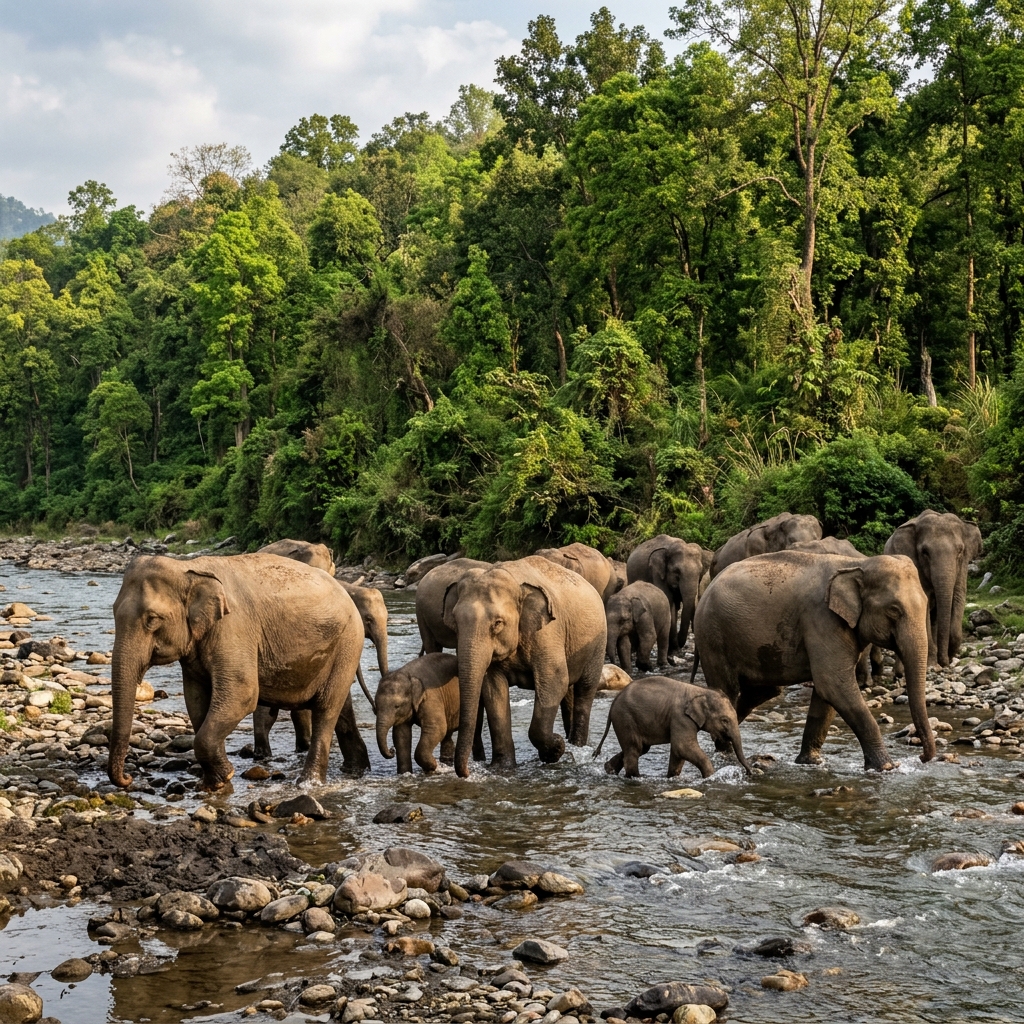
India's first national park established in 1936, world famous for Dhikala, Ramganga river, and high tiger density.
 Terai Biome
Official TR
Terai Biome
Official TR
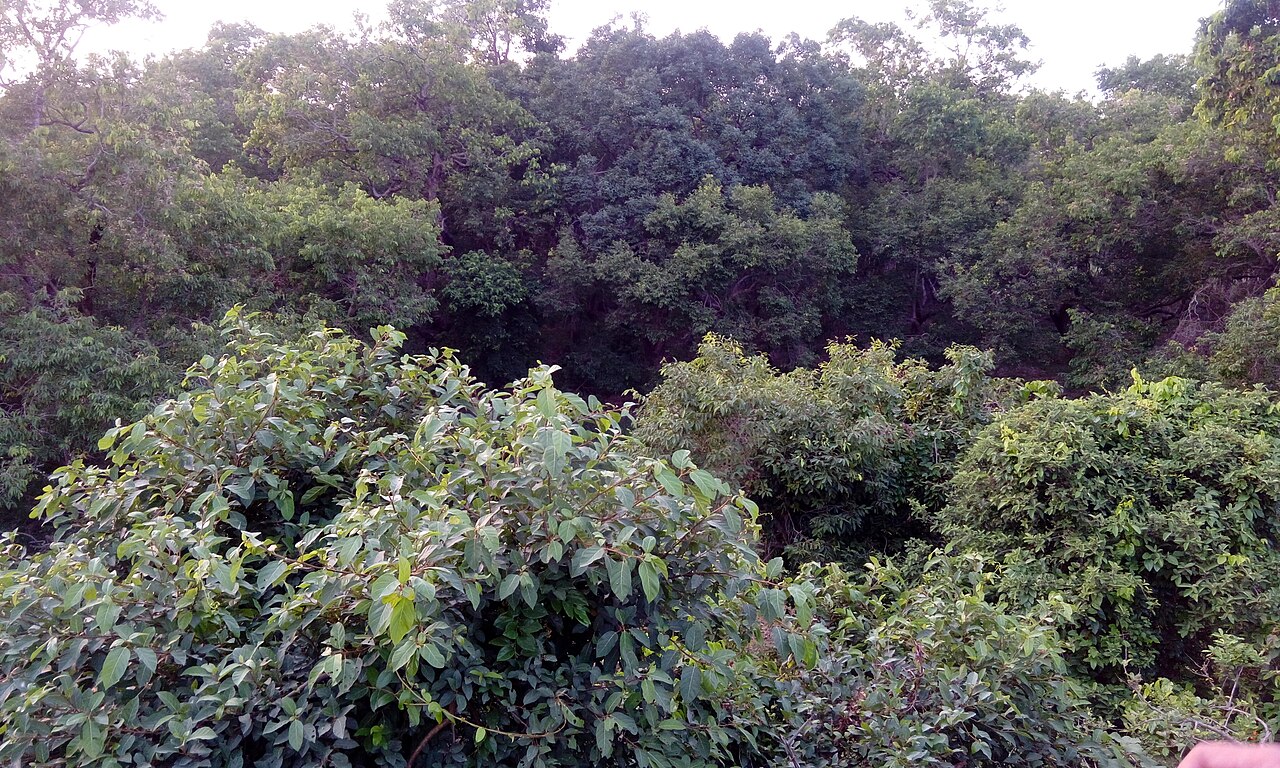
Shivalik foothill forest spanning Haridwar-Dehradun, famous for Asian elephants and tigers.
 Terai Biome
Official TR
Terai Biome
Official TR
Pristine Terai sal forest and marshy grasslands along the Nepal border in Lakhimpur Kheri.
Terai Biome
Official TR
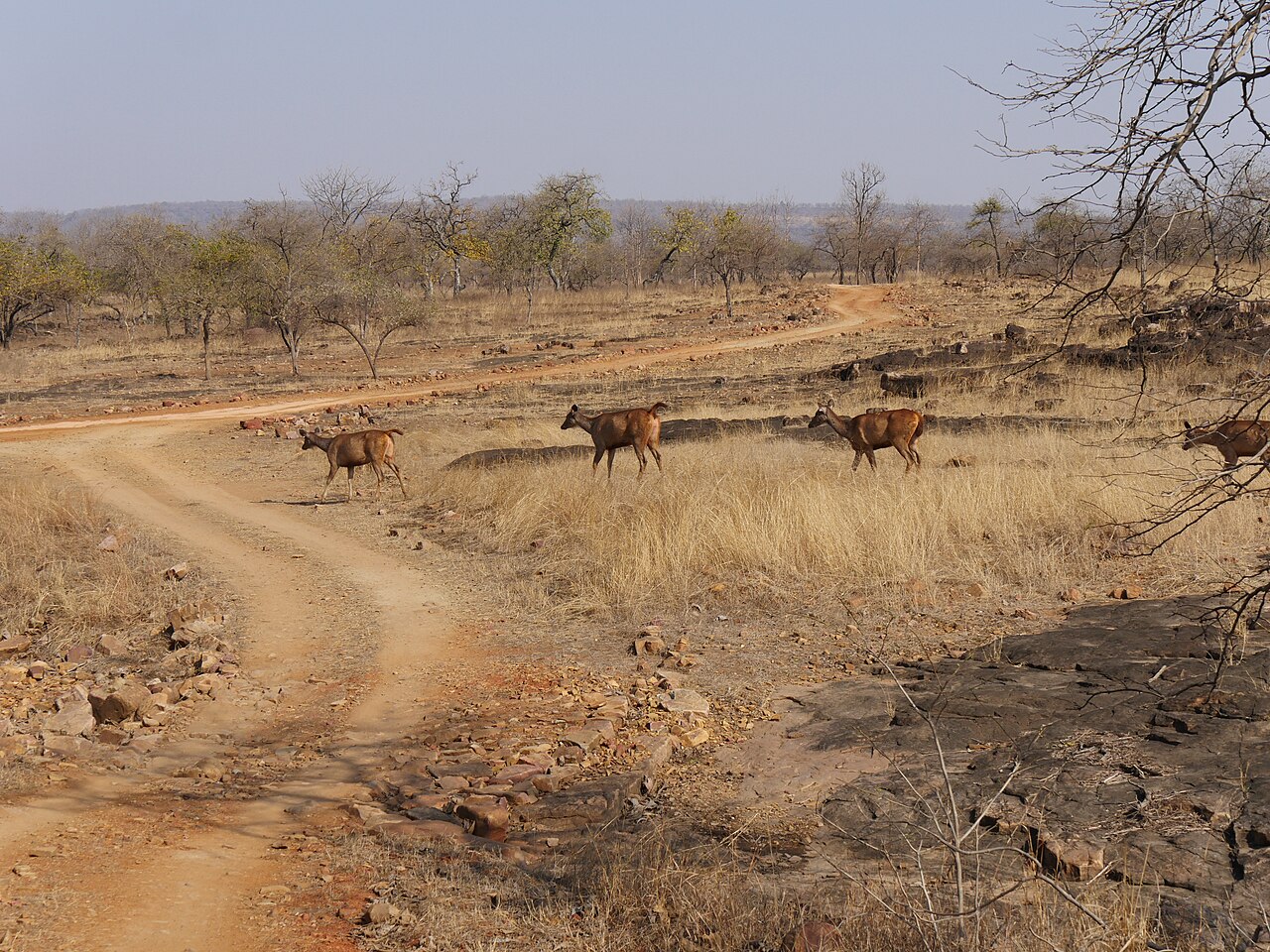
TX2 award-winning reserve in UP Terai, famous for Sharda sagar dam backwaters.
 Terai Biome
Official TR
Terai Biome
Official TR
UP's 4th tiger reserve in Chitrakoot, featuring dry deciduous Vindhyan forest.
Terai Biome
Official TR
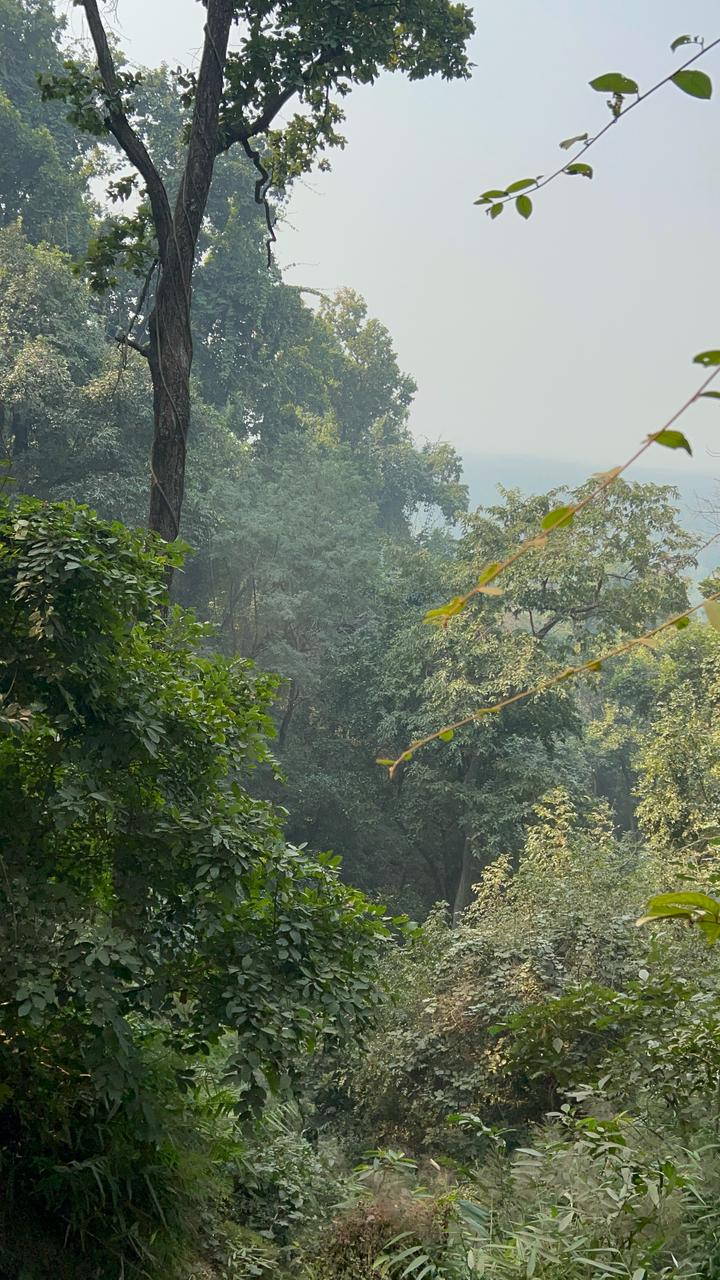
Bijnor district sanctuary forming the contiguous southern buffer zone of Corbett.
 Terai Biome
Official TR
Terai Biome
Official TR
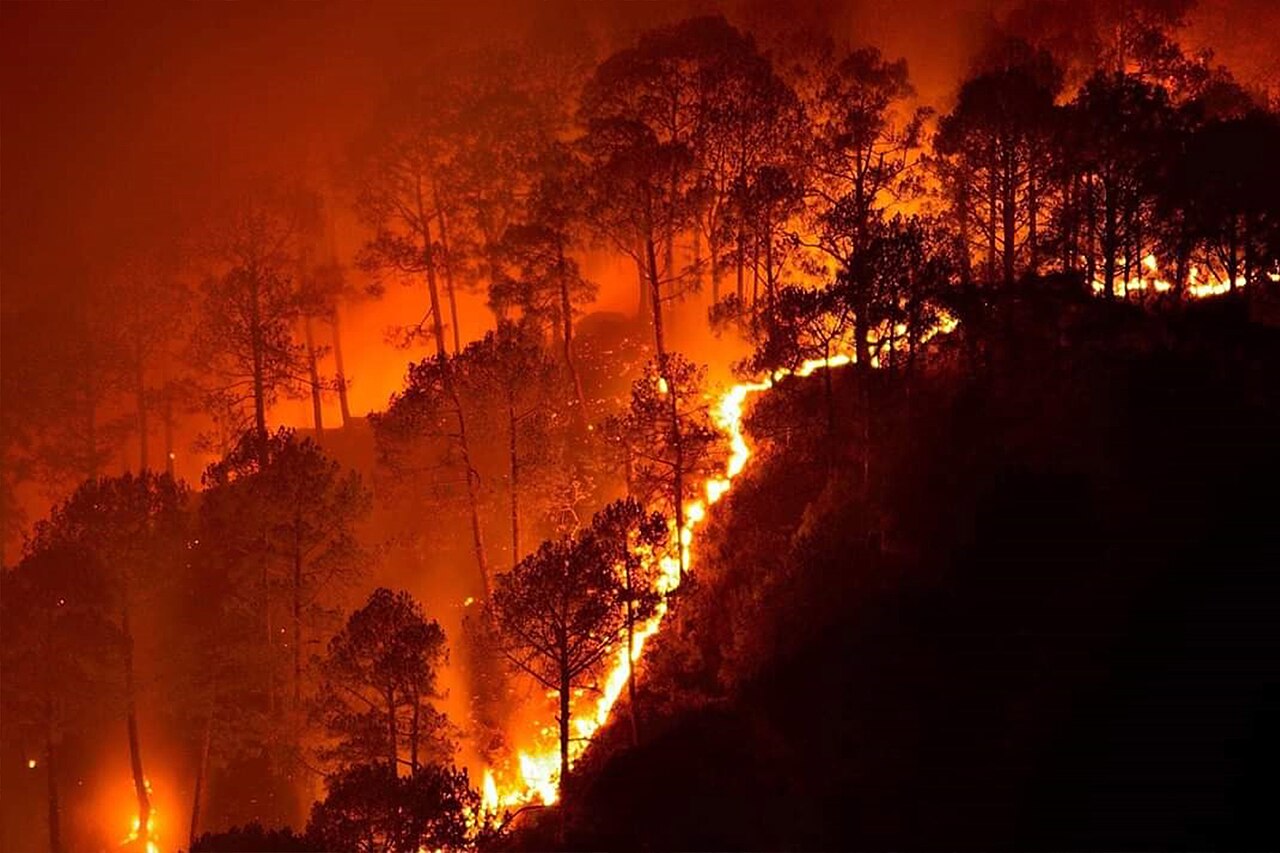
Bihar's sole tiger reserve located along the Gandak River in West Champaran.
 Ghats Biome
Official TR
Ghats Biome
Official TR
 Ghats Biome
Official TR
Ghats Biome
Official TR
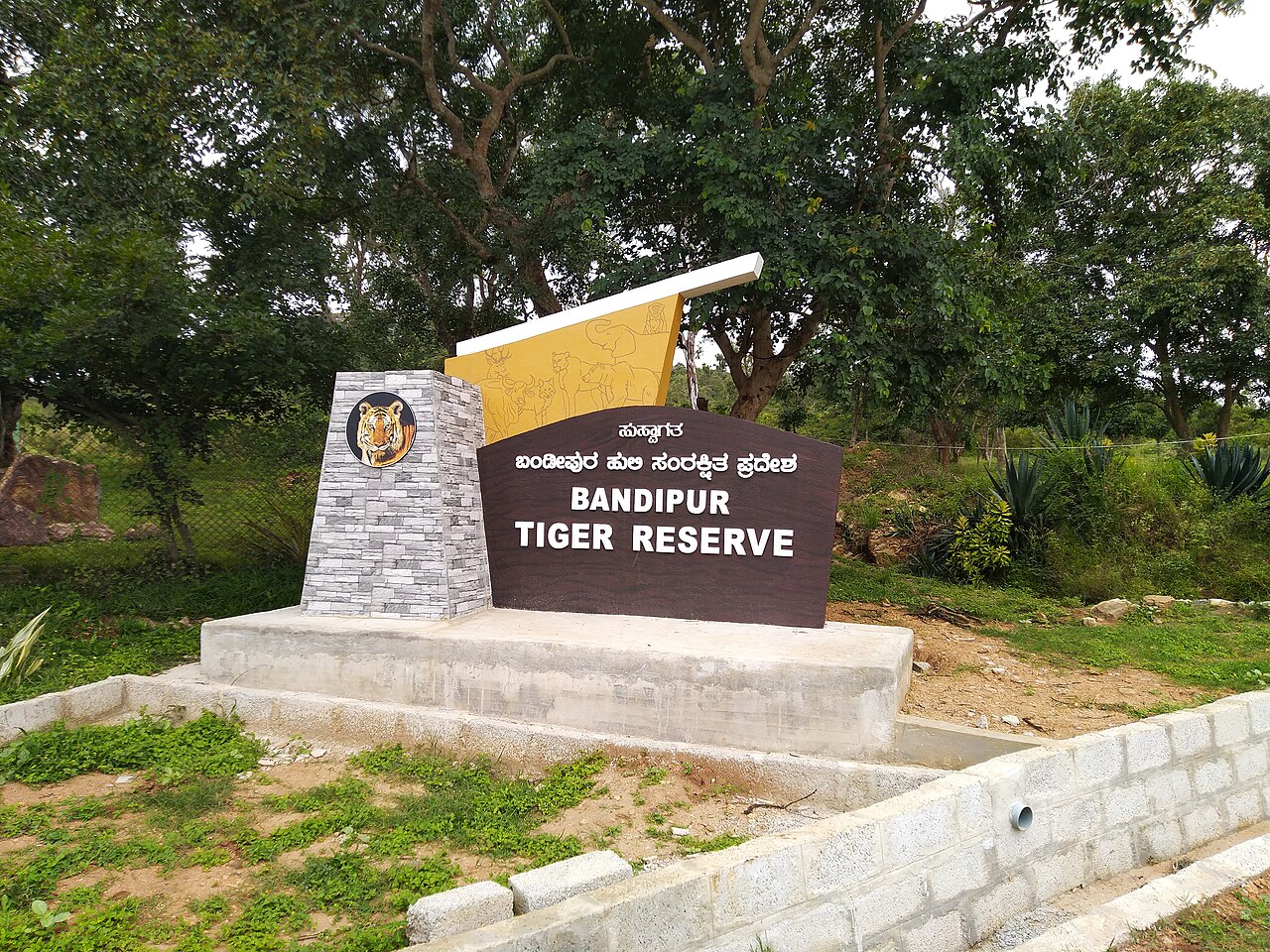
Kabini river backwaters famous for melanistic leopards, elephants, and tigers.
 Ghats Biome
Official TR
Ghats Biome
Official TR
Chikkamagaluru sanctuary surrounded by Bababudangiri hills and Bhadra reservoir.
Ghats Biome
Official TR
Anshi-Dandeli evergreen rainforest along the Kali River in Uttara Kannada.
Ghats Biome
Official TR
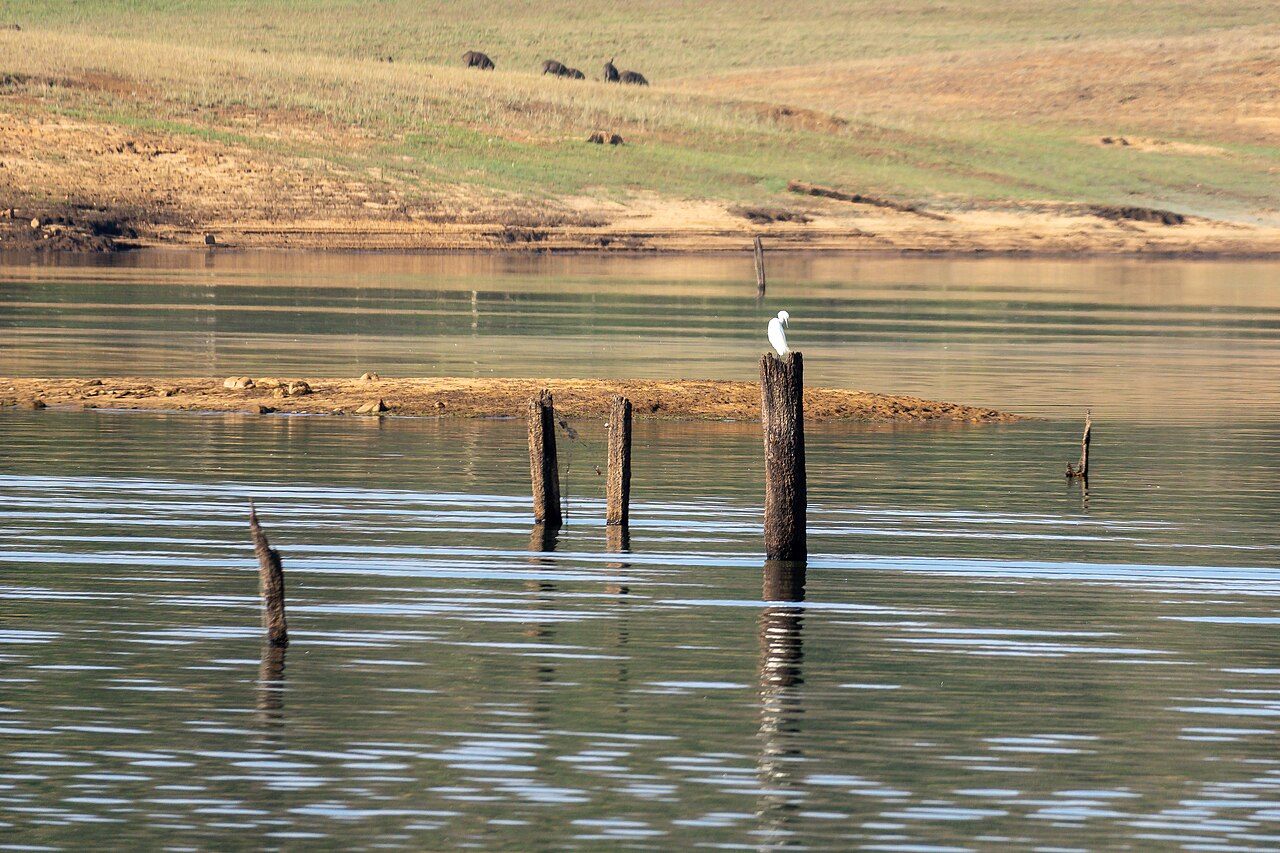
Biligiri Ranganatha Temple hills connecting the Eastern and Western Ghats.
 Ghats Biome
Official TR
Ghats Biome
Official TR
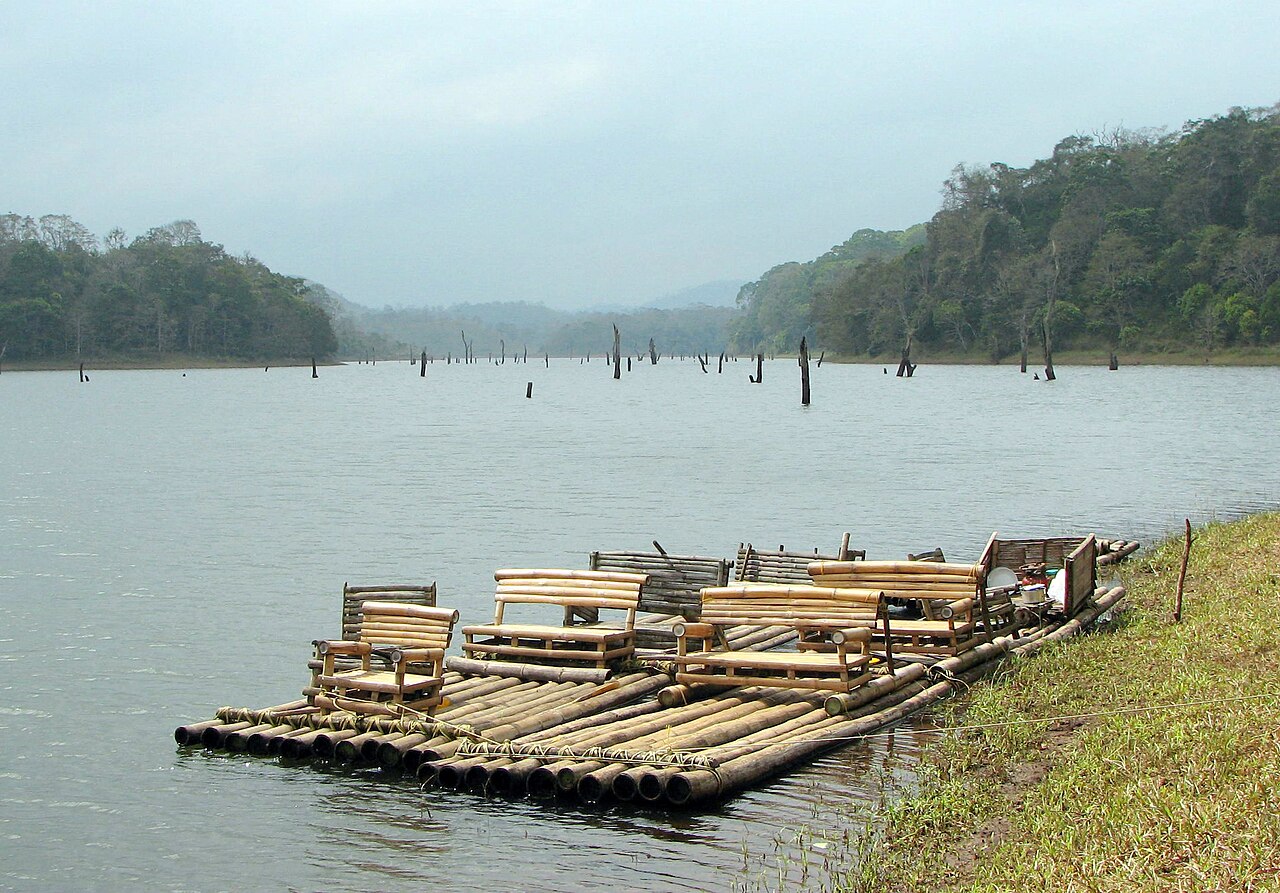
High altitude Thekkady lake sanctuary famous for boat safaris and rainforest trekking.
 Ghats Biome
Official TR
Ghats Biome
Official TR
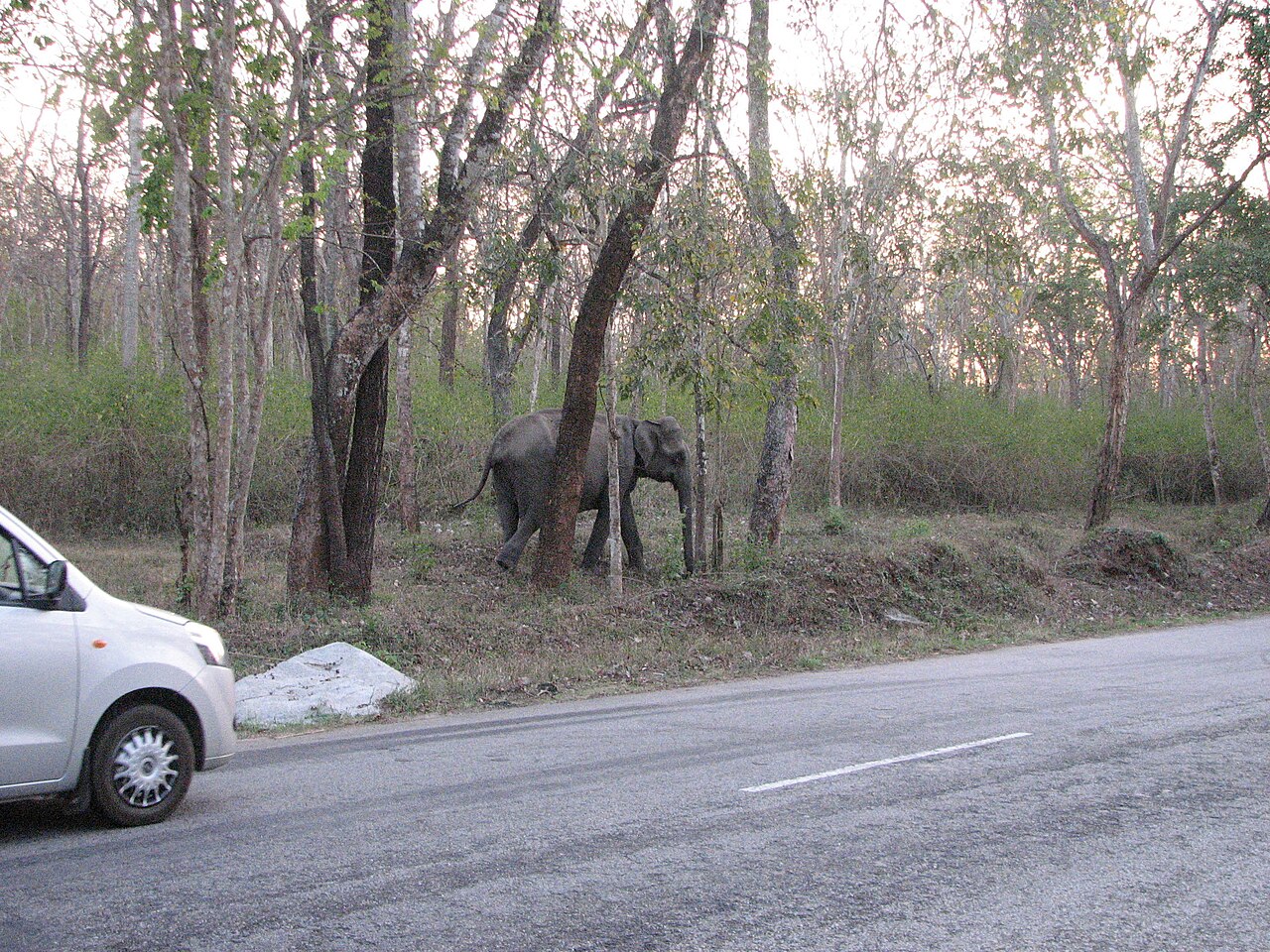
Palakkad sanctuary featuring ancient teak plantations and Kannimara teak tree.
 Ghats Biome
Official TR
Ghats Biome
Official TR
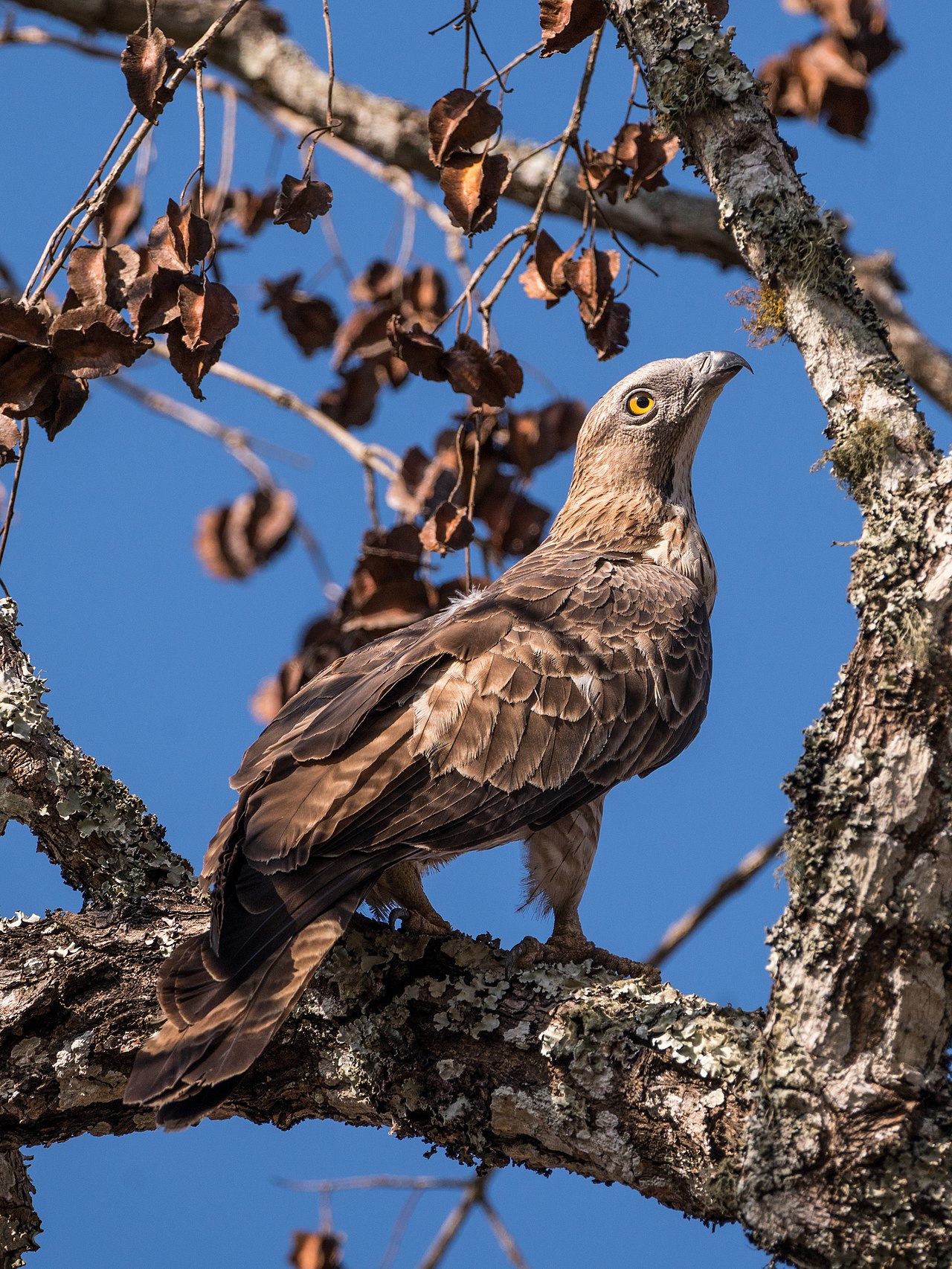
Nilgiris foothill sanctuary adjoining Bandipur and Wayanad wildlife reserves.
 Ghats Biome
Official TR
Ghats Biome
Official TR
Pollachi-Valparai plateau reserve protecting shola grasslands and lion-tailed macaques.
Ghats Biome
Official TR
Erode district reserve linking Nilgiris with BR Hills, recipient of TX2 award.
Ghats Biome
Official TR
Agasthyamalai biosphere sanctuary in Tirunelveli, originating 14 rivers.
Ghats Biome
Official TR
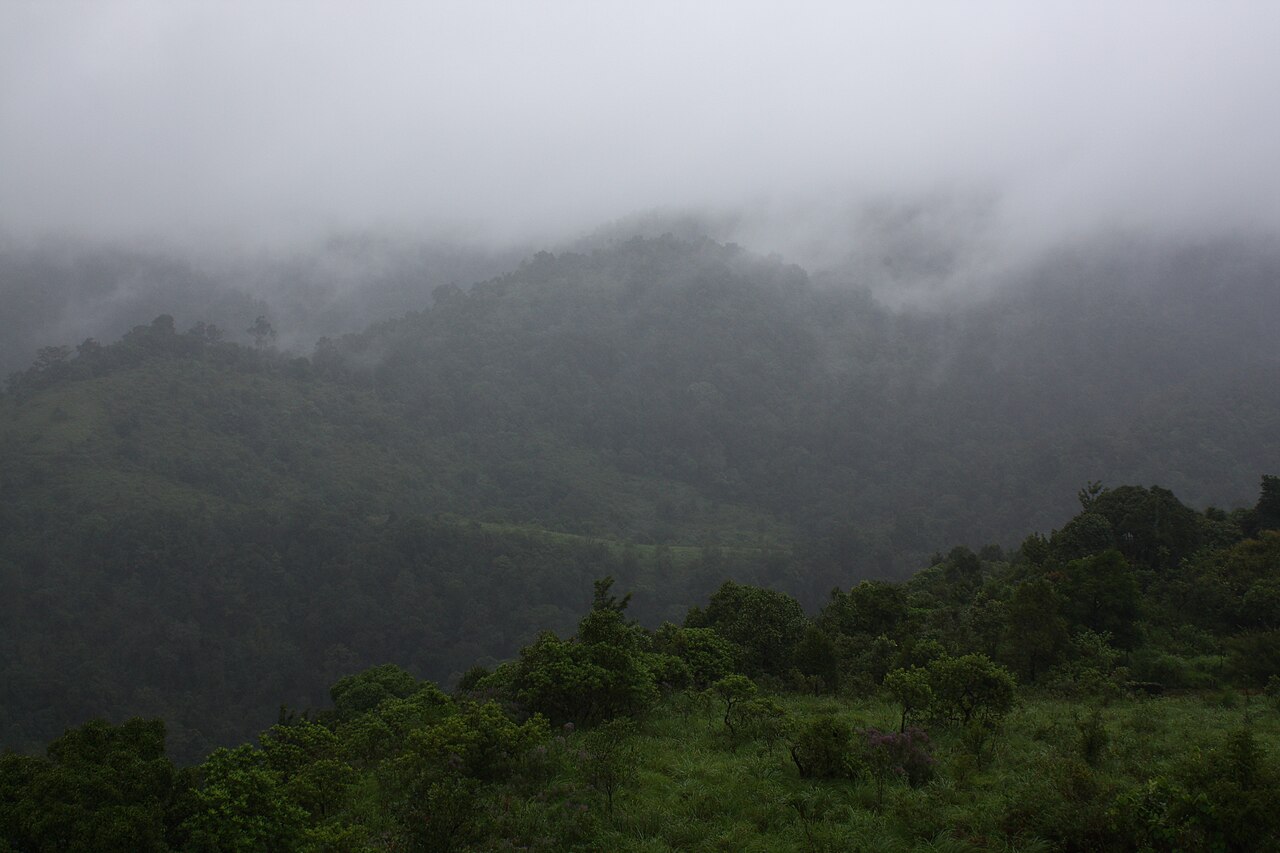
Tamil Nadu's 5th TR protecting Vaigai catchment and Grizzled Giant Squirrels.
 Ghats Biome
Official TR
Ghats Biome
Official TR
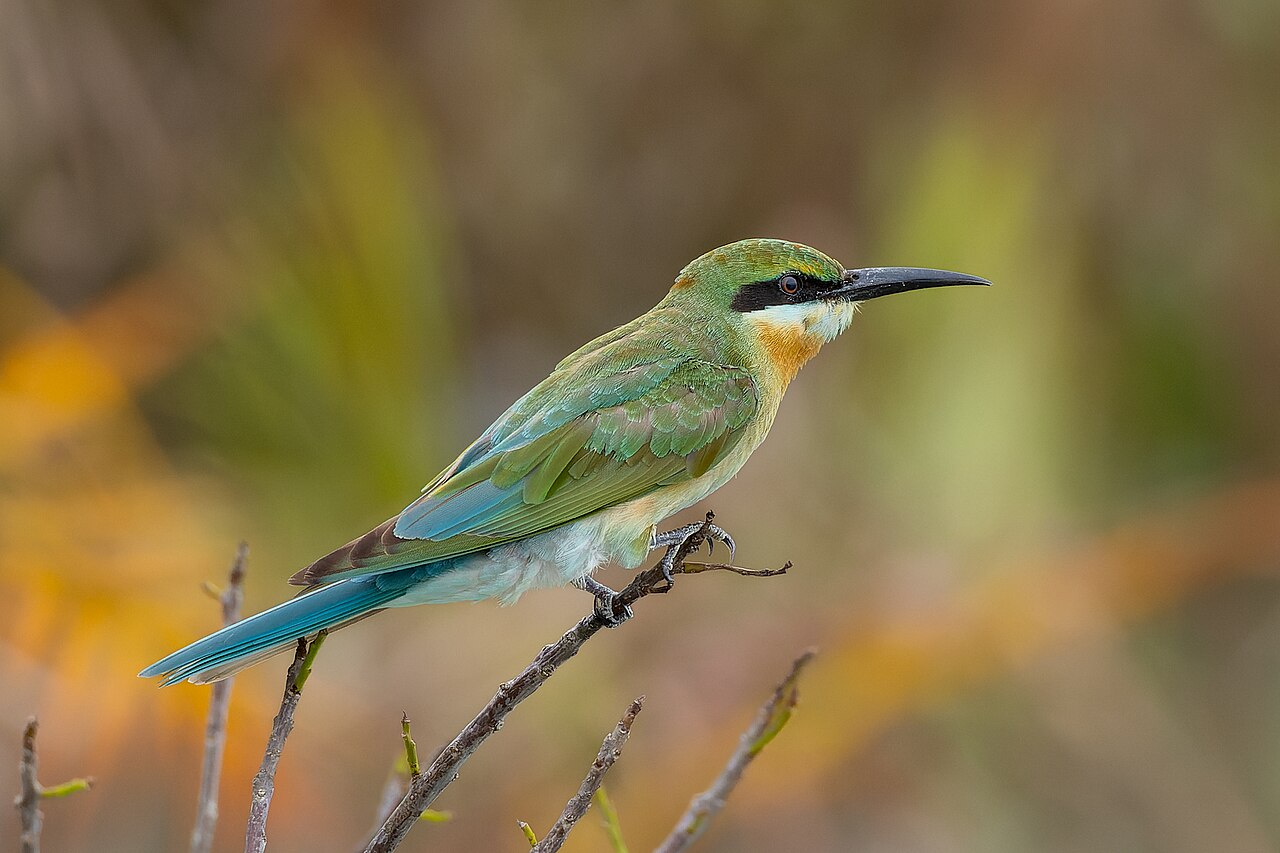
Western Ghats reserve in Satara-Kolhapur comprising Koyna and Chandoli sanctuaries.
 Mangrove Biome
Official TR
Mangrove Biome
Official TR
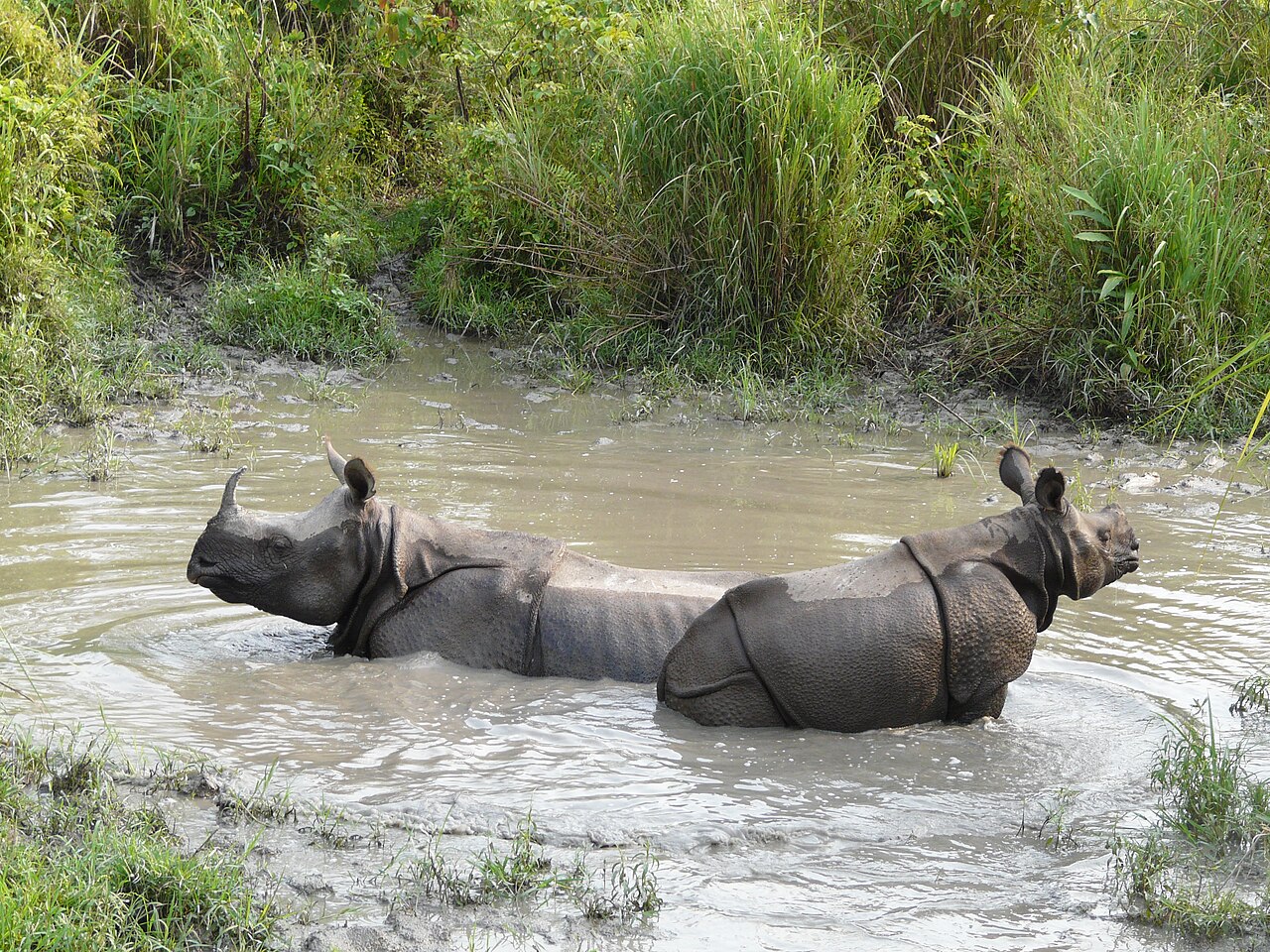
UNESCO World Heritage mangrove delta, home of swimming Royal Bengal Tigers.
 Mangrove Biome
Official TR
Mangrove Biome
Official TR
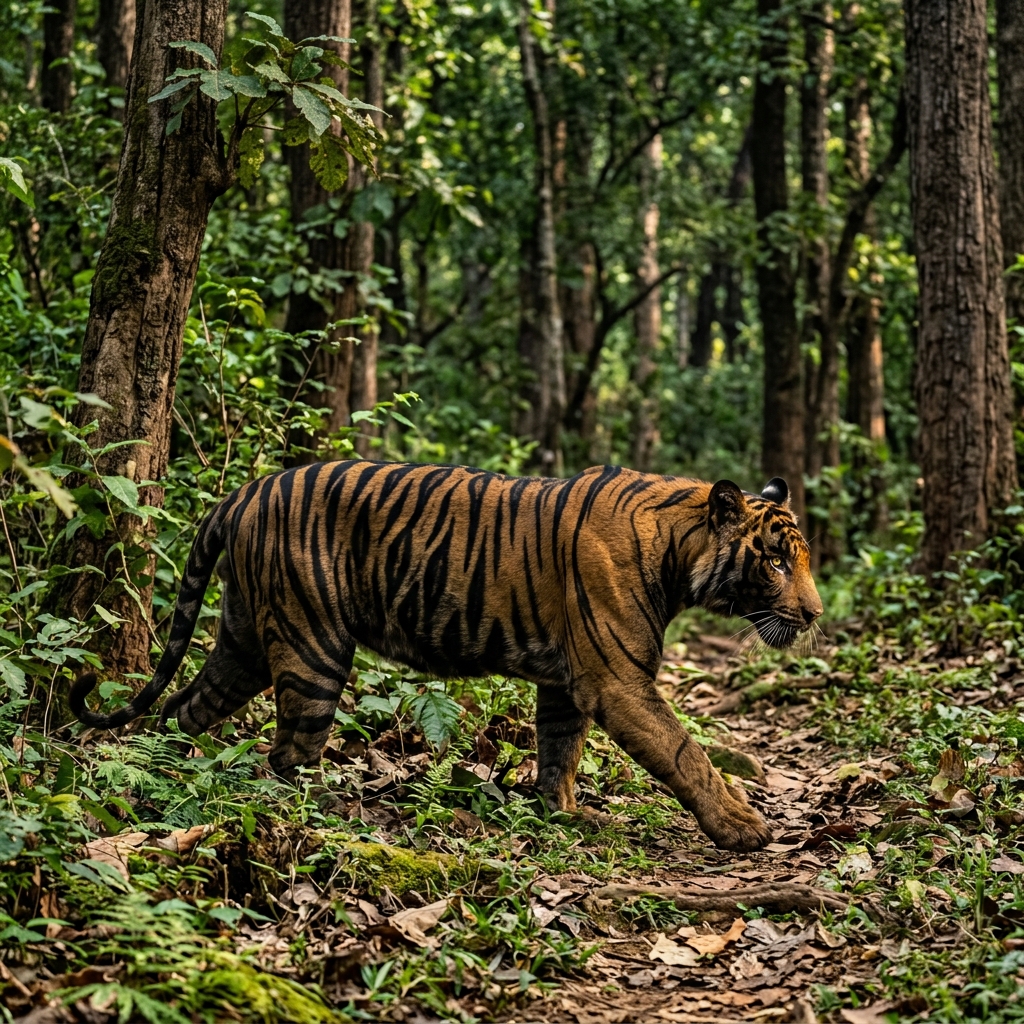
Dooars foothill reserve bordering Bhutan, famous for Buxa Fort and elephant migration.
 Mangrove Biome
Official TR
Mangrove Biome
Official TR
Mayurbhanj biosphere famous as the world's only wild habitat for Melanistic Black Tigers.
Mangrove Biome
Official TR
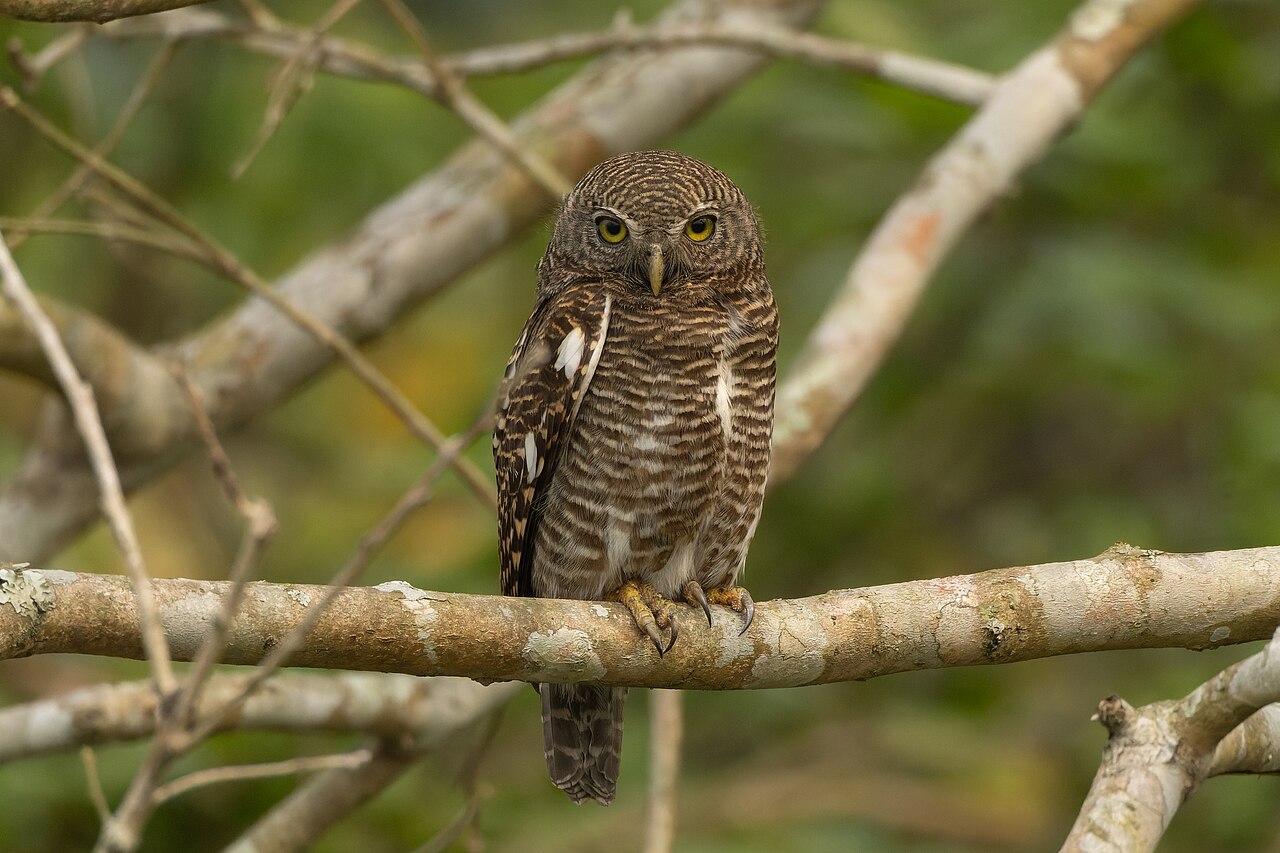
Mahanadi river gorge sanctuary in Angul-Cuttack, protecting gharials and tigers.
 Northeast Biome
Official TR
Northeast Biome
Official TR
UNESCO World Heritage floodplains, home of One-horned Rhinos and high tiger density.
 Northeast Biome
Official TR
Northeast Biome
Official TR
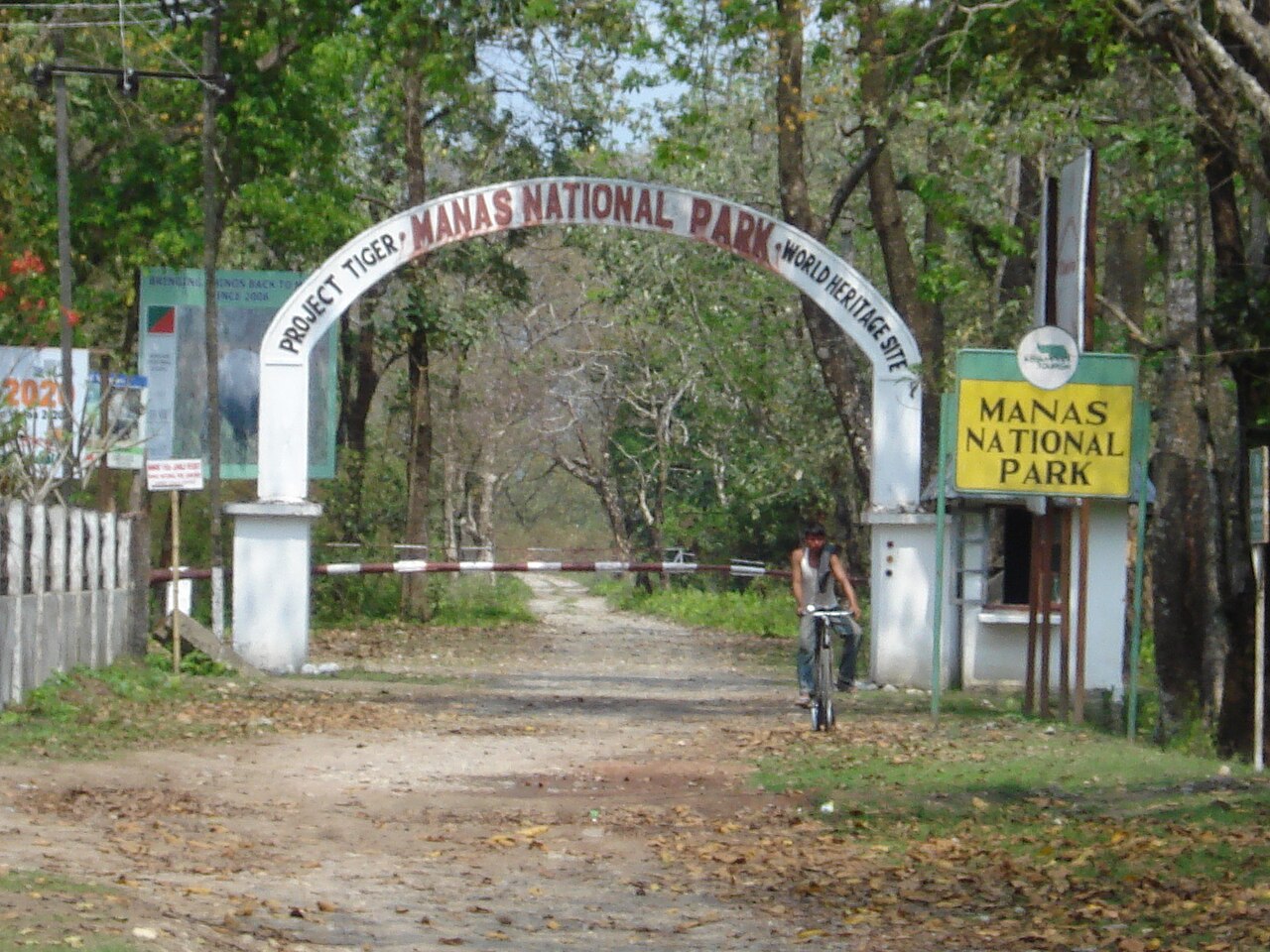
UNESCO biosphere along Manas River on Bhutan border, famous for Golden Langur.
 Northeast Biome
Official TR
Northeast Biome
Official TR
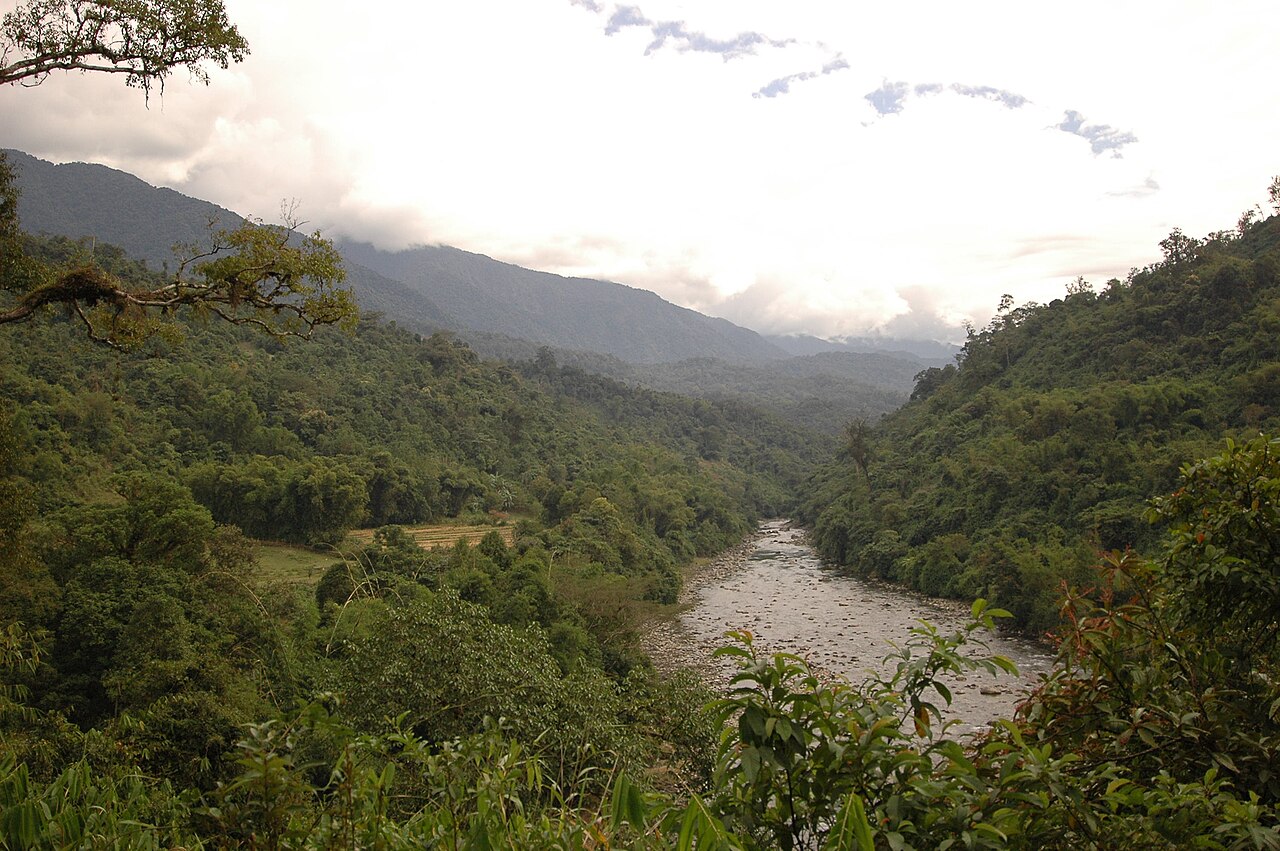
Jia-Bhoroli river reserve at Eastern Himalayan foothills, famous for rafting and hornbills.
Northeast Biome
Official TR
 Northeast Biome
Official TR
Northeast Biome
Official TR
Easternmost alpine-rainforest reserve protecting 4 big cat species.
Northeast Biome
Official TR
Pakhui hill sanctuary in Pakke-Kessang, famous for Nyishi tribe hornbill conservation.
Northeast Biome
Official TR
Lohit district reserve surrounding Glow Lake and Mishmi hill forests.
Northeast Biome
Official TR
Mamit district reserve along Bangladesh border with rich rainforest biodiversity.
Safari permits in India are strictly regulated by state forest departments and sell out months in advance. Use our verified state booking protocol guide.
Mastering the wilderness art of tiger tracking. How naturalists decode forest signals and preserve wildlife tranquility.
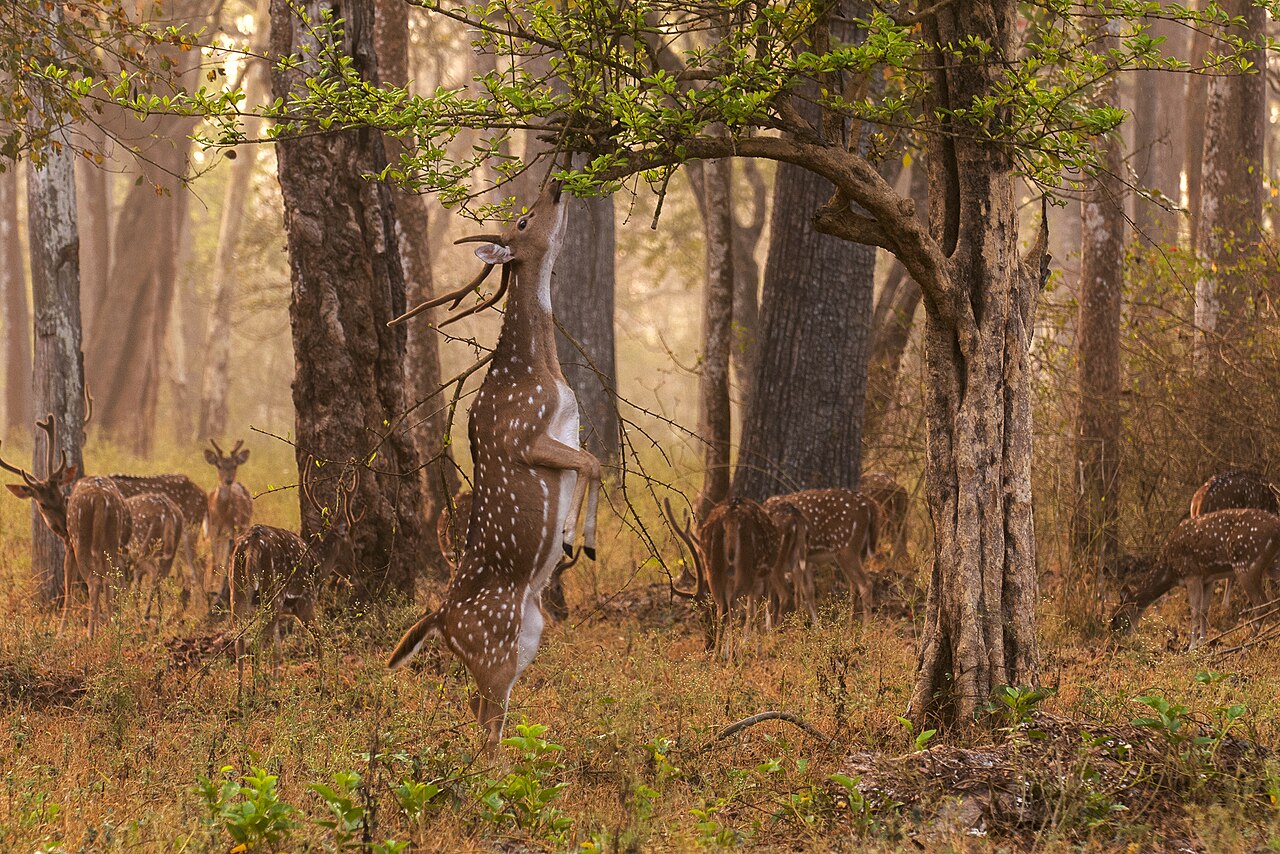
Prey species broadcast predator locations via distinct vocal calls. Learn to differentiate the high-pitched sharp whistle of Chital deer, the guttural honk of Sambhar deer indicating a tiger on the prowl, and the frantic screeching of Langur monkeys in tree canopies.
A male tiger’s pugmark fits within a square boundary box with rounded toe cushions, whereas a female tigress’s pad is oval and slender. Fresh territorial claw marks on Sal and Teak bark at heights of 7 to 9 feet signal active territory marking by dominant males.
Sal and bamboo canopies create intense contrast and low light. Use fast telephoto lenses (300mm f/2.8 or 400mm f/4), maintain shutter speeds above 1/1000s for moving cats, and enable Auto ISO with an upper threshold of ISO 6400.
Never stand up in an open Gypsy or extend arms outside the vehicle frame. Standing disrupts the vehicle silhouette, causing tigers to retreat. Maintain a minimum distance of 20 meters from cubs and mother tigresses at all times.
Expert answers to essential questions regarding permit reservations, best sighting seasons, and forest department regulations.