Kapilash Temple Dhenkanal — The Kailash of Odisha & Chandrashekhar Shrine
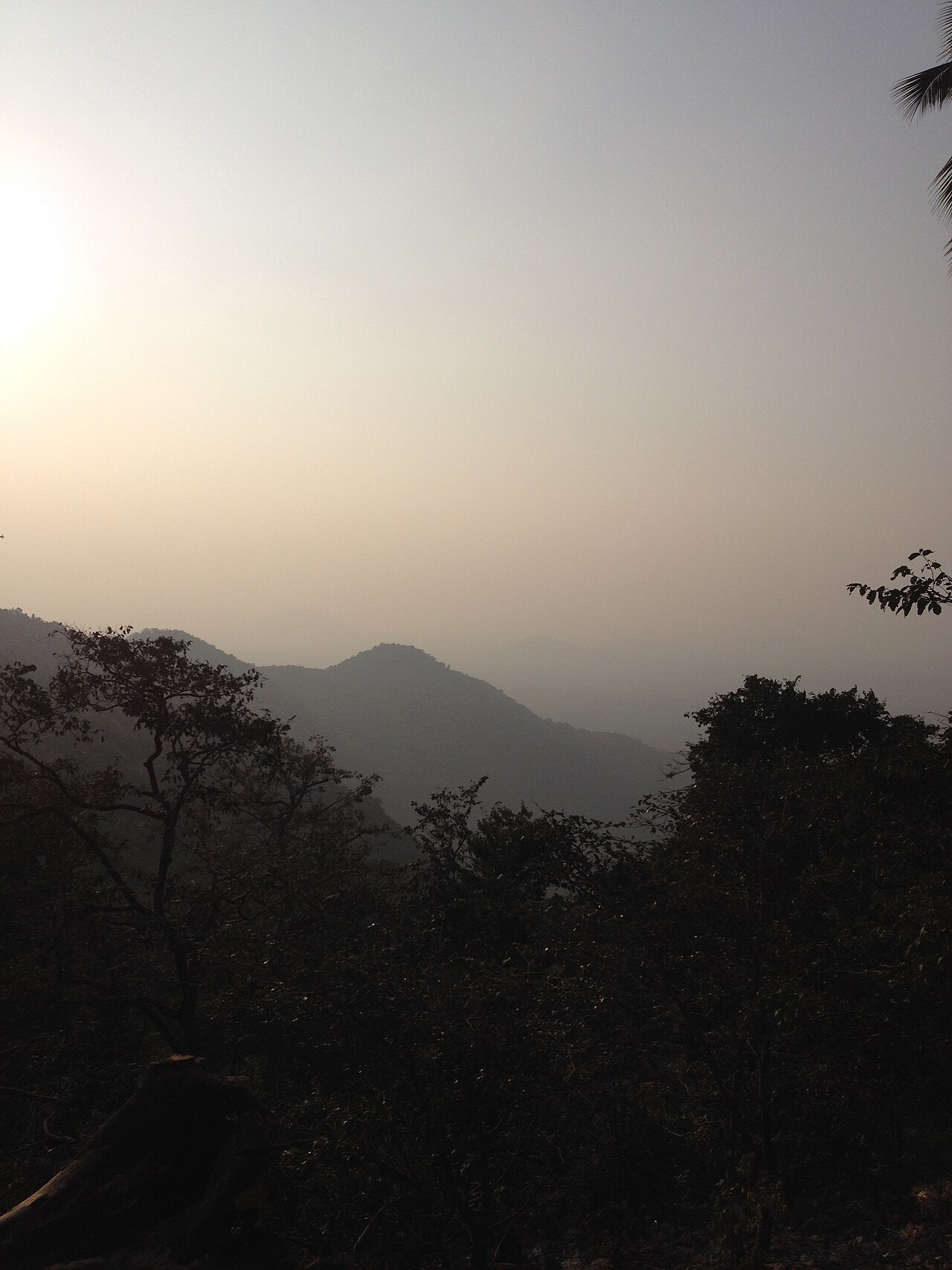
Perched dramatically upon the misty 2,239-foot crest of Kapilash Hill in Dhenkanal district, this 13th-century mountain sanctuary built by King Narasimhadeva I is reverently hailed as the 'Kailash of Odisha'—a sacred Shaivite haven reached by climbing 1,352 historic stone steps through dense deciduous forests.

The Kailash of Odisha: Sacred Geography & Antiquity

Rising like a colossal forested pyramid to an altitude of 2,239 feet (682 meters) above sea level in Dhenkanal district, approximately 26 kilometers northeast of Dhenkanal town, Kapilash Hill has been revered for millennia as one of the most sacred Shaivite mountain sanctuaries in eastern India. Known universally in Odia religious lore as the Kailash of Odisha, the mountain is celebrated as the terrestrial abode of Lord Shiva, manifesting here as Lord Chandrashekhar Mahadev ('The Moon-Crowned Lord').
The sacred mountain derives its name from the legendary Vedic sage Kapila Muni, the venerable founder of the Sankhya philosophy, who according to Puranic traditions established his contemplative forest hermitage (*Ashram*) amidst the perennial springs and hidden caves of these upper slopes. The hill is also sanctified by its intimate association with Mahima Gosain, the 19th-century saint and founder of the indigenous socio-religious reform movement *Mahima Dharma*, who spent twenty-four years in solitary ascetic meditation in a rock shelter atop Kapilash, surviving on wild fruits and water before preaching the path of the formless, unwritten divine (*Alekh Parambrahma*).
Eastern Ganga Architecture: Built by King Narasimhadeva I
The monumental stone temple that crowns the peak of Kapilash was constructed in 1246 CE by the illustrious monarch King Narasimhadeva I of the Eastern Ganga dynasty—the same visionary ruler and supreme patron of architecture who commissioned the world-famous Konark Sun Temple. This historical provenance is definitively corroborated by the bilingual Sanskrit and Odia copperplate inscriptions discovered at Kapilash, in which Narasimhadeva I records the construction of the *Vimana* and *Jagamohana* in thanksgiving for his military victories against Islamic Sultanate armies in Bengal.
Rising to a height of 60 feet, the main sanctum is built in classic Kalinga *Rekha Deula* architectural style from sturdy locally quarried buff sandstone. The tower is adorned with bold relief carvings of parivara-devatas including Lord Ganesha, Kartikeya, and Mahishasuramardini Durga, along with guardian Dikpalas clutching celestial weapons. Within the cool, shadowy interior of the Garbhagriha rests the sacred *Swayambhu* Lingam of Chandrashekhar, perpetually bathed by natural mountain groundwater trickling from a subterranean rock fissure.
Surrounding the main temple are several historic secondary shrines: the temple of Maa Parvati, the temple of Lord Vishwanath, the sanctum of Sage Kapila, and the *Bhairava Temple*. Two perennial, sacred freshwater springs—Payamruta Kunda and Marichi Kunda—emerge from deep bedrock fissures near the temple compound, providing pilgrims with sweet mineral water believed to possess therapeutic healing properties.
Monastic Caves & Medieval Royal Epigraphs
Scattered across the forested upper ridges of Kapilash are several natural caves and rock-shelters that have housed hermits and yogis across centuries. Foremost among these is the Kendupania Cave, where Mahima Gosain maintained his unbroken spiritual penance. Near the upper springs stands the ancient hermitage of Sage Kapila, marked by worn stone carvings and a perpetual butter lamp.
Epigraphists have catalogued multiple rock-inscriptions and copperplate grants around Kapilash, proving that successive royal dynasties—the Somavamsis, Gangas, Suryavamsi Gajapatis, and the Maharajas of Dhenkanal—endowed the temple with vast tracts of fertile agricultural land, gold jewelry, and royal privileges. The Gajapati kings considered Chandrashekhar Mahadev a prime guardian deity of the northern frontier of the empire, dispatching imperial envoys to perform royal *Mahasnan* rituals following significant military campaigns.
The Ascent: 1,352 Steps vs The 11-km Serpentine Ghat Road
Reaching the sacred summit of Kapilash offers pilgrims and adventurers two distinctly memorable routes:
- The 1,352 Stone Steps (Baradhaban): The traditional walking path, consisting of 1,352 dressed granite steps that ascend steeply through the dense sal, mahua, and bamboo forest canopy. Devotees climb barefoot, halting at scenic stone resting pavilions (*Mandapas*) to catch their breath while enjoying sweeping views of the plains below. The trek takes approximately 1.5 to 2 hours of energetic climbing.
- The 11-Kilometer Mountain Ghat Road: For vehicles, a well-paved, scenic 11-kilometer ghat road with twelve sweeping hairpin bends winds up the southern flanks of the hill, passing through dense deciduous woodlands inhabited by troops of rhesus macaques, spotted deer, and hornbills. Taxis, private cars, and small buses can drive straight to the upper parking terrace, leaving only a short 100-step ascent to the temple gates.
The Grand Shravan Mela & Maha Shivaratri
Kapilash is the epicentre of immense spiritual fervor during two major Hindu festivals:
During the holy month of Shravan (July–August), tens of thousands of barefoot saffron-clad Kanwariyas (Bol-Bom devotees) walk for days carrying holy water collected from the sacred Brahmani River at Jenapur or the Mahanadi at Cuttack. Devotees climb the 1,352 steps through monsoon mist, chanting the ecstatic chorus of *Bhole Baba Par Karega*, to pour holy river water over Chandrashekhar Mahadev every Monday.
On Maha Shivaratri (February–March), over one hundred thousand devotees gather on the mountain peak. The entire hill is illuminated with butter lamps and torches. Devotees fast and meditate through the freezing mountain night, awaiting the midnight hoisting of the colossal sacred lamp (*Mahadipa*) to the temple crest, which is greeted by a thunderous ovation echoing across the Dhenkanal valley.
Science Park, Deer Park & Hilltop Ecology
At the base of the hill lies the Kapilash Science Park and the Kapilash Deer Park & Zoo, established by the Forest Department, which houses spotted deer, sambar, gharials, and rescued wildlife. The hill itself is designated as the Kapilash Wildlife Sanctuary, protecting over 39 square kilometers of dense dry deciduous forest harboring leopards, wild boars, barking deer, pythons, and over 120 species of birds.
Visitor Logistics & Travel Plan
| Aspect | Practical Details |
|---|---|
| Location & Access | 26 km northeast of Dhenkanal town; 85 km north of Bhubaneswar via NH-55 and SH-61. Regular buses, shared auto-rickshaws, and tourist taxis connect Dhenkanal town to Kapilash base. |
| Nearest Railway Station | Dhenkanal Railway Station (DNKL) — 26 km, well-connected to Bhubaneswar, Cuttack, and Sambalpur. |
| Temple Timings | Open daily: 6:00 AM – 1:00 PM and 3:00 PM – 8:00 PM. (During Shravan Mondays and Shivaratri, open throughout the night). |
| Accommodations | OTDC operates Panthasala Kapilash at the base of the hill, alongside Forest Department eco-cottages. Good budget and mid-range hotels are located in Dhenkanal town. |
| Nearby Excursion | Joranda (24 km): The supreme headquarters of Mahima Dharma, housing the sacred Sunya Mandir and Gadi Mandir of Mahima Gosain. |
Nearby Attractions & Explorations
- Dhenkanal District Travel Directory: Royal palace heritage, brass bell metal craft, and Dokra artisans.
- Angul District Travel Guide: Coalfield capital and northern gateway to Satkosia Gorge.
- Satkosia Gorge Sanctuary: Grand 22-km river canyon on the Mahanadi sheltering wild gharials.
- Cuttack Millennium City Heritage: Historic Barabati fort, silver filigree craft, and Mahanadi riverbanks.
- Bhubaneswar Temple City Guide: City of Temples with Lingaraj, Mukteshwar, and Rajarani shrines.
- Biraja Temple Jajpur: Sacred Nabhi Gaya Shakti Peetha on the Vaitarani river.
- Odisha State Portal: Complete master directory of destinations, districts, and travel guides across Odisha.
Frequently Asked Questions About Kapilash Temple
Why is Kapilash Temple called the 'Kailash of Odisha'?
Perched at an elevation of 2,239 feet atop a misty pyramid-shaped mountain, Kapilash has been venerated for centuries as the celestial abode of Lord Shiva in Odisha, celebrated for its legendary association with Sage Kapila and King Narasimhadeva I.
How many steps do you have to climb to reach Kapilash Temple?
Devotees can climb 1,352 historic stone steps through the forest to reach the temple. Alternatively, an 11-kilometer scenic mountain ghat road allows vehicles to drive directly up to the upper summit terrace.
Who built the current temple at Kapilash?
The stone temple of Chandrashekhar Mahadev was built in 1246 CE by King Narasimhadeva I of the Eastern Ganga dynasty, the same monarch who commissioned the UNESCO World Heritage Sun Temple at Konark.
What is the connection between Kapilash and Mahima Dharma?
Mahima Gosain, the founder of the Mahima Dharma spiritual movement in Odisha, meditated in a rock cave atop Kapilash Hill for 24 years before establishing his order and preaching the worship of the formless divine (Alekh Parambrahma).