Dongria Kondh & Niyamgiri Hills — Guardians of the Sacred Mountain
Dwelling amidst the cloud-draped rainforest ridges of the Niyamgiri Hills spanning Rayagada and Kalahandi districts, the Dongria Kondh are one of India's most celebrated indigenous communities—famed for their sacred ecological reverence for mountain god Niyam Raja, their GI-tagged Kapdaganda embroidered shawls, and their historic legal defense of ancestral lands.

The Sacred Realm of Niyamgiri & Niyam Raja
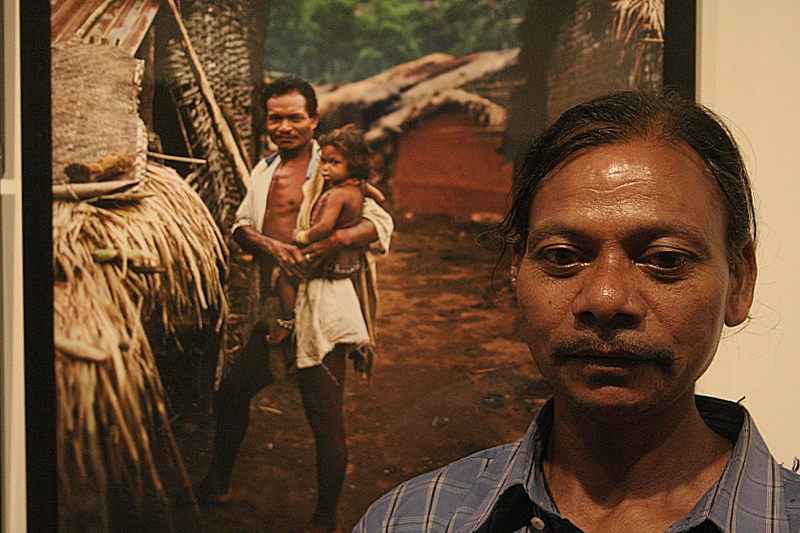
Rising like a colossal emerald fortress above the rugged plateaus of southern Odisha, spanning the administrative boundaries of Rayagada district and neighboring Kalahandi district, the Niyamgiri Hills are one of the most ecologically vital and culturally sacred highland landscapes in peninsular India. Reaching elevations of over 1,500 meters at their highest crests, these densely forested bauxite-capped plateaus are the ancestral home of the Dongria Kondh (Dongaria Kandha), one of Odisha's 13 Particularly Vulnerable Tribal Groups (PVTGs).
The name Dongria is derived from Dongar, the Odia word for rolling hill slopes and agricultural clearings. The Dongria Kondh identify themselves as the direct spiritual descendants and celestial custodians of Niyam Raja (the King of Law or the Divine Arbiter), the supreme male deity who embodies the living mountain itself. In Dongria cosmology, Niyamgiri is not inanimate rock or a mineral resource to be exploited; it is a sentient divine provider whose forested summits act like colossal natural sponges, absorbing monsoon rains and releasing them perpetually through more than thirty-six perennial mountain streams that feed two of southern Odisha's life-giving river systems: the Vamsadhara and the Nagavali.
To mine or desecrate the sacred summit of Niyamgiri is, in Dongria spiritual belief, an existential sin that would dry up the mountain springs, invoke divine wrath, and extinguish the lifeblood of both the indigenous hill tribes and the agrarian communities farming the valleys below.
The Historic 2013 Supreme Court Referendum
The Dongria Kondh achieved worldwide renown in international environmental and human rights history through their courageous and unyielding resistance against proposed open-cast bauxite strip-mining atop the Niyamgiri plateau. Between 2003 and 2013, multinational mining conglomerates and state agencies sought to clear the summit forests to extract an estimated 70 million tons of metallurgical-grade bauxite ore to feed an alumina refinery constructed at the foothills in Lanjigarh.
In a historic, precedent-setting verdict delivered in April 2013, the Supreme Court of India ruled that the religious, cultural, and community rights of the Dongria Kondh over the sacred mountain of Niyam Raja were protected under the Indian Constitution and the Forest Rights Act (FRA) of 2006. The apex court ordered that democratic Gram Sabhas (village council assemblies) be conducted across twelve remote Dongria Kondh villages to decide whether mining would violate their religious and cultural heritage.
In July and August 2013, under international and national media observation, all twelve village assemblies unanimously and unequivocally voted to reject the mining project, declaring the entire mountain range sacred and inviolable. The Niyamgiri referendum stands today as one of the greatest global victories for indigenous sovereignty, grassroots democracy, and environmental conservation in modern world history.
The GI-Tagged Kapdaganda Shawl: Geometry of Love & Landscape
The supreme tangible artistic expression of Dongria Kondh culture is the famous Kapdaganda Shawl, formally awarded the Geographical Indication (GI) status in January 2024. Woven from coarse, unbleached off-white handloom cotton cloth, the shawl is meticulously hand-embroidered by unmarried Dongria women using thick woollen threads of just three vibrant colors: red, green, and yellow.
Every single motif embroidered onto the Kapdaganda holds profound sociological and ecological symbolism:
- Red Threads: Symbolize human blood, vitality, martial courage, and the sacred blood sacrifices offered to Mother Earth (*Dharani Penu*) during agrarian rituals.
- Green Threads: Represent the lush mountain forests, wild fauna, agricultural crops, and the protective canopy of the Niyamgiri slopes.
- Yellow Threads: Symbolize sunshine, the ripening of mountain turmeric, prosperity, and the eternal spiritual law (*Niyam*) of the tribe.
- Triangular Motifs: The repeating triangular geometric patterns represent the sacred pyramid peaks of Niyamgiri itself, embedding the physical contours of their beloved homeland directly into the woven fabric.
Traditionally, a young Dongria woman embroiders a Kapdaganda shawl over months of meticulous evening work as a token of romantic love and commitment, gifting it to her chosen suitor during village festivals. If the young man accepts the shawl and drapes it over his shoulder, the engagement is recognized by the entire village community. Both Dongria men and women wear the shawl with immense pride during weekly markets and seasonal festivals.
The Sacred Niyamgiri Parab & Ancestral Epic Ballads
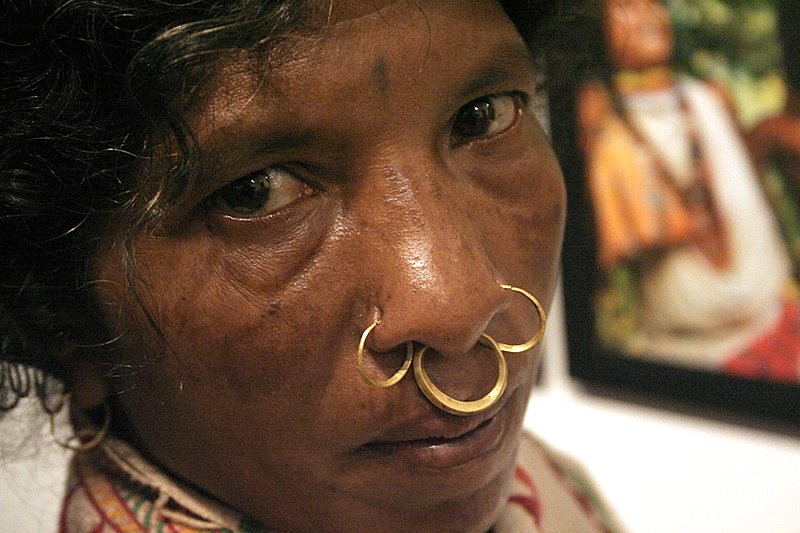
Every year in late February, hundreds of Dongria Kondh villagers trek to the windswept summit of Niyamgiri to celebrate the sacred Niyamgiri Parab at the high natural stone altar dedicated to Lord Niyam Raja. Dressed in pristine white cotton attire, adorned with their finest Kapdaganda shawls, silver hairpins, and nose-rings, the community offers gratitude for the perennial mountain streams that have nourished their orchards through the winter.
Throughout the festival night, village shamans (*Jani*) and elder women sing hypnotic, multi-hour choral ballads known as *Penu Gan*. These unwritten oral epics recount the creation of the universe, the emergence of the sixty-four sacred streams of Niyamgiri, and the moral duty of every human being to live in humble reciprocity with nature. As buffalo-horn trumpets (*Tudum*) sound through the misty peaks, the Dongria dance in undulating communal lines, reinforcing their timeless pact as guardians of the sacred mountain.
Agro-Ecology & Horticultural Virtuosity
Unlike many indigenous communities that practice destructive slash-and-burn farming, the Dongria Kondh are master horticulturists who have perfected a remarkably sophisticated, ecologically sustainable polyculture system. Along the terraced foothills and mountain valleys, they cultivate an astonishing diversity of fruit trees and food crops without chemical fertilizers or synthetic pesticides:
- Niyamgiri Queen Pineapples: Famous across Odisha for exceptional sweetness, low acidity, and distinct tropical fragrance, cultivated organically on shaded mountain terraces.
- Mountain Bananas & Citrus: Over a dozen indigenous varieties of bananas, wild oranges, sweet limes, and jackfruit that fruit sequentially throughout the year.
- Heirloom Millets & Pulses: Finger millet (Ragi / *Mandia*), foxtail millet, pearl millet, and mountain pigeon pea (*Kandula*), ensuring nutritional security even during regional droughts.
- Desi Organic Turmeric: High-curcumin mountain turmeric grown under the forest canopy, celebrated for its medicinal purity and deep golden hue.
Visitor Logistics, Weekly Haats & Ethical Travel
| Aspect | Practical Details |
|---|---|
| Location & Access | Niyamgiri hill range, accessible via Bissamcuttack and Muniguda in Rayagada district; 45 km from Rayagada town; 390 km from Bhubaneswar via NH-16 and NH-26. |
| Nearest Railway Stations | Muniguda (MNGD) — 15 km from hill foothills; Rayagada (RGDA) — 45 km, a major junction on the Raipur–Vizianagaram mainline. |
| Weekly Tribal Markets | The famous Chatikona Weekly Market (held every Wednesday near Bissamcuttack) is the primary trading hub where Dongria Kondh people descend from Niyamgiri to sell organic pineapples, bananas, turmeric, and authentic Kapdaganda shawls. |
| Ethical Tourism Protocols | Visitors must practice deep cultural sensitivity: interior Dongria villages are not human zoos. Always ask permission before taking photographs, do not enter private home compounds uninvited, never offer commercial plastic waste, and purchase handicrafts directly from artisan weavers at fair prices. |
| Accommodations | Forest rest houses and modest eco-lodges are available in Bissamcuttack and Muniguda; comfortable business and budget hotels are located in Rayagada town. |
Nearby Attractions & Explorations
- Rayagada District Travel Directory: Hanging bridge, tribal weekly markets, and Majhighariani temple.
- Koraput Tribal Highlands Guide: Highland adivasi cultures, weekly haats, and Deomali peak.
- Koraput District Travel Directory: Kolab reservoir, coffee plantations, and Duduma waterfall.
- Kalahandi District Travel Guide: Asurgarh archaeological fort, Dokra craft, and Indravati reservoir.
- Gupteswar Cave Temple: Subterranean limestone cave and stalagmite lingam on Sabari river.
- Duduma Falls on Machkund River: 175-meter roaring cascade in the Bonda tribal heartland.
- Odisha State Portal: Complete master directory of destinations, districts, and travel guides across Odisha.
Frequently Asked Questions About Dongria Kondh & Niyamgiri Hills
Who are the Dongria Kondh tribe?
The Dongria Kondh are a Particularly Vulnerable Tribal Group (PVTG) who reside in the Niyamgiri hill range of Rayagada and Kalahandi districts in southern Odisha, renowned for their sacred reverence for the mountain deity Niyam Raja and their organic horticulture.
What is the GI-tagged Kapdaganda shawl?
The Kapdaganda is an off-white cotton shawl hand-embroidered by unmarried Dongria Kondh women with red, green, and yellow threads forming triangular motifs that symbolize the peaks of Niyamgiri, traditionally presented as a token of romantic commitment.
What happened during the 2013 Niyamgiri referendum?
In a historic landmark ruling, the Supreme Court of India directed twelve Dongria Kondh village assemblies (Gram Sabhas) to vote on proposed bauxite mining. All twelve villages unanimously voted against mining, preserving their sacred mountain and forest ecosystem.
Where can visitors see Dongria Kondh culture and buy authentic shawls?
The best place to respectfully experience Dongria Kondh culture is the weekly Wednesday market (Haat) at Chatikona near Bissamcuttack, where villagers arrive to sell organic pineapples, mountain turmeric, and authentic hand-embroidered Kapdaganda shawls.