Château de Saint-Jean-d'Angle: France's Sole Shell Keep
Hidden within the quiet Charentais countryside between Rochefort and Marennes, Saint-Jean-d'Angle harbors one of the rarest and most architecturally significant medieval military monuments in Western Europe: the Château de Saint-Jean-d'Angle. Erected in the late twelfth century by the powerful Lusignan dynasty—whose illustrious lords became Counts of Poitou and later Kings of Jerusalem and Cyprus—the fortress is the sole surviving and fully preserved example in France of a medieval "shell keep" (*donjon coquille*).
Unlike traditional square or round solid stone keep towers of the Capetian era, a shell keep consists of a colossal, circular or polygonal stone curtain wall built around the perimeter of an artificial earthen mound (motte), enclosing an open central courtyard housing half-timbered domestic quarters, stables, and rainwater cisterns. Measuring twenty-six meters in diameter with walls over two meters thick, the fortress was defended by a deep dry moat, drawbridge, machicolations, and high wall-walks (*chemin de ronde*). Abandoned for centuries and heavily overgrown with brambles, the castle was rescued in 2008 by passionate heritage preservationists, whose authentic archaeological restoration earned the prestigious *Grand Trophée des Monuments Historiques* in 2011.
Living Medieval History, Siege Engines and the Hortus Conclusus
Today, the Château de Saint-Jean-d'Angle has been transformed into an award-winning interactive living history park that brings the twelfth century vividly to life for visitors of all ages. Spread across the castle grounds is an impressive battery of reconstructed full-scale medieval siege artillery engines, engineered using historical plans: a counterweight trebuchet capable of hurling 50-kilogram stone boulders over 200 meters, a rapid-firing couillard, a torsion mangonel, and an armor-piercing ballista. Costumed master artisans demonstrate historical firing techniques daily while explaining the physics and tactical mechanics of medieval siege warfare.
Surrounding the fortress is an authentic *hortus conclusus* (medieval enclosed garden) organized into raised wicker wattle-beds. The garden cultivates forgotten plants of the Middle Ages according to the ninth-century *Capitulare de villis* decree of Charlemagne: medicinal simples such as valerian, wormwood, and borage; tinctorial plants for dyeing wool like madder, woad, and weld; and heirloom vegetable varieties including parsnips, skirrets, and medlars. A winding nature labyrinth planted with willows and heirloom cereals provides a playful educational exploration of medieval agricultural life.
The Flamboyant Church of Saint-Jean-Baptiste and Charente Heritage
In the quiet center of the village stands the Église Saint-Jean-Baptiste, an exceptional fifteenth-century Flamboyant Gothic sanctuary classified as a Historic Monument. The church features an extraordinary architectural curiosity: an exterior stone pulpit (*chaire extérieure*) carved directly into the western facade, from which itinerant friars and preachers addressed large crowds of pilgrims who could not fit inside the nave during outdoor religious festivals.
The surrounding landscape is defined by the Brouage salt marshes, where ancient stone canals and tranquil ditches (*fossés*) once supported Europe's richest sea-salt production. Today, this peaceful countryside is ideal for scenic cycling along rural lanes bordered by blooming wild mallows and sun-drenched stone farmhouses (*charentaises*). Local family farms offer fresh goat cheeses, artisan honeys harvested from sunflower and lime blossoms, and crisp Charentais melons celebrated for their aromatic sweetness.
The Brouage Salt Marsh Realm and Avian Biodiversity
Saint-Jean-d'Angle sits at the northern gateway to the vast Brouage Marshes (*Marais de Brouage*), an expanse of over 11,000 hectares of reclaimed wetlands stretching between the mainland limestone hills and the Atlantic coastline. In classical antiquity and the Middle Ages, this entire basin formed a vast marine gulf—the *Golfe de Saintonge*—where ocean tides flooded inland. Beginning in the eleventh century, local monastic orders and feudal lords constructed dykes, sluice gates, and clay evaporation basins to harvest sea salt, creating what became during the Renaissance the wealthiest salt trading hub in Northern Europe, exporting white salt to fishing fleets across England, Holland, and Scandinavia.
As the gulf naturally silted up and commercial salt trade declined in the eighteenth century, the marshes were converted into peaceful freshwater pastures crisscrossed by thousands of kilometers of drainage canals (*fossés*). Today, this tranquil landscape is one of Western Europe's premier wetlands for bird conservation. Cycling along the quiet marsh roads reveals soaring marsh harriers hunting over reed beds, elegant gray herons standing motionless in the ditches, little egrets, and dozens of pairs of majestic white storks nesting on purpose-built wooden platforms across the meadows.
Saintonge Rural Architecture and Charentais Farmsteads
Exploring the village and its surrounding hamlets showcases the timeless charm of authentic Saintonge rural architecture. The traditional dwellings, known as *maisons charentaises*, are built from solid blocks of blonde limestone extracted from local quarries such as Crazannes. These handsome two-story farmhouses feature low-pitched roofs covered in traditional terracotta barrel tiles (*tuiles canal*), weathered oak entry doors framed by carved stone pediments, and large walled courtyards sheltered from Atlantic gusts.
During the summer months, the village streets and country lanes are ablaze with wild hollyhocks (*roses trémières*) growing spontaneously against sun-warmed stone walls in shades of deep burgundy, rose, and cream. Local family-run farms offer roadside stalls selling seasonal Charentais produce: golden summer melons, unpasteurized honey harvested from clover and sunflower blossoms, and homemade fruit preserves, offering travelers an authentic taste of rural French country living away from commercial tourist circuits.
The Myth of Melusine and the House of Lusignan
The history of the Château de Saint-Jean-d'Angle is deeply intertwined with one of the most famous and magical legends of medieval French folklore: the myth of the fairy Melusine (*Mélusine*). According to centuries-old Poitevin chronicles, Melusine was a beautiful enchantress who married Raymondin, Count of Forez, under a solemn vow that he would never attempt to see her on Saturdays. Under her magical guidance, the House of Lusignan rose to legendary power, and Melusine was said to have built the great stone fortresses of Poitou—including Lusignan, Vouvant, and Saint-Jean-d'Angle—overnight with a single apron-full of stones and three swallows of water.
When her husband succumbed to jealousy and spied upon her through a keyhole, he discovered her secret: on Saturdays, her lower body transformed into a massive serpentine fish tail. Discovered, Melusine let out a harrowing shriek and flew out the castle window in the form of a winged dragon, forever doomed to wander the skies of Poitou and wail three times before the death of a Lusignan lord. Inside the castle, educational exhibits and costumed storytellers recount this rich folkloric tapestry, illustrating how mythical romance and medieval dynastic ambition merged in the castles of Western France.
A visit to Saint-Jean-d'Angle is incomplete without experiencing traditional Saintonge gastronomy in local country inns. The quintessential feast features *Moules de Bouchot à la Charentaise*, followed by *Gigot de Pré-Salé* (leg of salt-marsh lamb roasted with fresh garlic and rosemary harvested from the castle's herbal garden). For dessert, travelers enjoy freshly baked *Beignets de Carnaval* dusted with powdered sugar, washed down with a glass of fragrant Pineau des Charentes or crisp Charentais cider, savoring the peaceful cadence of authentic French village life.
Archaeological Discoveries and Medieval Falconry Traditions
During the meticulous stone restoration of the Château de Saint-Jean-d'Angle, archaeologists excavated the ancient castle moats and subterranean cisterns, uncovering a remarkable trove of medieval artifacts. Among the discoveries were iron crossbow bolt heads dating to the Hundred Years' War, seventeenth-century French royal coins, hand-forged horseshoes, and intact green-glazed ceramic pitchers crafted by Saintonge potters in the thirteenth century. Many of these recovered artifacts are displayed in the castle's vaulted guardroom museum, offering a tangible link to everyday life in feudal Aquitaine.
The castle also champions the ancient art of noble medieval falconry (*fauconnerie*). Throughout the spring and summer, licensed master falconers present educational flight demonstrations with Harris's hawks, peregrine falcons, and barn owls soaring across the castle ramparts. Visitors learn about the vital historical role birds of prey played in medieval hunting, ecology, and diplomacy, while children can participate in interactive archery tournaments and medieval calligraphy workshops inside the timbered courtyard.
Medieval Knights' Training and Family Heritage Quest
The Château de Saint-Jean-d'Angle offers an innovative educational experience for families through its historical puzzle quest (*Le Jeu de l'Énigme*). Visitors receive an illustrated parchment manuscript guiding them through the defensive shell keep, guard towers, and herb gardens to decipher heraldic emblems, medieval inscriptions, and solve historical riddles based on the chronicle of the Crusades.
Children who successfully complete the quest are knighted in a traditional ceremony in the castle courtyard, complete with a dubbing ceremony with a ceremonial broadsword and an official heraldic certificate. The castle's commitment to authentic living history has made it a celebrated model of sustainable private heritage preservation in Nouvelle-Aquitaine, breathing vibrant life into medieval military architecture.
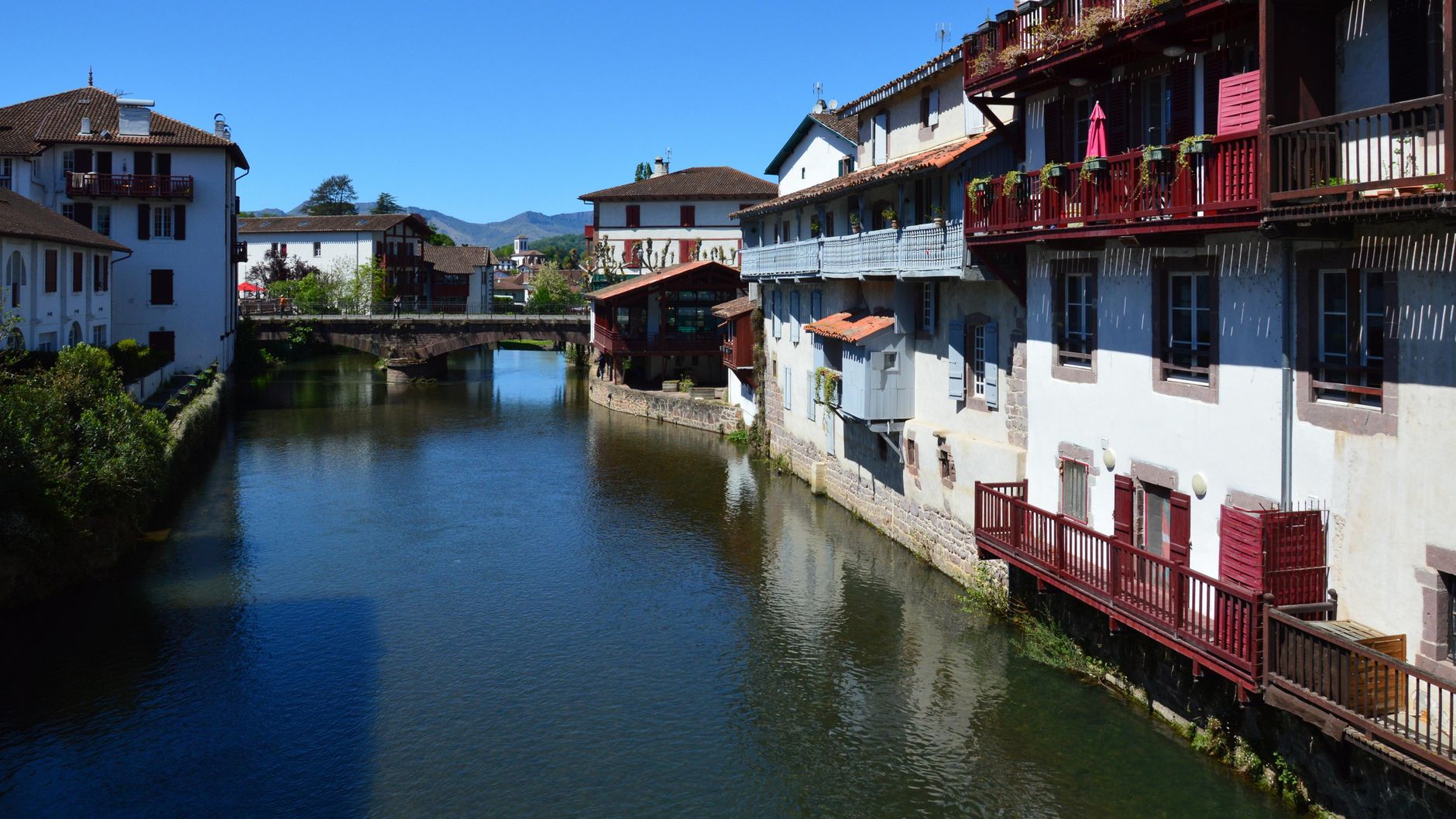 Saint-Jean-D'Angle · France