05
The Definitive Arrondissement Blueprint
Paris is organized into 20 concentric administrative districts (arrondissements) that spiral clockwise outward like a snail shell (l'escargot) starting from the Louvre. Understanding this spatial anatomy unlocks the city's distinct neighborhood souls.
1. The Historic River Core: 1st & 4th Arrondissements (Louvre, Marais & Île de la Cité)
The 1st arrondissement anchors the royal spine of France. Here lies the Musée du Louvre, the world's largest art museum, housed in a fortress-palace begun by King Philippe Auguste in 1190. Navigating the Louvre requires strategic timing: pre-book a 09:00 morning slot or Wednesday/Friday evening entry when galleries empty. Avoid the massive above-ground line snaking around I.M. Pei's glass pyramid by using the underground Carrousel du Louvre shopping mall entrance accessible via the Palais Royal–Musée du Louvre metro stop. Inside the Denon Wing, bypass the crush around Leonardo da Vinci's Mona Lisa to admire the dramatic marble flight of the Hellenistic Winged Victory of Samothrace and Michelangelo's Dying Slave. Continue through the Richelieu Wing to explore Johannes Vermeer's The Lacemaker and the breathtaking gilded apartments of Napoleon III.
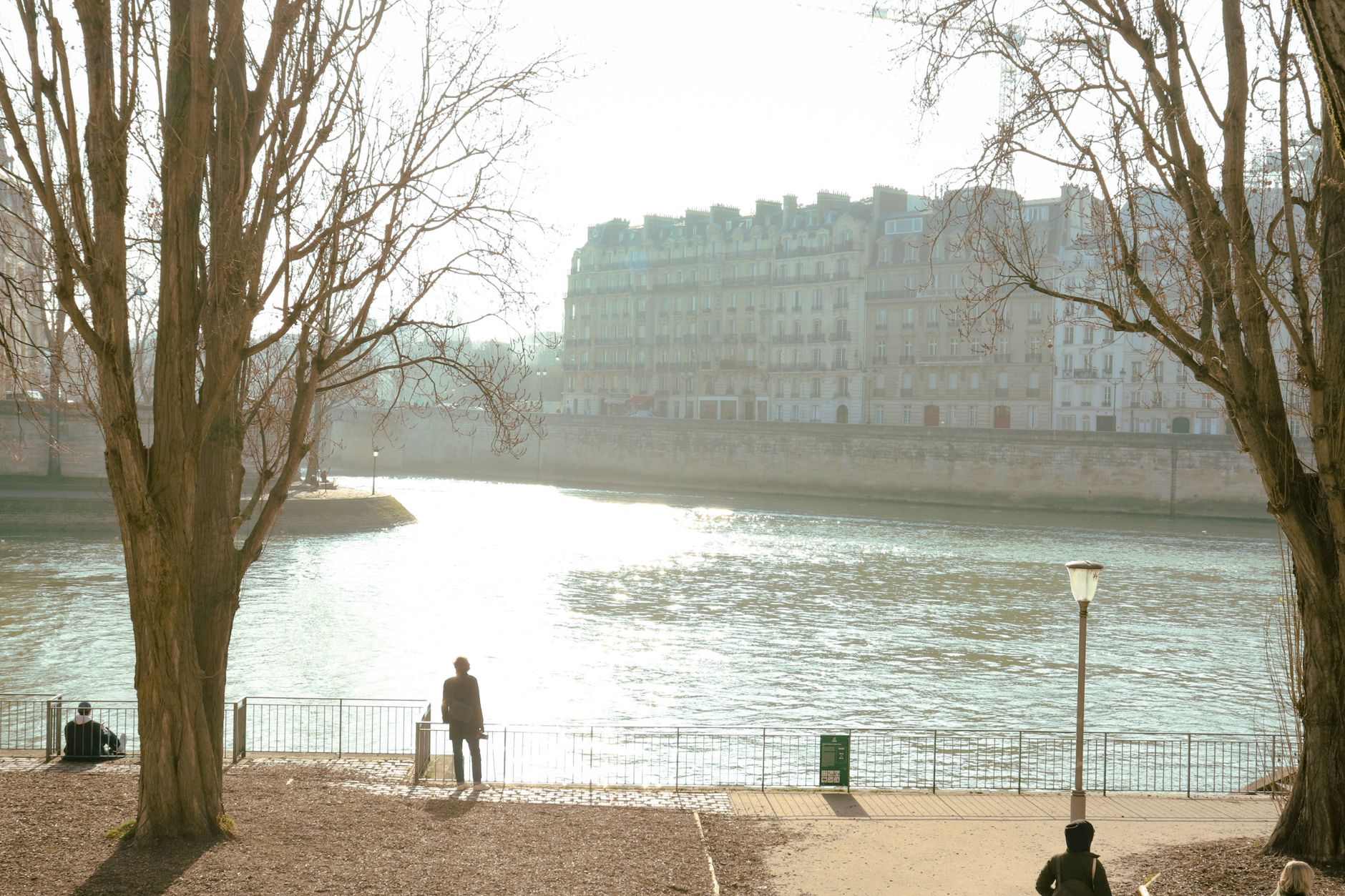
Across the Seine on the ancient Île de la Cité, the heart of medieval Paris has reclaimed its majestic presence. Following five years of miraculous reconstruction after the catastrophic April 2019 fire, Notre-Dame de Paris Cathedral reopened its monumental bronze portals in December 2024. Visitors can once again step beneath its Gothic rib vaults, marvel at the newly restored 13th-century North and South Rose Windows, and admire the reconstructed oak spire engineered to Viollet-le-Duc's exact 19th-century drawings. Just two hundred meters west stands the Sainte-Chapelle, built between 1242 and 1248 by King Louis IX (Saint Louis) to house the Crown of Thorns. Its upper chapel is an ethereal cage of stone: 15 towering stained glass lancets containing 1,113 biblical scenes rise 15 meters high, flooding the sanctum with kaleidoscopic sapphire and ruby light during morning sunshine. Below lies the Conciergerie, the Gothic royal palace turned revolutionary prison where Queen Marie Antoinette spent her final days before the guillotine in 1793.
Stretching across the 3rd and 4th arrondissements, Le Marais is Paris's most vibrant blend of aristocratic architectural grandeur, historic Jewish culture, and contemporary design. Spared from Baron Haussmann's 19th-century bulldozers, its narrow medieval streets are lined with 17th-century private aristocratic mansions (hôtels particuliers) such as the Hôtel de Sully and the Musée Carnavalet, dedicated to the turbulent history of Paris. At the heart of the Marais sits Place des Vosges, Europe's oldest planned royal residential square, inaugurated in 1612 by King Henri IV. Its perfect red-brick and stone symmetry, vaulted ground-floor arcades, and tranquil central linden trees provide an ideal picnic refuge; visit Maison de Victor Hugo in the square's southeast corner where the author penned substantial portions of Les Misérables. Along Rue des Rosiers, the traditional Jewish quarter thrives: join the orderly queue at L'As du Fallafel for pita bread stuffed with crisp fried chickpea balls, roasted eggplant, tahini, and red cabbage—one of the finest and most affordable vegetarian lunches in Europe.
2. The Intellectual & Bohemian Left Bank: 5th, 6th & 7th Arrondissements
Cross to the Rive Gauche (Left Bank) into the Latin Quarter (5th arrondissement), so named because medieval Sorbonne scholars and students conversed exclusively in Latin until the French Revolution. Here, towering atop the Montagne Sainte-Geneviève, sits the neoclassical Panthéon, originally built as an abbey church dedicated to Sainte Geneviève and converted into a secular secular mausoleum honoring French national icons. Descend into the cool crypt to pay homage to the tombs of Voltaire, Jean-Jacques Rousseau, Victor Hugo, Émile Zola, Alexandre Dumas, and physicist Marie Curie (the first woman interred here on her own merits). Beside the Seine stands the legendary independent English-language bookstore Shakespeare and Company, continuing the literary legacy of Sylvia Beach, where Ernest Hemingway, James Joyce, and F. Scott Fitzgerald once congregated.
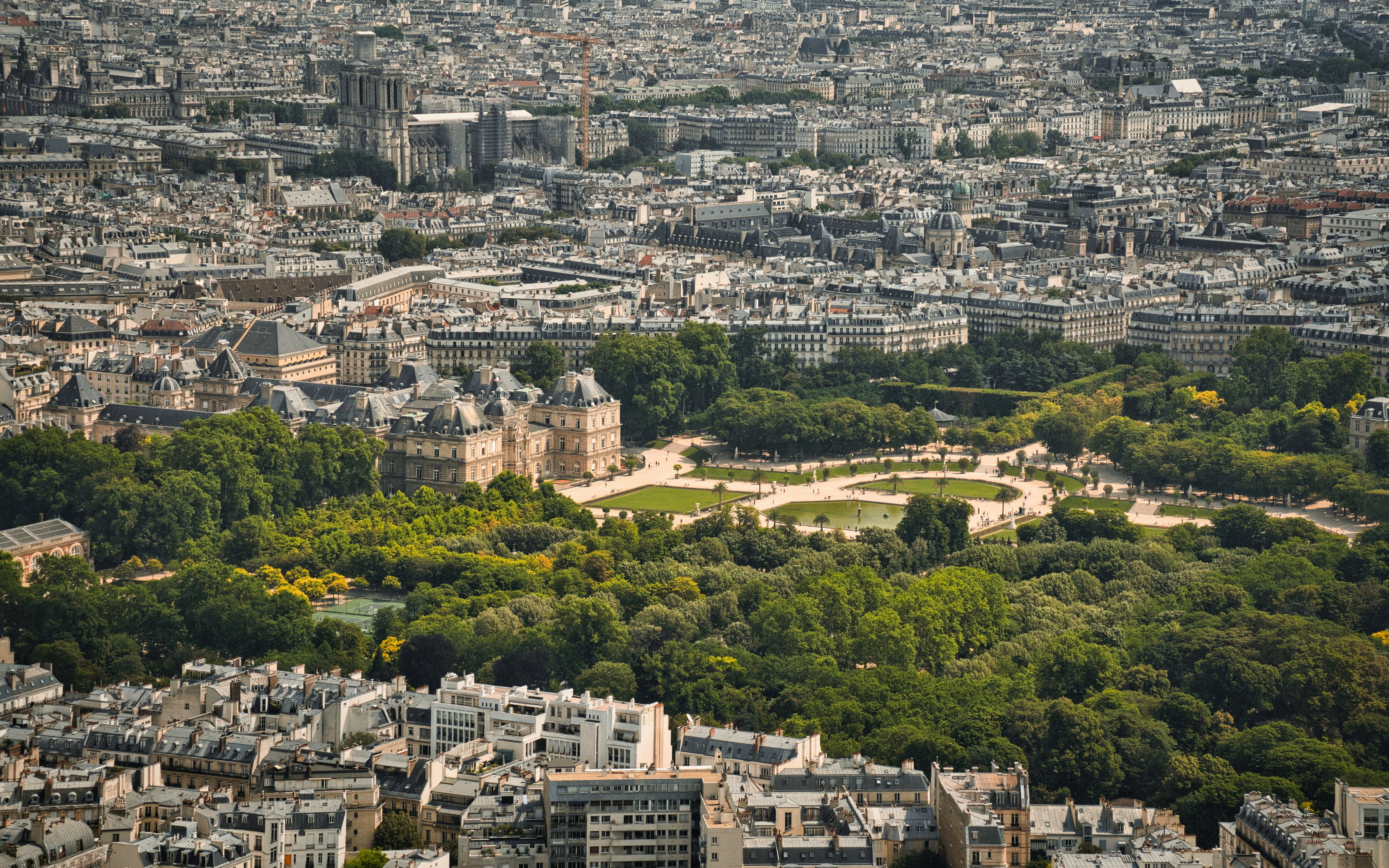
In the adjacent 6th arrondissement (Saint-Germain-des-Prés), post-WWII intellectual history unfolded at sidewalk terrace cafes like Café de Flore and Les Deux Magots, where Jean-Paul Sartre and Simone de Beauvoir debated existentialist philosophy over black coffee. Steps away lie the 25-hectare Jardin du Luxembourg, commissioned in 1612 by Queen Marie de' Medici. Claim one of the iconic green metal reclining chairs (chaises Sénat) beside the octagonal Grand Bassin pond, watch Parisian children sail wooden toy boats, and wander to the shaded 1630 Italian Baroque Fontaine Médicis dripping with ivy.
Continuing westward into the diplomatic 7th arrondissement brings you to the crown jewel of 19th-century art: the Musée d'Orsay. Housed in Victor Laloux's Beaux-Arts railway terminal constructed for the 1900 Paris Exposition, the cavernous barrel-vaulted nave displays the world's preeminent collection of Impressionist and Post-Impressionist masterpieces from 1848 to 1914. Ascend to the 5th floor to view Claude Monet's Blue Water Lilies and Rouen Cathedral series, Pierre-Auguste Renoir's joyful Bal du moulin de la Galette, Edgar Degas's bronze ballerinas, and Vincent van Gogh's poignant Starry Night Over the Rhône and self-portraits. Step out onto the top terrace behind the giant station clock face for a dramatic framed view across the Seine to Sacré-Cœur.
No Paris visit is complete without experiencing the Eiffel Tower (Tour Eiffel) and the expansive lawn of the Champ de Mars. Conceived by engineer Gustave Eiffel for the 1889 Universal Exposition, the 330-meter puddle-iron lattice tower faced fierce condemnation from French intellectuals during construction, only to become the undisputed global symbol of France. Ticket booking strategy: summit tickets with elevator access open exactly 60 days in advance on the official website (toureiffel.paris) and sell out within minutes. If online tickets are unavailable, climb the 674 stairs to the second floor (tickets sold on-site with much shorter queues), where you can purchase an elevator summit upgrade. At dusk, gather on the Champ de Mars or the elevated Trocadéro esplanade: for five magical minutes at the beginning of every hour after nightfall until 01:00, 20,000 flash lamps illuminate the tower in a breathtaking golden sparkle.
3. Bohemian Heights: The 18th Arrondissement (Montmartre & Sacré-Cœur)
Perched atop the highest natural hill (la butte) in Paris, Montmartre (18th arrondissement) retains the distinct atmosphere of a semi-rural village that resisted Parisian incorporation until 1860. During the Belle Époque, cheap rents and windmills drew artists including Pablo Picasso (who painted Les Demoiselles d'Avignon in the squalid Bateau-Lavoir studios), Vincent van Gogh, Henri de Toulouse-Lautrec, and Amedeo Modigliani.
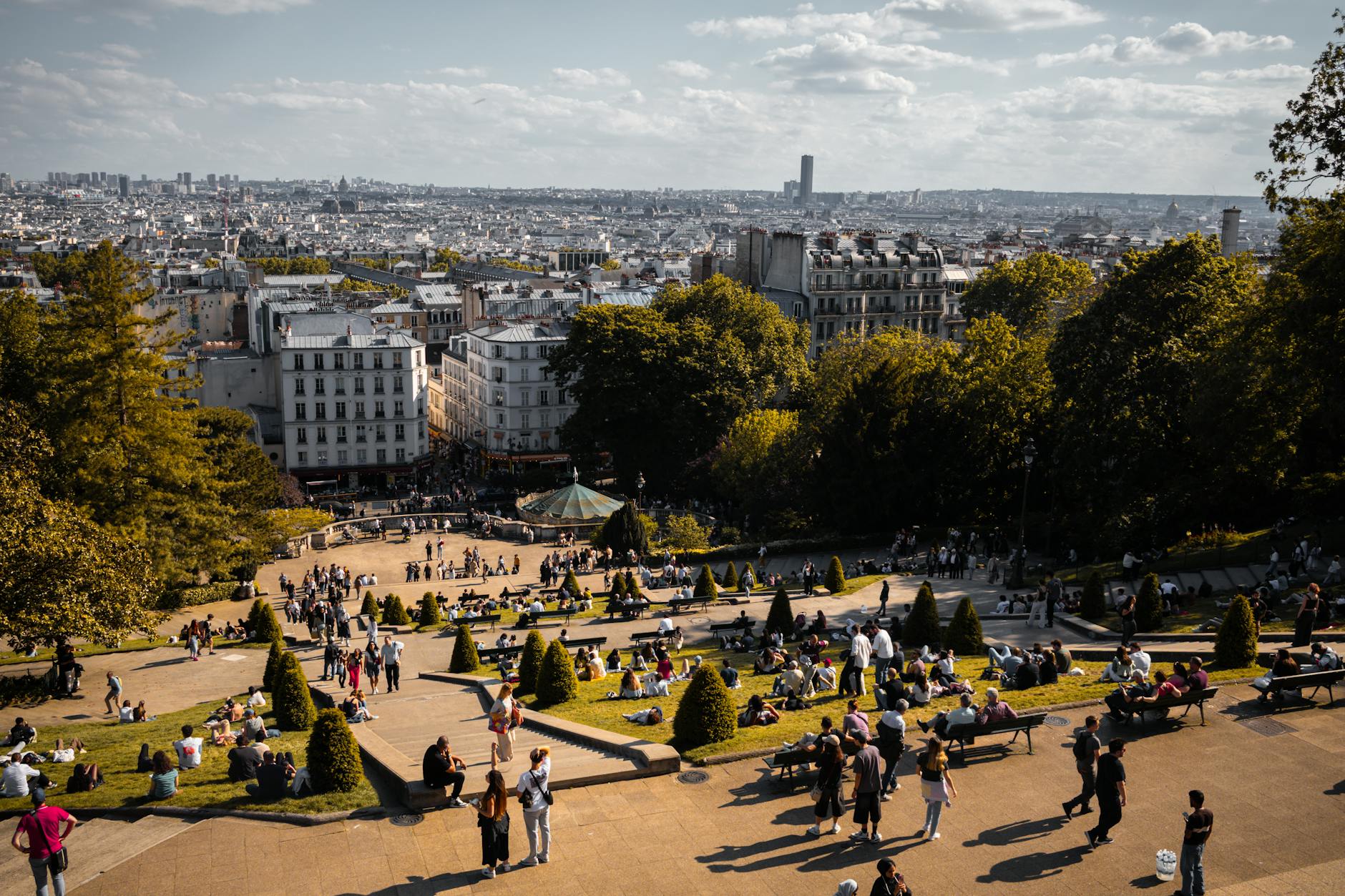
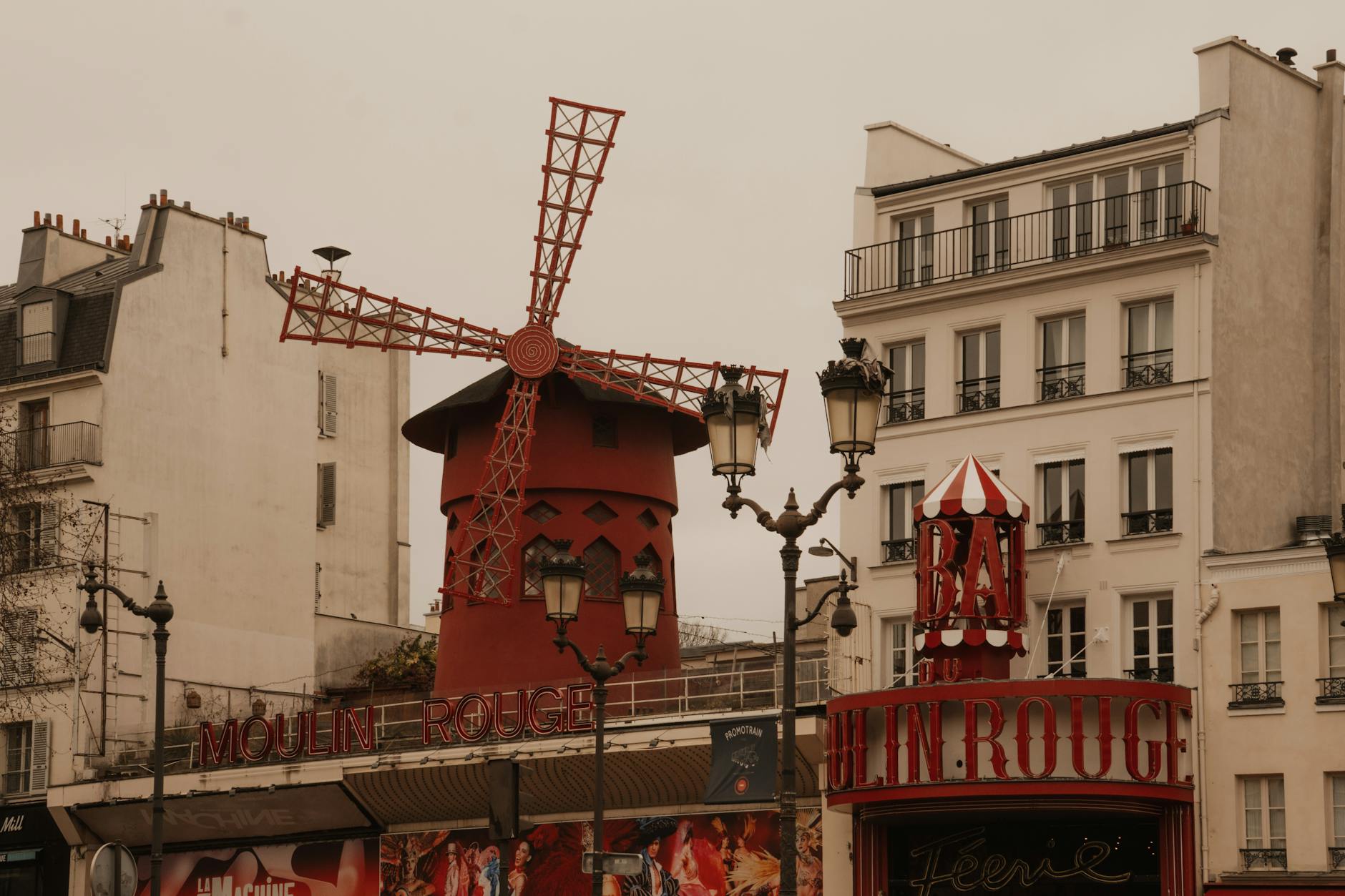
Crowning the summit stands the Romano-Byzantine Basilique du Sacré-Cœur, completed in 1914 out of self-cleaning travertine stone (Château-Landon stone) that bleeds calcite during rain, ensuring its domed silhouette remains gleaming white against the Paris skyline. The basilica's interior ceiling features Luc-Olivier Merson's vast 475-square-meter golden mosaic Christ in Majesty, while the outdoor parvis provides an unmatched southern panoramic vista across the rooftops of Paris. To reach the summit, avoid the crowded stairs of Square Louise Michel by using the automated Montmartre funicular (which accepts standard Navigo Easy transit passes) or ascend via the quieter western hillside through Rue Lepic and the historic Moulin de la Galette windmill.
Bypass the crowded caricature artists in Place du Tertre to wander down Rue de l'Abreuvoir, past the pastel-pink La Maison Rose, to Clos Montmartre—the last surviving vineyard within central Paris, which still produces 1,500 bottles of Pinot Noir and Gamay annually celebrated during the joyous October Grape Harvest Festival (Fête des Vendanges). For authentic food and drink, stroll down Rue des Abbesses and Rue Lepic, filled with traditional cheese affineurs, rotisseries, natural wine caves, and artisan bakeries like Le Grenier à Pain, a multiple-time winner of the Best Baguette in Paris competition.
4. Comprehensive Paris Transit Mastery: Metro, RER & Navigo Protocols
The Paris public transit system operated by RATP is one of the densest and most efficient in the world, with over 300 underground stations ensuring that no point in central Paris is further than 500 meters from a metro stop. Navigating it seamlessly requires mastering a few cardinal rules:
- The Navigo Easy Card: The physical paper ticket is obsolete. Buy a reusable purple plastic Navigo Easy card for €2.00 at any ticket counter, then load it with a carnet of 10 digital tickets at a discount (approx. €17.35 vs. €2.15 for individual fares). Up to 30 single tickets can be stored simultaneously. Alternatively, tap and pay directly through the official Île-de-France Mobilités mobile app on NFC-compatible iPhones and Android phones.
- Scenic Metro Lines: Take Metro Line 6 between Passy and Bir-Hakeim stations: the elevated viaduct crosses the Pont de Bir-Hakeim, delivering an unforgettable, panoramic open-air cinematic view of the Eiffel Tower framed above the Seine. Metro Line 1 is fully automated, driverless, and cuts directly beneath the city's historic east-west axis from Château de Vincennes past Bastille, the Louvre, Tuileries, Place de la Concorde, and Arc de Triomphe to La Défense.
- Airport Transfers (Avoid Highway Gridlock): From Charles de Gaulle Airport (CDG), take the RER B train directly to central Paris (Gare du Nord, Châtelet-les-Halles, Saint-Michel Notre-Dame). Trains depart every 10–15 minutes and take 32–38 minutes, completely bypassing highway traffic. Cost is approximately €11.80. Never accept rides from unregistered taxi touts inside the terminal; use only official taxi stands (flat-rate fares: €56 to Right Bank, €65 to Left Bank) or the RER train. From Orly Airport (ORY), the recently extended Metro Line 14 connects directly to Châtelet in just 25 minutes.
- RER Regional Boundaries: When taking RER trains to Versailles (RER C), Disneyland Paris (RER A), or airports (RER B), always purchase a point-to-point ticket covering regional outer zones. Using a standard city-center t+ ticket triggers automatic alarms at departure turnstiles and incurs an immediate €35 to €50 cash fine from RATP controllers.
5. Indian Traveler Dining, Vegetarian Sanctuaries & Etiquette
Dining in Paris is a treasured cultural ritual. Understanding Parisian food culture allows travelers to dine gracefully and ethically while discovering exceptional plant-based cuisine:
- The Little India Enclave (Passage Brady & Rue Cail): Situated in the 10th arrondissement near Gare de l'Est and Gare du Nord, Passage Brady is an iron-and-glass-roofed arcade established in 1828 that transformed into Paris's vibrant South Asian cultural hub in the 1970s. Here, Indian travelers can find pure vegetarian South Indian establishments:
- Saravanaa Bhavan (170 Rue du Faubourg Saint-Denis): Reliable, piping-hot sambar, crispy paper ghee roast dosas, idli platters, and South Indian filter coffee.
- Krishna Bhavan (24 Rue Cail): Strictly vegetarian North and South Indian thalis, palak paneer, dal makhani, and warm parathas.
- Sangeetha Vegetarian (178 Rue du Faubourg Saint-Denis): Exceptional mini-tiffin meals, rasam vada, and fresh mango lassi.
- Classic French Vegetarian Feasts: In traditional French bistros, savor Ratatouille (Provençal stewed vegetables), Gratin Dauphinois (potatoes baked in cream and nutmeg—always specify "sans lardons"), Omelette aux Fines Herbes (golden herb omelet), or a warm Chèvre Chaud salad (goat cheese rounds broiled on toasted baguette slices with wild thyme and honey).
- Bakery (Boulangerie) Culture: When ordering a baguette, always ask for "Une baguette tradition, s'il vous plaît" rather than a standard baguette. By French law (the 1993 Bread Decree), a "tradition" baguette must be naturally fermented, hand-shaped, and contain zero additives or preservatives, delivering a superior crunchy crust and airy, creamy crumb. Pair it with Brie de Meaux, Comté (aged 18–24 months), or Saint-Nectaire cheeses from a neighborhood fromagerie.
- The Essential Greeting: Always begin every interaction in France—whether walking into a boutique, boarding a bus, or sitting down at a cafe—with a clear, polite "Bonjour, Madame" or "Bonjour, Monsieur". Launching into English without this greeting is considered impolite and will result in aloof service. Conclude interactions with "Merci, bonne journée !" (Thank you, have a nice day!).
6. Signature Day Trips from Paris
Paris serves as the ideal launchpad for iconic excursions across northern France, each reachable by direct rail within 45 to 90 minutes:
- Palace of Versailles: Reachable in 35 minutes via RER C from Saint-Michel to Versailles Château Rive Gauche. Tour the Hall of Mirrors, Grand Trianon, and Queen's Hamlet.
- Château de Fontainebleau: 40 minutes via Transilien Line R from Gare de Lyon to Fontainebleau-Avon. Wander eight centuries of sovereign history and explore the sprawling sandstone boulder forest.
- Giverny: 45 minutes via regional train from Gare Saint-Lazare to Vernon-Giverny, followed by shuttle bus. Step into Claude Monet's living Impressionist garden, famous Japanese bridge, and water lily pond.
- Chartres Cathedral: 60 minutes via TER from Gare Montparnasse. Marvel at Europe's most intact 12th-century blue stained-glass windows and medieval floor labyrinth.
7. The Perfect 4-Day Paris Curated Itinerary
To experience Paris without succumbing to museum fatigue or endless queuing, follow this carefully balanced four-day flow that blends monumental highlights with slow neighborhood wandering:
Day 1: The Royal Axis, The Louvre & Île de la Cité
Morning (09:00–12:30): Begin with a pre-booked 09:00 entry to the Musée du Louvre via the underground Carrousel entrance. Focus exclusively on the Denon Wing (Winged Victory, Venus de Milo, Italian Renaissance masters) and the Richelieu Wing. Stroll out into the Jardin des Tuileries, admiring Aristide Maillol sculptures.
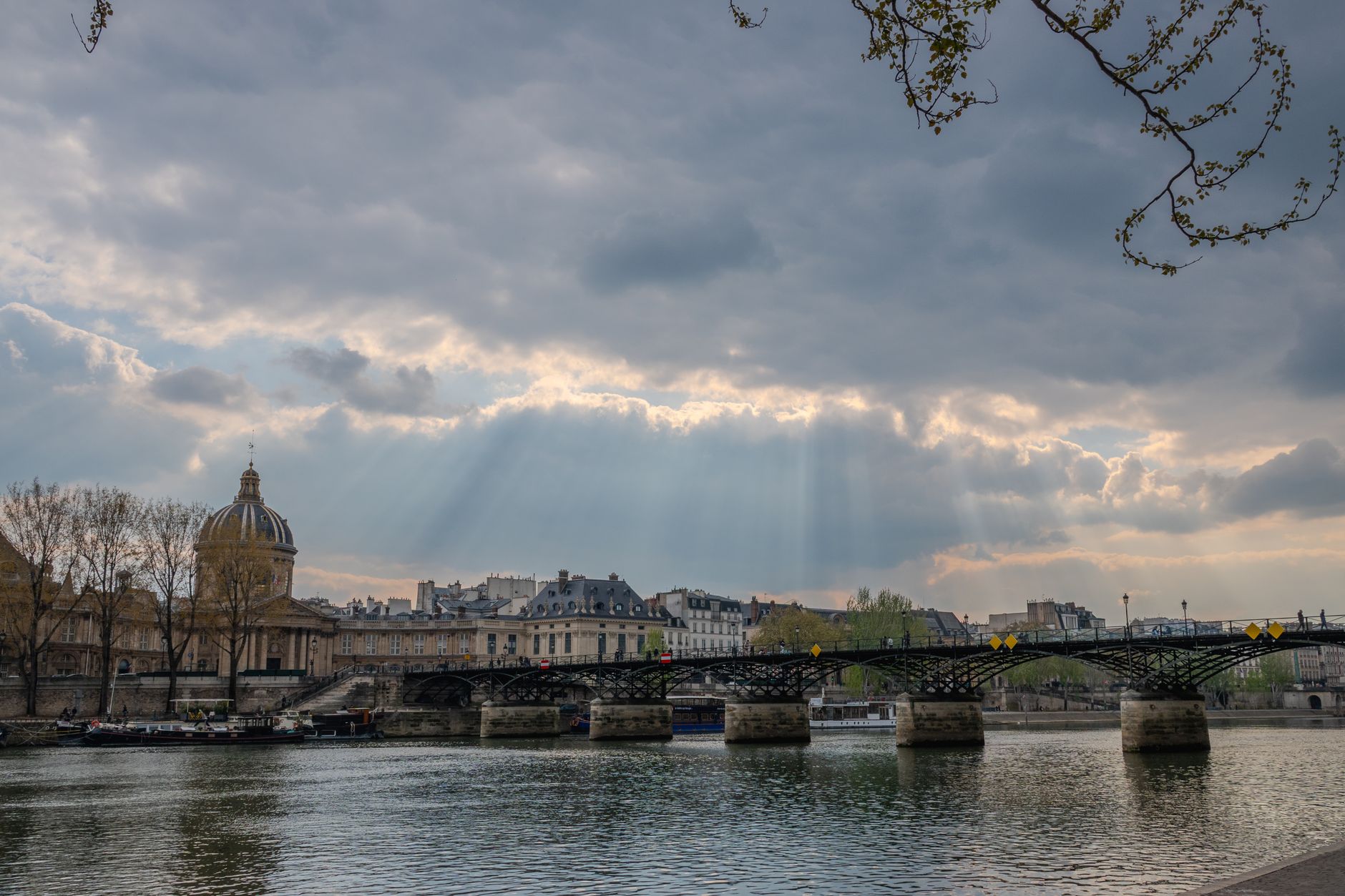
Lunch (12:30–14:00): Walk across Pont Royal to the Left Bank for a casual bistro lunch or pick up a baguette tradition and cheeses for an outdoor picnic by the Seine.
Afternoon (14:30–17:30): Cross to Île de la Cité to step inside the resurrected Notre-Dame de Paris. Walk 200 meters west to gaze up at the 1,113 glowing stained-glass panels of Sainte-Chapelle. Conclude with a walk through the quiet gaslit square of Place Dauphine.
Evening (18:30–21:30): Board an open-air sunset cruise with Vedettes du Pont Neuf from the western tip of Île de la Cité, watching twilight illuminate the river facades. Dine along Rue Saint-André-des-Arts.
Day 2: Impressionism, Literary Left Bank & The Iron Lady
Morning (09:30–12:30): Tour the Musée d'Orsay to immerse in Monet, Degas, Renoir, and Van Gogh. Step out onto the clock terrace for morning light across the city.
Lunch (12:30–14:00): Head to the Latin Quarter for lunch along Rue Mouffetard, one of Paris's oldest market streets, or visit Shakespeare and Company Café for artisanal coffee.
Afternoon (14:30–17:30): Pay homage to French luminaries inside the crypt of the Panthéon, then relax in the green metal chairs around the fountain of the Jardin du Luxembourg.
Evening (18:00–22:00): Take Metro Line 6 across Pont de Bir-Hakeim to the Eiffel Tower. Ascend to the summit as evening turns the sky indigo, then celebrate with the sparkling light show on the Champ de Mars at 22:00.
Day 3: Bohemian Montmartre & Aristocratic Le Marais
Morning (09:00–12:30): Ride the funicular up to Sacré-Cœur Basilica in Montmartre. Escape the crowds by slipping into Rue de l'Abreuvoir, passing La Maison Rose and the Clos Montmartre vineyard, down to the artistic hub of Place Émile-Goudeau.
Lunch (12:30–14:00): Take Metro Line 12 south to Châtelet and walk into Le Marais. Stand in line on Rue des Rosiers for world-famous falafel at L'As du Fallafel.
Afternoon (14:30–17:30): Browse the independent boutiques and art galleries of the Marais, visit the Musée Picasso in the Hôtel Salé, and lounge under the vaulted red-brick arcades of Place des Vosges.
Evening (18:30–22:00): Head to Passage Brady (Little India) in the 10th arrondissement for warm dosas and thalis at Saravanaa Bhavan, followed by evening cocktails along the canal banks of Canal Saint-Martin.
Day 4: Royal Versailles & Grand Boulevard Splendor
Morning to Early Afternoon (08:30–14:30): Board the RER C train to Versailles Château Rive Gauche. Spend the morning in the Hall of Mirrors, explore the Grand Trianon and Marie Antoinette's Hamlet, and stroll along the Grand Canal.
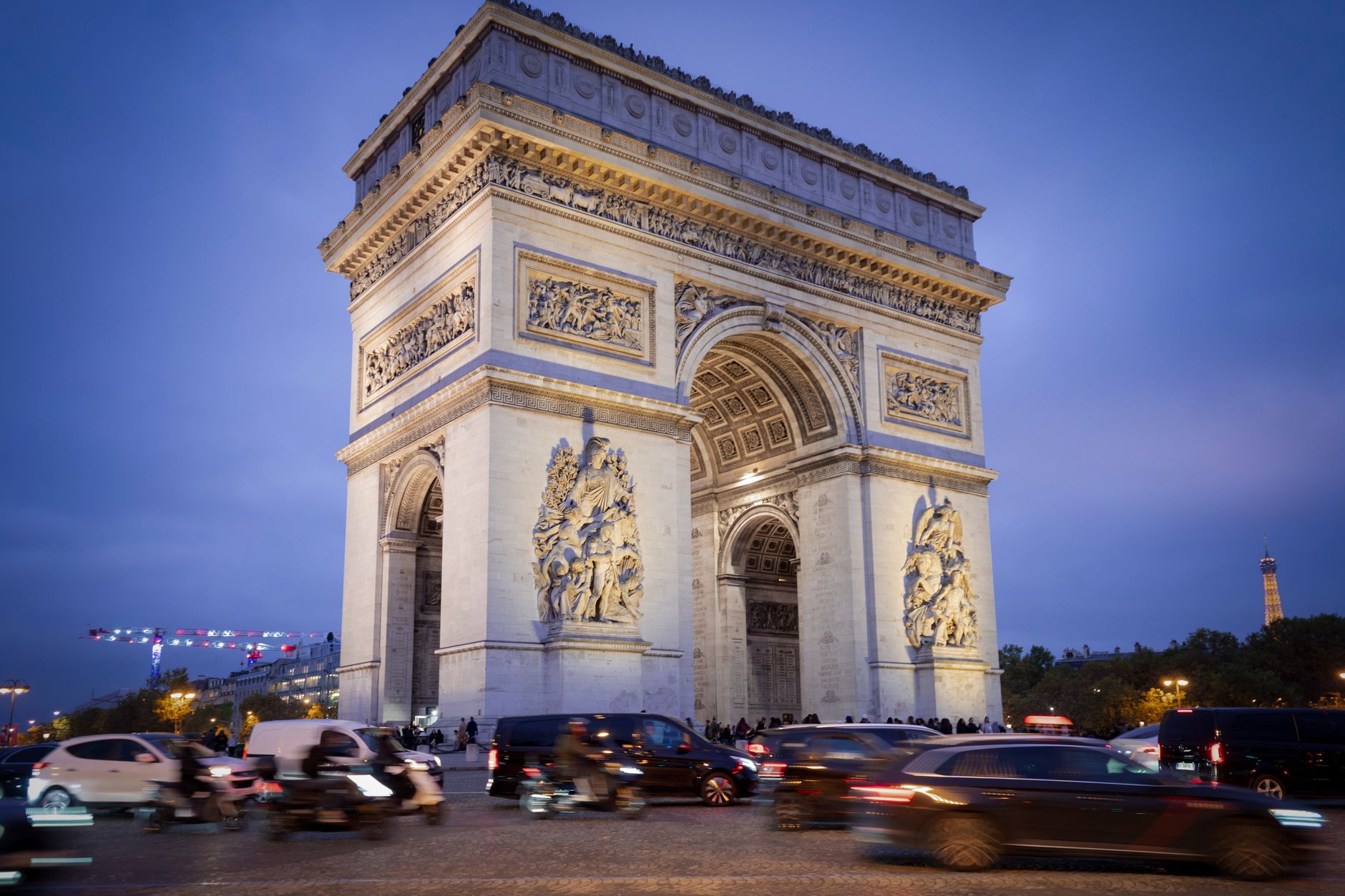
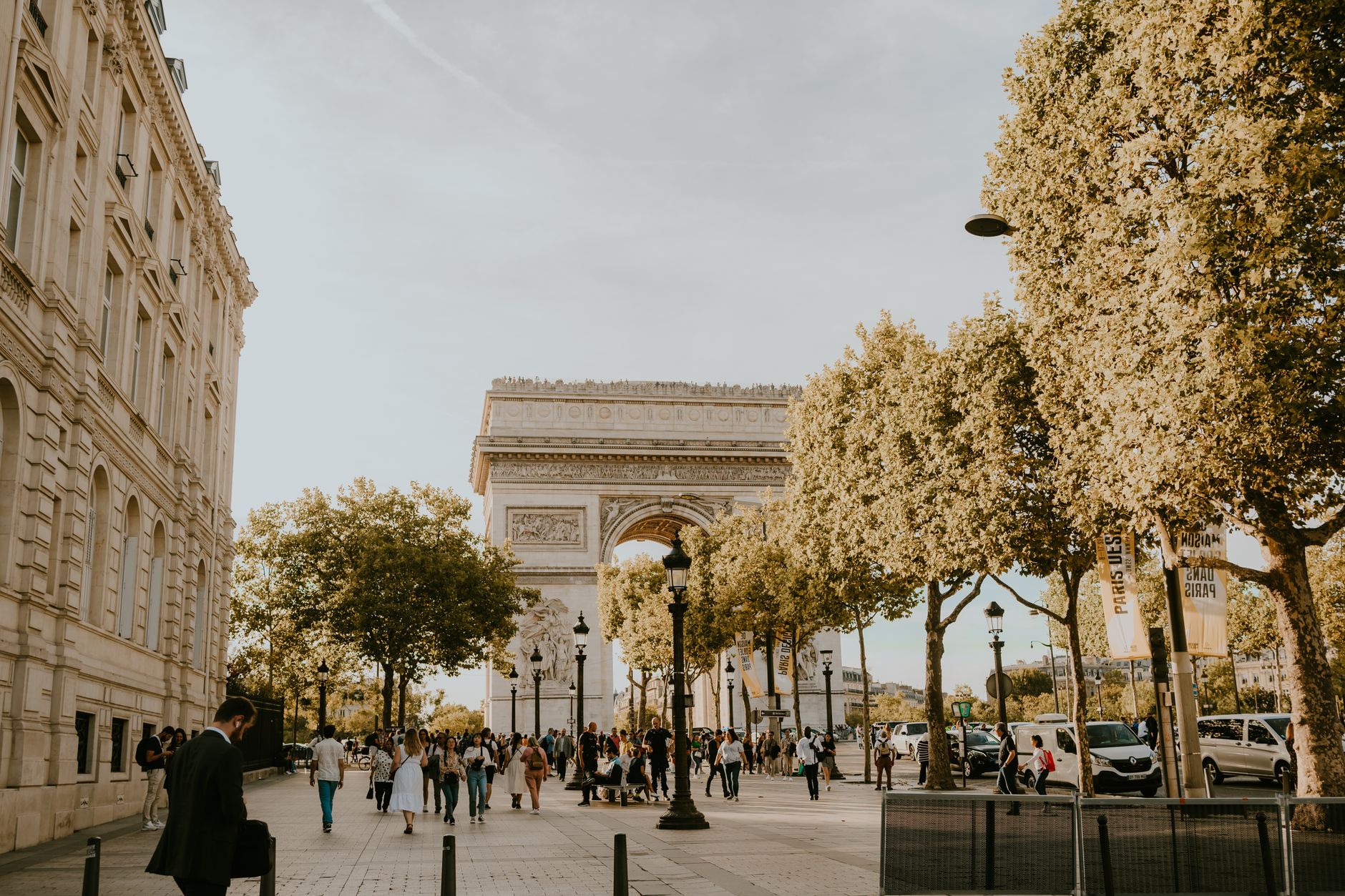
Late Afternoon (15:30–18:00): Return to central Paris and take Metro Line 1 to the Arc de Triomphe. Climb the 284 steps to the rooftop terrace for a stellar 360-degree view of the twelve grand avenues radiating from Place Charles de Gaulle.
Farewell Dinner (19:30–22:00): Celebrate your final evening at an authentic Parisian brasserie such as Bouillon Chartier on Rue du Faubourg Montmartre, soaking in the Belle Époque mirrors and bustling waiter theater.
8. Paris Month-by-Month Weather & Cultural Calendar
Each season paints Paris in a remarkably different emotional register:
- Spring (April to May — 12°C to 20°C): The most magical time to explore. Magnolia trees bloom in the Palais-Royal gardens, cherry blossoms blush pink beside Notre-Dame on Square Jean XXIII, and outdoor café terraces hum with renewed energy. Pack layers and a compact umbrella for sudden spring showers (giboulées).
- Summer (June to August — 18°C to 30°C+): Long daylight hours extend past 22:00. Key cultural dates include the nationwide Fête de la Musique on June 21 (when every street corner, square, and bridge hosts free live concerts), and Bastille Day (July 14) featuring military parades along the Champs-Élysées and fireworks from the Eiffel Tower. Note: August sees many local mom-and-pop bakeries and family bistros close for their annual summer holidays (congés annuels).
- Autumn (September to October — 14°C to 22°C): Golden light bathes the limestone facades, and the Luxembourg and Tuileries gardens turn russet and amber. Cultural life restarts with La Rentrée in September, museum blockbuster exhibitions debut, and grape harvest celebrations fill Montmartre. Excellent travel conditions with thinner crowds.
- Winter (November to February — 3°C to 8°C): Crisp, atmospheric, and quiet. Avenue Montaigne and the Champs-Élysées shimmer with holiday fairy lights, open-air ice rinks pop up across the city, and traditional wooden chalets at the Tuileries Christmas Market serve warm roasted chestnuts (marrons chauds) and hot spiced apple cider.