The Royal Abbey of Saint-Jean-d'Angély: Relic of the Baptist
Cradled within a verdant bend of the Boutonne River in the heart of historical Saintonge, Saint-Jean-d'Angély owes its medieval prominence to a sacred Christian relic. In the ninth century, King Pepin I of Aquitaine (grandson of Charlemagne) founded a magnificent Benedictine monastery here to enshrine the alleged skull of Saint John the Baptist, miraculously brought to France from Alexandria by an Aquitaine monk named Felix. This revered relic transformed the town into one of the most prestigious pilgrimage waypoints on the *Via Turonensis* (the Tours Route), the northernmost of the four historic French pilgrimage highways leading to the tomb of Saint James in Santiago de Compostela.
Over subsequent centuries, the royal abbey was repeatedly sacked by Viking raiders, leveled during the Hundred Years' War, and substantially ruined in 1568 during the French Wars of Religion when Protestant Huguenot forces dynamited the Gothic church. In the early seventeenth century, the Benedictine Congregation of Saint-Maur undertook a monumental reconstruction in grand classical Baroque style. Today, the preserved monastic buildings house the Centre de Culture Européenne, welcoming international scholars, artists, and pilgrims walking the Camino de Santiago.
The Unfinished Towers: Monumental Vistas Over Saintonge
The most dramatic and recognizable architectural landmark of Saint-Jean-d'Angély is its pair of colossal, roofless stone towers (*Les Tours de l'Abbaye*). Begun in 1741 to replace the destroyed Gothic abbey church, construction of this ambitious neoclassical cathedral facade was abruptly halted in 1789 by the outbreak of the French Revolution, which dissolved monastic orders and confiscated church property. Left permanently open to the sky, the monumental limestone towers soar forty meters above the town square.
Visitors can climb the two hundred winding stone steps of the south tower to access an elevated viewing terrace spanning between the twin battlements. The summit platform affords breathtaking 360-degree vistas taking in the terracotta-tiled roofs of the medieval quarter, the meandering ribbon of the Boutonne River, the sprawling vineyards of the Cognac AOC, and the rolling agricultural horizons of the Charente plain.
Medieval Timber-Framed Alleys, the Clock Tower and Cognac Terroirs
Wandering the historic alleys surrounding Place du Pilori reveals an exceptional architectural legacy. The square takes its name from the *Fontaine du Pilori*, an exquisite 1558 Renaissance stone fountain originally sculpted for the nearby Château de Brizambourg and relocated to Saint-Jean-d'Angély in 1819, adorned with delicate friezes and water-spouting masks. Straddling the old rue de l'Horloge stands the *Tour de l'Horloge* (Clock Tower), a fortified fifteenth-century municipal gateway and belfry with an arched pedestrian passage beneath, once forming part of the town's defensive ramparts.
Saint-Jean-d'Angély lies firmly within the *Fins Bois* cru of the Cognac production appellation. Family-owned distilleries in the surrounding countryside continue the centuries-old art of double-distilling Ugni Blanc white wine in traditional copper Charentais alembic stills, aging the clear spirit (*eau-de-vie*) in handcrafted Limousin oak barrels for decades. Local cellars offer tastings of aged Cognac alongside *Pineau des Charentes* (a delectable aperitif created by blending unfermented fresh grape must with young Cognac eau-de-vie), traditionally accompanied by goat cheeses such as Chabichou du Poitou and freshly baked Tourteau Fromagé.
Pilgrimage Heritage and the Romanesque Art of Saintonge
Saint-Jean-d'Angély's status on the UNESCO-listed Routes of Santiago de Compostela placed it at the center of one of Europe's richest concentrations of Romanesque art. Saintonge is internationally renowned among architectural historians for its unique Romanesque style, characterized by intricately sculpted stone facades executed in soft white limestone that has hardened over centuries. The nearby church of Saint-Pierre d'Aulnay—located just twenty kilometers north along the ancient pilgrim path—is celebrated as a pinnacle of Romanesque sculpture, featuring four sculpted portal arches depicting the Virtues overcoming the Vices, the Labors of the Months, and the Twenty-Four Elders of the Apocalypse holding golden vials and harps.
Within Saint-Jean-d'Angély, the pilgrimage tradition continues to this day. The *Halte Jacquaire* (Pilgrim Hostel) welcomes hundreds of walkers and cyclists each year traversing the *Via Turonensis* on their journey toward Spain. Pilgrims gather at the Abbaye Royale to receive their official credential stamps, sharing stories in the tranquil monastic cloisters before setting off across the sunflower-filled valleys of the Charente.
The Boutonne River and Saintonge Gastronomic Bounty
The Boutonne River, the longest right-bank tributary of the Charente River, lends Saint-Jean-d'Angély an enchanting riparian landscape. In the nineteenth century, the river was canalized to transport Cognac barrels, timber, and grain down to Rochefort and the Atlantic ocean. Today, the tranquil waterway is a haven for leisure navigation: visitors can rent electric boats, canoes, and stand-up paddleboards from the *Base de Loisirs d'Ansamble*, gliding silently past ancient stone mills, weeping willows, and quiet fishing pools teeming with pike, zander, and carp.
Gastronomic culture in Saint-Jean-d'Angély reflects the rich agricultural soil of the Saintonge plain. The bustling covered market (*Marché Sous les Halles*), held every Wednesday and Saturday morning, is packed with regional culinary specialties: fragrant *Melons Charentais*, freshly dug *Mojettes de Pont-l'Abbé* (tender white beans slow-simmered with garlic, pork rinds, and thyme), artisanal goat cheeses including *Chabichou du Poitou* and *Jonchée charentaise* (fresh curd drained in wild rush mats and scented with almond laurel water), and the iconic *Tourteau Fromagé*, a unique cake featuring an intentionally blackened, caramelized crust covering a light, fluffy fresh goat cheese sponge.
Musée des Cordeliers and the Trans-African Expedition
Housed within the historic nineteenth-century convent of the Cordeliers, the *Musée des Cordeliers* in Saint-Jean-d'Angély preserves an extraordinary chapter of twentieth-century global exploration: the historic *Croisière Noire* (Black Cruise), the first automobile crossing of the African continent from Algeria to Madagascar, organized by automotive pioneer André Citroën in 1924–1925.
The expedition was co-led by Saint-Jean-d'Angély native Louis Audouin-Dubreuil, an intrepid Saharan explorer and naval officer. The museum proudly exhibits the original half-track caterpillar vehicles (*autochenilles Citroën-Kégresse*) that conquered the desert sands of the Sahara, equatorial jungles of the Congo, and swamps of Lake Chad, alongside thousands of ethnographic photographs, artifacts, and zoological specimens collected during the 20,000-kilometer expedition.
From Saint-Jean-d'Angély, the scenic *Voie Verte de la Boutonne* offers an exceptional cycling and walking greenway following the former railway towpath along the Boutonne River. Shaded by ash and alder trees, the route meanders westward through picturesque Saintonge villages, crossing stone bridges and passing historic watermills. Travelers can stop at local artisan cheese dairies to sample unpasteurized goat milk cheeses or visit family-run Cognac estates where distillation secrets have been handed down from father to son for five generations.
Maison du Sénéchal, Barrel Cooperage and Plan d'Eau de Bernouët
A stroll through Saint-Jean-d'Angély's pedestrian center reveals hidden architectural masterworks such as the *Maison du Sénéchal* on Rue de l'Échoppe. Constructed in the late sixteenth century in Flamboyant Gothic and early Renaissance styles, this handsome stone mansion features intricate corbelled corner turrets, stone-mullioned windows, and delicate carved friezes depicting allegorical figures. Historically, Saint-Jean was a vital center for traditional barrel cooperage (*tonnellerie*), crafting handcrafted oak casks from the nearby forests of Tronçais and Limousin essential for aging the region's world-famous Cognac eaux-de-vie.
Just south of the town center lies the *Plan d'Eau de Bernouët*, a peaceful ten-hectare leisure lake created along a tranquil branch of the Boutonne River. Encircled by walking paths shaded by weeping willows and poplars, the lake features kayak and paddleboat rentals, children's playgrounds, and open-air riverside brasseries. In summer, the lake's grassy banks host open-air film screenings and convivial music picnics, providing a delightful retreat for families and pilgrims exploring the Saintonge valley.
Saintonge Stone Masonry and Historic Trade Routes
The distinctive architectural harmony of Saint-Jean-d'Angély is intimately linked to the exceptional quality of local Saintonge limestone. Extracted from ancient subterranean quarries along the Boutonne valley, this fine-grained white tufa stone was easily worked by medieval sculptors and hardened upon exposure to the air, creating the magnificent sculpted capitals, gargoyles, and flamboyant window tracery that adorn the city's churches and private mansions.
In the Middle Ages, the Boutonne River was lined with merchant wharves where barges (*gabarres*) loaded barrels of Saintonge wine, wheat, and salt to be transported down to the ocean. Today, this rich mercantile past is celebrated during annual heritage festivals, where historical reenactors, artisan stonemasons, and traditional cooperage masters demonstrate centuries-old crafts in the abbey courtyards, showcasing the enduring pride and craftsmanship of Charente-Maritime.
Whether exploring the serene cloisters of the Royal Abbey, ascending the monumental unfinished towers, or paddling along the Boutonne, travelers discover an authentic and deeply welcoming heart of historical Saintonge.
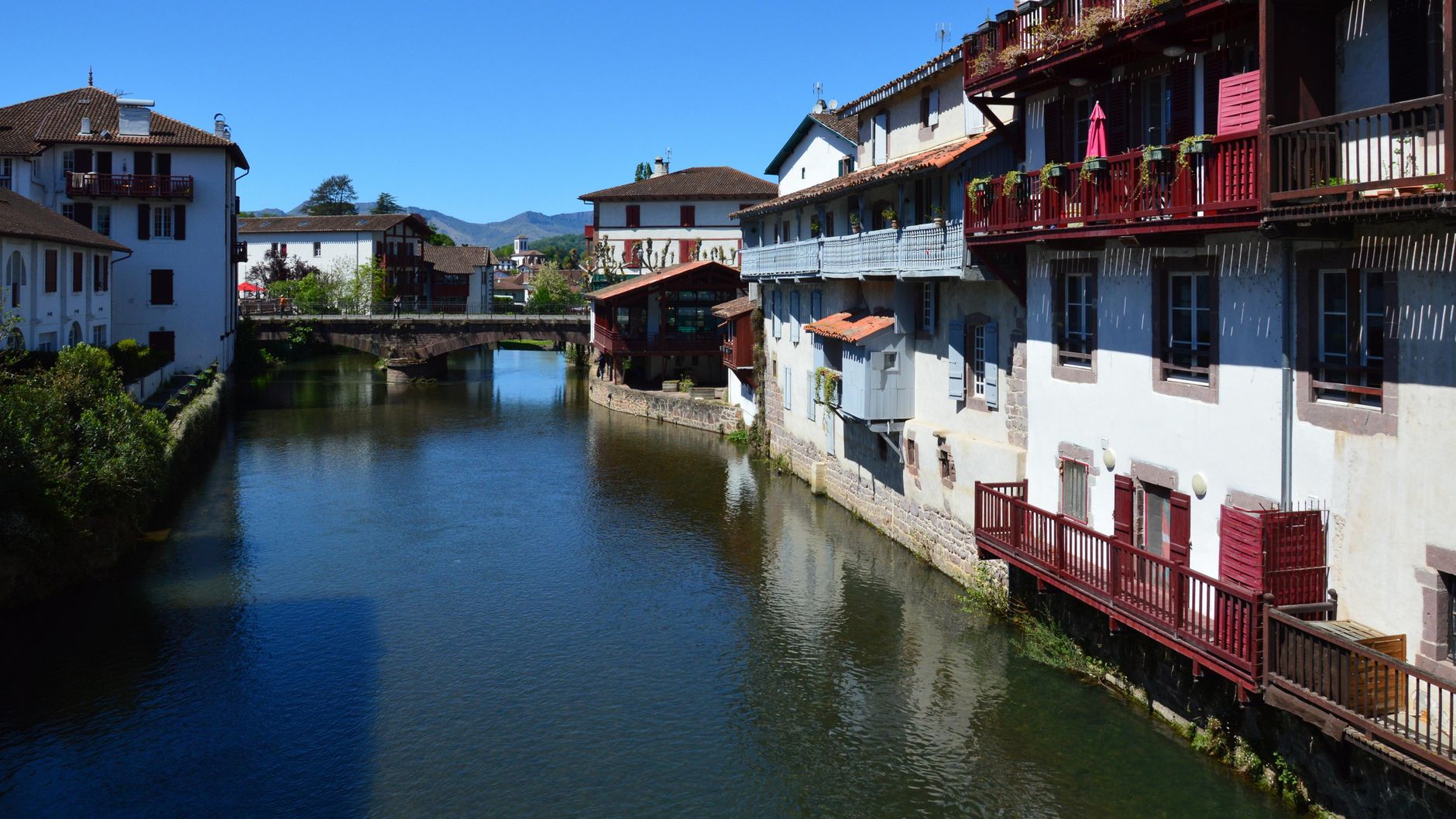 Saint-Jean-D'Angély · France