Joranda Falls — The 150-Meter Single-Plunge Cascade of Simlipal
Dropping a breathtaking 150 meters (492 feet) in a single, uninterrupted vertical plunge over sheer rock escarpments in the core of Simlipal Biosphere Reserve, Joranda Falls is one of eastern India's most sublime wilderness cascades—where pure mountain waters crash into an ancient abyss draped in wild orchids and sal canopy.

The Geological Majesty of the Unbroken Plunge

Enclosed within the misty, primeval evergreen and moist deciduous heartlands of the Simlipal National Park and Tiger Reserve in Mayurbhanj district, Joranda Falls stands as one of the most aesthetically flawless waterfalls in South Asia. While its celebrated sister waterfall Barehipani descends in two massive stepped leaps totaling 399 meters, Joranda is distinguished by its dramatic, sheer 150-meter (492-foot) single-tier plunge.
The waterfall is formed by a perennial mountain stream fed by the pristine upper catchment of the Palpala and Budhabalanga river network. Coursing through the elevated undulating plateau of central Simlipal at an altitude exceeding 800 meters, the stream reaches a sudden, razor-sharp geological fracture in the Precambrian basalt and khondalite bedrock. Unlike cascading or horsetail falls that hug the sloping rock face, the water at Joranda leaps clean off the precipice into thin air, plummeting in a straight, glistening column of foaming white water directly into a deep circular plunge pool carved into the shadowed gorge floor below.
Because the torrent descends without making physical contact with the cliff wall until the very bottom, aerodynamic resistance disperses the falling water into a billowing curtain of fine spray. On sunny mornings, when the dawn light filters through the dense sal canopy, the gorge is bathed in luminous prismatic colors, with shimmering rainbows spanning the chasm from rim to rim.
Deep Gorge Microclimate & Orchid Sanctuaries
The perpetual vapor cloud and heavy acoustic roar generated by Joranda Falls have created an extraordinarily fertile microclimate within the canyon amphitheater. The constant high humidity and protection from scorching summer winds provide ideal growth conditions for rare, moisture-sensitive plant species. Towering moist peninsular sal trees (*Shorea robusta*), white cedar (*Dysoxylum binectariferum*), and rosewood (*Dalbergia latifolia*) form a dense upper canopy, draped in thick lianas and woody climbers (*Bauhinia vahlii*).
Simlipal is celebrated as the botanical 'Orchid Paradise of Odisha', harboring 93 documented species of wild orchids. The vertical rock cliffs flanking Joranda Falls provide an undisturbed natural sanctuary where spectacular epiphytic and lithophytic orchids—such as the Blue Vanda (*Vanda coerulea*), Foxtail Orchid (*Rhynchostylis retusa*, known locally as *Kopou Phula*), and various species of *Dendrobium*—bloom profusely in cascades of purple, white, and yellow from March to May.
Along the dripping stone walls of the plunge pool grow ancient tree ferns (*Cyathea gigantea*), delicate maidenhair ferns, and prehistoric club mosses that have survived virtually unchanged since the Mesozoic Era. The acoustic sanctuary of the gorge echoes with the calls of resident Peregrine Falcons, Crested Serpent Eagles, and swifts that nest in the inaccessible rock crevices directly adjacent to the thunderous water column.
Indigenous Santhal Lore & The Foxtail Orchid Bloom
To the indigenous Santhal, Kolha, and Bhumij tribes dwelling in the peripheral buffer villages of Simlipal, Joranda Falls is surrounded by deep mythological veneration. In ancestral folklore, the roaring column of white foam is believed to be guarded by a mythical serpentine spirit that dwells within the subterranean plunge pool, safeguarding the forest's life-giving mountain springs from drought. Tribal elders historically paid homage to this spirit before venturing into the deep gorges to gather minor forest produce.
Between late March and May, the gorge undergoes an astonishing botanical metamorphosis. The slopes surrounding the falls erupt into full bloom with the sacred Kopou Phula (Foxtail Orchid, *Rhynchostylis retusa*), whose pendulous, cylindrical racemes of fragrant pink and white blossoms drape over mossy sal limbs. Indigenous women tuck these wild orchids into their hair buns during spring forest celebrations, singing traditional Santhali songs celebrating the return of the monsoon clouds that will soon replenish the roaring torrents of Joranda.
Wildlife Encounters in the Tiger Reserve Core
Because Joranda is located strictly inside the core wilderness zone of Simlipal Tiger Reserve, human vehicular movement is strictly regulated, preserving the tranquil domain of India's most extraordinary carnivores and herbivores. Simlipal is globally renowned as the sole natural habitat on earth for wild melanistic Royal Bengal Tigers (pseudo-melanistic tigers displaying dense, coalescing black stripes caused by a rare genetic mutation). While tiger sightings require exceptional patience and forest fortune, fresh pugmarks are regularly documented by Forest Department tracking teams along the dusty safari tracks leading to the waterfall.
The surrounding dense riverine forests are also home to large breeding herds of Asian Elephants (*Elephas maximus*), Northern Indian Leopards (*Panthera pardus*), Dhole or Asiatic Wild Dogs (*Cuon alpinus*), Sloth Bears, Sambar deer, and Barking Deer (Muntjac). High in the tree canopy, the endemic Indian Giant Squirrel (*Ratufa indica*) with its rich maroon and cream coat can frequently be seen leaping ten meters between sal branches, while Malabar Pied Hornbills fly across the canyon in graceful undulating glides.
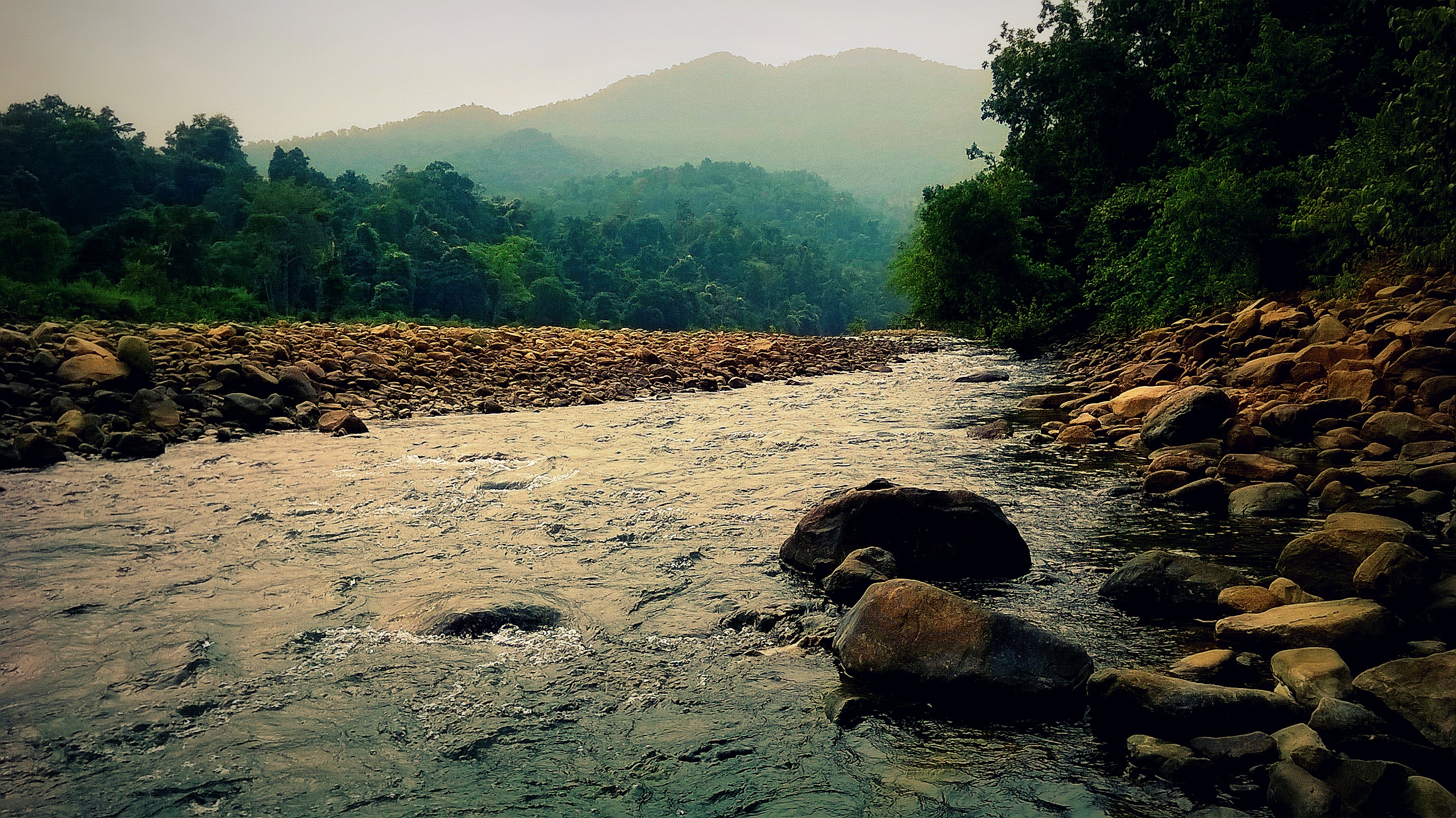
Forest Watchtower, Safari Routing & Travel Blueprint
Visitors access Joranda Falls through authorized Forest Department 4x4 Gypsy safaris originating from either the Jashipur Entry Gate (west) or the Pithabata Entry Gate (east, near Baripada). From Jashipur, the 60-kilometer forest drive traverses dense woodlands, crossing babbling forest streams at Nawana and Chahala before arriving at the Joranda forest rest area.
The Forest Department has constructed a raised, fortified wooden watchtower and stone viewing pavilion situated safely along the canyon rim opposite the falls. From this commanding vantage point, travelers enjoy a clear, uninterrupted perspective of the entire 150-meter plunge column, the mist-filled abyss below, and the sweeping blue ridges of the Meghasani range in the distance. Sturdy railings, solar illumination, and informative biological display boards enhance the visitor experience without intruding upon the pristine wilderness.
Visitor Logistics & Travel Guidelines
| Aspect | Practical Details |
|---|---|
| Location & Access | Located inside Simlipal Tiger Reserve, 18 km from Barehipani Falls; 60 km from Jashipur gate; 80 km from Baripada town. Entry permitted only via authorized 4x4 safari vehicles accompanied by a certified forest guide. |
| Visiting Season | Open annually from November 1 to mid-June. Closed during the monsoon season (mid-June to October) due to flooded river crossings. Peak water flow occurs in November and December. |
| Entry Permits & Timings | Safari gate entry permits are issued between 6:00 AM and 9:00 AM at Jashipur and Pithabata checkposts. All safari vehicles must exit the reserve gates before 5:00 PM. |
| Eco-Cottage Accommodation | Overnight stays can be booked at Forest Department nature camps inside or bordering the park: Gudgudia Nature Camp, Barehipani Nature Camp, Chahala Forest Lodge, and Lulung Eco-Resort (online booking via ecotourodisha.com). |
| Conservation Rules | Plastic waste, liquor, loud music, and stepping outside designated viewpoint pavilions are strictly prohibited. Trekking to the bottom of the gorge is barred for safety and conservation reasons. |
Nearby Attractions & Explorations
- Barehipani Falls Simlipal: India's second-highest waterfall (399m) located 18 km from Joranda.
- Simlipal Tiger Reserve & Biosphere: Odisha's premier northern tiger reserve home to rare melanistic black tigers.
- Mayurbhanj District & Royal Baripada: Royal Chhau dance traditions, Haripur Garh palace ruins, and tribal crafts.
- Mayurbhanj Tribal Heritage: Santhal, Ho, and Bhumij tribal cultures and sacred groves.
- Chhau Dance Heritage: UNESCO-recognized martial masked dance form of Mayurbhanj.
- Balasore District Travel Directory: Coastal neighbor with Chandipur beach and maritime heritage.
- Odisha State Portal: Complete master directory of destinations, districts, and travel guides across Odisha.
Frequently Asked Questions About Joranda Falls
What is the height of Joranda Falls?
Joranda Falls has a sheer single-drop plunge height of 150 meters (492 feet), dropping straight into a deep gorge without touching the cliff face.
How does Joranda Falls differ from nearby Barehipani Falls?
While Barehipani Falls is higher at 399 meters and descends in two massive stepped tiers, Joranda Falls drops 150 meters in a single, uninterrupted vertical plunge. Both waterfalls are located inside Simlipal Tiger Reserve just 18 km apart.
Can I visit Joranda Falls on a day trip?
Yes, visitors can enter Simlipal through the Jashipur or Pithabata gates between 6:00 AM and 9:00 AM, visit both Barehipani and Joranda falls, and exit before the 5:00 PM gate closing time.
Is Joranda Falls open throughout the year?
No, like all of Simlipal Tiger Reserve, Joranda Falls is open to tourists from November 1 to mid-June. It is strictly closed during the monsoon months (July to October) for wildlife breeding and due to slippery mountain roads.