1. Overview & Archaeological Significance
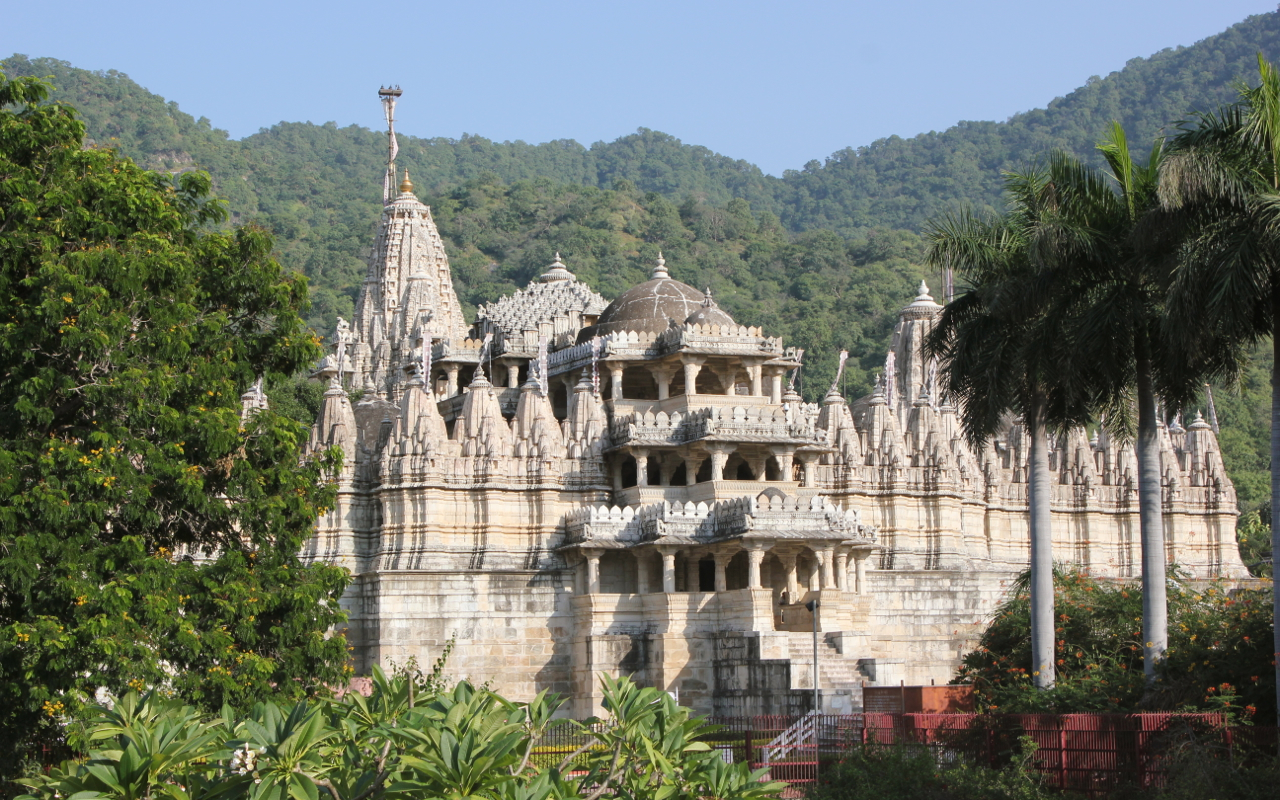
The Chaturmukha Dharana Vihara (popularly known as the Ranakpur Jain Temple), nestled in a secluded, verdant valley of the Aravalli mountain ranges along the Maghai River in Pali district, Rajasthan, is universally celebrated as one of the most astonishing, intricate, and spiritually sublime architectural masterpieces ever created by humankind. Commissioned in 1439 CE by Dharna Shah, a wealthy and devout Porwad Jain merchant and chief minister of Mewar, the monument was erected on land gifted by the enlightened monarch Maharana Kumbha, after whom the valley of *Ranakpur* was named.
Located in the Pali district of Rajasthan, Ranakpur Chaturmukha Jain Temple is centrally protected by the Archaeological Survey of India (ASI) as an irreplaceable landmark of South Asian civilization. Recognized for its imperial māru-gurjara white marble temple architecture, chaturmukha (four-faced) design, 1,444 unique pillars & 29 pillared halls, the site provides profound insights into the technological prowess, cosmological beliefs, and cultural aesthetics of its ancient builders.
2. Dynastic Origins, Royal Patrons & Chronology
According to temple records, Dharna Shah was inspired by a divine celestial vision of a heavenly chariot (*Nalinigulma Vimana*) and sought master architects across India who could translate his cosmic dream into marble. He selected Depa (Depaka), an eccentric genius and master builder who devoted fifty years of his life to directing thousands of master sculptors. Dedicated to Lord Rishabhanatha (Adinatha), the first Tirthankara of Jainism, Ranakpur was completed around 1458 CE, standing today as the absolute pinnacle of Māru-Gurjara marble temple architecture.
What makes Ranakpur globally legendary is its staggering hypostyle forest of pillars. The temple contains an astonishing one thousand four hundred and forty-four (1,444) carved marble columns, with the miraculous artistic feat that no two pillars are carved alike. The positioning of the pillars is engineered with such optical genius that from no vantage point within the 48,000-square-foot interior is the line of sight to the central four-faced Tirthankara ever obstructed. Conserved by the Anandji Kalyanji Trust, Ranakpur is a hallowed sanctuary of peace, non-violence, and breathtaking aesthetic perfection.
3. Structural Engineering & Architectural Design
The architectural plan of Ranakpur is designed on the sacred *Chaturmukha* (four-faced) scheme, measuring 200 feet by 225 feet, rising from an elevated basement terrace (*Jagati*). The temple is entered via four grand flights of stairs facing the four cardinal directions, leading into four magnificent multi-storeyed entrance porches (*Mandapas*).

In the central sanctum sits the monumental four-faced (*Chaturmukha*) idol of Lord Adinatha carved from pure white marble, facing outward toward the four directions of the universe, symbolizing the omnipresence of Tirthankara wisdom. The temple incorporates twenty-nine distinct pillared halls (*Mandapas*), four subsidiary two-storeyed shrines, and eighty-four subsidiary devotional chapels arranged along the surrounding cloistered corridor.
The marble carving at Ranakpur is virtually peerless in its delicacy and translucence. The ceilings feature concentric corbelled domes carved with dancing *Vidyadevis* (goddesses of knowledge), foliate pendants, and arabesques so finely undercut that light filters through the stone like lace. Celebrated carved wonders include the *Akshaya Vriksha* (wish-fulfilling tree) carved from a single marble block, the 108-headed serpent canopy over Parshvanatha, and the playful relief carving of master architect Depa and patron Dharna Shah.
4. Archaeological Excavations, Epigraphy & Conservation
Conserved and maintained by the renowned Seth Anandji Kalyanji Trust with expert conservation architects.
Underwent microscopic chemical cleaning to remove atmospheric grime and bat droppings, restoring the marble's pristine white luminosity.
Installed subtle non-invasive audio-guide systems and stone-paved pathways throughout the surrounding forested precinct.
Entry fee for foreign tourists is ₹200 (including audio guide); Indian visitors pay a nominal camera fee. Free entry for darshan.
5. Master Highlights & Archaeological Marvels
1,444 Unique Marble Pillars: An astonishing forest of 1,444 carved white marble pillars where no two designs are identical.

Chaturmukha Four-Faced Design: Four entrances leading to a four-faced central marble Adinatha facing the cardinal points.
Lace-Like Corbelled Domes: Twenty-nine hypostyle halls featuring concentric domes with hanging floral pendants and Vidyadevis.
6. Visiting Hours, Entry Permits & Visitor Guidelines
Open for tourists from 12:00 PM to 5:00 PM (morning hours reserved for prayers). A detailed tour requires 2 to 3 hours.
Afternoon sunlight shifts through the forest of pillars, changing the color of the white marble from ivory to warm amber.
Dress code is strictly enforced: shoulders and knees must be covered; no leather items (belts, wallets, bags) permitted inside.
Photography is permitted with a permit; maintain absolute silence and reverence inside the consecrated prayer halls.
Non-Jain visitors are admitted from 12:00 PM onwards; plan your arrival time accordingly to avoid waiting.
7. Site Museum & Interpretation Centers
The companion Surya Temple (Sun Temple) and Suparshvanatha Temple lie within the outer garden complex.
Kumbhalgarh Fort and Badal Mahal are situated 50 km east across the scenic mountain pass.
8. Climate, Best Seasons & Ideal Visiting Hours
October through March is the premier season, featuring pleasant, cool days and comfortable temperatures between 15°C and 27°C.
Winter months offer clear skies and refreshing mountain breezes through the Maghai River valley.
9. Transit Logistics, Rail, Air & Road Access
Located in Ranakpur village, Sadri tehsil of Pali district, Rajasthan, 90 km north of Udaipur and 160 km south of Jodhpur.
Easily reached by private taxi, rental car, or luxury bus from Udaipur (approx. 2 hours drive via the picturesque Aravalli ghats).
10. Regional Heritage Circuits & Sibling Monuments
Ranakpur is the spiritual diamond of the Southern Rajasthan Heritage Trail:
Sacred Architecture & Darshan Protocol Guide
Maximize your spiritual journey: VIP vs Sugam Darshan line reality, locker rules, and historical truth.
- ✓Sugam Darshan & Token Blueprint: Accurate online booking rules, pre-dawn passes, and entry lane realities.
- ✓Zero Commercialization Guard: Avoid bogus intermediaries, fake priest fees, and paid blessing scams.
- ✓Locker, Footwear & Mobile Safety: Verified cloakroom locations, authorized phone lockers, and security rules.
- ✓Hidden Architectural Marvels: Inscriptions, subterranean sanctums, and forgotten stone carvings.
🛡️ Personally curated by PK Gupta & the Hidden Routes research desk. Delivered directly to your Email & WhatsApp within 4–8 hours.
11. Frequently Asked Questions
Why is the Ranakpur Jain Temple world-famous?
Ranakpur is famous for its 1,444 uniquely carved white marble pillars, its breathtaking translucent domes, and its four-faced (*Chaturmukha*) architectural plan.
Is it true that no two pillars are alike at Ranakpur?
Yes, every single one of the 1,444 marble pillars is carved with a completely distinct artistic design and ornamentation.
Who built Ranakpur Temple and who designed it?
It was commissioned in 1439 CE by Porwad Jain merchant Dharna Shah on land granted by Maharana Kumbha, and designed by master architect Depa.
What is the dress code and rules for visiting?
Visitors must cover shoulders and knees, remove shoes, and leave all leather items (belts, wallets, shoes) outside the temple premises.
What are the visiting hours for tourists at Ranakpur?
Tourists are admitted from 12:00 PM to 5:00 PM daily (mornings are reserved for religious prayers and devotions).