1. Overview & Archaeological Significance
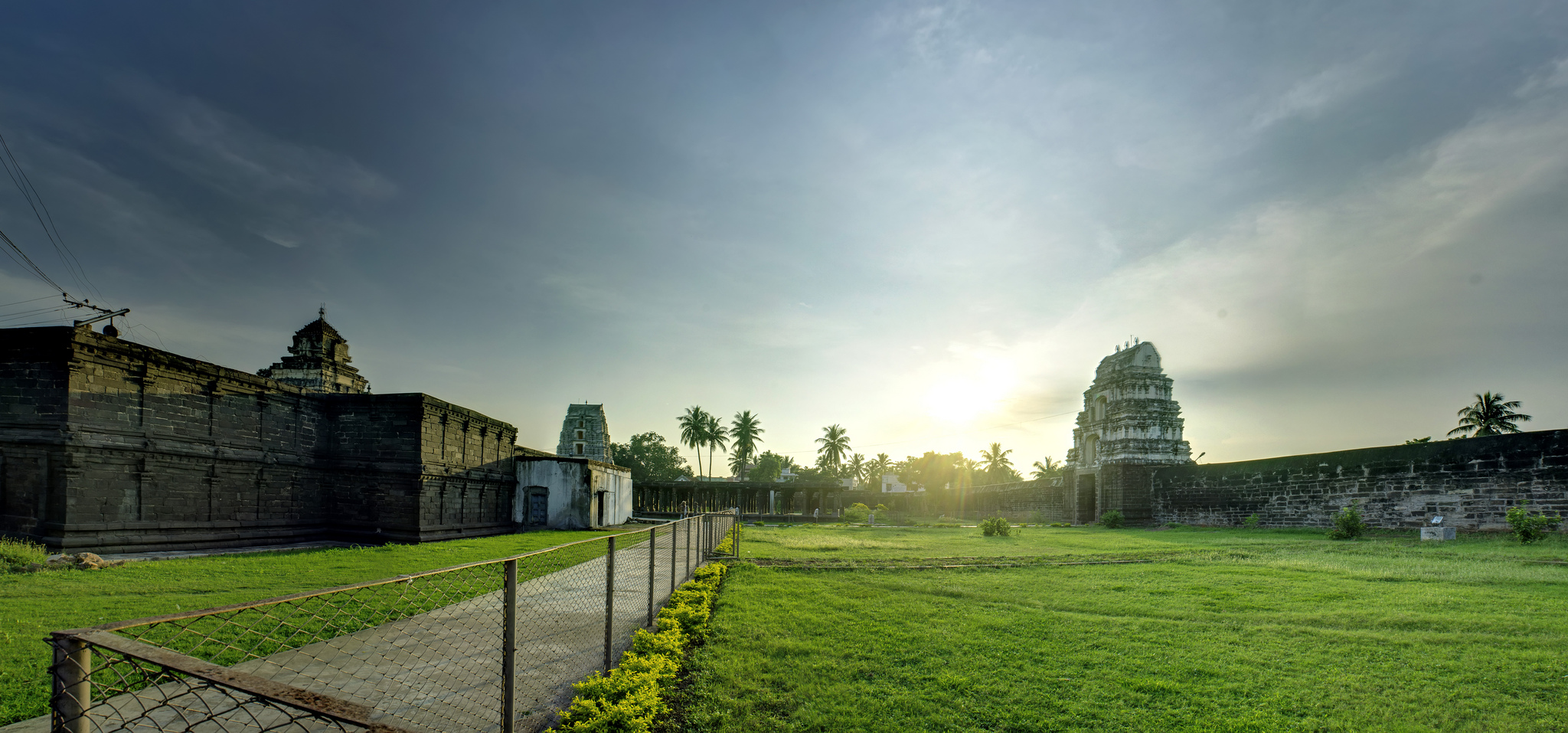
The Sri Bhimeswara Swamy Temple at Draksharama (anciently known as *Draksharamam* or *Dakshavatika*), nestled amidst the emerald coconut groves and fertile waterways of the Godavari delta in Dr. B.R. Ambedkar Konaseema district, Andhra Pradesh, is one of the most sacred, historically monumental, and epigraphically rich pilgrimage shrines in Southern India. Revered as the premier shrine of the sacred *Pancharama Kshetras* (five hallowed Shaivite sanctuaries of Andhra) and celebrated simultaneously as the 12th sacred *Ashta Dasa Shakti Peetha* (seat of Goddess Manikyamba), Draksharama is traditionally known as *Dakshina Kashi* (the Varanasi of the South).
Located in the Dr. B.R. Ambedkar Konaseema district of Andhra Pradesh, Draksharama Bheemeswara Swamy Temple is centrally protected by the Archaeological Survey of India (ASI) as an irreplaceable landmark of South Asian civilization. Recognized for its imperial eastern chalukya dravida temple architecture, two-storeyed sanctum, 14-foot crystal lingam, saptagodavari & inscribed epigraphs, the site provides profound insights into the technological prowess, cosmological beliefs, and cultural aesthetics of its ancient builders.
2. Dynastic Origins, Royal Patrons & Chronology
According to ancient Puranic mythology, when the demon king Tarakasura was slain by Lord Kartikeya, the giant Shiva Lingam worn around the demon's neck shattered into five sacred fragments that fell in five holy spots across coastal Andhra, each consecrated by a deity. The largest fragment fell at Draksharama and was consecrated by the Sun God Surya. Furthermore, mythological lore identifies Draksharama as the legendary *Daksha Vatika*—the sacred garden of Prajapati Daksha where the fateful Daksha Yagna was performed and Goddess Sati sacrificed herself in the sacrificial fire.
Historically, the monumental stone temple was commissioned between 892 and 922 CE by the illustrious Eastern Chalukya monarch King Chalukya Bhima I. Draksharama is an epigraphic treasure trove of the first order, preserving over three hundred and eighty (380) authentic stone inscriptions carved on its walls and pillars, spanning the Eastern Chalukyas, Cholas, Kakatiyas, Reddis, and the Vijayanagara Empire. Conserved today as a Monument of National Importance by the Archaeological Survey of India (ASI) while functioning as a vibrant living temple, Draksharama is an eternal jewel of Andhra's spiritual heritage.
3. Structural Engineering & Architectural Design
The architectural plan of Draksharama is engineered on a monumental scale, constructed of heavy, fine-grained greyish-black stone ashlar blocks. The complex is enclosed by two concentric stone enclosure walls (*Prakaras*), entered via four soaring *Gopuram* gateways oriented to the cardinal directions.

The unique structural feature of the temple is its two-storeyed sanctum sanctorum (*Dvi-tala Garbhagriha*). In the center rises the colossal *Bheemeswara Lingam*—a monolithic black crystal (sphatika) Shiva lingam soaring an astonishing 14 feet (4.2 meters) in height, extending vertically through the ceiling of the ground floor into the upper storey. Daily pujas, abhishekam, and rituals are performed on the upper floor, where priests stand on an elevated stone gallery to worship the apex of the lingam, while devotees on the ground floor view its massive base.
Within the inner courtyard stands the sanctified shrine of *Goddess Manikyamba*, depicted as a serene four-armed stone deity seated in padmasana. Adjacent to the temple lies the sacred *Sapta Godavari*—a massive holy water tank excavated in the 9th century, believed to be fed by the mystical confluence of the seven sacred streams of the Godavari River.
4. Archaeological Excavations, Epigraphy & Conservation
The ASI stabilized the two-storeyed sanctum walls, pointed ancient stone joints, and waterproofed the vimana roof.
Documented and cataloged all 380+ stone inscriptions, publishing detailed epigraphic volumes on medieval Andhra history.
Consolidated the ancient stone steps of the Sapta Godavari tank and installed paved pedestrian courtyard walkways.
Entry to Draksharama Temple is free. Special darshan tickets and abhishekam sevas are managed by the Endowments Department.
5. Master Highlights & Archaeological Marvels
Pancharama & Shakti Peetha: One of the five sacred Pancharama shrines and home to Goddess Manikyamba Shakti Peetha.

14-Foot Black Crystal Lingam: A colossal monolithic crystal lingam extending through two distinct architectural storeys.
380+ Historical Inscriptions: An epigraphic encyclopedia documenting seven centuries of Chalukya, Chola, and Kakatiya rule.
6. Visiting Hours, Entry Permits & Visitor Guidelines
Open daily from 6:00 AM to 12:00 PM and 3:00 PM to 8:00 PM. A complete darshan and tour of inscriptions takes 1.5 to 2 hours.
Morning Abhishekam (7:00 AM – 9:00 AM) on the upper floor is a deeply moving spiritual experience.
Traditional dress code is strictly enforced: dhotis/kurtas for men, sarees/churidars for women.
Remove footwear before entering the temple prakara; maintain silence near the inner sanctum.
The stone stairs ascending to the upper sanctum are steep and narrow; exercise care while climbing.
7. Site Museum & Interpretation Centers
The companion Pancharama temple of Kumararama Bheemeswara Swamy at Samalkot lies 50 km to the north.
The historic port city of Kakinada is situated 28 km to the northeast.
8. Climate, Best Seasons & Ideal Visiting Hours
October through March is the premier season to visit, featuring pleasant tropical weather and cool delta breezes.
Maha Shivaratri and Devi Navratri witness grand temple processions and thousands of pilgrims taking holy dips in the Sapta Godavari.
9. Transit Logistics, Rail, Air & Road Access
Located in Draksharamam town, Ramachandrapuram mandal of Dr. B.R. Ambedkar Konaseema district, Andhra Pradesh.
Kakinada (28 km) and Rajahmundry (45 km) are the nearest major railway stations; regular buses and taxis connect directly.
10. Regional Heritage Circuits & Sibling Monuments
Draksharama is the premier crown of the Sacred Andhra Pancharama Trail:
Sacred Architecture & Darshan Protocol Guide
Maximize your spiritual journey: VIP vs Sugam Darshan line reality, locker rules, and historical truth.
- ✓Sugam Darshan & Token Blueprint: Accurate online booking rules, pre-dawn passes, and entry lane realities.
- ✓Zero Commercialization Guard: Avoid bogus intermediaries, fake priest fees, and paid blessing scams.
- ✓Locker, Footwear & Mobile Safety: Verified cloakroom locations, authorized phone lockers, and security rules.
- ✓Hidden Architectural Marvels: Inscriptions, subterranean sanctums, and forgotten stone carvings.
🛡️ Personally curated by PK Gupta & the Hidden Routes research desk. Delivered directly to your Email & WhatsApp within 4–8 hours.
11. Frequently Asked Questions
What is a 'Pancharama Kshetra' in Andhra Pradesh?
A Pancharama Kshetra is one of five sacred Shiva temples in Andhra Pradesh where the five shattered fragments of Tarakasura's holy Shiva lingam fell.
How tall is the Shiva Lingam at Draksharama?
The monolithic black crystal Shiva Lingam soars an astonishing 14 feet (4.2 meters) high, rising through two distinct storeys of the temple.
Why is Draksharama called 'Dakshina Kashi'?
It is called Dakshina Kashi (Southern Varanasi) because of its supreme spiritual sanctity, its ancient origin as Daksha Vatika, and its Sapta Godavari lake.
Who built Draksharama Temple and when?
It was commissioned between 892 and 922 CE by King Chalukya Bhima I of the Eastern Chalukya dynasty.
Which Shakti Peetha is located inside Draksharama?
The temple houses the sacred 12th Ashta Dasa Shakti Peetha dedicated to Goddess Manikyamba.