1. Geography: Foothills of the Sacred Agasthyamalai
Located on the southeastern rim of Thiruvananthapuram district, approximately 32 kilometres from the state capital, the Neyyar Wildlife Sanctuary (നെയ്യാർ വന്യജീവി സങ്കേതം) is the southernmost wildlife sanctuary in Kerala. Spanning an expansive area of 128 square kilometres at elevations ranging from 90 metres at the dam base to 1,868 metres atop the sacred granite pinnacle of Agasthyarkoodam, Neyyar was established in 1958, making it one of the earliest protected wildlife reserves in post-independence India.
The sanctuary encompasses the catchment basin of the perennial Neyyar River and its tributaries, the Mullayar and Kallar, impounded by the monumental Neyyar Dam completed in 1958. The resulting 9-square-kilometre reservoir meanders through deep evergreen forest valleys, dotted with small forested islets that create an enchanting aquatic labyrinth set against the rugged backdrop of the Sahyadri mountains.
Ecologically, Neyyar is the primary gateway to the Agasthyamalai Biosphere Reserve, recognized by UNESCO for its extraordinary plant endemism. The sanctuary shelters over 1,000 species of flowering plants, including hundreds of rare Ayurvedic medicinal herbs, alongside contiguous tropical evergreen, semi-evergreen, and montane grassland biomes that connect seamlessly with the Peppara Wildlife Sanctuary and Tamil Nadu's Kalakkad Mundanthurai Tiger Reserve.
2. The Lion Safari Park: Open-Air Island Safari
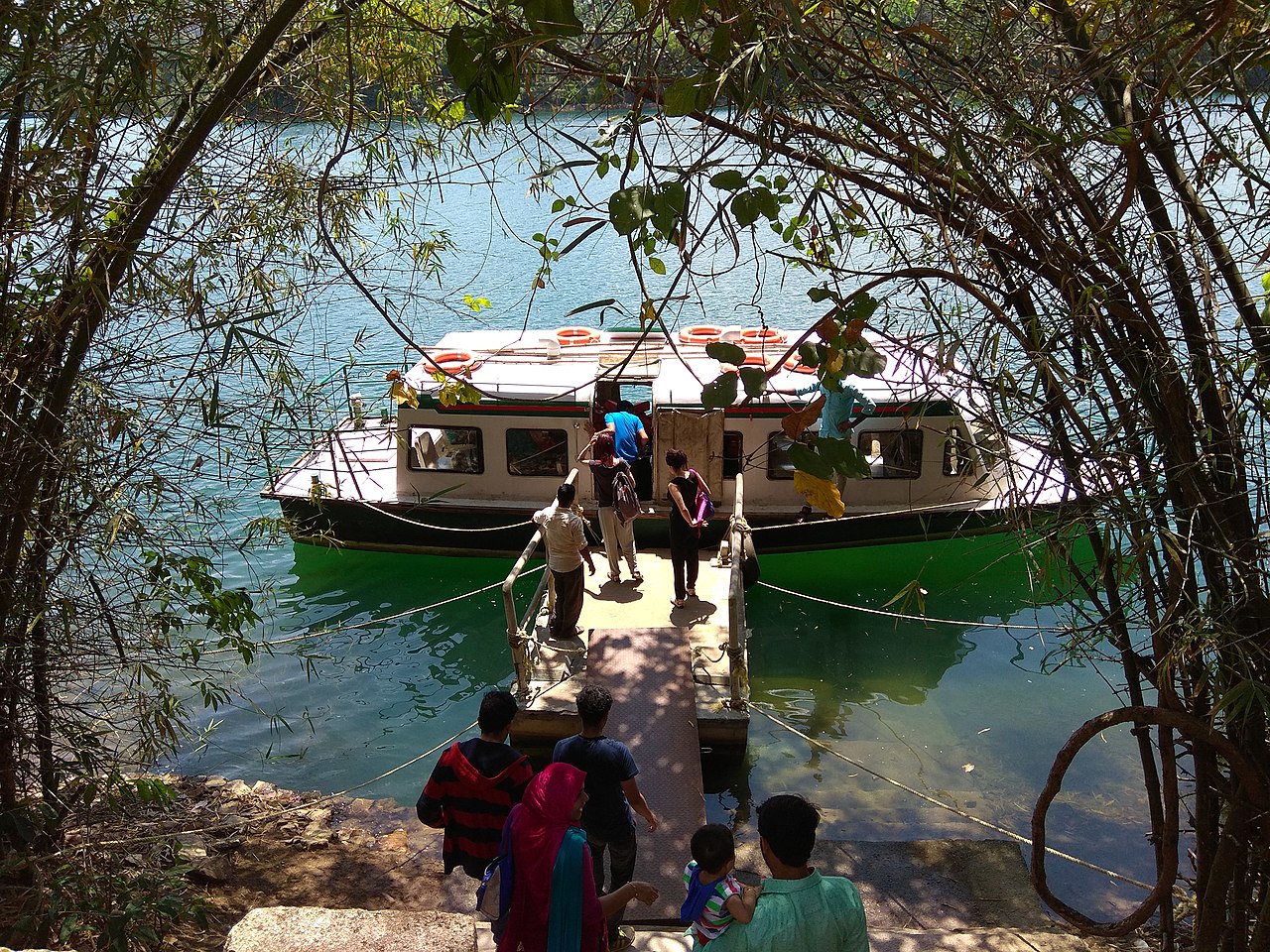
One of the most famous tourist attractions at Neyyar is the Lion Safari Park, located on a large, 4.2-hectare forested island within the Neyyar reservoir. Reached via a short Forest Department speed-ferry ride across the lake, this specialized safari facility allows visitors to observe Asiatic lions roaming freely within a large, fenced natural wilderness enclosure.
Visitors board heavily caged, air-conditioned Forest Department safari mini-buses that drive through reinforced security double-gates directly into the lion habitat. From the safety of the vehicle, passengers can watch lions lounging beneath shaded tree canopies, drinking from natural rock pools, and surveying their island territory from elevated granite mounds.
The facility was established as an educational and conservation park to raise public awareness about the plight of India's big cats, providing an exhilarating, safari-style encounter especially popular among families and school groups visiting from across South Kerala.
3. The Steve Irwin Crocodile Rehabilitation Centre
Adjacent to the dam complex lies the world-renowned Crocodile Rehabilitation and Research Centre, formally dedicated in 2007 in memory of the legendary Australian wildlife conservationist Steve Irwin (The Crocodile Hunter). Established in 1977 as part of a national project to rescue the endangered Mugger Crocodile (Crocodylus palustris), the facility has become one of India's premier crocodilian breeding and educational centers.
The center houses dozens of adult muggers and dozens of juvenile hatchlings in large, naturalized earthen pools shaded by towering coconut and mahogany trees. Raised wooden walkways with safety fences allow visitors to observe these formidable prehistoric reptiles basking with open jaws along sandy embankments, swimming gracefully with their powerful tails, and participating in scheduled feeding sessions conducted by trained handlers.
Immediately adjoining the crocodile center is the Neyyar Deer Park, a spacious, shaded wooded sanctuary where visitors can observe large herds of gentle Spotted Deer (Chital) and Sambar Deer foraging naturally. Benches along the perimeter provide a peaceful setting for children to observe fawns nursing and stags displaying their impressive branched antlers.

4. Agasthyarkoodam Base Camp & Wildlife Wealth
For mountaineers and spiritual pilgrims, Neyyar Wildlife Sanctuary serves as the historic baseline and southern operational flank for the legendary Agasthyarkoodam Peak (1,868 m), the second-highest peak in Kerala and the sacred abode of Sage Agastya, father of Siddha medicine. While the official annual trekking passes are coordinated from Bonacaud in neighboring Peppara, the high wilderness ridges of Neyyar form an integral part of this sacred mountain's ecological buffer.
The interior core forests of Neyyar shelter a healthy population of approximately 30 to 40 wild Asian Elephants, alongside Bengal tigers, Indian leopards, sloth bears, gaur, Nilgiri langurs, and slender lorises. Forest Department camera traps regularly document the presence of melanistic leopards (black panthers) roaming the high rocky ridgelines.
Just 7 kilometres from Neyyar Dam along the forest road lies the famous Kottoor Elephant Rehabilitation Centre (Kappukadu), being developed into the world's largest elephant sanctuary. Spread over 176 hectares of natural forest, Kottoor provides a compassionate, natural retirement and healthcare home for rescued, injured, and orphaned captive elephants, complete with elephant hydrotherapy pools, veterinary hospitals, and a museum.
5. Reservoir Boating & The Sivananda Yoga Vedanta Ashram
Experiencing the sheer tranquility of Neyyar is best accomplished through a boating safari on the reservoir. The Forest Department and DTPC operate fleets of modern motorboats and speedboats that cruise across the expansive waterbody. Surrounded by verdant forested peaks reflected in the still, blue water, the boat ride provides spectacular panoramic views, especially in the golden light of late afternoon.
Perched serenely on a peaceful hillside overlooking the lake is the internationally renowned Sivananda Yoga Vedanta Dhanwantari Ashram. Founded in 1977 by Swami Vishnudevananda, this world-famous spiritual institution attracts thousands of international seekers and yoga practitioners every year for residential teacher training courses, classical Hatha yoga, silent meditation retreats, and Ayurvedic wellness therapies.
The presence of the ashram infuses the entire Neyyar lake precinct with a distinct aura of meditative serenity, where the chants of morning prayers mingle harmoniously with the calls of forest birds across the water.
Kottoor Elephant Sanctuary & World-Class Rehabilitation
Just 7 kilometres northeast of Neyyar Dam lies the landmark Kottoor Elephant Rehabilitation Centre (Kappukadu), established to become the largest and most advanced captive elephant welfare complex in Asia. Spanning over 176 hectares of natural riverine forest, Kottoor provides a compassionate sanctuary for orphaned, injured, and retired temple and timber working elephants.
The facility features specialized elephant hydrotherapy pools to ease arthritis in elderly pachyderms, a state-of-the-art super-specialty veterinary hospital, extensive elephant creches for abandoned forest calves, and traditional mahout training institutes that pass down centuries of gentle Kani tribal handling techniques. Visitors can observe elephant bathing rituals along the river shallows from designated viewing pavilions and visit the interactive Elephant Museum.
Kani Tribal Ethnobotany & Arogyapacha
The Agasthyamalai forests of Neyyar are the ancestral domain of the indigenous Kani tribe, world-renowned for their profound ethnobotanical knowledge. It was here that Kani elders shared their secret knowledge of Arogyapacha (Trichopus zeylanicus), an extraordinary anti-fatigue herbal plant, leading to the formulation of the patented Ayurvedic energizer 'Jeevani'. In a historic landmark for international intellectual property rights, a benefit-sharing trust was established to ensure that royalties from the drug flow directly to the Kani tribal welfare fund.

6. Best Time to Visit, Timings, Fees & Transport
The optimal season to visit Neyyar Wildlife Sanctuary is from September to March. The winter months (November to February) bring pleasant temperatures averaging 24°C to 28°C, low humidity, and clear mountain visibility. The monsoon season (June to August) brings lush emerald transformations, filling the reservoir to capacity, though boating is occasionally suspended during stormy downpours.
| Parameter | Key Visitor Logistics & Guidelines |
|---|---|
| Location & Road Access | Located at Neyyar Dam town, 32 km southeast of Thiruvananthapuram city; accessible in 1 hour via Kattakada. |
| Visiting Hours | 09:00 AM to 04:00 PM daily. (Weekly Holiday: Mondays Closed for Lion Safari and Crocodile Park). |
| Combined Entry Ticket | Approximately ₹250 to ₹350 per adult (Covers sanctuary entry, Lion Safari minibus, and Crocodile/Deer Park access). |
| Boating Safari Charges | ₹150 to ₹250 per person for a 30-minute reservoir cruise; speedboats available for ₹600-₹800 per group. |
| Nearest Airport & Railway | Thiruvananthapuram Central Railway Station (TVC) - 30 km; Trivandrum International Airport (TRV) - 35 km. KSRTC buses run every 20 minutes from Thiruvananthapuram Central Bus Station to Neyyar Dam. |
Curated Field Dossier & Offline Google Maps Pin Pack
Bypass tourist traps with verified local logistics, exact parking coordinates, and field-tested routes.
- ✓Exact GPS Pin Pack: Unmarked parking spots, best dawn photography vantage points, and hidden trailheads.
- ✓Crowd-Avoidance Timing Matrix: Exact hour-by-hour windows to explore with zero tourist chaos.
- ✓Vetted Local Dhabas: 100% authentic, hygiene-checked regional food stops not on commercial maps.
- ✓Scam & Overcharge Shield: Verified taxi rates, auto fares, and local guide fee guidelines.
🛡️ Personally curated by PK Gupta & the Hidden Routes research desk. Delivered directly to your Email & WhatsApp within 4–8 hours.
Travel Intelligence & Frequently Asked Questions
What is the Steve Irwin Crocodile Park at Neyyar?
It is a crocodile rehabilitation and breeding centre established in 1977 at Neyyar Dam, dedicated in memory of wildlife conservationist Steve Irwin in 2007. It houses dozens of mugger crocodiles in naturalized breeding ponds.
How does the Lion Safari at Neyyar Wildlife Sanctuary work?
Visitors board a ferry boat to an island inside the Neyyar Dam reservoir, where an enclosed Forest Department safari bus takes them on a guided drive through a fenced natural park where lions roam freely.
Is Neyyar Wildlife Sanctuary open on Mondays?
No, the Lion Safari Park and Crocodile Rehabilitation Centre at Neyyar Wildlife Sanctuary are closed to visitors every Monday for maintenance and animal rest.
Can you take a boat ride on Neyyar Dam lake?
Yes, both the Forest Department and DTPC operate regular motorboats and speedboats on the Neyyar reservoir, offering 30-minute scenic cruises with mountain views of Agasthyarkoodam.
How far is Neyyar Dam from Trivandrum city?
Neyyar Dam is located approximately 32 kilometres southeast of Trivandrum city centre, easily reached in about 1 hour by taxi or regular KSRTC public bus via Kattakada.