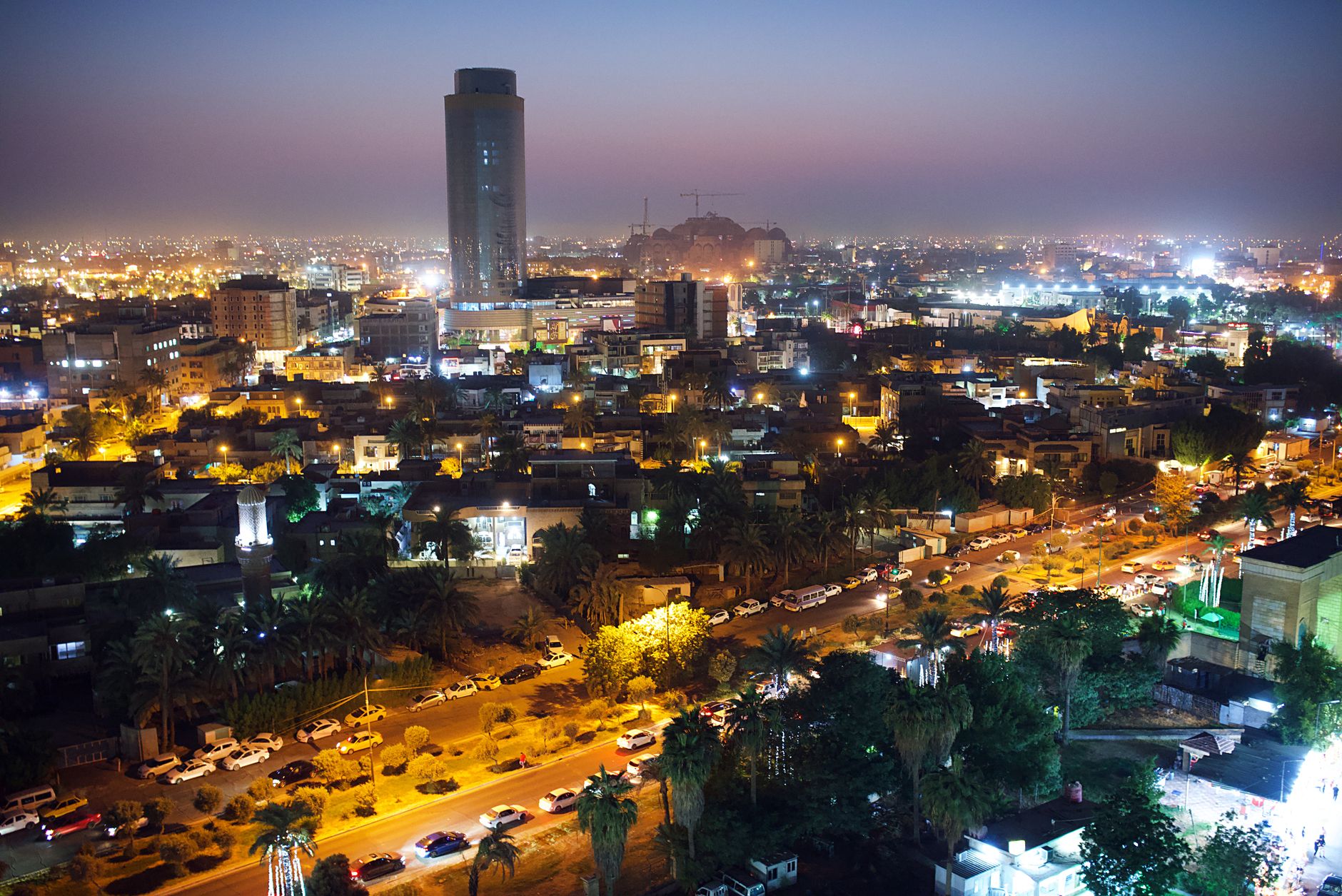
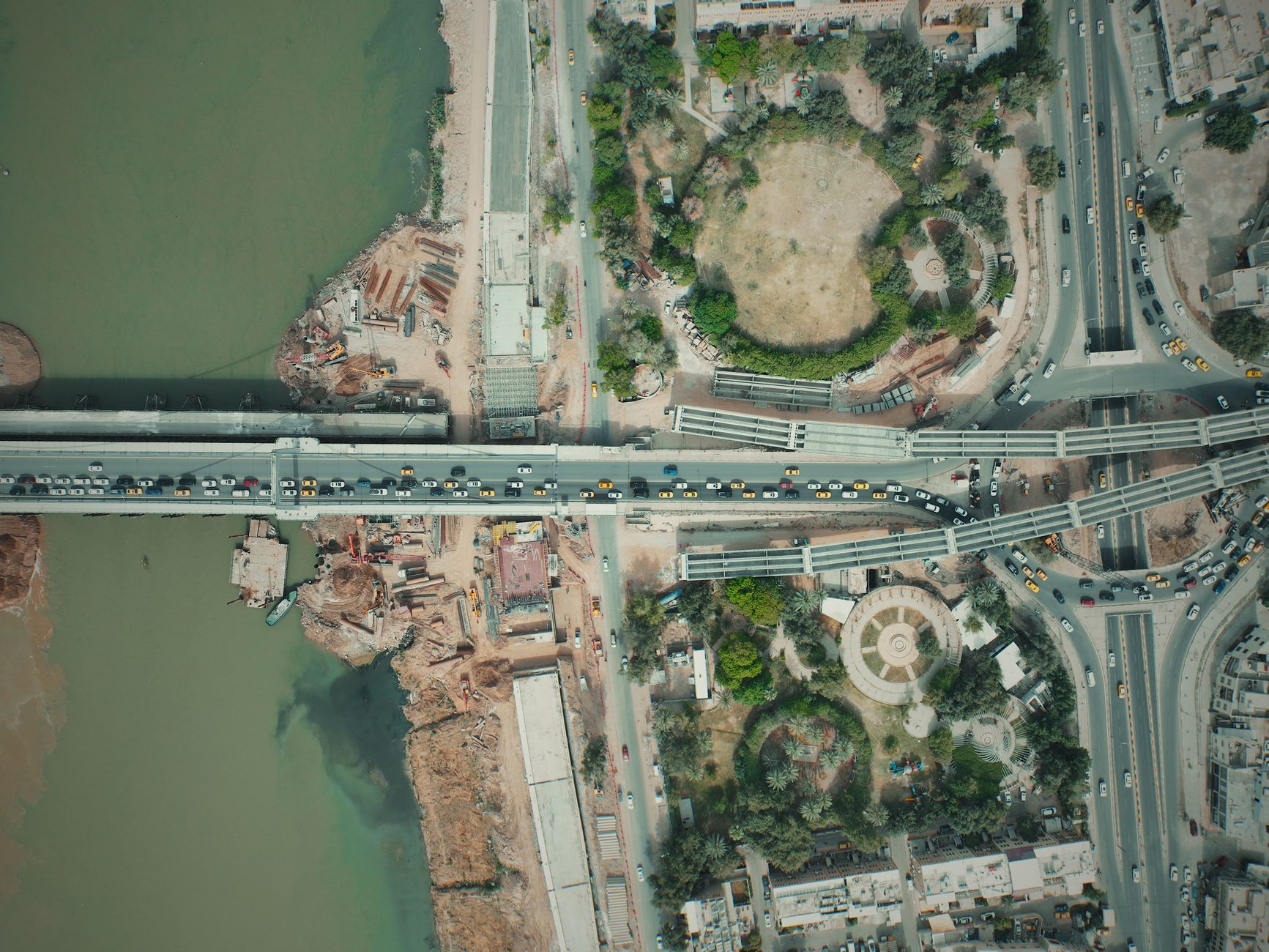
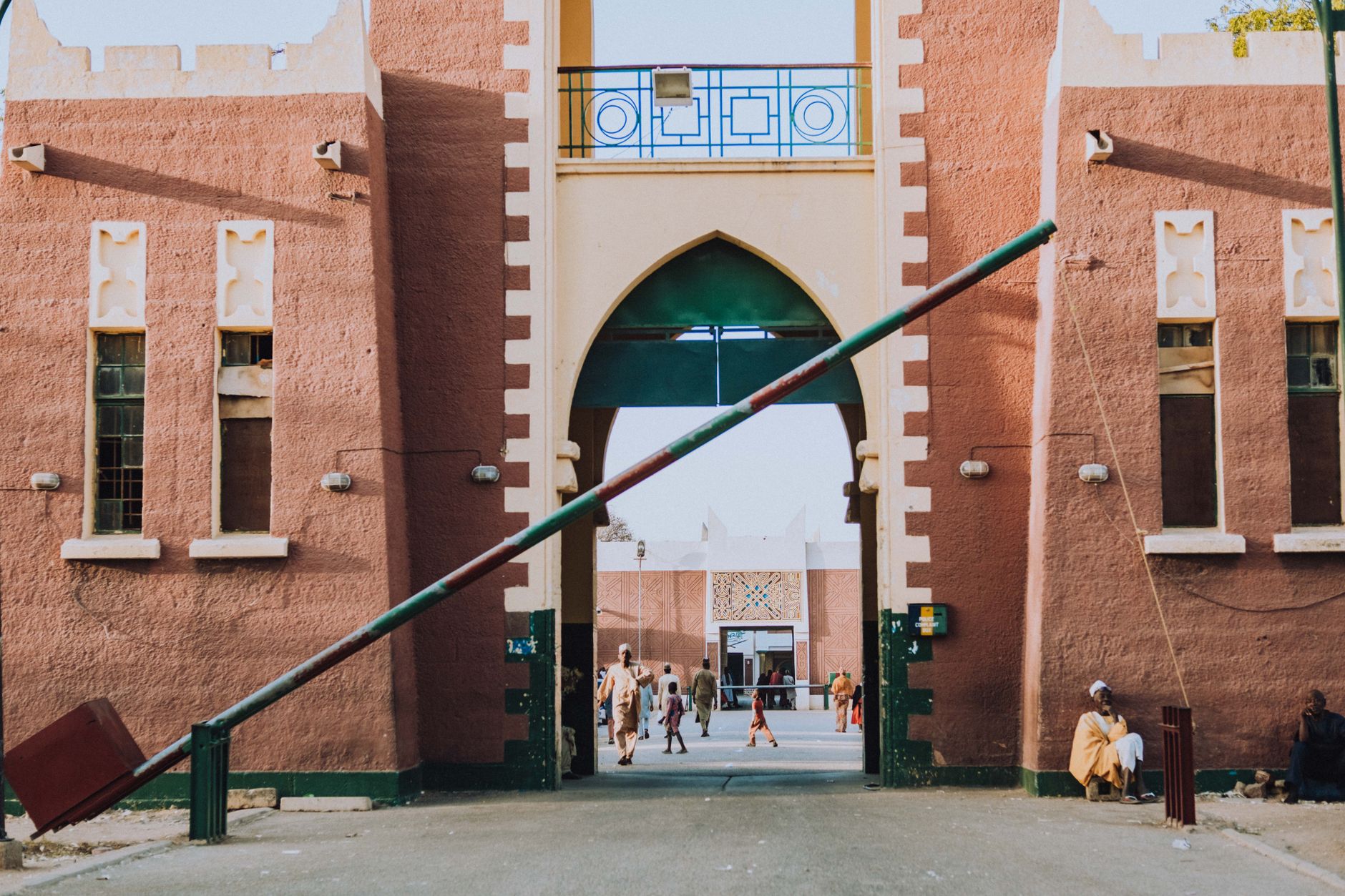
Khartoum lives at the center of a triangle. Across the Nile, Omdurman holds the spiritual weight of the Mahdist state, its dusty streets leading to the Sufi cemetery where dervishes spin every Friday. Khartoum North, Bahri, feels more residential. But central Khartoum itself, laid out by British engineers in a grid, offers the quiet shade of the University of Khartoum's botanical gardens and the stark silence of the National Museum, where rescued Nubian temple facades stand in the courtyard like forgotten guests.
Time here is measured in layers. The 19th-century Mahdist revolt left its tombs and the Khalifa's house, now a museum with creaking wooden floors. The Anglo-Egyptian condominium left its administrative buildings, nicknamed 'The Beautiful and Impossible' by generations of students. The 20th century brought a brittle modernity along Nile Street. Yet the deepest layer is Nubian, a civilization that predates the pharaohs, whose artifacts fill the museum's cool, dim halls.