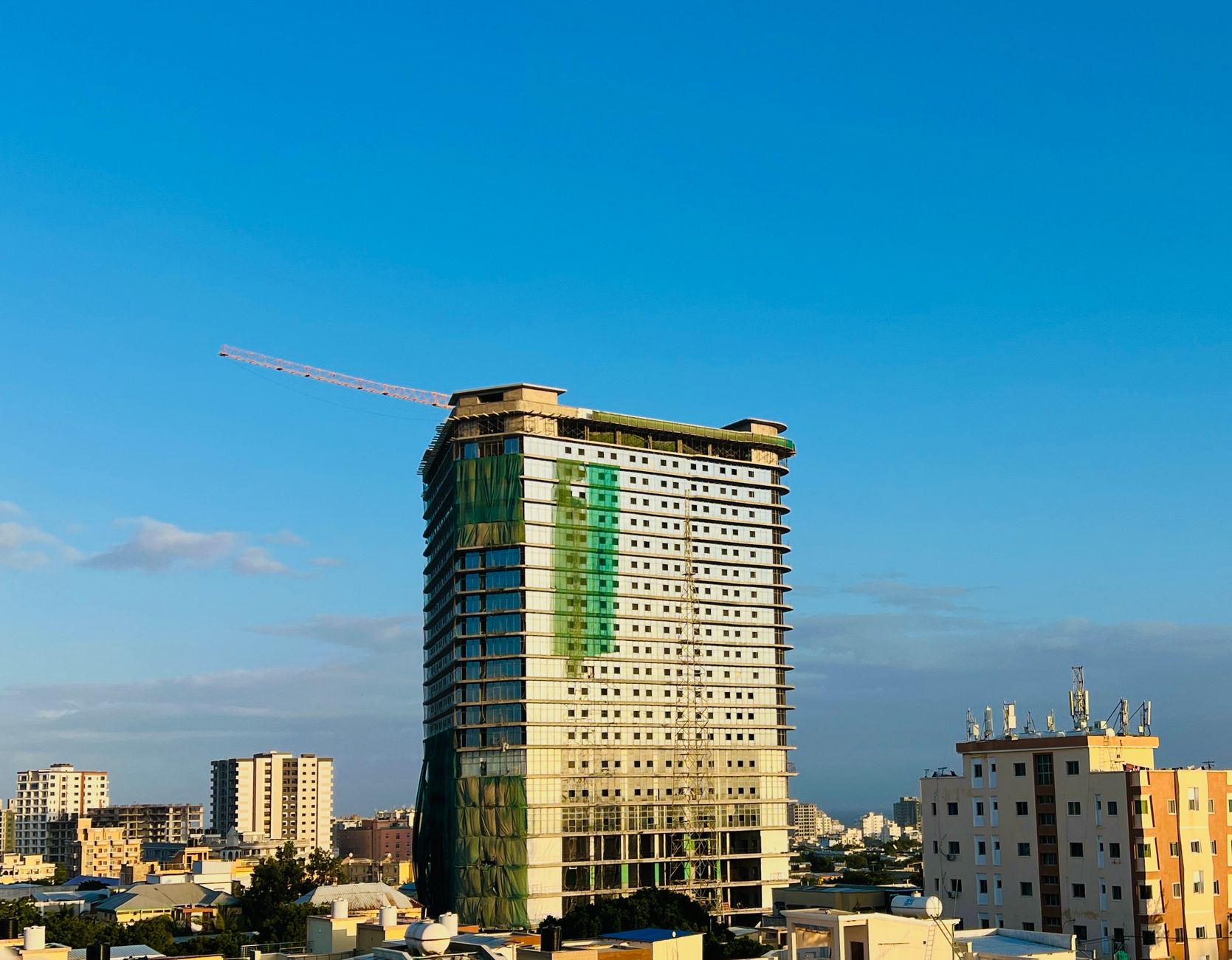
MThe scent of grilled fish and diesel fumes hangs over Mogadishu, Somalia, mixing with the sound of waves hitting a coastline that has seen empires rise and fall for a thousand years. On Thursday evenings, Lido Beach draws crowds of thirty thousand people to watch the dusk settle over the Indian Ocean, a scene of ordinary life that feels extraordinary in a city so often defined by conflict. Mogadishu, the White Pearl, is a place where history’s scars are visible on every colonial facade, yet the city’s pulse is quickening with a new, defiant energy.
Founded around the 10th century, Mogadishu was one of the earliest Arab settlements on this coast. For centuries it was a vital port for the Ajuran Sultanate, a nexus of trade and culture. That legacy is etched into the ghostly, walkable lanes of the Hamarweyne district, where the Arba-Rucun Mosque stands as one of the oldest Islamic sites in the city.
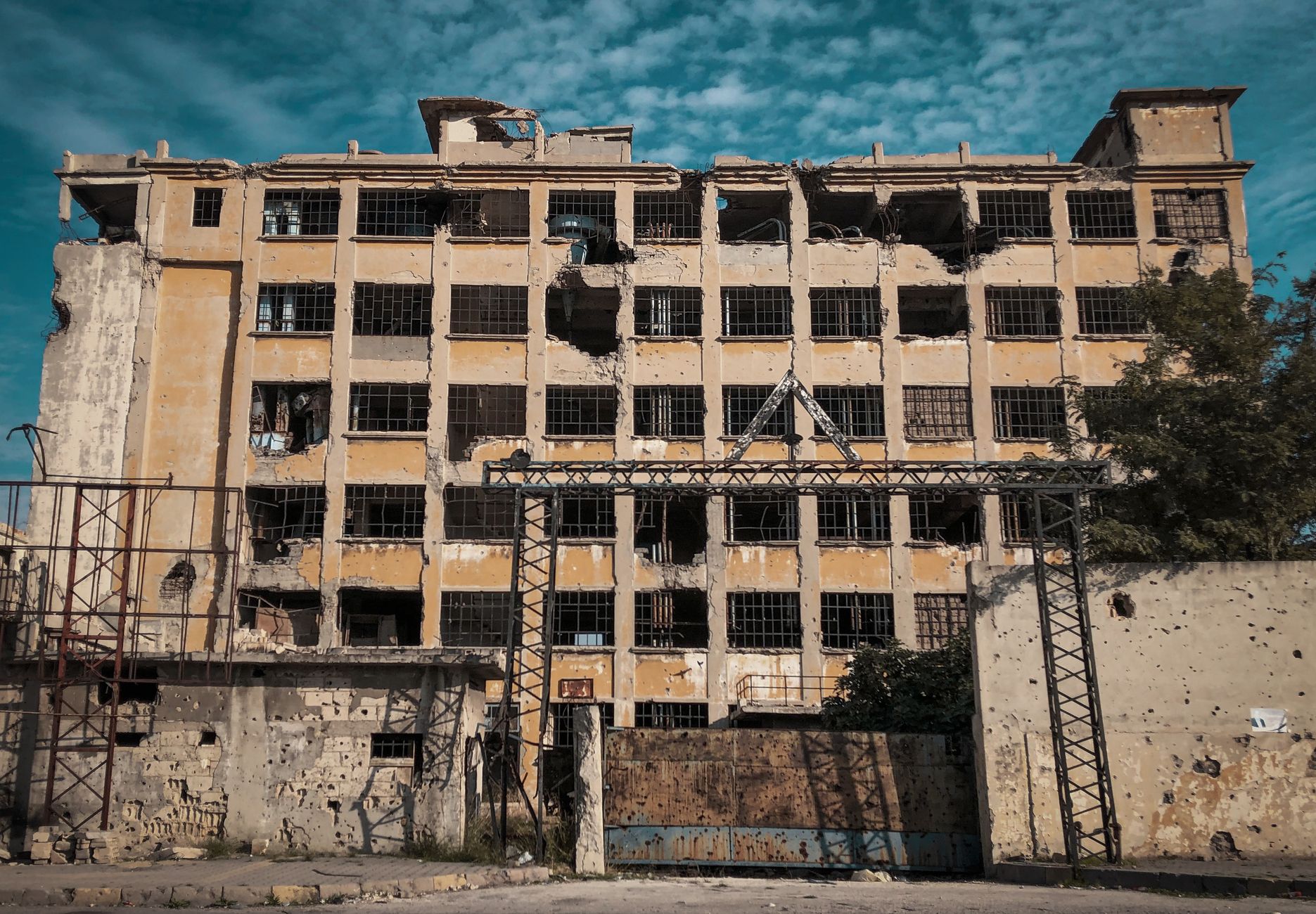
The 20th century brought Italian colonizers, who built the lighthouse that still overlooks the old port. Their cathedral is now a ruin, a silent witness to the civil war that began in 1991 and the infamous Battle of Mogadishu in 1993. The city’s story since then is one of painful, incremental return.