Right Bank (Central Niamey)
This is the historic core, where the city first took root along the river. You'll find the Grand Marché here—a labyrinth where you will get lost among textiles and spices. The pace is deliberate. Government buildings and the National Museum anchor the district, but the real character is in the street-level commerce and the riverfront paths where people escape the afternoon sun.
Left Bank
Connected by the 1970 Kennedy Bridge, this bank feels newer, more residential. Development spread here as Niamey grew post-WWII. It's less about monumental sights and more about daily life unfolding in a slightly more spacious grid. Come here for a different perspective, literally. The view back across the river toward the Grand Mosque's minaret at dusk is worth the crossing.
Around the Grand Mosque
The neighborhood is defined by the Grande Mosquée's striking green dome. The air hums with quiet activity. It's a working religious center, not a tourist set piece. For about 20,000 CFA, a local guide can arrange a tour up the minaret. The reward is a panoramic view that makes the city's low-rise, sandy-colored sprawl suddenly make geometric sense.
Musée National Boubou Hama Complex
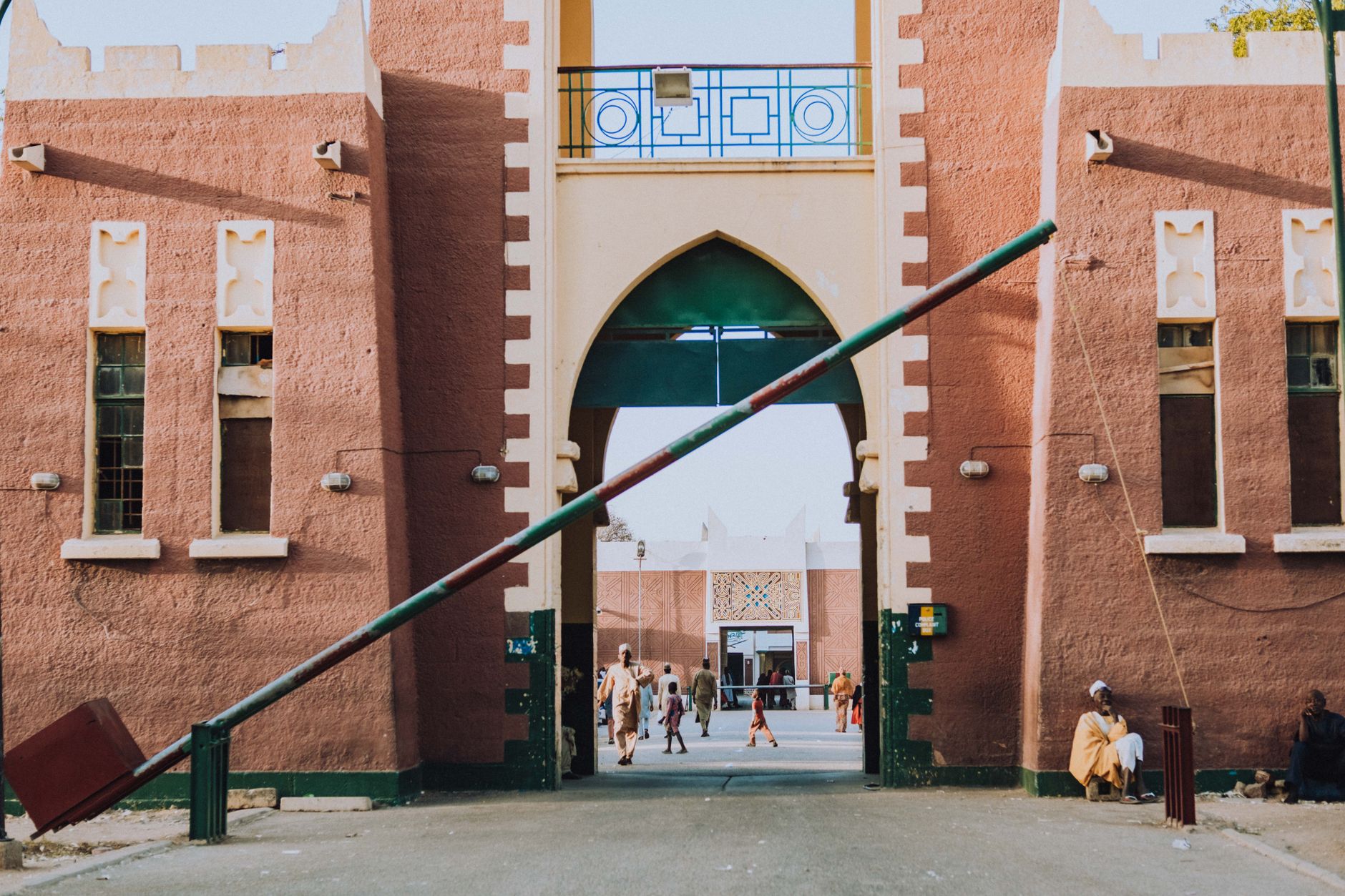
Treat this as its own district. It's a sprawling 44-acre cultural sanctuary. Beyond the museum buildings, there's a zoo, a craft market, traditional cultural pavilions, and Peace Square. You can spend half a day wandering from dinosaur skeletons to hippo pools to the river viewpoint. It feels removed from the city outside its gates, a curated capsule of Niger's entire ecosystem.
Riverbank Districts
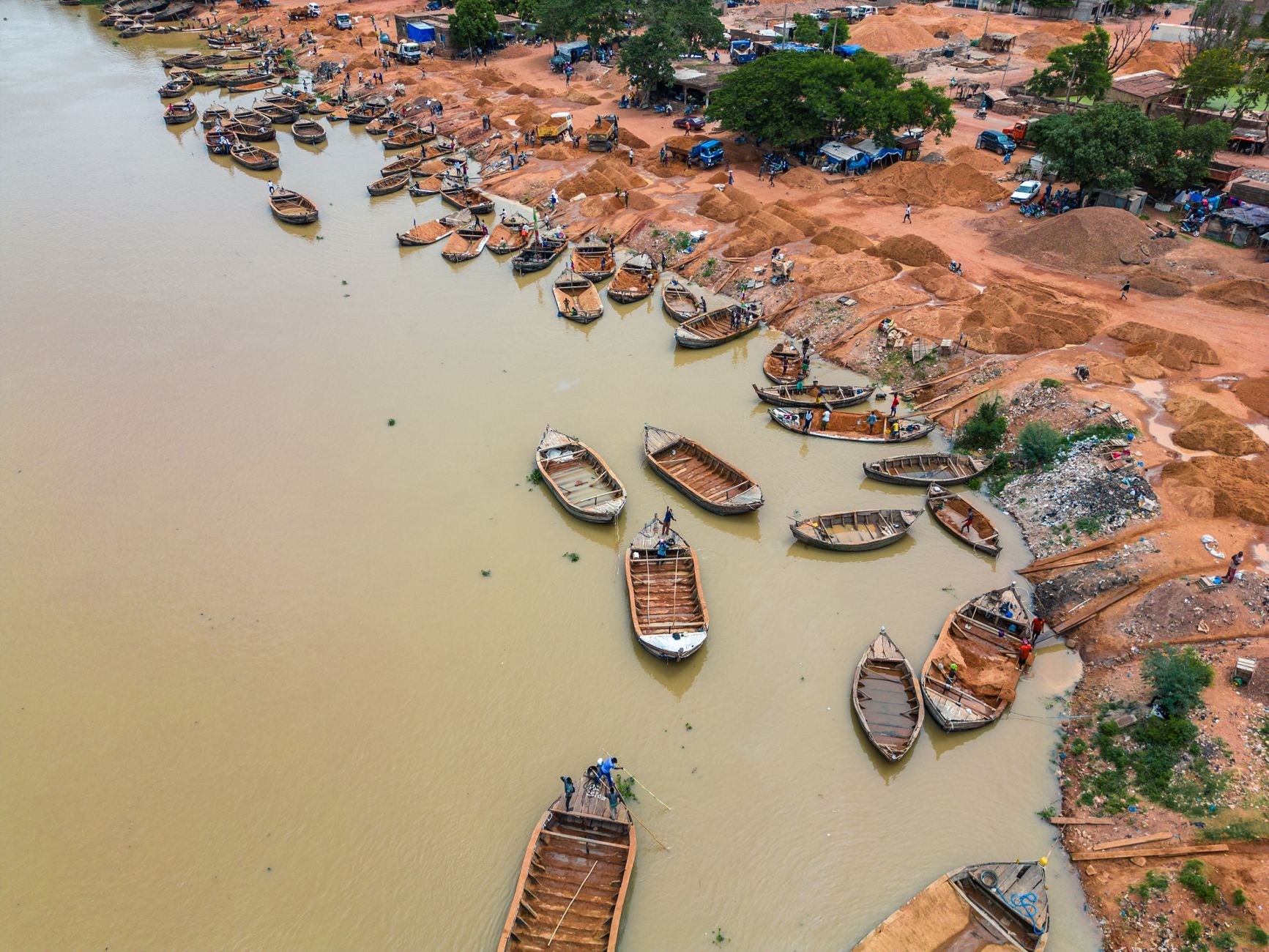
This isn't one neighborhood but a series of connected spaces along the Niger. This is where Niamey breathes. At sunset, the light turns the water the colour of hammered copper. Fishermen mend nets, families picnic, and boatmen offer rides on pirogues. The river doesn't just moderate the arid climate—it defines the city's rhythm and provides its central, cooling lounge.