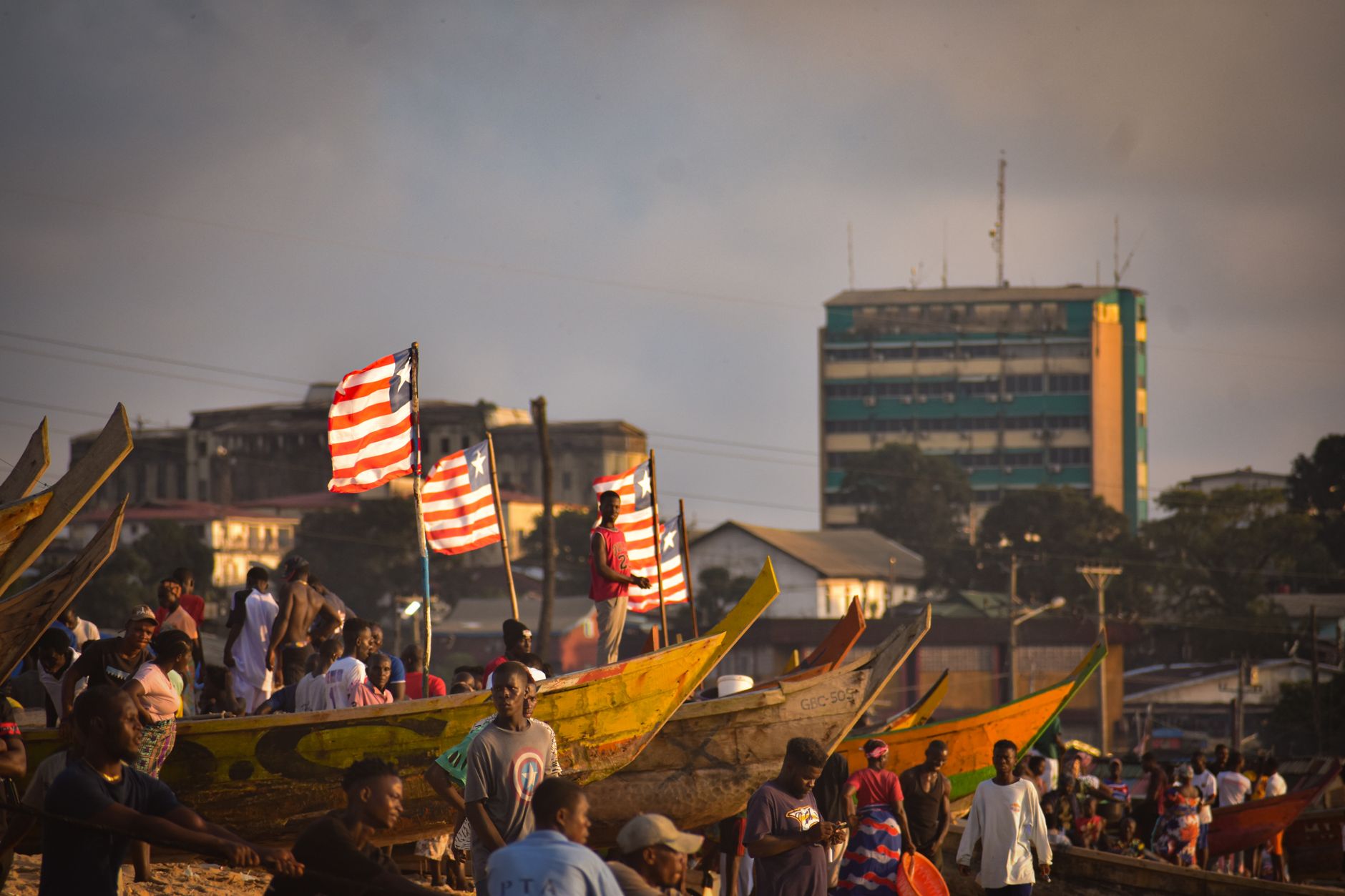
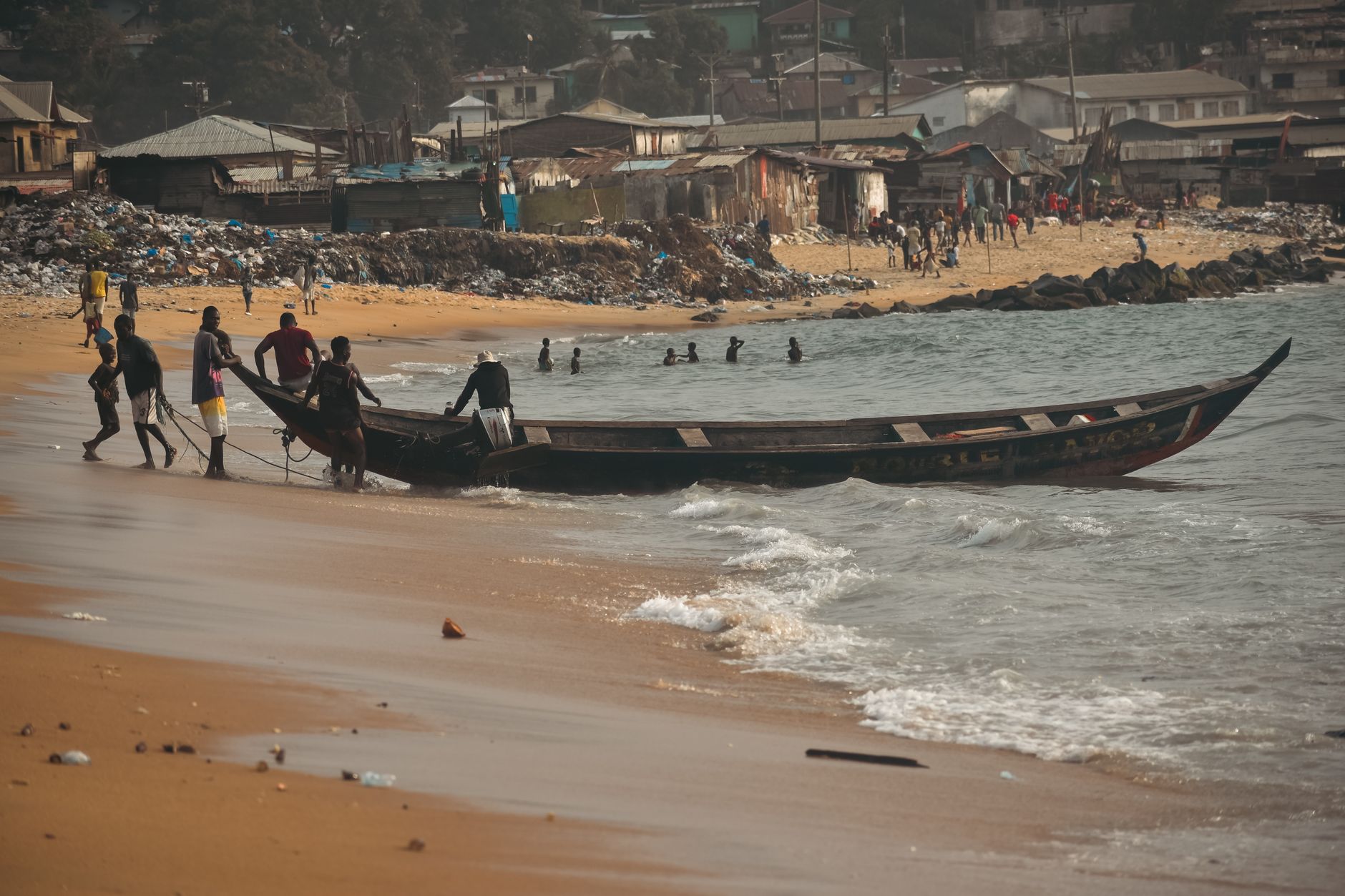
MThe Atlantic breeze in Monrovia carries scents of grilling fish from Ce Ce Beach, diesel exhaust from Water Street, and something sharper—the memory of conflict and resilience. This is a capital built by freed American slaves on a strip of land between mangrove swamps and ocean, where the ruins of a luxury hotel stare down at markets selling brightly patterned Lappa fabric. Liberia’s story, from its singular 1847 founding to its survival through civil wars and epidemics, is written in the city’s concrete, its music, and its Sunday morning hymns.
Start at Providence Island, a small scrap of land in the Mesurado River. Freed slaves from the American South first stepped ashore here in 1822. There's no grand monument, just the quiet understanding that this was the seed of a republic. The real monument is the city itself, a layered testament to that Americo-Liberian past and the sixteen indigenous ethnic groups that form its present.
You see that past in the whitewashed Sacred Heart Cathedral, its nave filled with the murmur of weekday prayer. You find its present in the controlled chaos of Waterside Market, a dense labyrinth of shouts, bargaining, and hawkers selling everything from shoes to dried fish. The energy is physical, a constant negotiation for space and price.