Key City Briefing · Naples (Napoli)

  • 🚆 High-Speed Hub: Napoli Centrale connects to Rome Termini in 1 hour 10 minutes via Frecciarossa and Italo. The underground *Piazza Garibaldi* hub connects to Metro Line 1 and the Circumvesuviana train to Pompeii and Sorrento.
  • 🍕 Neapolitan Pizza Capital: Birthplace of pizza. Associazione Verace Pizza Napoletana (AVPN) certifies authentic Margherita: 00 flour, San Marzano tomatoes, buffalo mozzarella or fior di latte, baked for 90 seconds at 485°C. Legendary spots include Da Michele, Sorbillo, and Starita.
  • 🚇 Art Metro Line 1: Naples features Europe's most visually stunning underground subway stations—specifically Toledo (Oscar Tusquets Blanca's subterranean marine mosaic crater), Dante, and Università. Standard tickets cost €1.30.
  • 🏛️ Archaeological Masterpieces: The National Archaeological Museum (MANN) houses the world's greatest collection of Pompeian and Herculaneum mosaics and Roman sculptures. Sansevero Chapel holds the miraculous *Veiled Christ* (*Cristo Velato*).
  • 🚢 Gulf Ferry Gateway: Fast hydrofoils (*aliscafi*) depart daily from Molo Beverello port to the islands of Capri (45m), Ischia (55m), and Procida (35m).
  • 🛂 Visa Requirements: Schengen Visa required. Review our comprehensive Schengen Visa Guide.
Panoramic view of Naples waterfront and Castel dell'Ovo with Mount Vesuvius looming in the background, Italy
Naples · Campania · Italy
2,800 Yrs
Greek-Roman Foundation
90 sec
AVPN Pizza Bake Time
40 m
Underground Aqueduct Depth
79 AD
Vesuvius Eruption Era

01 Soul of the Mediterranean South.

An intense, sensory baroque metropolis living in the eternal shadow of Mount Vesuvius.

Naples (Napoli) does not whisper; it proclaims itself with volcanic intensity. Founded in the 8th century BC by Greek navigators from Rhodes and Euboea under the name Parthenope (after the siren who cast herself onto the rocks when Odysseus resisted her song), it was later refounded as Neapolis ('New City'). For nearly three millennia, Naples has stood as one of the great cultural crossroads of the Mediterranean, ruled successively by Greeks, Romans, Normans, Hohenstaufen Germans, French Angevins, Aragonese Spaniards, and Bourbon kings.

Unlike northern Italian cities that polished away their rough edges during post-war industrialization, Naples retains an raw, unfiltered authenticity. Laundry flutters like colorful municipal banners from third-story baroque balconies across narrow alleys (*vicoli*); shrine niches illuminated with blue neon LEDs and fresh flowers sit beside Renaissance portals; motorinos weave with miraculous agility through crowds; and the aroma of roasted dark espresso and bubbling garlic-tomato sauce pours from every open doorway. Inscribed on the UNESCO World Heritage list in 1995, Naples holds Europe's largest continuous historic center, spanning over 1,700 hectares of Greek street grids and Bourbon grandeur.

The famous Italian adage 'Vedi Napoli e poi muori' ('See Naples and die')—popularized by Johann Wolfgang von Goethe in his *Italian Journey*—reflects the intoxicating beauty of its natural setting: a colossal natural amphitheater curving around the sapphire Gulf of Naples, anchored on the east by the smoking double-coned silhouette of Mount Vesuvius, on the north by the volcanic craters of the Campi Flegrei, and offshore by the jagged limestone profile of the Isle of Capri.

02 Curated Highlights of Naples.

Eight definitive landmarks that embody the art, archaeology, and subterranean mysteries of the city.

Spaccanapoli narrow historic street cutting straight through Naples
Ancient Decumanus

Spaccanapoli & The Historic Center

Literally 'Naples-Splitter'—a perfectly straight two-kilometer pedestrian thoroughfare (the ancient Greek *Decumanus Inferior*) that slices the historic center in half. Lined with baroque palazzi, artisan pasticcerie, and lively piazzas (Piazza del Gesù Nuovo, Piazza San Domenico Maggiore).

Cappella Sansevero with baroque marble statues in Naples
Sculptural Miracle

Cappella Sansevero (The Veiled Christ)

Commissioned by the enigmatic alchemist Prince Raimondo di Sangro in the 18th century. Stand transfixed before Giuseppe Sanmartino's 1753 masterpiece Cristo Velato (The Veiled Christ), carved from a single block of marble with a translucent veil so delicate and realistic that legends claimed the prince petrified real fabric into stone through alchemy.

National Archaeological Museum of Naples marble halls and statues
Antiquity Treasury

Museo Archeologico Nazionale (MANN)

Europe's foremost classical antiquity museum. Houses the colossal Farnese Marbles (Farnese Hercules, Farnese Bull) and the recovered frescoes, bronze household deities, and mosaics from Pompeii and Herculaneum, including the breathtaking Alexander Mosaic.

Underground Naples tufa aqueduct stone corridor 40m below ground
Subterranean Labyrinth

Napoli Sotterranea (Underground Naples)

Descend 136 stone steps 40 meters beneath Piazza San Gaetano into a vast subterranean labyrinth of Greek tufa quarries, Roman cisterns, and WWII bomb shelters where thousands took refuge from air raids. Walk through narrow candlelit aqueduct passages and view remains of the ancient Roman theater.

Cathedral of Santa Maria Assunta facade and San Gennaro chapel in Naples
Duomo di San Gennaro

Duomo di Napoli & Royal Chapel

Naples Cathedral, housing the sumptuous 17th-century Baroque Royal Chapel of the Treasure of Saint Januarius. Thrice yearly, tens of thousands gather to witness the 'Miracle of San Gennaro'—the liquefaction of the patron saint's dried blood preserved in glass ampoules.

Castel dell'Ovo stone fortress on the Gulf of Naples at sunset
Sea Fortress

Castel dell'Ovo & Borgo Marinari

Naples' oldest fortress standing on the volcanic islet of Megaride. Named after the legend of the Roman poet Virgil, who reportedly placed a magical egg inside the foundations: if the egg should ever break, the castle and the city of Naples would fall into the sea. Stroll around the Borgo Marinari marina for seafood and sunset views.

Certosa di San Martino high above Naples on the Vomero hill
Panoramic Monastery

Certosa di San Martino & Castel Sant'Elmo

Perched high atop the Vomero hill, this former Carthusian monastery boasts a sublime cloister decorated with carved marble skulls and the world's most exquisite historical Nativity scene (*Presepe Cuciniello*). Step onto the bastions of adjacent Castel Sant'Elmo for an unmatched panoramic vista sweeping across Spaccanapoli, the Gulf of Naples, Capri, and Vesuvius.

Toledo metro station in Naples with luminous blue and purple mosaic crater
Art Underground

Metro Line 1 Art Stations (Toledo)

Consistently voted Europe's most beautiful subway station. Spanish architect Oscar Tusquets Blanca created an immersive subterranean marine wonderland at Toledo station: ride the long escalators down through the 'Crater de Luz', a soaring cone tiled in thousands of shimmering bisazza blue and turquoise mosaic pieces simulating the depths of the Mediterranean Sea.

03 The Urban Topography of Naples.

From the density of the Spanish Quarter to the aristocratic heights of Vomero.

1. Spaccanapoli & Centro Storico

The ancient Greek-Roman heart. Centered along the three parallel east-west *decumani* (Via dei Tribunali, Spaccanapoli/Via San Biagio dei Librai, and Via Anticaglia). Here stands the gothic church of Santa Chiara with its majolica-tiled cloister of octagonal pillars covered in hand-painted lemons, vines, and pastoral scenes; the church of Gesù Nuovo with its rusticated diamond-pointed basalt facade; and Via San Gregorio Armeno—the famous artisan lane of terracotta Nativity figurine sculptors (*il presepe napoletano*), where craftsmen carve figures ranging from the Holy Family to modern caricatures of Diego Maradona and world leaders.

2. Quartieri Spagnoli (The Spanish Quarters)

Constructed in the 16th century under Spanish Viceroy Pedro de Toledo to garrison military troops, the Quartieri Spagnoli form a steep, hyper-dense grid of narrow alleys climbing the lower slopes of Vomero hill west of Via Toledo. Long stigmatized, today the district is an electric, vibrant outdoor gallery of contemporary street art—most famously the monumental mural shrine dedicated to Argentine footballer Diego Armando Maradona at Largo Bar Maradona on Via Emanuele De Deo.

3. Vomero & San Martino

Perched 200 meters above the city center, Vomero is Naples' affluent middle-class residential district, developed in the late 19th century in Art Nouveau (*Stile Liberty*) style. Reached via three historic funicular railways (Funicolare Centrale, Funicolare di Chiaia, and Funicolare di Montesanto) or Metro Line 1, Vomero offers peaceful tree-lined shopping avenues along Via Scarlatti and panoramic seaside breezes.

4. Chiaia & Lungomare Mergellina

The seaside aristocratic quarter extending along the crescent bay from Piazza del Plebiscito west to Posillipo. Stroll along the pedestrianized Lungomare Caracciolo promenade on Sunday afternoon, breathing in the sea salt air while admiring views across to Castel dell'Ovo. Explore the luxury boutiques along Via dei Mille and Via Chiaia, and relax in the palm-shaded park of the Villa Comunale.

5. Rione Sanità & Catacombs of San Gennaro

Situated in a natural valley north of the historic center, Sanità was historically an aristocratic burial ground and later a bustling working-class enclave where celebrated comic actor Totò was born. Tour the 2nd-century Catacombs of San Gennaro, an expansive two-story underground Christian cemetery carved out of volcanic tufa rock featuring 5th-century Byzantine fresco murals, bishop's crypts, and monumental rock-hewn basilicas. Above ground, marvel at the 18th-century Baroque open-air double staircases of Palazzo Sanfelice and Palazzo dello Spagnolo designed by architect Ferdinando Sanfelice.

04 Pizza Alchemy & Subterranean Antiquities.

The sacred science of wood-fired dough, Greek-Roman aqueducts, and the Farnese Marbles.

The Architecture of True Neapolitan Pizza (*Verace Pizza*)

In Naples, pizza is not fast food; it is a sacred civic patrimony recognized by UNESCO on the Representative List of the Intangible Cultural Heritage of Humanity. In 1889, pizzaiolo Raffaele Esposito of Pizzeria Brandi was summoned to the royal Capodimonte Palace to bake for Queen Margherita of Savoy. To honor the unified Italian tricolor flag, Esposito created a pizza crowned with red San Marzano tomatoes, white mozzarella cheese, and fresh green basil leaves. The Queen sent a handwritten royal commendation, and the Pizza Margherita became an international icon.

The Associazione Verace Pizza Napoletana (AVPN) strictly enforces the technical parameters of authentic production:

  • The Dough: Made exclusively with high-protein Type 00 wheat flour, fresh brewer's yeast, sea salt, and water. No fats, oils, or sugars are permitted. The dough undergoes a slow 8 to 24-hour room-temperature fermentation.
  • The Shaping: Rolling pins or mechanical presses are strictly prohibited. The pizzaiolo shapes the disc solely with rhythmic hand-slaps (*lo schiaffo*), forcing air bubbles from the center outward to create the raised, airy outer rim (*cornicione*).
  • The Bake: Baked directly on the biscotto di Sorrento stone floor of a wood-fired domed oven burning beech, oak, or ash timber at 430°C to 485°C for precisely 60 to 90 seconds. The intense heat instantly flash-puffs the crust into a leopard-spotted (*maculatura*), fragrant, elastic cloud.
  • Legendary Pizzerias to Experience:
    • L'Antica Pizzeria da Michele (Via Cesare Sersale): Founded in 1870, serving only two purist varieties: Margherita and Marinara (garlic, oregano, tomato, olive oil — naturally vegan). Take a numbered ticket at the door and expect a 45-minute wait.
    • Gino e Toto Sorbillo (Via dei Tribunali): Located on the historic decumanus, famed for organic Campania grains and generous rounds draped over plate edges.
    • Starita a Materdei (Via Materdei): Operating since 1901. Sample their fried pizza specialty, the *Montanara Starita* (dough lightly flash-fried in oil, topped with tomato sauce and smoked provola cheese, then finished in the wood-fired oven).

Neapolitan Street Food & Vegetarian Culture

Beyond sit-down pizzerias, Naples is the undisputed world capital of fried street delicacies (*friggitoria*):

  • Pizza Portafoglio: A full-sized Pizza Margherita or Marinara folded twice into a paper 'wallet' (*portafoglio*) and handed to you piping hot on the sidewalk for €2.00 to €2.50. Perfect street fuel while exploring Spaccanapoli.
  • Cuoppo di Frittura: A paper cone filled with hot fried finger foods: *crocchè di patate* (mashed potato croquettes with mozzarella and parsley), *pasta cresciuta* (puffy fried dough zeppoline), and battered zucchini blossoms (*fiori di zucca*). Order the *Cuoppo Vegetariano* to ensure no seafood or meat is included.
  • Sfogliatella: Naples' defining pastry masterwork. Comes in two distinct variations: Sfogliatella Riccia (thousands of crisp, paper-thin puff pastry layers baked into a clam-shell shape) and Sfogliatella Frolla (crumbly shortcrust pastry). Both are filled with a hot, fragrant filling of sweet ricotta cheese, semolina, candied orange peel, and cinnamon. Taste it fresh at Pintauro on Via Toledo or Attanasio near the central station.
  • Caffè Napoletano: Espresso in Naples is short, thick, intensely dark, and served scalding hot in pre-heated porcelain cups with a complimentary glass of sparkling mineral water. Sip the water first to cleanse your palate before drinking the espresso!

05 Excursions: Pompeii, Herculaneum & Vesuvius.

How to explore the doomed Roman cities and ascend the crater rim of the volcano.

Pompeii vs Herculaneum: Choosing Your Roman Ruin

On August 24 (or October 24), 79 AD, Mount Vesuvius erupted with cataclysmic fury, ejecting a 30-kilometer-high column of ash, pumice, and poisonous gases that annihilated the thriving Roman resort towns along the bay.

  • Pompeii (Scavi di Pompei): A colossal Roman metropolis spanning 66 hectares (44 excavated). It was buried beneath 4 to 6 meters of volcanic pumice pebbles (*lapilli*). Tour the Grand Forum, the Amphitheatre, the lavish frescoes of the Villa of the Mysteries, and view the plaster body casts of victims caught in their final moments. Take the Circumvesuviana train to Pompei Scavi-Villa dei Misteri (25 minutes). Allocate at least 4 to 5 hours.
  • Herculaneum (Ercolano): A wealthier, seaside residential enclave. Unlike Pompeii, Herculaneum was inundated by blistering 500°C pyroclastic surges moving at 100 km/h, which instantly carbonized organic matter. As a result, two-story wooden roof beams, sliding wooden doors, carbonized beds, and intact mosaic floors survived in extraordinary preservation. Visit the beachfront boat houses (*fornici*) where the skeletons of 300 citizens awaiting maritime rescue were discovered in 1981. Take the Circumvesuviana train to Ercolano Scavi (15 minutes). It is smaller, less crowded, and far easier to explore in 2.5 hours.
  • Climbing the Crater of Mount Vesuvius (Gran Cono): From Ercolano or Pompeii station, board the Vesuvio Express bus up to 1,000 meters elevation. From the ticket gate, hike the steep gravel path 20 minutes up to the 1,281-meter summit. Gaze straight into the 300-meter-deep, smoking volcanic crater and take in the panoramic view sweeping across the entire Gulf of Naples to Capri. Mandatory: Vesuvius crater entry tickets must be booked online in advance; no tickets are sold at the mountain summit.

Island Day Trips: Capri, Ischia & Procida

From the maritime passenger terminal of Molo Beverello, high-speed passenger hydrofoils (*aliscafi*) operated by Caremar, SNAV, and NLG depart throughout the day:

  • Capri (45 minutes): The limestone crown jewel of the bay. Arrive at Marina Grande, take the funicular up to the chic Piazza Umberto I (the Piazzetta), ride the chairlift from Anacapri up to the 589-meter summit of Monte Solaro, and charter a wooden gozzo boat to visit the famous Blue Grotto (Grotta Azzurra).
  • Procida (35 minutes): The colorful, unhurried volcanic island that served as the backdrop for *Il Postino* and *The Talented Mr. Ripley*. Stroll down the stone steps into the historic fishing village of Marina Corricella, where pastel pink, mint, and ochre cottages cascade down to the water.
  • Ischia (55 minutes): The largest volcanic island in the gulf, famed for its geothermal thermal springs, mineral mud baths, and the dramatic Aragonese Castle (Castello Aragonese) perched on a volcanic rock connected by a stone bridge.

07 Bourbon Grandeur: Caserta & Capodimonte.

The colossal palaces, porcelain royal factories, and baroque parklands of the Kingdom of the Two Sicilies.

La Reggia di Caserta: The Italian Versailles

Located 30 kilometers north of Naples, the Royal Palace of Caserta (Reggia di Caserta) was commissioned in 1752 by King Charles of Bourbon to serve as the unassailable inland administrative and military capital of the Kingdom of Naples, protected from coastal naval bombardment. Designed by royal architect Luigi Vanvitelli, Caserta is the largest royal palace erected in Europe during the 18th century and one of the largest buildings in the world by volume (over two million cubic meters).

Constructed around four vast interconnected central courtyards, the palace contains 1,200 rooms, 1,790 windows, and 34 monumental staircases:

  • The Grand Staircase of Honor (Scalone d'Onore): A breath-taking architectural triumph carved from solid Carrara marble. Ascending 116 marble steps flanked by carved marble lions beneath a soaring octagonal vaulted cupola adorned with painted frescoes of Apollo and the Four Seasons. The staircase has served as a cinematic double for the Vatican in Angels & Demons and Queen Amidala's royal palace in Star Wars: Episode I & II.
  • The Royal Apartments (Appartamenti Reali): Stroll through the Throne Room, glittering with gilded stucco and Bourbon heraldry, the Palatine Chapel modeled on Versailles, and the expansive Royal Library of Queen Maria Carolina of Austria (sister of Marie Antoinette).
  • The 3-Kilometer Water Cascades & English Garden: The palace grounds feature a monumental three-kilometer central water axis powered by the Carolino Aqueduct—a 38-kilometer hydraulic engineering masterpiece spanning mountain gorges on triple-tiered Roman-style stone arches. Water cascades down the slopes through monumental marble fountain basins depicting mythological narratives: the Fountain of Diana and Actaeon, the Fountain of Venus and Adonis, and the Fountain of the Dolphins. At the northern end lies the romantic English Garden, designed by John Andrew Graefer in 1786 with winding pathways, exotic cedar groves, fake Roman ruins, and a serene water lily bath (*Bagno di Venere*).
  • Transit: Direct regional trains depart every 30 minutes from Napoli Centrale to Caserta station (35 minutes, €3.70). The palace gates stand directly across the piazza from the station exit.

Museo e Real Bosco di Capodimonte

Perched atop a wooded hill north of the city, the Reggia di Capodimonte was originally constructed as a royal hunting lodge for King Charles of Bourbon before expanding into a sprawling three-story neoclassical palace and art gallery. Surrounded by the Real Bosco—a lush 134-hectare royal park containing over 400 species of century-old trees—Capodimonte houses southern Italy's most prestigious fine arts collection.

The first floor displays the legendary Farnese Art Collection, featuring masterworks by Titian (his sensual Danaë, painted for Cardinal Alessandro Farnese, and royal portraits of Pope Paul III), Parmigianino's enigmatic Antea, Raphael, and El Greco. On the second floor stands Caravaggio's harrowing masterpiece The Flagellation of Christ (1607), painted during the artist's desperate flight to Naples after killing a man in a Rome brawl. Caravaggio's dramatic chiaroscuro illuminates Christ's pale muscular torso contrasted against the dark, grimy hands of torturers tying him to a stone pillar.

08 The Sacred & Profane: Folk Rituals, Maradona & Superstition.

Understanding the unique spiritual psychology and daily rituals of the Neapolitan soul.

The Cult of Diego Armando Maradona

In Naples, football is not merely an athletic contest; it is a sacred civic religion, and Diego Armando Maradona is its patron deity. Arriving in July 1984 from FC Barcelona for a world-record fee, the impoverished Argentine prodigy was embraced by a city that felt systematically marginalized and humiliated by the affluent northern industrial metropolises of Milan and Turin.

Maradona led SSC Napoli to its historic first-ever Italian Serie A league championships (*Scudetto*) in 1987 and 1990, followed by the UEFA Cup in 1989, defeating northern giants Juventus, AC Milan, and Inter Milan. For Neapolitans, these victories were moments of profound social and psychological vindication.

Following his death in November 2020, the municipal stadium in Fuorigrotta was immediately renamed Stadio Diego Armando Maradona. In the Spanish Quarter, thousands of pilgrims visit the Murales di Maradona on Via Emanuele De Deo daily, treating the outdoor square like an open-air shrine with burning candles, prayer cards, football scarves, and commemorative murals.

Superstition, The Smorfia & The Cornicello

Neapolitan culture is profoundly spiritual, characterized by an intimate, transactional relationship with saints and the supernatural:

  • Il Cornicello (The Little Horn): In souvenir shops and jewelry boutiques across Spaccanapoli, you will see thousands of curved, bright red horn amulets (*o' corno*). Tracing back to ancient Roman fertility symbols of the horn of plenty (*cornucopia*), tradition dictates that to be effective against the evil eye (*malocchio*), a cornicello must be gifted (never bought for oneself), must be rigid, hollow, curved at the tip, and pointed.
  • La Smorfia: The traditional Neapolitan dream-interpretation book that translates everyday dreams, visions, and occurrences into numbers from 1 to 90 for betting on the weekly national lottery (*Lotto*). If an Italian dreams of a crying child, bread, or a priest, a Neapolitan will consult the Smorfia to determine the precise numerical sequence to wager.
  • Il Caffè Sospeso (The Suspended Coffee): A legendary civic tradition born in working-class Neapolitan cafes during the hardships of the 20th century. When a customer experienced good fortune or felt benevolent, they paid for two coffees: consuming one and leaving the other 'suspended' (*sospeso*). A penniless stranger could later enter the cafe and quietly ask: 'C'è un sospeso?' (Is there a suspended coffee?), receiving a warm, dignified cup of espresso free of charge.

09 Campi Flegrei & Submerged Roman Baiae.

Exploring the volcanic craters of the Phlegraean Fields and the underwater villas of the Roman Caesars.

The Phlegraean Fields (Campi Flegrei)

Extending westward from Posillipo along the Gulf of Pozzuoli lies the Campi Flegrei ('Burning Fields'), a colossal volcanic supercaldera measuring 13 kilometers across, containing 24 distinct craters and volcanic vents. In Greek mythology, this smoking sulfurous landscape was revered as the battleground where the Olympian gods defeated the rebellious Giants, and nearby Lake Avernus (*Lago d'Averno*)—a circular volcanic crater lake surrounded by dark forests—was described by Virgil in the *Aeneid* as the mythical entrance to the Underworld (*Avernus*, meaning 'birdless', as noxious volcanic gases killed passing birds).

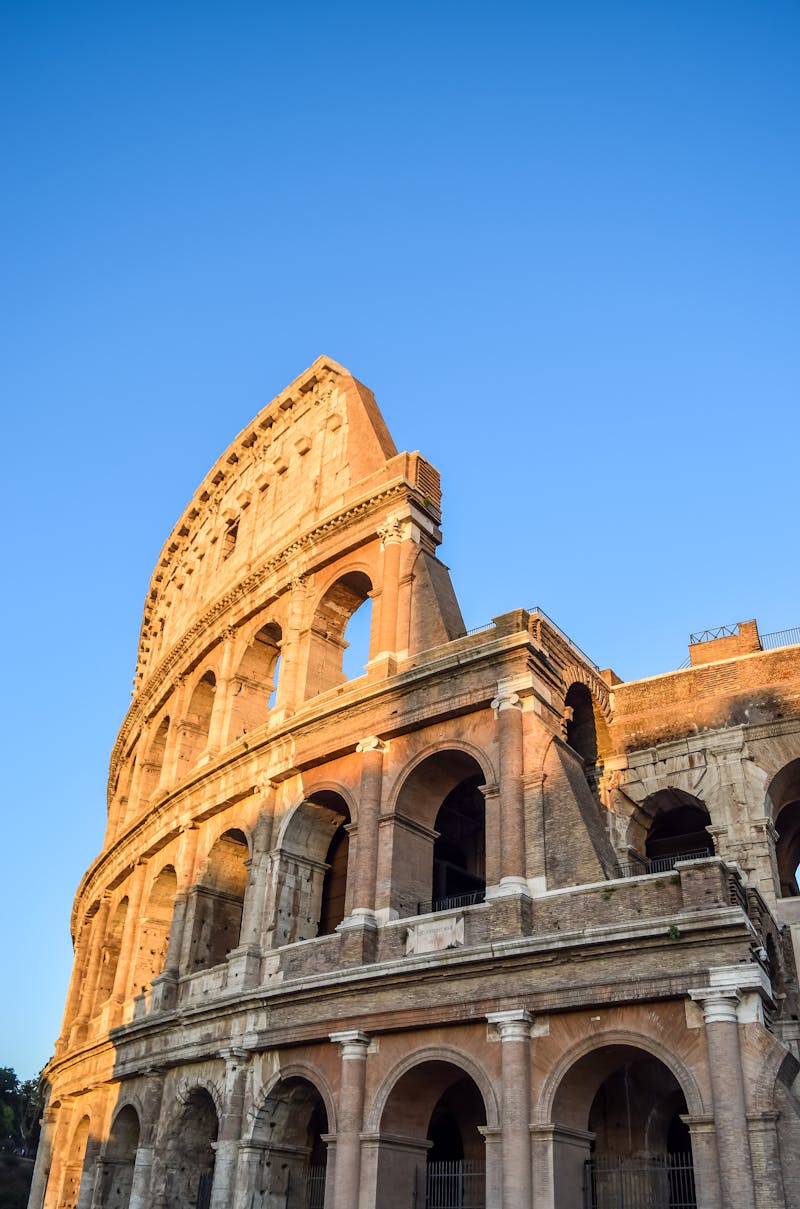
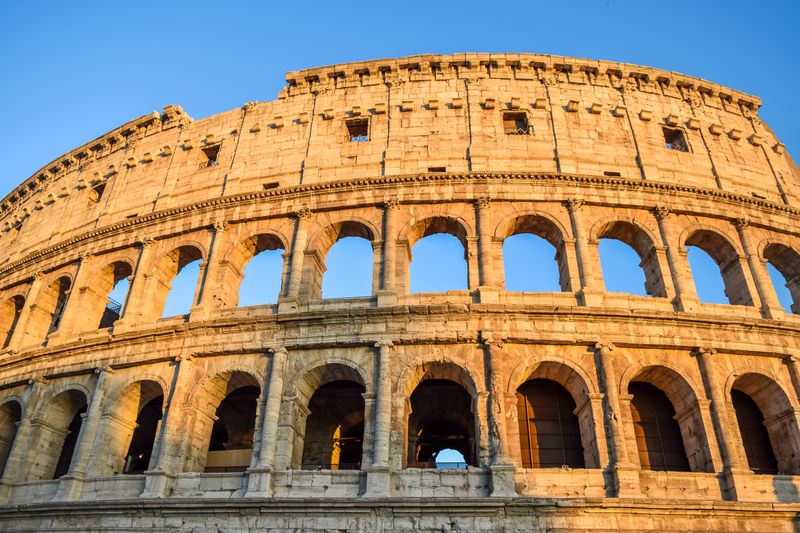
Visit Pozzuoli (accessible via Metro Line 2 from central Naples in 30 minutes) to tour the Flavian Amphitheatre of Pozzuoli, the third-largest Roman arena in Italy, constructed under Emperor Vespasian. Unlike the Colosseum in Rome, whose subterranean hypogeum was heavily damaged, Pozzuoli's underground vaults remain in near-perfect preservation: walk along the stone corridors beneath the trapdoors where gladiators prepared and lion cages were hoisted into the sunlight.

Baiae: The Sunken Atlantis of the Roman Caesars

During the late Roman Republic and early Empire, Baiae (modern Bacoli) was the Mediterranean's most decadent, luxurious seaside resort. Julius Caesar, Nero, Caligula, and Hadrian constructed sprawling private coastal villas with heated thermal mineral spas, marble dining pavilions, and private fishponds along the shoreline. Roman poet Sextus Propertius described Baiae as a 'den of licentiousness and vice.'

Due to a geological phenomenon known as bradyseism (the slow, rhythmic upward and downward vertical movement of the volcanic earth's crust caused by magma chambers filling and emptying), the coastal land subsided between the 3rd and 8th centuries AD, submerging half of ancient Baiae beneath four to six meters of crystal-clear Mediterranean sea water.

Today, the Parco Archeologico Sommerso di Baia is the world's premier marine archaeological park:

  • Glass-Bottom Boat Tours: Board specialized catamaran boats equipped with underwater viewing glass hulls departing from Baia harbor. Float over intact Roman mosaic floors, marble colonnades, and sunken villa courtyards (*nymphaea*) where sea bream and colorful fish dart among ancient stone walls.
  • Snorkeling & Scuba Diving: Certified divers can descend alongside licensed marine archaeologists to swim through Emperor Claudius's submerged imperial dining hall (the *Nymphaeum of Punta Epitaffio*), examining classical statues and polychrome mosaic floors lying on the white sandy seabed.
  • Castello di Baia: Perched high on the volcanic cliff overlooking the bay, this 15th-century Aragonese fortress houses the Archaeological Museum of the Campi Flegrei, displaying the reconstructed marble sculptures recovered from the sunken imperial nymphaeum.

10 Icons of Neapolitan Genius.

The poets, tenors, actors, and visionary monarchs who defined the culture of the south.

Virgil (Publius Vergilius Maro, 70–19 BC)

Although born in Mantua, ancient Rome's greatest epic poet made Naples his adopted spiritual home. Virgil composed his pastoral poems (*The Georgics*) overlooking the blue waters of Posillipo. In medieval Neapolitan folklore, Virgil was transformed into a mythical sorcerer and civic protector who placed a magical egg inside Castel dell'Ovo and constructed the subterranean Crypta Neapolitana tunnel through the Posillipo hill in a single night with the help of benign spirits. His purported tomb rests in the quiet Roman park of Piedigrotta near Mergellina station.

Enrico Caruso (1873–1921)

Born into poverty in the industrial San Giovanniello district of Naples, Caruso became the most celebrated operatic tenor in global history. Possessing a rich, baritone-tinged vocal timbre and staggering acoustic power, Caruso pioneered commercial acoustic phonograph recording with Victor Talking Machine in 1902, popularizing Italian opera across North America and Europe. Dying in Naples at the Grand Hotel Vesuvio in 1921, over 100,000 citizens filled Piazza del Plebiscito for his royal funeral at the Basilica di San Francesco di Paola.

Totò (Antonio De Curtis, 1898–1967)

Known reverently as Il Principe della Risata ('The Prince of Laughter'), Totò was Italy's greatest 20th-century comic genius, clown, and actor. Born in Rione Sanità, Totò's physical comedy, asymmetrical rubber facial expressions, and razor-sharp linguistic puns skewered the pretensions of aristocracy, military dictatorships, and corrupt bureaucracy. His legacy as the beloved voice of the humble, resilient Neapolitan working man remains immortal in Italian popular culture.

Prince Raimondo di Sangro (1710–1771)

The 7th Prince of Sansevero was a Renaissance-style polymath, alchemist, military strategist, and Grand Master of Neapolitan Freemasonry. Di Sangro invented waterproof fabrics, multi-color printing presses, and artificial marble. He personally commissioned and directed the artistic program of the Cappella Sansevero, collaborating with Giuseppe Sanmartino on The Veiled Christ and Antonio Corradini on the marble statue of Modesty (*Pudicizia*). In the chapel's underground crypt stand his mysterious Macchine Anatomiche—two preserved human skeletons exhibiting fully intact, detailed circulatory arterial networks, sparking centuries of legend regarding esoteric alchemical embalming.

11 Music, Funiculars & The Blood of San Gennaro.

From the opera house of European royalty to the miraculous liquefaction in the Duomo.

Teatro di San Carlo: The World's Oldest Active Opera House

Commissioned in 1737 by the Bourbon King Charles VII and designed by Giovanni Antonio Medrano, Teatro di San Carlo opened 41 years before Milan's La Scala and 55 years before Venice's La Fenice. Standing adjacent to the Royal Palace in Piazza del Plebiscito, the theater's auditorium is a breathtaking spectacle of red velvet, gold leaf, and royal blue silk upholstery, illuminated by an immense central crystal chandelier beneath a painted ceiling canvas depicting Apollo presenting Minerva with the world's greatest epic poets.

The greatest opera composers of the bel canto era served as musical directors here: Gioachino Rossini composed ten operas for San Carlo, including *Mosè in Egitto*, while Gaetano Donizetti premiered sixteen masterworks on its stage, including *Lucia di Lammermoor*. Attending an evening opera or ballet performance at San Carlo remains one of Europe's most aristocratic musical experiences.

The Neapolitan Song Tradition (*La Canzone Napoletana*)

While classical opera flourished at San Carlo, the streets of Naples produced the world's most influential popular vocal song tradition: the Canzone Napoletana. Tracing back to the annual Piedigrotta song festival in the 1830s, Neapolitan ballads are characterized by passionate melodies sung in native Neapolitan dialect, accompanied by the bright, resonant strumming of the bowlback mandolin (*mandolino*).

Immortal songs composed along this bay—including 'O Sole Mio (composed in 1898 by Eduardo di Capua), Torna a Surriento, Santa Lucia, and Funiculì, Funiculà (composed in 1880 to commemorate the opening of the first funicular up Mount Vesuvius)—spread across the globe with millions of emigrants, influencing early American popular music and jazz.

The Miracle of San Gennaro (Il Miracolo del Sangue)

Three times each year—on **September 19** (the feast day of Saint Januarius, who was beheaded in Pozzuoli in 305 AD during the Diocletianic persecution), the **first Saturday of May**, and **December 16**—tens of thousands of Neapolitans crowd into the Cathedral of Santa Maria Assunta to witness the legendary Miracolo di San Gennaro.

The Cardinal Archbishop removes two sealed 4th-century glass ampoules containing the dried, dark coagulated blood of the martyr from a secure silver tabernacle in the Royal Chapel. As an assembly of elderly women known as the *Parenti di San Gennaro* chant ancient dialect prayers and litanies, the Cardinal gently rotates the reliquary. In most instances, the dark solid crust liquefies into a vibrant, bubbling red liquid. The crowd erupts into thunderous applause, white handkerchiefs are waved, and church bells toll across the city. According to longstanding Neapolitan belief, if the blood fails to liquefy, it portends catastrophe for the city—such as plague, earthquake, or an eruption of Mount Vesuvius.

Mastering the Funiculars & Airport Transit

Naples' dramatic vertical topography is conquered by four historic funicular railways operating like vertical subways:

  • Funicolare Centrale: Links Via Toledo (Augusteo station) directly to the heart of Vomero (Piazza Fuga) in 4 minutes, departing every 10 minutes.
  • Funicolare di Montesanto: Connects the bustling Montesanto market square near Spaccanapoli to the upper Vomero ridges near San Martino.
  • Funicolare di Chiaia: Connects the elegant seaside Chiaia shopping quarter to Vomero.
  • Funicolare di Mergellina: Closes the gap between Mergellina marina and the panoramic residential villas of Posillipo.
  • Airport Transit (Alibus): Naples International Airport (NAP) at Capodichino is located just 5 km north. The dedicated Alibus Shuttle operates every 15 minutes, connecting the airport terminal directly to Napoli Centrale (Piazza Garibaldi) in 15 minutes and the ferry port of Molo Beverello in 30 minutes (€5.00 flat fare). Contactless bank card payment is accepted on board.

06 Chronicles of the Kingdom of Naples.

From the siren Parthenope to the Kingdom of the Two Sicilies and the Risorgimento.

Following its Greek foundation, Neapolis was integrated into the Roman Republic as a confederated ally in 326 BC, retaining its Greek language, athletic games, and philosophical institutions. Roman emperors, including Augustus, Claudius, and Nero, maintained lavish coastal villas along the Bay of Naples to enjoy Greek culture and thermal mineral baths.

In the 12th century, the Norman King Roger II conquered the city, uniting southern Italy into the sovereign Kingdom of Sicily. In 1224, Holy Roman Emperor Frederick II established the University of Naples—the world's first state-sponsored, secular university—designed to train royal jurists without ecclesiastical papal influence.

In 1266, the French Angevin dynasty seized power under Charles I of Anjou, relocating the royal capital from Palermo to Naples and constructing the colossal coastal castle of Castel Nuovo (Maschio Angioino). In 1442, King Alfonso V of Aragon conquered Naples after a dramatic siege, creating the unified Kingdom of Naples and Sicily. Alfonso entered through a triumphant Roman-style white marble triumphal arch inserted into the gothic entrance towers of Castel Nuovo, heralding the arrival of the Renaissance in southern Italy.

During the 16th and 17th centuries under Spanish Habsburg viceroys, Naples surged to become Europe's second-largest city after Paris, with over 300,000 inhabitants. Overcrowding, ruthless imperial taxation, and grain shortages provoked the legendary popular revolt of 1647 led by young fishmonger Tommaso Aniello (Masaniello), who commanded a ten-day civilian rebellion against Spanish rule.

In 1734, the Spanish prince Charles of Bourbon conquered Naples, establishing the independent Bourbon Kingdom of the Two Sicilies. Charles III inaugurated a golden age of Enlightenment patronage: commissioning the grand royal opera house Teatro di San Carlo in 1737 (four decades before Milan's La Scala), constructing the monumental Capodimonte Palace and the gigantic Royal Palace of Caserta, and sponsoring the excavations that unearthed Pompeii and Herculaneum. In September 1860, Giuseppe Garibaldi entered Naples by train during the Expedition of the Thousand, annexing the ancient kingdom into unified Italy.

Explore Southern Italy & Campania

Direct connections from Naples to the Amalfi Coast, ruins, and high-speed hubs:

🇮🇹 All Italy Hub 🛂 Schengen Visa Guide 🏛️ Pompeii Ruins (25m Train) 🍋 Sorrento (1h Train) ⛵ Amalfi (Ferry/Bus) 🏖️ Positano (Ferry) 🏛️ Rome (1h10m High-Speed)