The Living Museum: 1928 Peter Witt 'Ventotto' Trams
While modern cities replace heritage transit with sterile plastic pods, Milan proudly operates the world's most evocative vintage streetcar fleet. Known locally as the Carrelli or Ventotto ('Twenty-Eight', named after the year 1928 when they first rolled onto the rails), these 500 historic yellow-and-cream streetcars were built on American engineer Peter Witt's front-entrance, center-exit patent.
Stepping onboard a Ventotto tram—especially on Line 1, which clatters from Greco through the monumental arch of Porta Sempione past the Scala and Duomo—is a journey through time. The interiors feature varnished chestnut wooden bench seating, fluted glass chandelier lamps, original brass hardware, and pull-cord signal bells. These historic vehicles are so mechanically resilient and aesthetically revered that San Francisco purchased a fleet of Milanese 1928 trams to run along its famous F Market & Wharves heritage streetcar line.
How to Ride: Board via the front folding wooden doors and tap your contactless bank card or smartphone at the yellow electronic validation reader. Grab a window seat as the iron wheels screech over the bronze switch tracks, offering an elevated, leisurely view of Milan's neoclassical palazzi and tree-lined boulevards. Lines 1, 9, 10, and 19 feature the highest concentration of vintage Carrelli carriages.
Milano Centrale: Ulisse Stacchini's Monumental Cathedral of Movement
Inaugurated in 1931 to replace the inadequate 1864 railway station, Milano Centrale is Europe's most theatrical and architecturally imposing railway terminus. Designed by architect Ulisse Stacchini, the colossal limestone and granite facade stretches 200 meters wide, soaring into monumental arched vaults decorated with winged horses (Pegasus), Roman eagles, zodiac bas-reliefs, and mythological gargoyles.
Stacchini conceived the station as a 'Cathedral of Movement,' blending monumental Beaux-Arts classical proportions, Assyrian-Babylonian decorative motifs, and dramatic Art Deco geometric stylings. Step inside the monumental Ticket Hall (Galleria delle Carrozze) to gaze up at the 72-meter-wide vaulted arches and intricate mosaic tile friezes depicting the history of transportation from chariot wheels to steam locomotives. The five massive steel-and-glass train sheds cover 24 elevated tracks spanning over 66,000 square meters, accommodating over 320,000 passengers daily traveling aboard Frecciarossa, Italo, and Eurocity trains to Switzerland, France, and Germany.
High Fashion & The Quadrilatero della Moda Etiquette
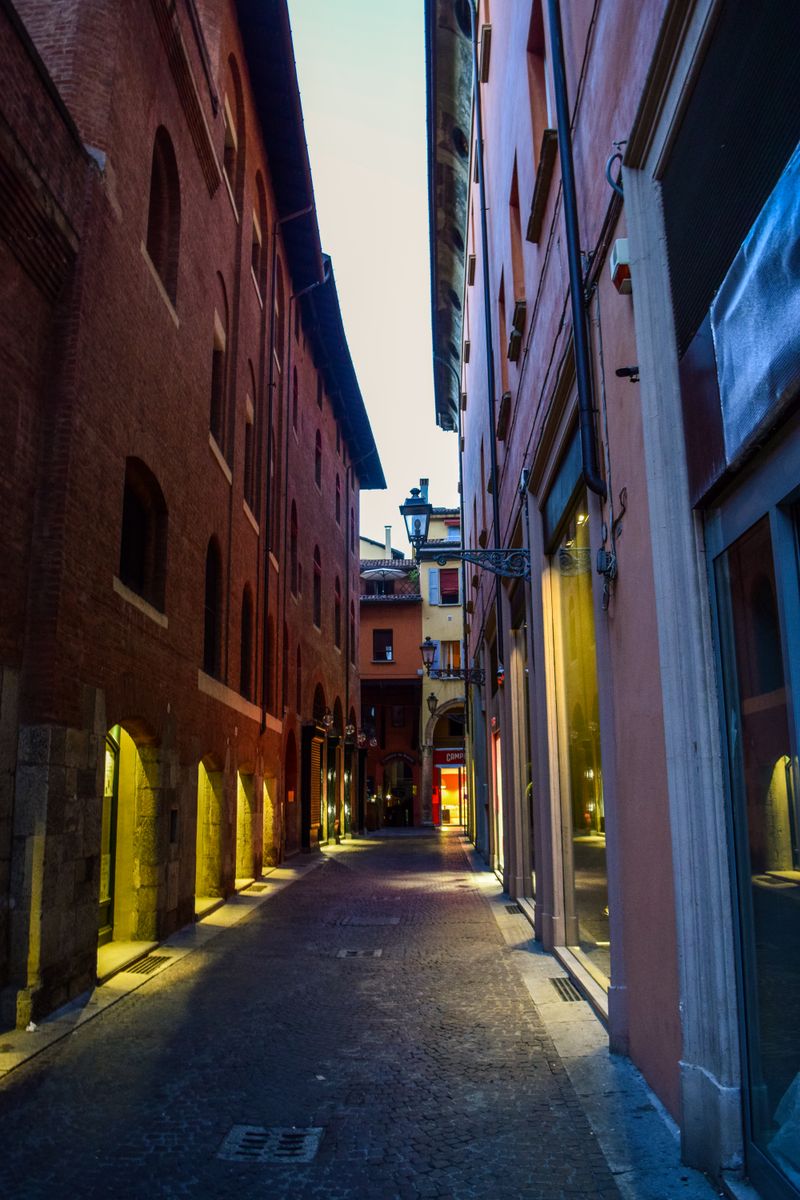
Milan's reign as the fashion capital of the Western world was solidified in the late 1970s when Italian ready-to-wear designers broke away from the traditional, aristocratic haute couture salons of Paris and Rome to create modern, wearable luxury. Today, the world's most prestigious luxury fashion quadrant—the Quadrilatero della Moda—occupies a compact grid of cobblestone streets centered along Via Montenapoleone, Via della Spiga, Via Sant'Andrea, and Via Gesù.
Even if your travel budget does not accommodate bespoke tailored suits or designer handbags, window shopping (*fare le vasche*) along these streets is an extraordinary masterclass in visual merchandising, interior architecture, and sartorial style. Notice the discreet courtyard gardens (*cortili*) hidden behind heavy wrought-iron carriage gates, where Renaissance stone fountains, climbing wisteria, and marble colonnades provide tranquil green sanctuaries for the Milanese aristocracy.
Shopping Etiquette: Unlike American or British retail environments where staff greet customers casually, entering a luxury boutique in the Quadrilatero requires traditional Italian decorum. Greet the door attendant and sales associates with a polite 'Buongiorno' (good day) or 'Buonasera' (good evening) upon entry. Ask permission before handling delicate silk fabrics or fine leather goods by saying 'Posso guardare?' (May I look?). Dressing smartly will dramatically enhance the warmth of service you receive.
Milanese Pastry Traditions: The Sacred Craft of Panettone
No culinary exploration of Milan is complete without understanding Panettone, the dome-shaped sweet sourdough holiday loaf studded with candied orange peel, citron, and plump raisins. Legend traces panettone to the court of Duke Ludovico Sforza in the 15th century, where a scullery boy named Toni accidentally salvaged a ruined royal Christmas banquet dessert by baking a loaf of yeasted bread kneaded with leftover butter, sugar, and raisins—delighting the Duke, who christened it Pan de Toni ('Toni's Bread').
True artisanal Milanese panettone is a triumph of biological fermentation. It is leavened exclusively with a century-old sourdough mother yeast (*pasta madre*), requiring three separate kneading cycles, over 48 hours of slow natural fermentation, and inverted hanging on skewers after baking to prevent the fragile, cloud-like buttery crumb from collapsing under its own weight.
Visit Milan's historic confectionery salons to sample authentic panettone year-round:
- Pasticceria Marchesi (Founded 1824): Located on Via Santa Maria alla Porta and above the Prada boutique in Galleria Vittorio Emanuele II, Marchesi is famed for its mint-green silk jacquard walls, crystal chandeliers, hand-dipped chocolate pralines, and pristine sourdough panettone.
- Pasticceria Cova (Founded 1817): Established directly adjacent to Teatro alla Scala and later relocated to Via Montenapoleone, Cova was the favored salon of Giuseppe Verdi, Ernest Hemingway, and Maria Callas. Sip a velvety cappuccino at the mahogany bar accompanied by miniature fruit tartlets (*pasticcini*).
- Pasticceria Cucchi (Founded 1934): Located in the Porta Genova district on Corso Genova, Cucchi is a beloved neighborhood institution where Milanese intellectuals gather for brioche, espresso, and seasonal panettone.