Is Banjul worth visiting?
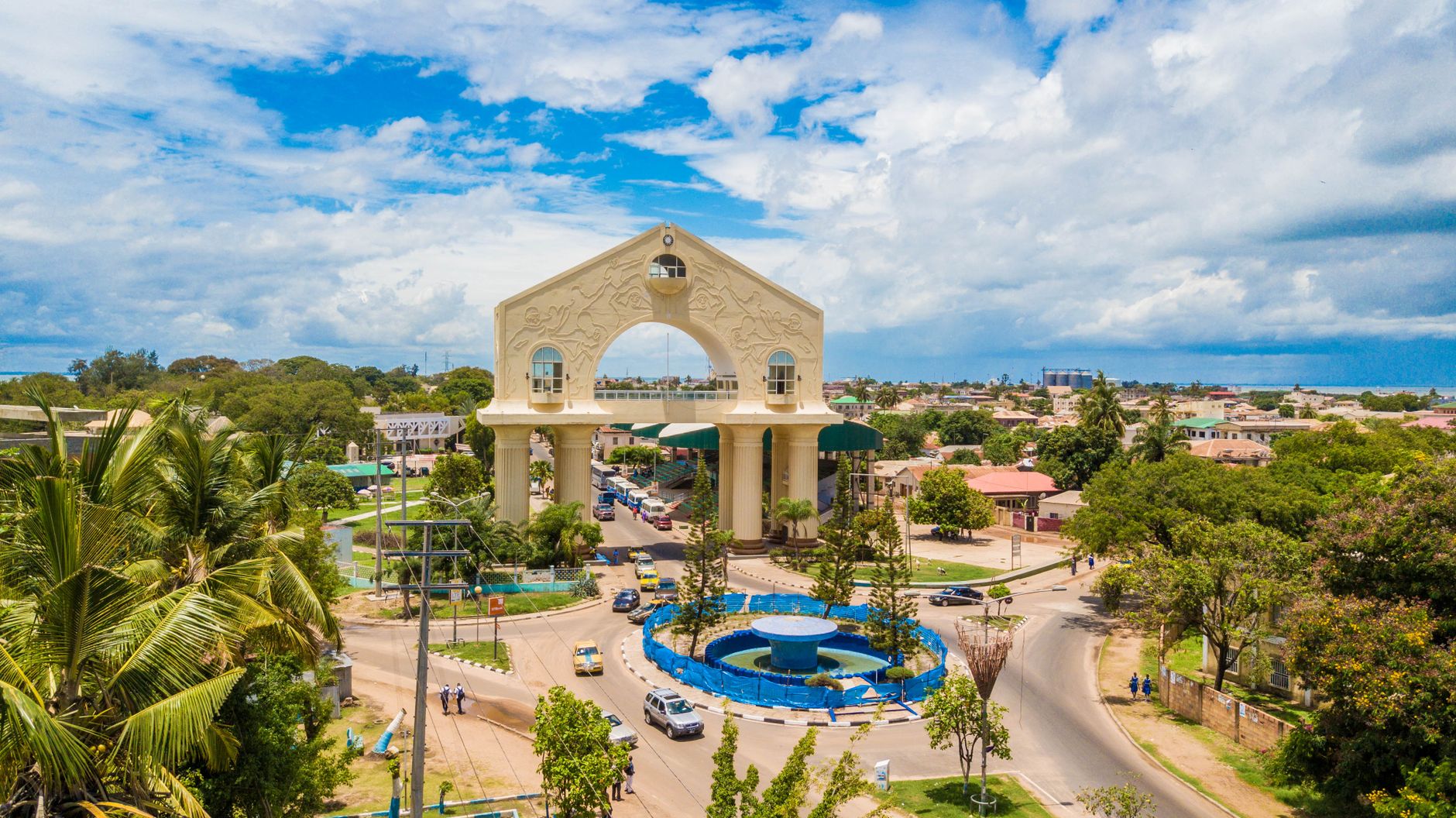
Yes, if you want to see the real Gambia beyond the beach resorts. It's a small, walkable capital where colonial history, daily commerce at Albert Market, and recent political memory at Arch 22 collide. You can cover the main sights in a day, but the atmosphere takes longer to absorb.
How many days should I spend in Banjul?
One full day is enough for the core sights. Start at Arch 22, walk to the National Museum and MacCarthy Square, then get lost in Albert Market. Add a second day if you want to take the ferry to Barra or explore the residential quarters with their wooden houses.
How do I get around Banjul?
Walk. The city center is compact and flat. For longer distances, use green-yellow taxis—agree on a price before you get in. The ferry to Barra is a form of transport and an attraction in itself.
What is there to do in Banjul at night?
Not much. Banjul is primarily a daytime city. Evening life is quiet. Most visitors stay in the nearby resort areas of Kotu or Kololi, which have more restaurants and bars, and take day trips into the capital.
Is Banjul safe for tourists?
It's generally safe, with standard city precautions advised. Petty theft can occur in crowded areas like Albert Market, so keep valuables secure. The political situation is stable, but Arch 22's exhibits are a sobering reminder of a recent, difficult past.
How much does it cost to visit Banjul?
It's very affordable. Museum entry is 200 Dalasi (about $3). Local meals and transport cost very little. The biggest expense will be a taxi from the coastal resorts if you're not staying in the city.