The Hidden Routes Intelligence: Navigating Prague Like a Local
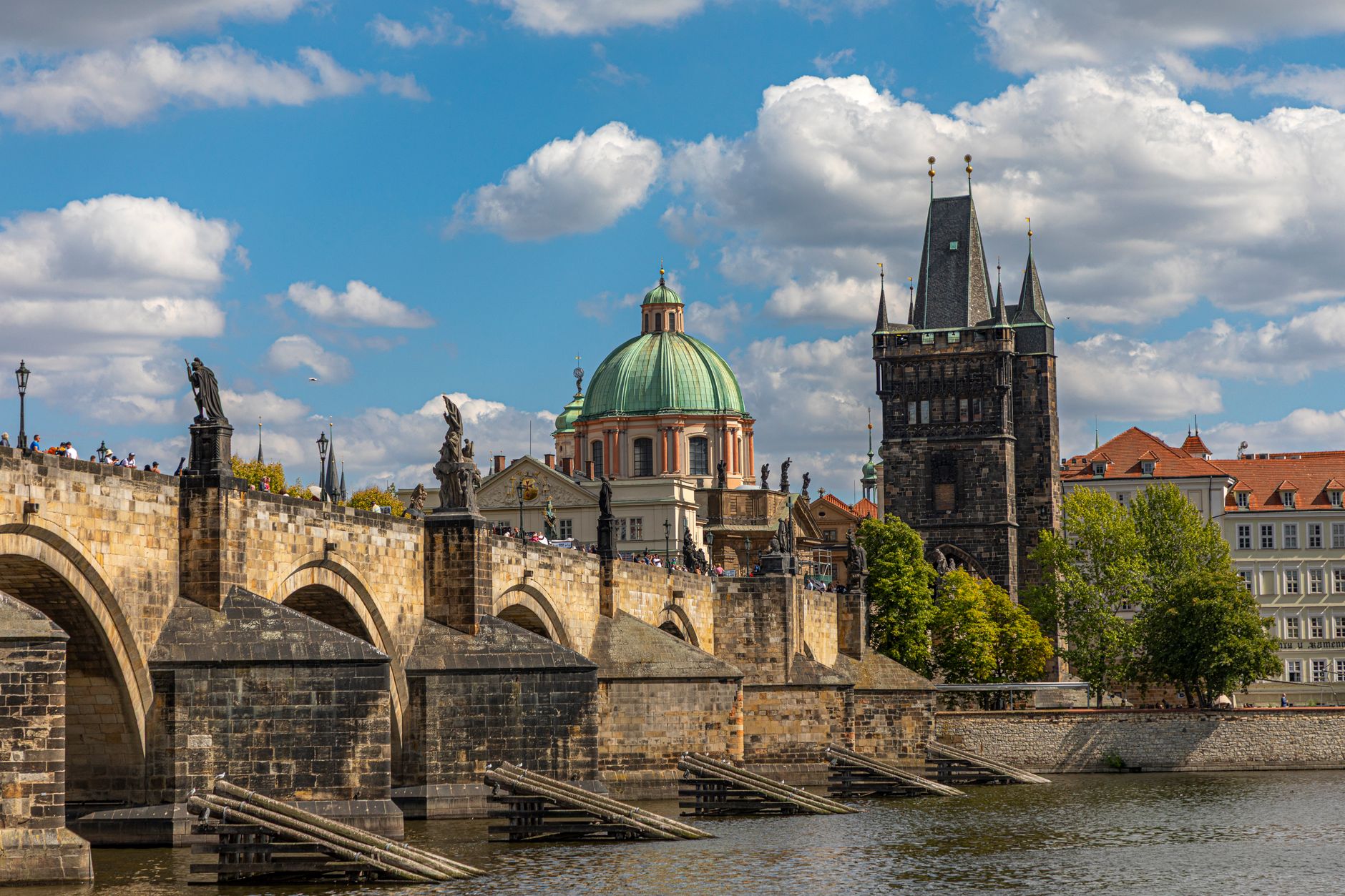
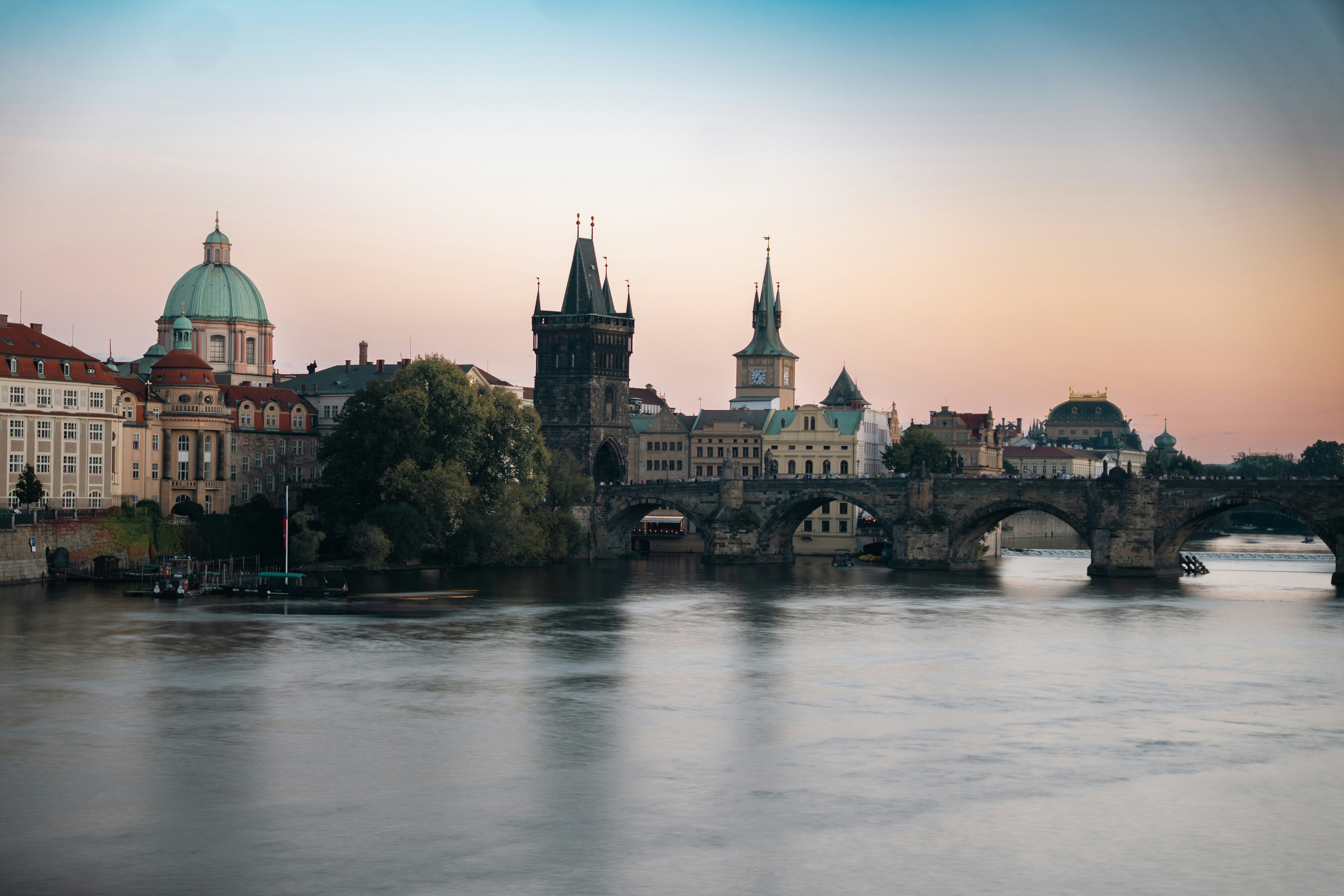
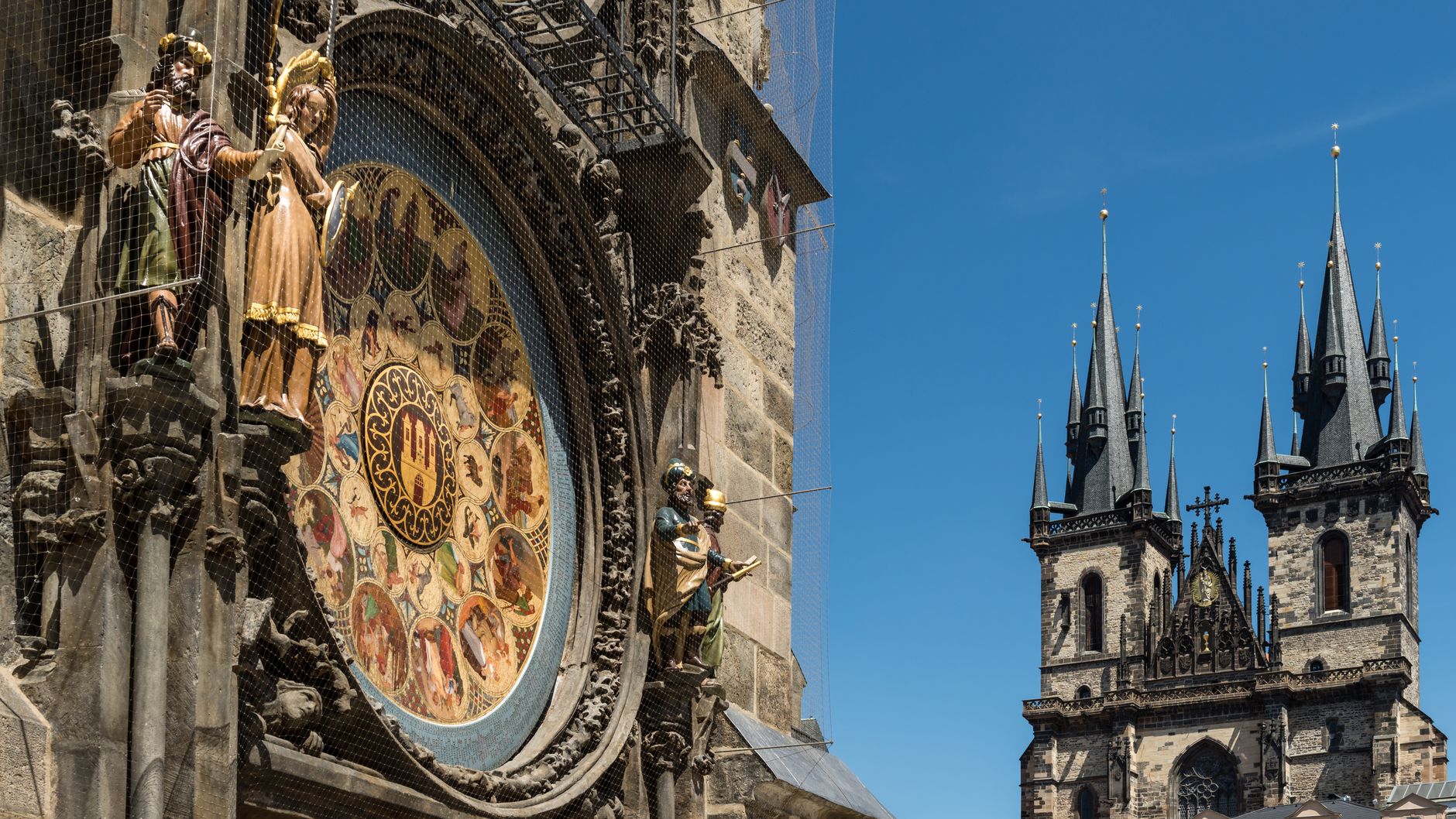
Prague is a city of stunning contrasts, where centuries of history blend seamlessly with a vibrant modern culture. But to truly experience its magic, you must step off the well-worn tourist paths and embrace the local way of life. The Honest Guide, a popular local resource, frequently reminds visitors that the authentic Prague lies beyond the Charles Bridge and Old Town Square.
Currency & ATMs: First and foremost, avoid the notorious Euronet ATMs scattered across the city center. These machines are infamous for offering abysmal exchange rates and hidden fees. Instead, stick to official bank ATMs (like Česká spořitelna, ČSOB, or Raiffeisenbank) and always choose to be charged in the local currency, the Czech Koruna (CZK), not your home currency.
Transit & Tickets: Prague's public transit system is efficient, reliable, and covers almost every corner of the city. Trams and the metro are your best friends. However, a common pitfall for tourists is failing to validate their tickets. Whether you buy a paper ticket or use the mobile app (PID Lítačka), you must validate it before entering the metro zone or boarding a tram/bus. Plainclothes inspectors patrol frequently, and pleading ignorance won't save you from a hefty fine.
The Culinary Landscape: Beyond Meat and Potatoes
Czech cuisine is traditionally meat-heavy, but the vegetarian scene has blossomed, offering hearty, authentic options. You don't have to subsist on salads. Seek out Smažený sýr, a decadent thick slice of deep-fried cheese (usually Edam or Hermelín) served with tartar sauce and potatoes—a beloved comfort food. For a more traditional vegetable-forward dish, try Knedlíky (Czech dumplings) smothered in a rich, savory mushroom sauce (Houbová omáčka). If you want something crispy and satisfying, Bramborák (garlic-spiced potato pancakes) are a staple found in many pubs and street stalls.
The Sacred Art of Beer
In the Czech Republic, beer isn't just a beverage; it's a pillar of culture. The city of Plzeň (Pilsen), just a short train ride away, gave the world Pilsner, and its legacy flows through Prague's taps. But drinking beer here involves specific terminology. When you order, you might ask for a Hladinka (the standard pour with a perfect head of wet foam), a Šnyt (a smaller beer with more foam, perfect for tasting or pacing yourself), or a Mlíko (a glass almost entirely full of sweet, creamy foam, meant to be drunk quickly).
Off the Beaten Path: The Neighborhoods to Explore
To escape the crowds, head to Vyšehrad. This historic fort, perched on a rock over the Vltava River, offers breathtaking views, serene parks, and the stunning Basilica of St. Peter and St. Paul. It’s where the locals go for a Sunday stroll, far from the frenzy of Prague Castle.
Across the river lies Letná Park (Letenské sady), famous for its sweeping panoramas of the city's bridges and its sprawling beer garden. Grab a pint, find a spot under the chestnut trees, and watch the sunset paint the city in hues of gold and rose.
For a taste of Prague's bohemian, gritty, and fiercely independent side, visit Žižkov. Once a working-class stronghold, it now boasts the highest concentration of pubs per capita in Europe. The iconic Žižkov Television Tower, crawling with David Černý's giant babies, looms over the district. It’s the perfect place to grab a cheap, excellent beer and rub shoulders with students, artists, and long-time residents.
Deep History and Architecture
Prague's architectural tapestry is unbroken by the massive bombings that flattened other European capitals during WWII. You can trace the evolution of European architecture simply by walking down a single street. The Romanesque rotundas date back to the 11th century, providing sturdy, thick-walled sanctuaries in the oldest parts of the city.
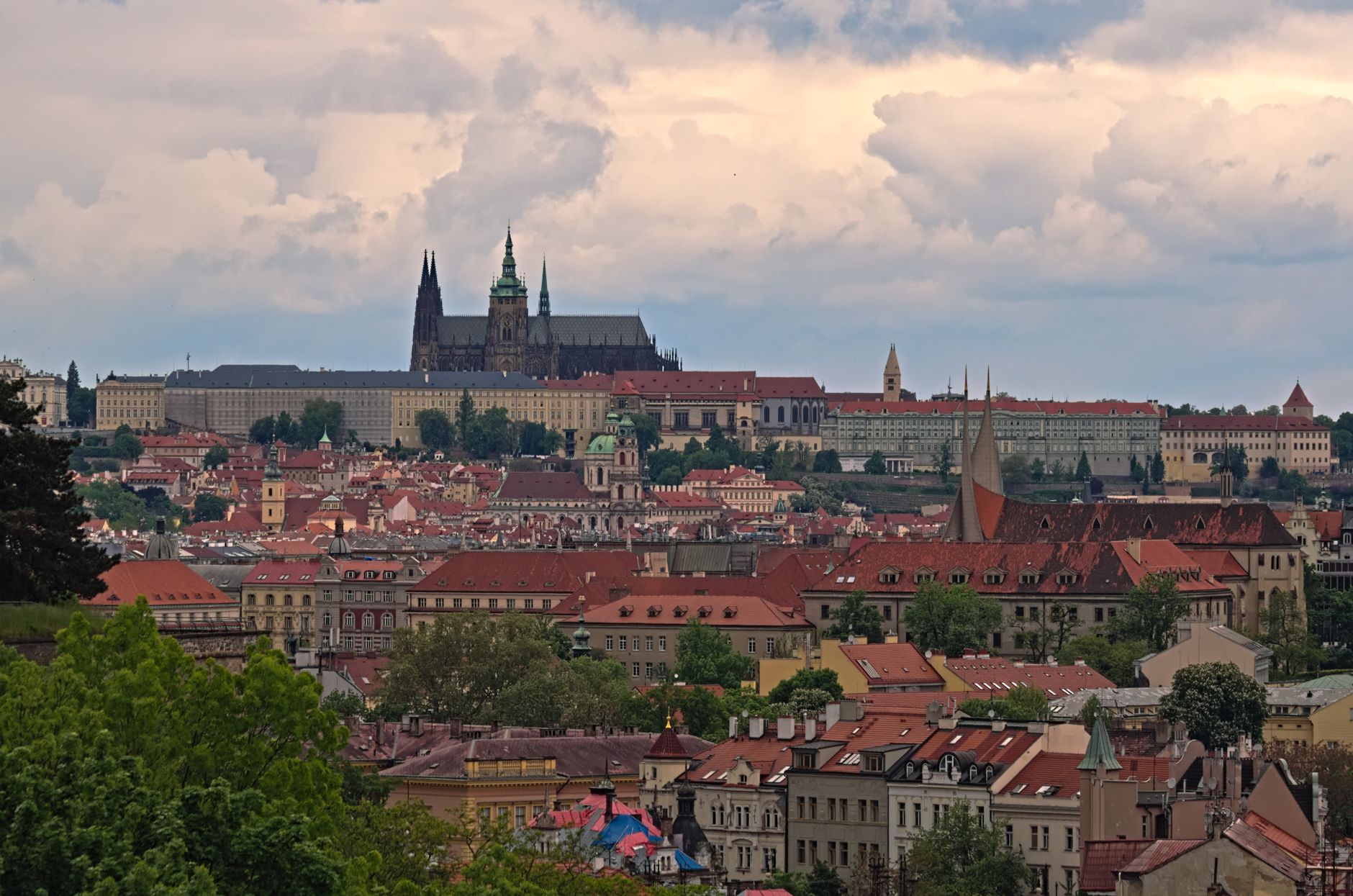
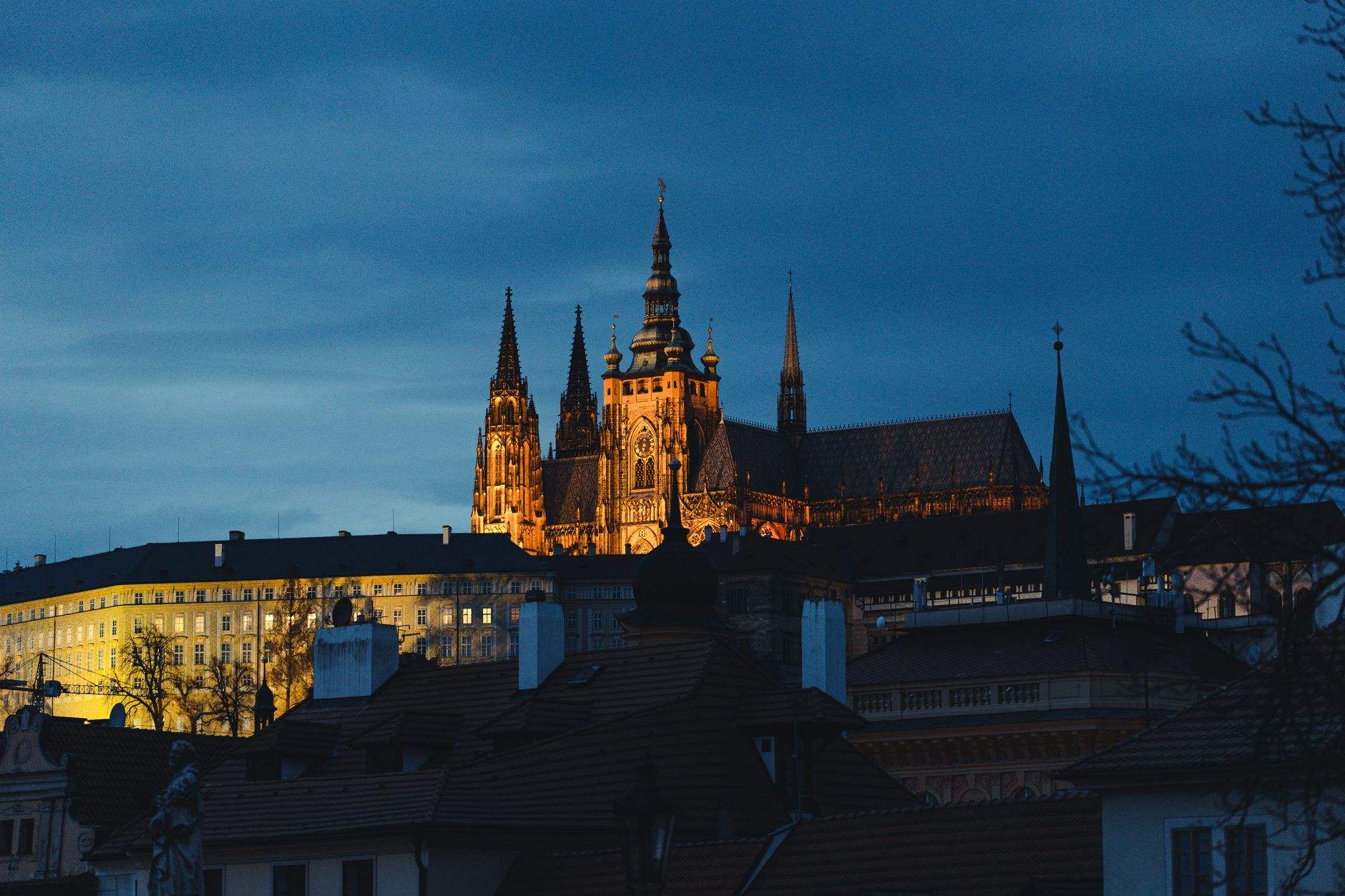
Then came the Gothic era, championed by King Charles IV in the 14th century, which saw the raising of the Charles Bridge, the towering spires of St. Vitus Cathedral, and the establishment of the New Town (Nové Město)—an incredible feat of urban planning that still dictates the city's flow today.
A City of Literature and Legend
Wandering through the twisting cobblestone alleys of the Old Town, it is easy to understand how Prague birthed legends like the Golem, a creature of clay animated by Rabbi Loew in the 16th century to protect the Jewish ghetto. The atmosphere of the city—often cloaked in winter fog or bathed in the golden light of autumn—lends itself to tales of alchemy, magic, and mystery.
It is also the city of Franz Kafka. While his relationship with Prague was complex and often agonizing, the oppressive, labyrinthine bureaucracy he described in his novels is deeply rooted in the Austro-Hungarian administration that once ruled from Vienna, casting a long shadow over the Bohemian capital. Today, you can trace Kafka's footsteps, from his birthplace near the Old Town Square to the Golden Lane at Prague Castle, where he wrote in a tiny, quiet house.
Seasons in the City of a Hundred Spires
Prague transforms with the seasons. Spring brings a burst of green to the Petřín Hill and the Royal Gardens, accompanied by the blossoming of cherry and magnolia trees. The city shakes off the winter chill, and the outdoor terraces slowly fill up. The Prague Spring International Music Festival fills the air with classical masterpieces, drawing connoisseurs from around the globe.
Summer is vibrant, bustling, and hot. The riverbanks, or náplavka, become the epicenter of social life. Floating bars, farmer's markets, and live music make the Vltava River the place to be on a warm July evening. However, this is also when the city is most crowded.
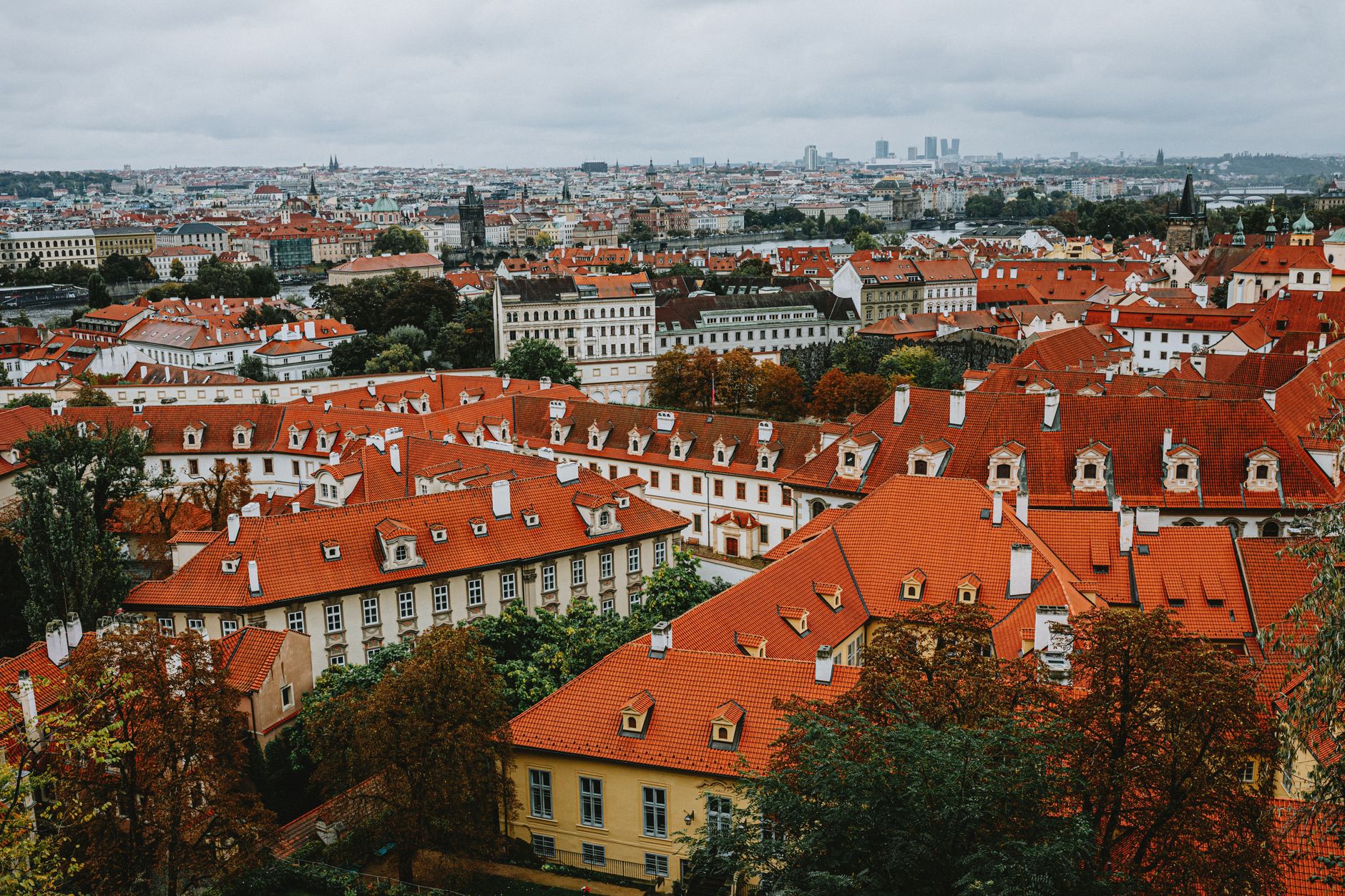
Autumn is arguably the most photogenic season. As the leaves turn gold and copper, a melancholy, romantic atmosphere settles over the city. The summer crowds thin out, and the crisp air is perfect for long walks through the parks or cozying up in a traditional café with a slice of Medovník (honey cake).
Winter in Prague is a fairy tale, especially when it snows. The famous Christmas markets in the Old Town Square and Wenceslas Square fill the air with the scent of roasted chestnuts, cinnamon, and svařák (mulled wine). Though the days are short and the temperatures can drop below freezing, the warmth of a Czech pub provides the perfect refuge.
Day Trips and Further Exploration
While Prague itself offers endless fascination, it also serves as an excellent base for exploring the rest of Bohemia. A short train ride takes you to Kutná Hora, a medieval silver mining town famous for the Sedlec Ossuary—a chapel adorned with the bones of tens of thousands of people, arranged in macabre, fascinating patterns.
For those seeking nature, the Bohemian Switzerland National Park (České Švýcarsko) offers dramatic sandstone landscapes, deep gorges, and the monumental Pravčická brána, the largest natural sandstone arch in Europe.
And of course, no visit to the Czech Republic is complete without a pilgrimage to Český Krumlov. This UNESCO World Heritage site, nestled in a meandering bend of the Vltava River in South Bohemia, features a stunning Renaissance castle and a perfectly preserved medieval town center.
Connect with the Rest of Europe
Prague's central location makes it the perfect hub for a broader European journey. You can easily catch a train to Vienna, experiencing the imperial grandeur of the Habsburgs, or head north to Berlin for a stark contrast in history and modernity. If you're heading east, Budapest offers incredible thermal baths and ruin bars.
For those exploring deeper into the region, consider a trip to Krakow, another city that survived WWII largely intact and boasts a magnificent medieval square. Alternatively, take a scenic ride to Munich to compare Bavarian beer culture with the Czech tradition. Don't forget Bratislava, the charming capital of Slovakia, which shares a deep, intertwined history with Prague. You can also explore Salzburg, the birthplace of Mozart, or head towards the stunning alpine scenery of Zurich.
Vinohrady: The Elegant Expat Haven
Just east of the New Town lies Vinohrady, an elegant residential neighborhood known for its pastel-colored Art Deco and Neo-Renaissance buildings. Its name translates to 'vineyards,' reflecting its 14th-century origins when the area was covered in vines planted by Charles IV. Today, it is a bustling hub of international cuisine, trendy cafes, and lush green spaces like Riegrovy Sady. The park's famous beer garden is a prime spot for watching sports on large screens while sipping a cold Pilsner, while the grassy slopes offer a spectacular view of the Prague Castle, especially at sunset. Vinohrady seamlessly blends the historical charm of Prague with a cosmopolitan lifestyle, making it a favorite among expats and young professionals.
Karlín: The Resilient Innovator
Karlín is a testament to Prague’s resilience. Devastated by the historic floods of 2002, the neighborhood underwent a massive revitalization. Today, it stands as one of the city's most dynamic and modern districts. The grid-like streets—a rarity in Prague—are lined with restored 19th-century facades, cutting-edge office buildings, and an array of exceptional dining options. From artisanal bakeries to sleek bistros, Karlín is a food lover's paradise. The neighborhood also hosts Forum Karlín, one of the best acoustic venues in the city, drawing international music acts. It’s a stark contrast to the medieval labyrinth of the Old Town, offering a glimpse into Prague's forward-looking spirit.
Smíchov: The Industrial Heart Turned Cultural Hub
On the left bank of the Vltava, south of the Lesser Town (Malá Strana), lies Smíchov. Historically an industrial powerhouse—home to the famous Staropramen brewery, which still operates today—the area has transformed over the last two decades. The Anděl intersection is a major commercial and transport hub, featuring a massive shopping mall and a multiplex cinema. However, beyond the commercial center, Smíchov retains a rugged charm. The MeetFactory, an international center for contemporary art founded by artist David Černý, occupies an old glass factory between a railway and a highway, serving as a beacon of the city's alternative art scene.
Holešovice: The Hipster Enclave
North of the city center, nestled in a bend of the Vltava, is Holešovice. This former meatpacking and industrial district has reinvented itself as Prague's premier creative hub. The Veletržní palác, a functionalist masterpiece, houses the National Gallery's collection of modern and contemporary art. Nearby, the DOX Centre for Contemporary Art, a stunning conversion of an old factory, hosts provocative exhibitions. The neighborhood is dotted with independent galleries, concept stores, and some of the city's best underground clubs, such as Cross Club, a mesmerizing steampunk venue constructed from recycled metal and electronics.