
Origins & Dynastic Heritage
The historical emergence of Khambhalida Heritage Kothi represents one of the most compelling chapters in India's socio-economic and architectural history. Commissioned during the 18th-20th Century by distinguished members of the Gaekwad, Jadeja & Rajput Princely Rulers, this magnificent mansion was built as both an ancestral residence and a grand display of mercantile success. Driven by overland caravan trade and thriving maritime banking networks that extended across South Asia, Southeast Asia, and the Levant, merchant patriarchs channeled immense commercial wealth back to their ancestral soil in Princely Gujarat & Saurashtra, Gujarat.
Rather than adopting purely utilitarian domestic designs, the merchant builders conceived Khambhalida Heritage Kothi as a palatial urban mansion that celebrated regional pride, cosmopolitan sophistication, and ancestral identity. The property was constructed on prime ancestral plots along historic merchant avenues, incorporating defensible outer gateways, towering multi-tiered facades, and fortified wooden doorways studded with wrought-iron spikes to secure mercantile ledgers, bullion vaults, and precious trade commodities.
Over the decades, Khambhalida Heritage Kothi served as the vibrant heartbeat of extended joint-family networks, accommodating generations of traders, accountants (munims), domestic staff, and honored guests. Today, the mansion remains an invaluable architectural monument, encapsulating the entrepreneurial vision, cultural philanthropy, and artistic patronage of India's historic mercantile aristocracy.

Architectural Anatomy & Spatial Hierarchy
The architectural configuration of Khambhalida Heritage Kothi exemplifies the finest traditions of Indo-Saracenic, Venetian Gothic & Darbargadh. The layout is organized around a dual or triple-courtyard system (chowks), a brilliant vernacular design that facilitates cross-ventilation, regulates interior temperatures, and demarcates public and private domains. The first courtyard traditionally functioned as the outer business salon (baithak or thinnai), where merchants conducted ledger audits, negotiated consignments, and received trade clients amidst finely carved timber columns.
Progressing deeper into the estate leads to the inner private courtyard, the sanctum of family life and domestic activities. Surrounding this open-air lightwell are multi-tiered galleries, sleeping chambers, granaries, and prayer shrines, connected by cantilevered balconies, intricately carved wooden balustrades, and steep wooden stairs. Perforated stone lattice screens (jalis) and shuttered clerestory windows allowed women to observe public festivities and courtyard assemblies while maintaining absolute modesty.
The ornamentation of the mansion is breathtaking in its variety and execution. Walls and ceilings are embellished with signature artistic expressions—ranging from brilliant fresco wall paintings created using natural vegetable and mineral pigments to imported Belgian mirror mosaics, Italian Carrara marble floorings, and handmade geometric clay tiles. Massive structural pillars carved from seasoned timber, teak, or local sandstone feature elaborate bracket capitals depicting peacocks, elephants, and stylized floral vines.
Centuries-old vegetable, indigo, and mineral pigments are exceptionally susceptible to tactile abrasion and atmospheric moisture. Never touch, lean against, or lean tripods on painted plaster walls. Watch your step on steep wooden staircase treads and low lintel doorways engineered according to traditional vernacular proportions.
Royal Collections & Ceremonial Regalia
Within the vaulted chambers and preserved period rooms of Khambhalida Heritage Kothi, visitors encounter a remarkable array of domestic artifacts, heirloom furnishings, and mercantile memorabilia that illuminate daily life in a wealthy nineteenth-century aristocratic household. The reception chambers retain authentic period furniture, including intricately carved rosewood daybeds, Belgian crystal chandeliers, pendulum wall clocks imported from Victorian Britain, and ornate swing seats (jhulas) suspended from heavy brass chains.
Of particular historical fascination are the administrative and mercantile relics displayed in the merchant offices. Heavy iron-bound teak money chests (tijoris), equipped with complex multi-key locking mechanisms and concealed double bottoms, stand alongside hand-stitched leather ledger books (bahi-khatas) inscribed in classical business scripts. These ledgers record intricate credit transactions, exchange rates, and international trade consignments.
The domestic quarters showcase heirloom brass and bronze vessels of colossal proportions—storage cauldrons, ceremonial betel nut (paan) boxes, spice carousels, and ritual oil lamps weighing tens of kilograms. Framed family portraits, tinted glass lithographs, and vintage gramophones lend a palpable sense of living history to the rooms, transporting visitors into the daily rhythms and ceremonial grandeur of a bygone aristocratic epoch.
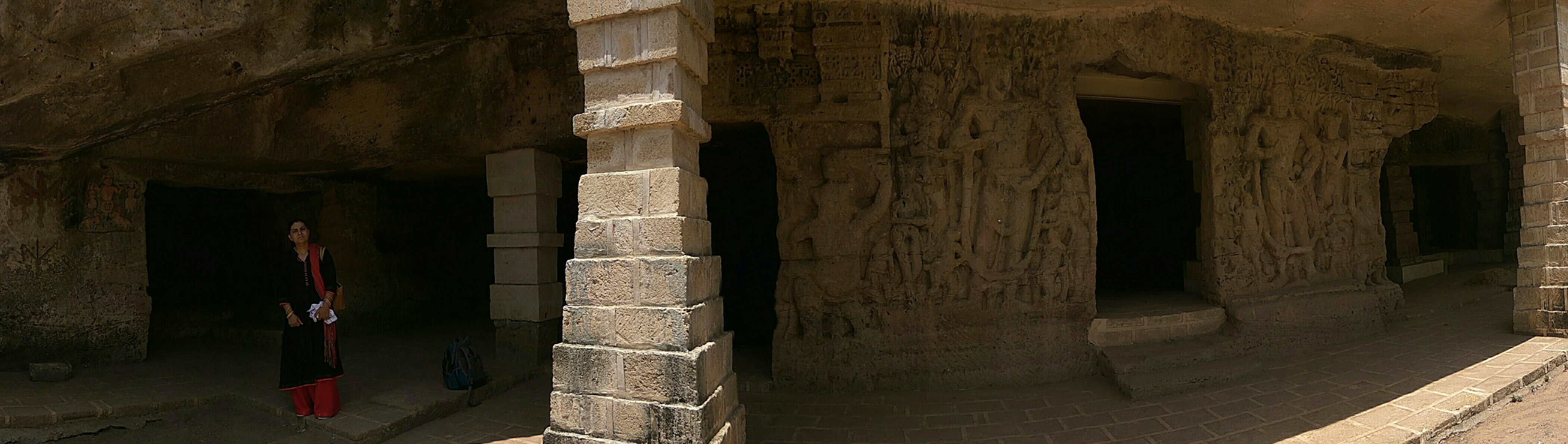
Cultural Lineage & Living Heritage
Khambhalida Heritage Kothi was never merely a static residence; it functioned as a vibrant social institution and cultural sanctuary in Princely Gujarat & Saurashtra. The resident merchant families were celebrated for their deep philanthropic commitments, establishing community water stepwells, Sanskrit pathshalas, cow shelters (gaushalas), and ornate neighborhood temples that formed the spiritual nucleus of the settlement.
The vibrant frescoes and decorative panels gracing the walls served as open-air educational and storytelling canvases. Master painters depicted epic episodes from the Ramayana, Mahabharata, and Krishna Lila alongside startling contemporary scenes of colonial modernism—including steam locomotives, vintage motorcars, telephone lines, and early aviation balloons. This eclectic fusion of sacred mythology and industrial modernity offers a profound visual record of how traditional Indian societies negotiated the dawn of the global modern era.
In contemporary times, dedicated restoration trusts, heritage hoteliers, and resident caretakers have undertaken painstaking efforts to protect and rehabilitate Khambhalida Heritage Kothi. Using traditional lime mortar (chunam) and natural pigments, master conservationists work to undo decades of weather erosion, ensuring that the remarkable cultural tapestry and artisanal genius embedded in these historic walls are celebrated by travelers from across the globe.
Most historic havelis and ancestral mansions are privately stewarded by resident custodians or family trusts. Courtyard entry is customary between 8:00 AM and 6:00 PM with a nominal conservation contribution (₹50–₹250 per visitor) directed entirely to lime-plaster and fresco restoration. Inquire with the resident caretaker or local heritage walk guides for access to upper zanana balconies and hidden rooftop parapets.
Visitor Guide, Logistics & Etiquette
Exploring Khambhalida Heritage Kothi offers an intimate, atmospheric journey into the merchant heritage of Princely Gujarat & Saurashtra. Many historic havelis and mansions remain privately owned or under family custodial trusts, welcoming visitors between 8:00 AM and 6:00 PM daily. Visitors should allocate approximately one to two hours to wander through the inner courtyards, admire the exterior frescoes, and inspect the vintage architectural fittings.
Entry is typically accompanied by a modest conservation fee or voluntary donation (ranging between ₹50 and ₹250), which is channeled directly into lime-wash maintenance, roof waterproofing, and fresco conservation projects. Engaging a knowledgeable local heritage guide or participating in an organized heritage walking tour is highly recommended, as expert guides can decode cryptic mural details, explain complex family lineages, and unlock access to private rooftop terraces with commanding skyline views.
When visiting, travelers are urged to practice responsible heritage tourism: avoid touching painted plaster surfaces, refrain from using intense flash photography inside shaded chambers, and navigate steep wooden staircases with care. The historic town of Princely Gujarat & Saurashtra is well-connected by road and regional railways, making it an accessible and rewarding cultural detour on any heritage itinerary across Gujarat.
Frequently Asked Questions
Who built Khambhalida Heritage Kothi and what was the historical background of its patrons?
Khambhalida Heritage Kothi was constructed during the 18th-20th Century by prominent members of the Gaekwad, Jadeja & Rajput Princely Rulers. Princely merchant kothi situated near ancient rock-cut Buddhist sanctuaries. The mansion served as the ancestral residential and mercantile headquarters of the family, demonstrating the immense wealth and artistic patronage generated through historic overland and maritime commerce.
What signature artistic and architectural elements are visible at Khambhalida Heritage Kothi?
The property exhibits hallmark Indo-Saracenic, Venetian Gothic & Darbargadh. Notable highlights include multi-tiered interior chowks (courtyards), ornate hand-painted murals depicting mythological and historic themes, intricately carved timber doorways, and imported embellishments such as Belgian glass mirrors and Italian marble masonry.
How can visitors explore Khambhalida Heritage Kothi and are there entry fees?
Most visitors explore Khambhalida Heritage Kothi during morning and late afternoon hours (8:00 AM to 6:00 PM). A modest conservation fee (₹50 to ₹250) is typically collected by the resident caretakers or heritage trust to support regular plastering and pigment preservation work. Local heritage walk guides offer detailed contextual walkthroughs.
What preservation rules should visitors follow inside Khambhalida Heritage Kothi?
To safeguard centuries-old pigments, visitors are strictly instructed not to touch or lean against painted plaster walls. Flash photography is discouraged within sensitive inner chambers. Take care when navigating narrow wooden staircases and traditional high doorway thresholds.
What is the best time of year to visit Khambhalida Heritage Kothi in Gujarat?
The ideal travel season is between October and March when regional weather in Gujarat remains pleasant and dry. Walking through historic haveli lanes and open courtyards during the cool winter months ensures an immersive cultural experience without the harsh summer afternoon heat.