1. India's Ultimate First-Timer Snow Summit: Kedarkantha
Rising to an altitude of 3,810 metres (12,500 feet) inside the Govind Pashu Vihar National Park in western Uttarakhand, Kedarkantha is widely hailed as India's premier winter snow trek. Unlike many Himalayan treks where the summit is an elusive ridge or a mountain pass, Kedarkantha features an unmistakable triangular mountain peak capped by a small stone shrine dedicated to Lord Shiva.
From mid-December through April, the entire mountain is transformed into a winter wonderland of deep powdery snow, frozen alpine tarns, and frost-crusted pine woodlands. Standing atop the summit at sunrise rewards trekkers with a jaw-dropping 360-degree panorama of legendary Garhwal Himalayan giants: Swargarohini (I, II, III), Bandarpoonch, Black Peak (Kalanag), and the Rupin mountain ranges.
At 2,775 m, the trail passes Juda Ka Talab, an enchanting mountain lake that freezes solid in winter. Local folklore holds that Lord Shiva meditated here and opened a lock of his hair (juda), creating the tranquil water body.
2. Realistic Itemized 5-Day Trek Budget Breakdown
Whether booking through an organized adventure agency or hiring a local village guide from Sankri, here is the transparent cost structure:
| Expense Component | Agency Package (₹) | Independent / Local Guide (₹) | Details & Inclusions |
|---|---|---|---|
| Trek Package / Guide Fee | ₹7,500 – ₹11,500 | ₹4,500 – ₹6,500 | Local certified guide, trail safety, and group equipment. |
| Forest Entry & Camping Permit | Included in agency | ₹850 / person | Govind Pashu Vihar Forest Department permit fee. |
| Sankri Homestay (2 Nights) | Included in agency | ₹2,000 – ₹3,000 | Traditional wooden homestay before and after trek with hot meals. |
| Gear Rental at Sankri | ₹1,500 – ₹2,500 | ₹1,500 – ₹2,500 | Waterproof snow boots, gaiters, microspikes, and trekking pole. |
| Dehradun to Sankri Shared Cab | ₹2,400 (Return) | ₹2,400 (Return) | Shared Tata Sumo / Bolero from Dehradun Railway Station (₹1,200 each way). |
| Offloading Backpack to Mule (Optional) | ₹1,500 – ₹2,000 | ₹1,500 – ₹2,000 | Per bag (max 9 kg) for trekkers preferring not to carry their pack. |
| Total Budget per Person | ₹11,400 – ₹16,400 | ₹9,250 – ₹14,250 | Excludes train/flight to Dehradun. |
3. Sankri Base Camp: Gateway to Govind Wildlife Sanctuary
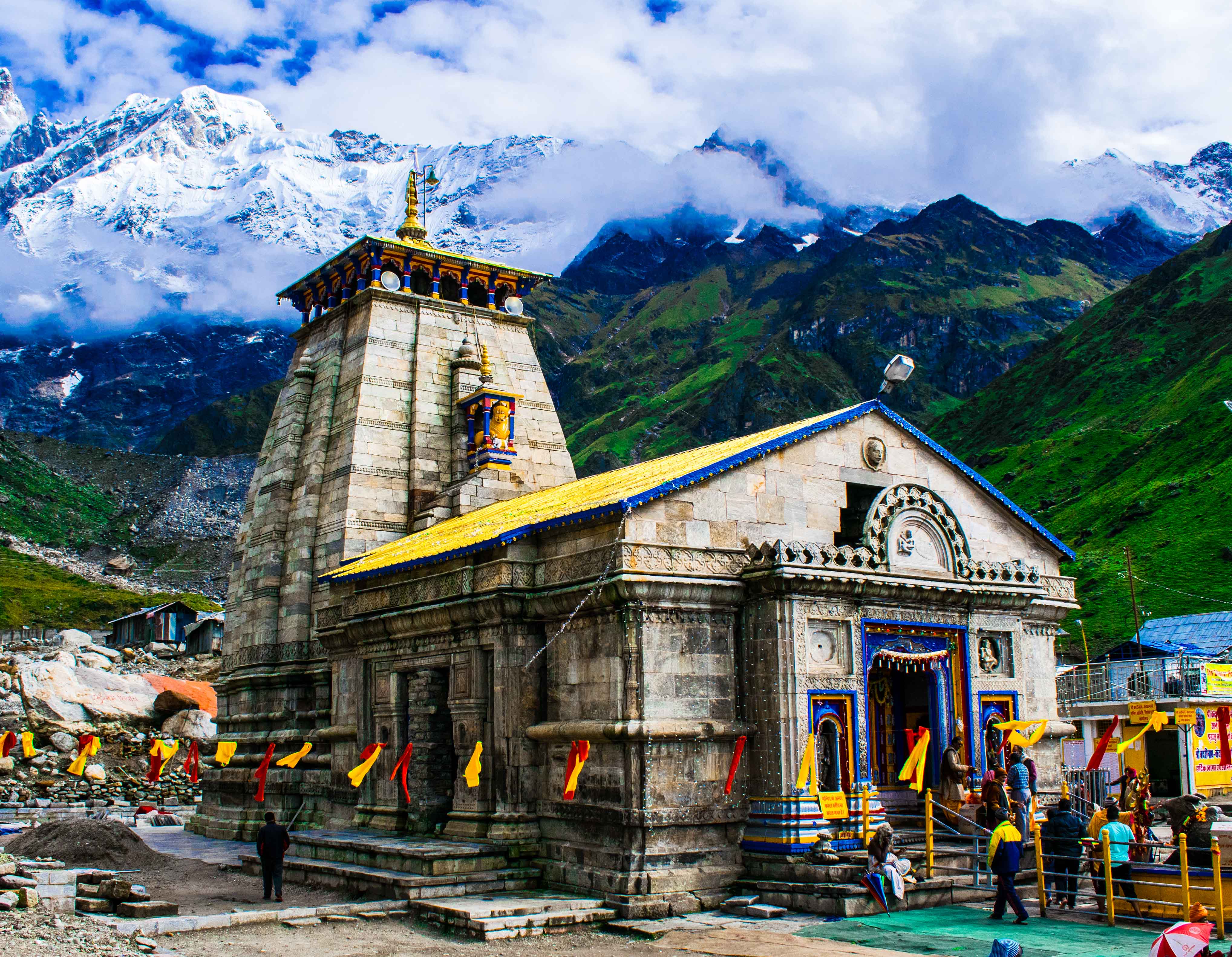
All Kedarkantha and Har Ki Dun treks begin at Sankri (1,950 m), a picturesque mountain hamlet perched along the Supin River valley in Uttarkashi district:
- Reaching Sankri from Dehradun: Distance is 210 km (approx. 8 to 9 hours drive). Shared Tata Sumos depart daily between 05:30 AM and 07:00 AM from outside Dehradun Railway Station near the Mussoorie bus stand. The mountain road passes through Mussoorie, Kempty Falls, Nainbagh, Damta, Purola, and Mori.
- Sankri Gear Rental Hub: Over a dozen local outdoor equipment shops in Sankri rent heavy-duty trekking gear at very reasonable rates: microspikes (₹100/day), waterproof gaiters (₹100/day), trekking poles (₹50/day), waterproof snow jackets (₹200/day), and insulated snow boots (₹200/day).
4. Battle-Tested 5-Day Summit Push Itinerary
The standard climbing schedule ensures gradual elevation gain and maximum summit day success:
- Day 1: Dehradun to Sankri (210 km drive / 8 hours). Check into village homestay, equipment check, and permit registration.
- Day 2: Sankri (1,950 m) to Juda Ka Talab (2,775 m). 4 km trek / 4 hours through dense pine and oak forest. Camp beside frozen lake.
- Day 3: Juda Ka Talab to Kedarkantha Base Camp (3,400 m). 3.5 km trek / 3 hours. Open snow meadow pitching under dramatic ridge. Sunset views of Bandarpoonch.
- Day 4: Base Camp to Kedarkantha Summit (3,810 m) and descent to Hargaon / Sankri. Wake up at 03:00 AM for a 04:00 AM alpine push. Summit at sunrise (06:30 AM). Descend back to Sankri by late afternoon.
- Day 5: Sankri to Dehradun drive (arrive by 06:00 PM for evening trains).

5. Snow Safety, Microspikes & Winter Etiquette
During the summit push from base camp, temperatures drop to -5°C to -10°C with stiff mountain winds:
- Microspikes vs Crampons: The hard-packed, icy snow on the final 45-degree summit ridge becomes dangerously slippery before sunrise. Slip-on rubber microspikes provide teeth that bite into hard ice, preventing catastrophic slips. Never attempt the summit push without microspikes.
- Waterproof Gaiters: Gaiters seal the gap between your boots and trousers, preventing freezing powdery snow from entering your shoes and causing frostbite.
- Hydration: Water bladders freeze inside backpacks. Carry double-walled vacuum flasks with warm water mixed with honey and lemon.
Frequently Asked Questions
Is Kedarkantha suitable for a complete beginner with no prior trekking experience?
Yes. Kedarkantha is one of the best introductory snow treks in India. Daily walking distances are moderate (4 to 5 km), trails are well-defined, and altitude gain is gradual, provided you maintain basic cardiovascular fitness.
What is the best month to experience thick snow on Kedarkantha?
January and February offer the heaviest snowfall and pristine white snowdrifts. Late December offers early snow, while March features packed snow with clearer, sunny skies.
Can I rent all my trekking gear in Sankri instead of buying?
Yes. Sankri village has numerous rental stores where you can hire snow boots, gaiters, microspikes, down jackets, and trekking poles for under ₹1,500 total, saving significant gear expenditure.
Are there proper toilets at the campsites?
Commercial trekking agencies set up dry pit toilet tents at Juda Ka Talab and Kedarkantha Base Camp. Trekkers use toilet paper and sawdust/mud to cover waste. Water freezes solid at these camps.
Is electricity available on the Kedarkantha trek?
No electricity is available beyond Sankri village. Cold weather drains smartphone and camera batteries rapidly, so carry two 20,000mAh power banks and keep electronics warm inside your sleeping bag.