High-Altitude Trekking Layering System & Gear Buying vs Renting Cost Breakdown
The 4-Layer Thermal Architecture for Sub-Zero Mountains: Down Jackets, Hardshells, Decathlon vs Premium Brands & Rental Math
₹4,500 (Rent) vs ₹42,000 (Buy)Full Gear Cost Comparison
4-Layer SystemThermal Architecture
-10°C to -25°CTemperature Rating
Save up to 85%Rental Economy
Manali, Leh, SankriPrimary Rental Hubs
1. The 4-Layer System: Engineering Sub-Zero Survival
In high-altitude mountaineering, the golden rule of survival is simple: cotton is your enemy, and layering is your armor. When hiking above 3,500 metres in temperatures ranging from 15°C under intense UV midday sun to -20°C at midnight, your clothing must perform two contradictory tasks simultaneously: expel sweat moisture during strenuous uphill ascents, while trapping dead air body warmth during freezing ridge stops.
The battle-tested four-layer architecture:
Layer 1 (Base Layer - Moisture Wicking): Worn directly against the skin. 100% Merino wool (200gsm) or synthetic polyester. Never wear cotton. It pulls sweat away from skin to prevent shivering when you halt.
Layer 2 (Mid-Layer - Active Insulation): Traps body warmth while allowing vapour breathability during walking. Lightweight breathable fleece (100–200gsm) or micro-grid fleece jacket.
Layer 3 (Insulation Layer - Static Warmth): Heavyweight goose down jacket (700 to 800+ fill-power) with an insulated hood. Put on immediately upon reaching camp or during summit push rests when body heat drops rapidly.
Layer 4 (Outer Shell - Weather Protection): Waterproof, windproof, and breathable hardshell jacket and pants (Gore-Tex, eVent, or 15,000mm+ membranes). Blocks cutting Himalayan winds and driving blizzard snow.
2. Complete Buy vs. Rent Itemized Financial Breakdown
Realistic comparison of purchasing a complete high-altitude trekking kit versus renting it at base hubs:
Gear Item
Buy New (Decathlon / Entry ₹)
Buy Premium (Columbia / North Face ₹)
Rent for 7-Day Trek (₹)
Buy vs Rent Recommendation
Heavy Down Jacket (-15°C rated)
₹7,999 – ₹9,999
₹22,000 – ₹38,000
₹1,200 – ₹1,800
RENT (Unless doing 3+ treks per year)
Waterproof Trekking Boots (Vibram)
₹4,999 – ₹7,999
₹14,000 – ₹24,000
₹1,000 – ₹1,500
BUY (Must break-in to prevent blisters)
60–70L Expedition Backpack
₹4,500 – ₹6,500
₹15,000 – ₹22,000
₹800 – ₹1,200
RENT for beginners; BUY if traveling often
Waterproof Snow Gaiters
₹1,299
₹3,500
₹300 – ₹400
RENT (Only needed on deep snow treks)
Slip-on Microspikes
₹1,499
₹4,500
₹300 – ₹500
RENT at local base village shop
Trekking Poles (Pair with locks)
₹1,598
₹6,000 – ₹11,000
₹400 – ₹500
BUY (Essential personal trail companion)
Thermal Base Layer (Top + Bottom)
₹2,500 – ₹3,500
₹8,000 – ₹14,000
Not rented (Hygiene)
BUY (Personal hygiene item)
Waterproof Hardshell Rain Jacket
₹3,999 – ₹5,999
₹14,000 – ₹28,000
₹700 – ₹1,000
RENT if single trek; BUY for multi-sport
Total Complete Kit Cost
₹28,393 – ₹40,893
₹86,500 – ₹1,50,500
₹4,700 – ₹6,900
Renting saves 80% to 85% on first trek
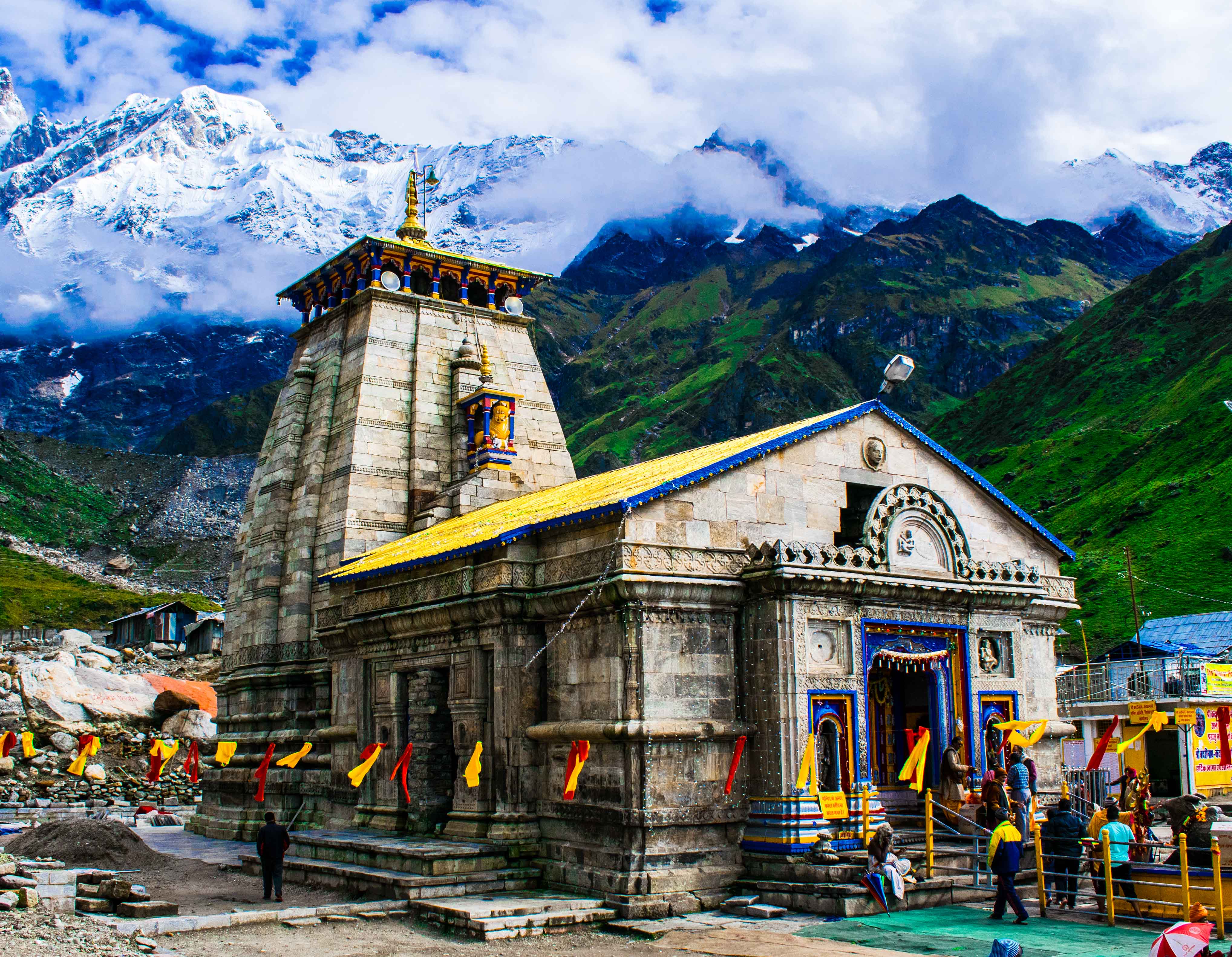
Sacred Himalayan pilgrimage mountain sanctuary.
3. The Golden Decision Matrix: What to Buy vs What to Rent
Never make the mistake of buying everything before your very first Himalayan trek:
Items You MUST BUY (Non-Negotiable):
Trekking Boots: Your boots must mold to your foot shape over 2 to 3 weeks of walking before the trek. Rented boots used by strangers frequently cause severe blisters, black toenails, and heel friction on steep descents.
Base Layer Thermals & Underwear: Purely for personal hygiene and skin contact.
Trekking Socks: 4 pairs of Merino wool or thermal synthetic cushioned socks.
UV Category 3/4 Sunglasses: Protecting eyes from snow blindness at altitude is non-negotiable.
Items You SHOULD RENT:
Heavy Down Jacket: A good -15°C down jacket costs upwards of ₹10,000 to buy, but sits in your city cupboard 350 days a year. Renting for ₹1,500 at the trailhead is a massive financial win.
Microspikes, Crampons & Gaiters: Specialized snow hardware used only on specific pass crossings.
Large 65L Rucksack: If you are testing whether you enjoy trekking, rent your backpack for under ₹1,000.
4. Primary Gear Rental Hubs & Reliable Outlets
India's major trekking trailheads have highly established gear rental infrastructure:
Manali (Mall Road & Old Manali): Numerous adventure outfitters rent down jackets, boots, and trekking poles. Reliable operators include Himalayan Caravan, Decathlon Chandigarh/Mohali (online rental pickup), and local gear desks.
Leh (Fort Road & Changspa): The global hub for mountaineering gear rental. Shops like Altitude Outdoor and local climbing agencies rent plastic mountaineering boots, crampons, ice axes, and sub-zero sleeping bags.
Sankri Village (Uttarakhand): For Kedarkantha and Har Ki Dun, over 15 local village shops rent snow boots, gaiters, microspikes, and jackets directly outside your homestay.
Yuksom (Sikkim): Local homestays and the Yuksom guides association rent down jackets and sleeping bags for Goechala.
Regal architectural landmark and luxury heritage hospitality.
5. Down Jacket Care & Mountain Maintenance Rules
Down feathers are the lightest, most compressible natural insulators known to science, but lose 100% of their thermal insulation if they become wet:
Never Wear Down in Rain: If snow turns into wet rain, immediately slip your waterproof hardshell over your down jacket. Never hike vigorously in a heavy down jacket while sweating heavily.
Dry Bag Compression: Always pack your down jacket and sleeping bag inside a waterproof silicone dry bag or heavy-duty plastic garbage liner inside your rucksack. If river crossings wet your bag, dry insulation saves your life at camp.
Frequently Asked Questions
Can I do a Himalayan winter trek in a regular city jacket or leather jacket?
Strictly no. Fashion jackets and leather coats are heavy, non-breathable, and lack the thermal loft required for sub-zero mountain nights. A technical 650+ fill-power down jacket or high-grade synthetic puffy is essential.
Is Decathlon gear good enough for high-altitude Himalayan treks?
Yes. Decathlon's Quechua and Forclaz range (like the MT500 and MT900 series) offers exceptional value and reliable performance for moderate-to-difficult treks up to 5,000 metres. For 6,000m mountaineering, technical brands like Black Diamond, La Sportiva, or Scarpa are preferred.
How many days before the trek should I buy my boots?
Buy your trekking boots at least 3 to 4 weeks before the trek. Wear them on daily walks, stairs, and weekend hikes with your trekking socks to break in the stiff leather/synthetic upper and prevent blister formation.
Why is cotton strictly prohibited on high-altitude treks?
Cotton absorbs moisture and sweat like a sponge and takes hours to dry. In freezing mountain winds, a damp cotton t-shirt acts like an ice pack against your torso, rapidly causing hypothermia.
What is the difference between microspikes and crampons?
Microspikes are lightweight rubber slip-ons with small 1cm steel chains and spikes, worn over flexible trekking boots for walking on packed snow and mild ice trails. Crampons are heavy-duty, rigid 10-12 point steel spikes strapped onto stiff mountaineering boots for vertical glacier ice and 6,000m peak climbing.