
1. Foremost of 51 Shakti Peethas: The Sacred Nilachal Sanctuary
Perched atop the verdant Nilachal Hill overlooking the mighty Brahmaputra River in Guwahati, Assam, Maa Kamakhya Devalaya is celebrated as the primordial center of Tantric Hinduism and the most revered among all 51 Shakti Peethas. Mythologically, it marks the spot where the sacred yoni (womb and female creative power) of Goddess Sati fell following Lord Shiva's cosmic dance of destruction (Tandava).
Unlike conventional Hindu temples, there is no anthropomorphic idol or statue inside the inner sanctum. Instead, devotees descend through stone steps into a natural subterranean dark cave where a natural underground mountain spring constantly washes over a yoni-shaped cleft in the bedrock. The temple is managed by the hereditary Bordeuri Samaj under the official portal maakamakhya.org.
Consult maakamakhya.org for official daily puja schedules, VIP quota announcements, and festival regulations. Avoid unauthorized touts at the foot of Nilachal Hill claiming to arrange secret bypasses into the subterranean sanctum.
2. VIP Special Entry (₹501 Pass): Counter Timings & Queue Bypass
Due to the enormous spiritual reverence of Kamakhya, general free queues regularly require 6 to 10 hours of waiting inside narrow, fenced iron holding pens. For senior citizens, outstation travelers, and families with young children, this wait is physically exhausting.
To provide an expedited route, the Devalaya operates the ₹501 VIP Special Entry Ticket:
- Where to Buy: Sold exclusively at the official Temple Trust Counter located near the main temple entry plaza on top of Nilachal Hill. Tickets are issued on a current same-day basis.
- Counter Timings: The VIP counter opens at 06:00 AM daily. Due to daily quotas (capped at approximately 500 to 800 VIP tickets per day), pilgrims must queue at the ticket window by 05:30 AM.
- Waiting Time Reduction: VIP ticket holders enter a sheltered express holding lane, reducing the total wait time to approximately 1.5 to 2.5 hours.
- Defense & Senior Citizen Quota: Serving military personnel and senior citizens with government identification receive expedited entry through designated protocol gates.

3. The Underground Garbhagriha: Cave Descent & Spring Darshan
The experience of entering the Garbhagriha is profoundly mystical. Devotees descend a flight of steep, damp stone steps into a subterranean cave lit only by flickering brass oil lamps (diya). The atmosphere is thick with incense, chant vibrations, and damp mineral earth.
At the center of the dark cavern lies the natural rock cleft constantly submerged under fresh spring water. Under the guidance of the attending Bordeuri priest, devotees kneel down to touch the sanctified spring water, offer red hibiscus flowers, red silk cloth, and vermilion, and receive the holy Charanamrita. Due to crowd pressure, devotees are permitted roughly 15 to 30 seconds at the sacred rock.
The temple sanctum closes promptly at 01:00 PM daily for the royal Bhog offering and cleansing. It reopens for afternoon darshan at 02:30 PM and remains open until sunset (around 05:30 PM). Plan your arrival to ensure you do not get stuck in queues during the midday 90-minute closure.
4. Ambubachi Mela: The Great Monsoon Retreat & Angodak Water
Celebrated annually during the monsoon month of Ahar (mid-June), the Ambubachi Mela marks the annual menstruation cycle of Mother Earth and Goddess Kamakhya. Over 5,00,000 Sadhus, Tantric practitioners, and devotees congregate at Nilachal Hill for this extraordinary festival.
Strict operational rules apply during Ambubachi:
- Complete 3-Day Sanctum Closure: The main temple doors are locked completely for three full days. No darshan or puja is conducted; the goddess is believed to be in retreat.
- The Grand 4th-Day Reopening: On the fourth morning, after ceremonial purification baths, the temple doors reopen. Millions wait for the holy Angodak (sanctified red water) and Rakta Bastra (sacred red cloth believed to be drenched in the goddess's divine energy), distributed to devotees as protective talismans.
5. Brahmaputra River Cruises & 5-Star Hospitality in Guwahati
After completing Nilachal Hill darshan, visitors can experience a sunset river cruise on the mighty Brahmaputra aboard luxury vessels like M.V. Mahabaahu or Alfresco Grand, sailing past Peacock Island and the historic Umananda Shiva temple.
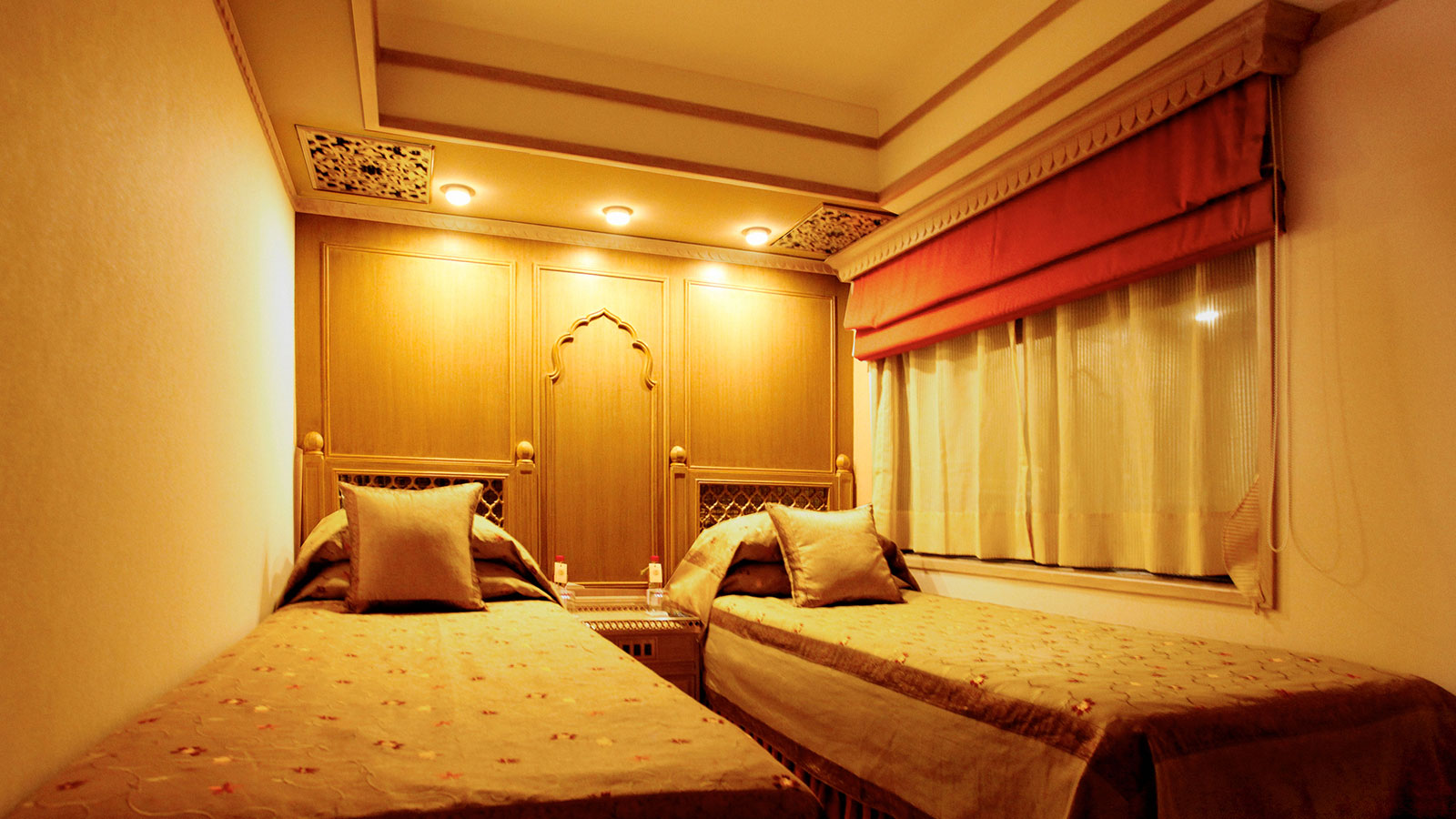
Premier luxury accommodations in Guwahati include Radisson Blu Hotel Guwahati, Vivanta Guwahati, and Kiranshree Grand, providing world-class Assamese hospitality and dedicated airport transfers.
Frequently Asked Questions
What is the price of a VIP ticket at Kamakhya Temple?
The VIP Special Entry ticket costs ₹501 per person, purchased directly at the temple administrative counter on Nilachal Hill starting at 06:00 AM daily.
What is inside the sanctum sanctorum of Kamakhya Temple?
There is no idol. The sanctum is a subterranean natural rock cave featuring an underground natural mountain spring that continuously washes over a sacred yoni-shaped bedrock cleft.
What happens during the Ambubachi Mela at Kamakhya?
During the 4-day monsoon Ambubachi Mela in June, the temple doors remain completely closed for three days to honor Mother Earth's menstrual retreat, reopening on the fourth day with the distribution of holy Angodak water.
What time does Kamakhya Temple close during the day?
The sanctum closes daily from 01:00 PM to 02:30 PM for the royal Bhog offering and cleansing, reopening for afternoon darshan until sunset.
How long does general darshan take at Kamakhya without a VIP pass?
General free queue darshan routinely takes between 6 and 10 hours, while holding a ₹501 VIP pass reduces waiting time to roughly 1.5 to 2.5 hours.