1. High Value, Low Volume: The World's Most Exclusive Himalayan Kingdom
Perched high in the Eastern Himalayas between India and Tibet, the sovereign Kingdom of Bhutan is the world's last remaining Vajrayana Buddhist monarchy and the globe's only carbon-negative nation. Rather than pursuing mass tourism, Bhutan adheres to a visionary state philosophy: 'High Value, Low Volume' tourism, prioritizing ecological preservation, ancient cultural purity, and Gross National Happiness (GNH) over unbridled tourist numbers.
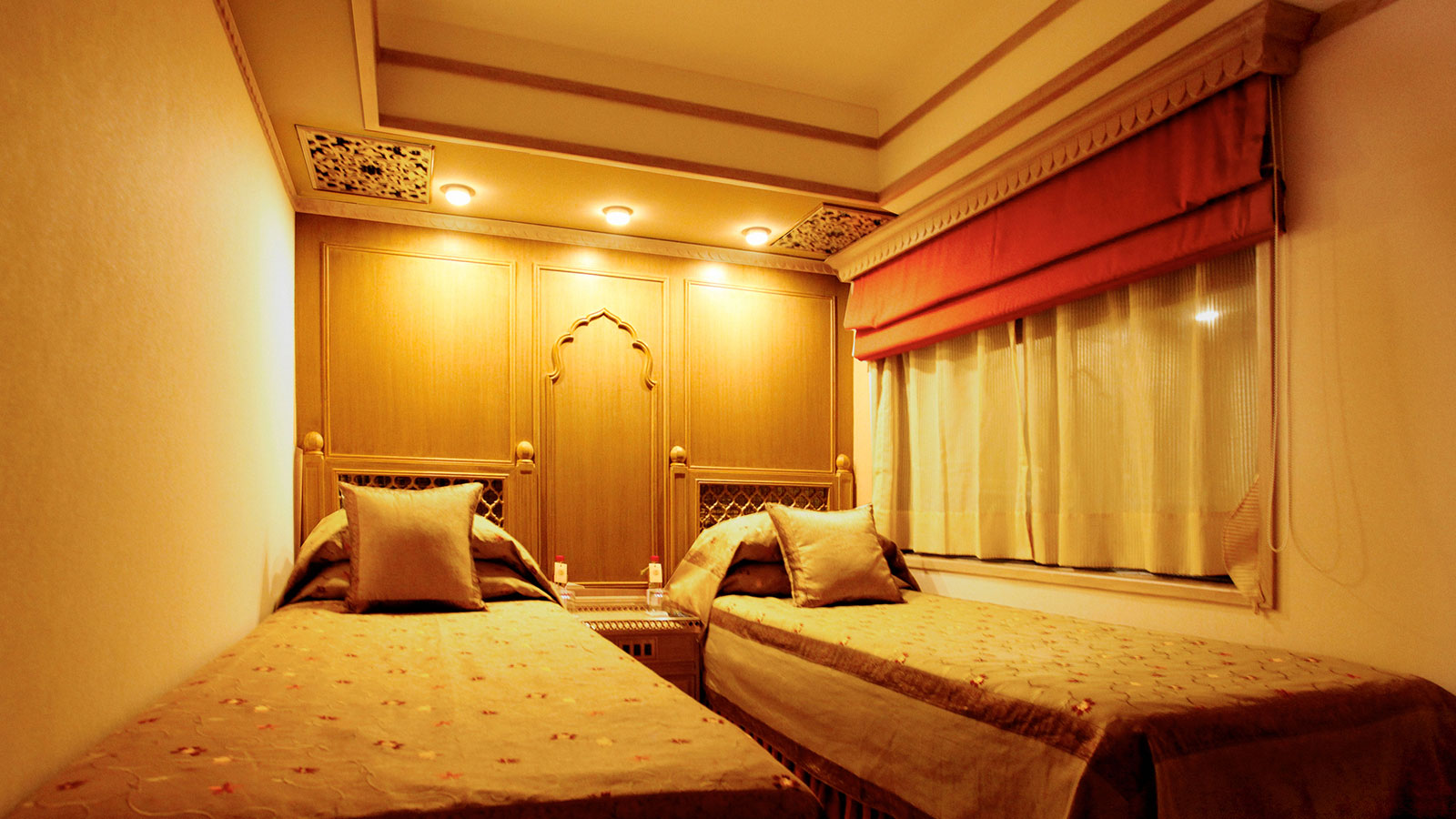
For discerning luxury travelers, Bhutan offers an ethereal realm of fortress monasteries (Dzongs), prayer flag-draped Himalayan mountain passes, pristine blue pine forests, and world-class ultra-luxury hospitality pioneered by legendary brands including Amankora (spread across five bespoke valleys), Six Senses Bhutan, and the regal Bhutanese-owned Zhiwa Ling Heritage in Paro.
To fund free universal healthcare, education, and carbon-neutral infrastructure, Bhutan levies a compulsory daily Sustainable Development Fee (SDF) on all visitors: ₹1,200 per person per night for Indian passport holders, and $100 USD per person per night for international travelers (reduced from the previous $200 rate).
2. Realistic Itemized 7-Day Luxury Budget Model (For Couples)
Comprehensive financial blueprint comparing upscale boutique versus ultra-luxury lodge stays:
| Expense Component | Heritage Luxury (Couple ₹) | Amankora / Six Senses (Couple ₹) | Regulatory & Practical Details |
|---|---|---|---|
| Return Flights to Paro (Drukair / Bhutan Airlines) | ₹38,000 – ₹55,000 (From Delhi/Kolkata) | ₹38,000 – ₹55,000 | Direct flights operate from Delhi, Kolkata, Bagdogra, and Guwahati. |
| Mandatory SDF Fee (6 Nights / 2 Pax) | ₹14,400 (Indian Citizens) | ₹14,400 (IN) / $1,200 (INT) | Compulsory government levy collected at permit issuance. |
| Luxury Lodges & Resorts (6 Nights) | ₹90,000 – ₹1,80,000 (Zhiwa Ling/Dhensa) | ₹4,50,000 – ₹8,50,000 (Amankora Circuit) | Includes full-board dining, traditional hot stone baths, and butler services. |
| Private Licensed Guide & Chauffeur SUV | ₹32,000 – ₹42,000 | Included in luxury lodge packages | Mandatory certified Bhutanese tour guide and Hyundai Tucson / Toyota Prado SUV. |
| Monastery & Monument Entry Permits | ₹8,000 – ₹12,000 | Included in luxury packages | Covers entry to Tiger's Nest (₹1,000/person), Punakha Dzong, and National Museum. |
| Traditional Dotsho (Hot Stone Bath) | ₹6,000 (Couple) | Included in lodge spa | Herbal medicinal bath heated by river stones roasted over open hardwood bonfires. |
| Total Realistic 7-Day Outlay | ₹1,88,400 – ₹3,50,400 | ₹5,40,000 – ₹9,60,000+ | Indian passport holders enjoy immense financial savings on the SDF levy! |
3. The Classic 7-Day Valley Circuit: Thimphu, Punakha & Paro
The timeless luxury circuit connecting Bhutan's three marquee valleys:
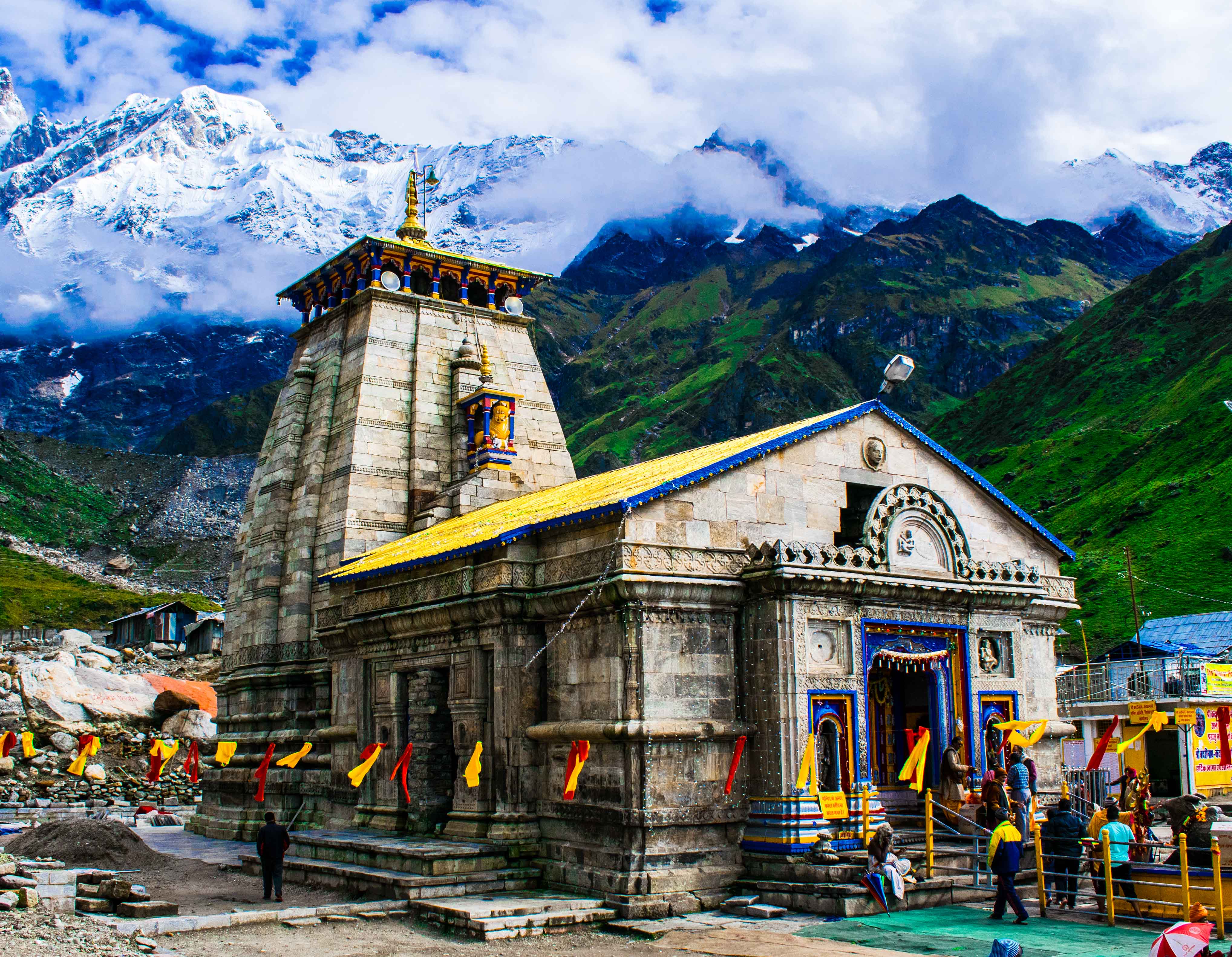
- Days 1–2 (Thimphu Valley - 2,334 m): Arrive at Paro; drive along the river to the capital city of Thimphu. Visit the colossal 51-metre golden Buddha Dordenma statue overlooking the valley, explore the Institute for Zorig Chusum (School of 13 Traditional Arts), and witness the majestic Tashichho Dzong at dusk.
- Days 3–4 (Punakha Valley - 1,242 m via Dochula Pass): Cross the 3,100-metre Dochula Pass, marveling at the 108 Druk Wangyal chortens and panoramic Himalayan snow peaks. Descend into the sub-tropical warmth of Punakha. Visit the breathtaking 17th-century Punakha Dzong, built at the confluence of the Pho Chhu and Mo Chhu rivers, and walk across the suspension bridge to Chimi Lhakhang.
- Days 5–7 (Paro Valley & Tiger's Nest - 3,120 m): Return to Paro. Visit Rinpung Dzong. Dedicate Day 6 to the spiritual pilgrimage to Paro Taktsang (Tiger's Nest). Conclude the evening with an authentic traditional hot stone bath and celebratory farewell banquet.
4. Tiger's Nest (Paro Taktsang) Hike Logistics
The spiritual climax of any visit to Bhutan is the hike to Paro Taktsang, perched precariously on a sheer 900-metre granite cliff:
- The Trail Profile: 4 to 5 hours round-trip, covering 6.5 km with an 800-metre vertical elevation gain from the valley floor to 3,120 metres. The trail winds through whispering blue pine forests draped in Spanish moss.
- Midway Cafeteria & Horses: A traditional wooden cafeteria sits at the halfway mark (approx. 1.5 hours in), offering panoramic views of the monastery, butter tea, and biscuits. Horses are available for hire to the cafeteria for travelers with limited mobility (horses strictly descend empty for safety).
- Monastery Courtyard Rules: Shoes, cameras, mobile phones, and bags must be deposited in security lockers at the monastery entrance before crossing the waterfall chasm into the sacred cave shrines where Guru Padmasambhava meditated.

5. Entry Formalities & Spectacular Drukair Landing
Essential entry protocols and flight logistics:
- Document Requirements for Indian Citizens: Indian nationals can travel with either a valid Indian Passport (min. 6 months validity) OR an original Voter Identity Card issued by the Election Commission of India. An online entry permit is obtained through the Department of Tourism portal or via your registered Bhutanese tour operator.
- The Legendary Paro Landing: Paro International Airport (PBH) is nestled in a deep valley surrounded by 5,500-metre sharp mountain ridges. Fewer than 50 commercial pilots in the world are licensed to execute the manual visual approach landing. Sit on the left side of the aircraft when flying from Delhi/Kolkata for jaw-dropping views of Mount Everest, Kanchenjunga, Makalu, and Jomolhari!
Frequently Asked Questions
What is the Sustainable Development Fee (SDF) for Indian citizens visiting Bhutan?
Indian nationals holding a valid Indian Passport or Voter ID pay a concessionary Sustainable Development Fee of ₹1,200 per person per night (children aged 6 to 12 pay ₹600/night; children under 6 are exempt). This is significantly lower than the $100 USD/night fee charged to international travelers.
Is a guide mandatory for visiting Bhutan in 2026?
Yes. Bhutanese law mandates that all international and regional tourists must be accompanied by a licensed Bhutanese tour guide and use authorized private transportation throughout their stay.
Can Indian currency be used in Bhutan?
Yes. Indian Rupee (INR) currency notes in denominations of ₹10, ₹20, ₹50, ₹100, and ₹500 are legally accepted everywhere across Bhutan at a 1:1 parity with the Bhutanese Ngultrum (BTN).
How physically difficult is the hike to Tiger's Nest?
The hike is rated moderate. While it involves an 800m vertical climb up dirt switchbacks and 700 stone stairs descending and climbing the final waterfall gorge, anyone with basic walking fitness can complete it in 4 to 5 hours with regular rest stops.
What is the best month to visit Bhutan?
March to May (spring) brings blooming rhododendrons, wild orchids, and pleasant sunny days. September to November (autumn) offers crystal-clear skies, golden harvested paddy fields, and major cultural festivals like the Thimphu and Paro Tshechus.