
Origins & Maritime Geography: The Turning Point of the Coromandel
Jutting boldly into the waters of the Palk Strait at the southern terminus of the Nagapattinam district, Point Calimere (known locally in Tamil as *Kodiakarai*, meaning "the edge of the coast") marks a dramatic geographical inflection point on the map of India. Here, the north-south shoreline of the Coromandel Coast executes an abrupt, ninety-degree westward turn into the shallow, sheltered waters of the Palk Bay facing northern Sri Lanka, forming an intricate 385-square-kilometre mosaic of coastal sand dunes, tidal mudflats, hypersaline lagoons, and mangrove swamps.
The sanctuary holds monumental status in international conservation as Tamil Nadu’s first designated *Ramsar Wetland of International Importance* (notified in 2002). The unique geography—where freshwater drainage from the Kaveri delta mixes with tidal marine surges—creates one of the most biologically productive marine wetlands in Asia, functioning as an indispensable feeding station for hundreds of thousands of migratory waterfowl traveling along the Central Asian Flyway.
Historically, Kodiakarai was a vital maritime navigational landmark for early seafarers navigating the treacherous shoals between India and Ceylon. During the Sangam period, Chola monarchs erected towering stone brick beacons along this promontory to guide merchant vessels laden with silks and spices returning from Southeast Asia into the Kaveri ports.
Sentinels of the Sea: The Chola Beacon & The British Lighthouses
Walking along the sandy shores of Kodiakarai, visitors encounter fascinating relics of maritime history. Chief among these is the ancient *Chola Brick Lighthouse*, constructed during the reign of Emperor Raja Raja Chola I in the eleventh century. Although damaged by centuries of cyclonic storms and partially toppled by the 2004 tsunami, the massive brick-and-mortar masonry base remains standing on the beach, an extraordinary monument to medieval naval engineering where colossal open fires were fueled with oil to guide the imperial Chola fleets.
Nearby stands the modern *Point Calimere Lighthouse*, a towering, cylindrical masonry structure painted in bright red and white bands, commissioned by the British administration in the late nineteenth century. Rising high above the casuarina canopy, the active lighthouse casts a powerful revolving light across the Palk Strait, guiding international container ships, cargo vessels, and local fishing fleets through the narrow international maritime boundary line.
Another venerated historical site is *Ramar Padam* (The Footprints of Lord Rama), situated at the highest sand dune elevation in the sanctuary. Enshrined within a modest stone pavilion are stone-carved footprints where Lord Rama is believed to have stood and scouted across the southern sea expanse toward Ravana’s Lanka before journeying onward to Rameswaram.
The Blackbuck Antelopes & Wild Feral Ponies of the Scrub
Point Calimere is world-renowned as one of the last remaining strongholds of the graceful *Blackbuck* (*Antilope cervicapra*) in southern India. Over 1,500 of these magnificent antelopes thrive in the unique *Tropical Dry Evergreen Forest* (TDEF) and open coastal grasslands of the sanctuary. The male blackbuck, adorned with striking spiral horns that twist up to two feet in length and wearing a dramatic coat of dark black and pure white, cuts an imposing figure as it leaps effortlessly across the sandy scrub.
Sharing this wilderness is an intriguing population of *Feral Ponies* (*Equus caballus*). Numbering several hundred individuals, these wild horses are descendants of cavalry mounts and pack animals brought by Dutch and British colonial traders centuries ago that escaped into the coastal scrub. Over generations of natural selection, they reverted to a completely wild state, living in small family harems led by a dominant stallion, grazing peacefully alongside herds of spotted deer and blackbucks.
Other mammals inhabiting the sanctuary include the Indian wild boar, the golden jackal, the black-naped hare, the jungle cat, and occasional small Indian civets. The offshore waters of the Palk Strait are frequented by pods of playful Indo-Pacific bottlenose dolphins that surface close to the shoreline.
The Point Calimere Wildlife and Bird Sanctuary is open daily from 06:00 to 17:00 (entry ticket ₹20 per adult, ₹10 per child; vehicle fee ₹50; still camera ₹25). All visitors must register at the Forest Department Range Office in Kodiakarai village. An authorized forest guide is assigned to accompany vehicles into the sanctuary trails, which wind through tropical dry evergreen scrub and open salt flats.
Flamingo City: The Great Winter Avian Congregation
During the winter months from November to March, the hypersaline coastal mudflats and salt lagoons of Point Calimere transform into one of the greatest birding spectacles on the planet. Up to 40,000 *Greater Flamingos* (*Phoenicopterus roseus*) and *Lesser Flamingos* (*Phoeniconaias minor*) descend upon the shallow waters, having migrated thousands of kilometres from the Rann of Kutch, Iran, and the Mediterranean.
The sight of these magnificent pink and white birds feeding in synchronized rows across the vast water mirrors—heads submerged upside down to filter-feed microscopic algae and brine shrimp (*Artemia salina*) through specialized lamellae in their beaks—is an unforgettable experience. When a flock takes flight, the sudden eruption of flashing crimson underwings against the blue sky is breathtaking.
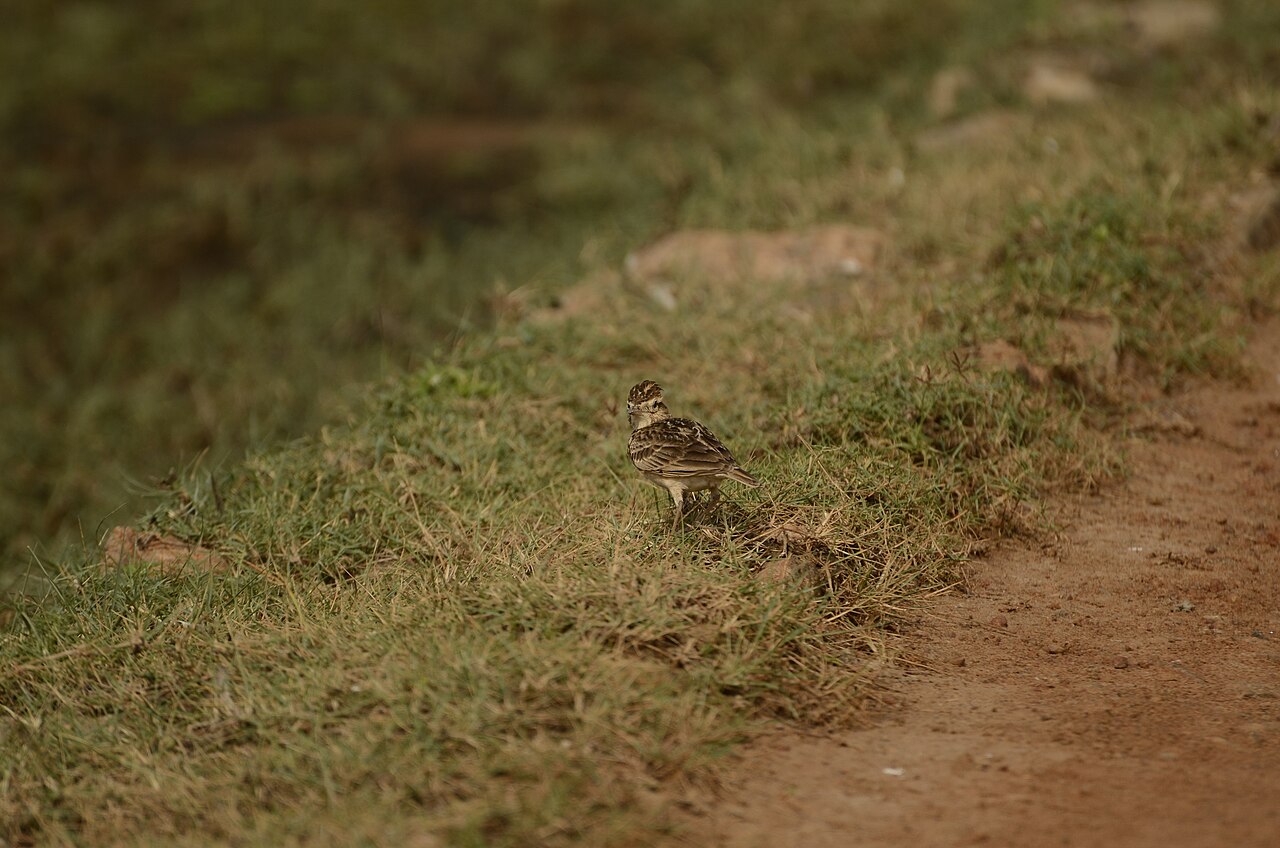
Alongside the flamingos, the sanctuary hosts over 250 species of migratory birds, including massive flocks of northern pintails, garganeys, Eurasian wigeons, curlew sandpipers, bar-tailed godwits, Caspian terns, and the globally threatened *Spoon-billed sandpiper* (*Calidris pygmaea*). The Great Vedaranyam Swamp functions as a critical refueling habitat before birds continue southward across the Indian Ocean.

Salt Flats & The Vedaranyam Salt March Heritage
Bordering the sanctuary to the north lies the historic town of Vedaranyam, home to the second-largest marine salt production pans in Tamil Nadu. The vast geometric grids of shallow salt pans, reflecting the blinding tropical sun, produce hundreds of thousands of tonnes of industrial and edible salt every year.
Vedaranyam holds a revered place in Indian freedom struggle history as the southern counterpart of Mahatma Gandhi’s Dandi March. In April 1930, veteran freedom fighter C. Rajagopalachari (Rajaji) led a group of ninety-eight satyagrahis on a historic 240-kilometre march from Tiruchirappalli to Vedaranyam, defying the British colonial salt tax by harvesting salt crystals directly from the shores of Agasthiyampalli.
A monumental *Salt March Memorial Stupa* in Vedaranyam commemorates this historic non-violent civil disobedience movement. Visitors to the area can observe traditional salt-panning techniques that have remained virtually unchanged since antiquity.
Never drive vehicles off designated gravel roads onto the wet salt flats or tidal mudflats, where vehicles instantly sink into subterranean brine mud. The wetland marshes support heavy mosquito populations at dawn and dusk; visitors must wear full-sleeved cotton clothing and carry insect repellent.
Transit Access, Forest Safaris & Exploration Guidelines
Point Calimere is situated at the remote southeastern tip of Nagapattinam district. The gateway town is Vedaranyam (11 km north), which is connected by state highways to Nagapattinam (60 km north), Thiruvarur (65 km northwest), and Thanjavur (115 km west). The nearest railway station is Nagapattinam Junction (NGT, 60 km), while Tiruchirappalli International Airport (TRZ, 160 km) provides the nearest flight connections.
Exploring the sanctuary requires a private vehicle (cars, SUVs, or hired taxis), as walking on foot across the vast 30-kilometre forest tracks is prohibited due to the presence of wild animals and heat. The Forest Department assigns an authorized eco-guide at the Kodiakarai checkpost to navigate the interior trails leading to the blackbuck grasslands, the Chola lighthouse, and the Siruthalaikadu flamingo lagoons.
Accommodation in Kodiakarai village is basic, consisting of the Forest Department Rest House and modest pilgrim lodges in Vedaranyam town. Visitors seeking premium accommodations stay in Nagapattinam or Velankanni (55 km north), touring Point Calimere as a full-day eco-safari and birdwatching adventure. Carry plenty of drinking water, hats, sun protection, and telephoto camera lenses.
Curated Field Dossier & Offline Google Maps Pin Pack
Bypass tourist traps with verified local logistics, exact parking coordinates, and field-tested routes.
- ✓Exact GPS Pin Pack: Unmarked parking spots, best dawn photography vantage points, and hidden trailheads.
- ✓Crowd-Avoidance Timing Matrix: Exact hour-by-hour windows to explore with zero tourist chaos.
- ✓Vetted Local Dhabas: 100% authentic, hygiene-checked regional food stops not on commercial maps.
- ✓Scam & Overcharge Shield: Verified taxi rates, auto fares, and local guide fee guidelines.
🛡️ Personally curated by PK Gupta & the Hidden Routes research desk. Delivered directly to your Email & WhatsApp within 4–8 hours.
Frequently Asked Questions
When is the best time to see flamingos at Point Calimere?
The best time to see thousands of greater and lesser flamingos is during the winter migratory season from November to February, when water levels in the Great Vedaranyam Swamp are optimal and food is abundant.
Can tourists drive their own vehicles inside Point Calimere Sanctuary?
Yes, private four-wheelers and taxis are permitted inside the sanctuary after paying the vehicle entry fee at the Forest Department checkpost in Kodiakarai. An authorized forest guide must accompany the vehicle along the designated forest gravel trails.
What are the feral horses of Point Calimere and where did they come from?
The feral ponies are wild horses descended from domestic mounts brought by Dutch and British colonial traders centuries ago that escaped into the coastal forests. They have lived wild for generations, grazing in natural herds across the coastal grasslands.
What is the historical significance of Vedaranyam nearby?
Vedaranyam is famous for the 1930 Vedaranyam Salt Satyagraha, led by C. Rajagopalachari as part of the Civil Disobedience Movement alongside Mahatma Gandhi’s Dandi March, where freedom fighters broke the British salt laws.
What are the sanctuary operating hours and entry fees?
The sanctuary is open daily from 06:00 to 17:00. The entry fee is ₹20 per adult, ₹10 per child, ₹50 per car, and ₹25 for a still camera.