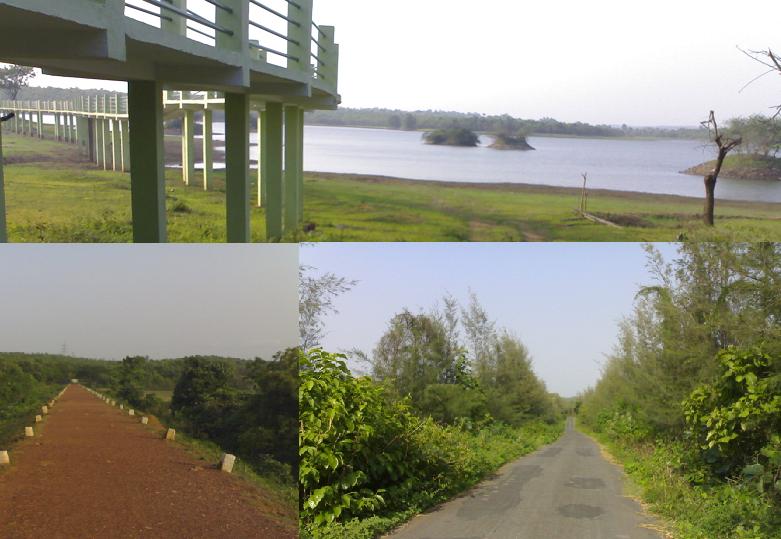
1. Ecological Overview & Biome Classification
Attiveri Bird Sanctuary is a key protected wildlife sanctuary in Uttara Kannada, Karnataka. Encompassing 2.23 square kilometres, the reserve occupies an essential conservation niche within the Western Ghats Hotspot & Malenadu Rainforests biogeographic zone of India. The terrain spans an elevation range from 100 to 1,925 m (Mullayanagiri) above sea level, producing specialized micro-climates, undulating ridges, and secluded forest glades that sustain diverse indigenous flora and fauna.
The reserve provides an essential ecological buffer against habitat fragmentation in Uttara Kannada. Multi-tiered canopy cover, soil moisture retention, and perennial drainage sustain dense undergrowth and rich forage across the protected perimeter.
2. Conservation History, Legal Status & Biogeographic Role
The conservation history of Attiveri Bird Sanctuary traces back to its formal notification in 1994 under the Wildlife (Protection) Act, 1972. Prior to statutory protection, the forest tract experienced pressures from timber harvesting and cattle grazing. Following notification, commercial felling was banned, livestock access regulated, and anti-poaching checkpoints established along sensitive ingress corridors.
Today, the sanctuary holds IUCN Category IV protected area status for species and habitat management. It forms an integral link within the regional conservation network of Karnataka, establishing corridor connectivity with nearby reserve forests and national parks. This landscape connectivity prevents genetic isolation among wide-ranging mammals, facilitating seasonal dispersal across the wilderness matrix.
3. Hydrological Lifelines & River Catchments
Hydrologically, Attiveri Bird Sanctuary is sustained by the drainage network of the Cauvery, Tungabhadra, Sharavathi, and Netravati River Basins. Perennial streams, seasonal hillside nullahs, and natural forest pools traverse the valleys, creating essential drinking watering holes and seepages. These water bodies are vital for resident wildlife, drawing herbivores and dependent predators during early dawn and late dusk.
Seasonal rains replenish streams and forest pools across Uttara Kannada. Soil moisture retained in the humus layers enables vegetation to persist through dry spells, while forest department check-dams ensure reliable water availability year-round.

4. Forest Classification & Botanical Diversity
The forest cover of Attiveri Bird Sanctuary is scientifically classified under Champion & Seth forest types as predominantly South Indian Tropical Wet Evergreen & Moist Deciduous Teak Forest. The botanical profile reflects the soil chemistry, elevation range, and rainfall patterns of Uttara Kannada, displaying distinct canopy layers ranging from mature timber trees to dense shrubby understories and ground cover.
The upper canopy features keystone trees including Tectona grandis (Teak), Dalbergia latifolia (Rosewood), Dipterocarpus indicus, Santalum album (Sandalwood), Bamboo brakes, offering vital nesting cavities and seasonal fruit. Beneath the primary canopy, intermediate trees and bamboo thickets provide sheltered forage for herbivores.
5. Flagship Fauna, Avifauna & Keystone Species
The biodiversity of Attiveri Bird Sanctuary is distinguished by its flagship indicator species, the Bengal Tiger (Panthera tigris tigris). The presence and steady population density of this indicator species reflect the ecological health and prey base of the reserve. Alongside the flagship species, the mammalian guild includes prominent herbivores and carnivores such as Bengal Tiger, Asian Elephant, Indian Leopard, Gaur, Sloth Bear, Dhole (Wild Dog), Lion-tailed Macaque, Malabar Giant Squirrel.
The sanctuary's birdlife is remarkably diverse, making it a valuable destination for birdwatchers and ornithological researchers. Resident woodland avifauna including Malabar Pied Hornbill, Malabar Whistling Thrush, Great Hornbill, Sri Lanka Frogmouth, Nilgiri Wood Pigeon thrive across the multi-tiered canopy. During winter months, wetlands and riverine stretches welcome migratory species arriving along continental flyways. Forest streams and leaf litter harbor King Cobra, Malabar Pit Viper, Mugger Crocodile, Indian Rock Python, alongside diverse amphibians that underpin the food chain.

6. Safari Routes, Exploration Zones & Watchtower Trails
Eco-tourism in Attiveri Bird Sanctuary is carefully regulated to prevent habitat disturbance while providing visitors with an authentic wilderness experience. The forest department manages designated safari circuits across peripheral buffer zones: Open-top 4x4 Gypsy safaris, forest department boat safaris on reservoirs, and guided trekking corridors. Vehicles must adhere to designated gravel tracks, maintaining slow speeds to ensure minimal noise and dust.
Strategic watchtowers and viewing points overlook perennial waterholes and natural clearings. From these elevated observation platforms, visitors can scan the perimeter with binoculars without disturbing wildlife. In authorized buffer sectors, regulated nature walking trails accompanied by registered guides allow close study of botany, tracks, and birdlife.
7. Forest Department Permits, Gate Logistics & Safety Regulations
Entry into Attiveri Bird Sanctuary is regulated through designated forest checkposts. Gate operating hours follow seasonal daylight schedules: Morning: 06:00 AM – 09:30 AM | Afternoon: 03:00 PM – 06:00 PM. Visitors must carry valid government photo identification for verification at the reception counter. Permit fees and safari tariffs are structured as follows: INR 100 – 400 per person; Vehicle safari tariff INR 500 – 1,200 (includes guide and department charges). Commercial camera equipment requires separate permits. Advance booking can be arranged via Advance safari bookings managed via Karnataka Eco Tourism Board portal (karnatakaecotourism.com) and Jungle Lodges & Resorts (JLR).
Advance safari reservations can be secured through the official Karnataka Forest Department portal or directly at the forest range office in Uttara Kannada. Every safari vehicle or walking group must be accompanied by a certified forest naturalist guide. Guide tariffs directly support local Eco-Development Committee (EDC) village livelihoods.
Maintain 50-metre buffer from wild elephants and tigers; night driving banned on core forest highways (NH-766 / NH-181); zero plastic tolerated. Maintain a minimum safety buffer distance of 50 metres from wild animals at all times. Do not alight from vehicles, feed wildlife, shout, or carry single-use plastic bottles. Violations incur immediate expulsion and heavy punitive fines under the Wildlife Protection Act.
Soliga, Jenu Kuruba, and Betta Kuruba indigenous communities recognized for traditional tracking expertise and co-management of reserve forests. Their traditional forest knowledge, tracking expertise, and commitment to habitat stewardship make them invaluable partners in the sanctuary's ongoing conservation success.
8. Best Visiting Season, Climate Cycles & Safari Planning
Planning a trip to Attiveri Bird Sanctuary requires aligning your itinerary with seasonal weather cycles: October to May for lush post-monsoon scenery, prime birdwatching, and high waterhole predator sightings in summer. The sanctuary experiences three distinct climatic phases:
- Winter Season (November to February): Cool mornings and pleasant temperatures make winter ideal for general visitors and birdwatchers. Foliage is lush, waterholes are filled, and migratory birds are at peak abundance across marshes and canopies.
- Summer Season (March to June): Temperatures rise, and foliage thins out, improving visibility through the understory. Wildlife concentrates around waterholes, offering high sighting probabilities.
- Monsoon Season (July to October): Heavy rains replenish streams and rejuvenate the landscape. Core safari tracks remain closed due to flooded nullahs and wildlife breeding cycles.
9. Transit Logistics: Gateways, Railheads & Road Routes
Reaching Attiveri Bird Sanctuary is straightforward from major transport gateways in Karnataka:
- By Air: Kempegowda International Airport (BLR) in Bengaluru, Mangaluru International Airport (IXE), or Hubballi Airport (HBX). Travelers can hire pre-paid airport taxis or board express buses connecting to the Uttara Kannada base hub.
- By Rail: Mysuru Junction, Hubballi Junction, or Shivamogga Railway Station with extensive rail links. Express trains connect this railhead to state and regional centres. Local taxis and buses operate regularly to the sanctuary gate.
- By Road: NH-275, NH-75, and NH-206 providing scenic highway access into the Western Ghats. Highway routes remain motorable year-round, passing through scenic regional landscapes to the forest entrance checkpoint.
Accommodations near Attiveri Bird Sanctuary range from historic Forest Rest Houses managed by the Karnataka Forest Department to private eco-resorts and village homestays operated under local Eco-Development Committees (EDC). Booking forest rest houses requires advance written permission from the Divisional Forest Officer (DFO) in Uttara Kannada.
Curated Field Dossier & Offline Google Maps Pin Pack
Bypass tourist traps with verified local logistics, exact parking coordinates, and field-tested routes.
- ✓Exact GPS Pin Pack: Unmarked parking spots, best dawn photography vantage points, and hidden trailheads.
- ✓Crowd-Avoidance Timing Matrix: Exact hour-by-hour windows to explore with zero tourist chaos.
- ✓Vetted Local Dhabas: 100% authentic, hygiene-checked regional food stops not on commercial maps.
- ✓Scam & Overcharge Shield: Verified taxi rates, auto fares, and local guide fee guidelines.
🛡️ Personally curated by PK Gupta & the Hidden Routes research desk. Delivered directly to your Email & WhatsApp within 4–8 hours.
10. Frequently Asked Questions
What flagship wildlife species is Attiveri Bird Sanctuary most renowned for?
Attiveri Bird Sanctuary is celebrated for safeguarding healthy habitats for Bengal Tiger (Panthera tigris tigris), alongside diverse mammalian fauna including Bengal Tiger, Asian Elephant, Indian Leopard, Gaur, Sloth Bear, Dhole (Wild Dog), Lion-tailed Macaque, Malabar Giant Squirrel. The reserve also shelters notable birdlife such as Malabar Pied Hornbill, Malabar Whistling Thrush, Great Hornbill, Sri Lanka Frogmouth, Nilgiri Wood Pigeon.
How can visitors arrange a safari permit for Attiveri Bird Sanctuary?
Entry permits can be arranged directly at the forest range reception gate in Uttara Kannada or through the official Karnataka Forest Department online safari portal. Visitors must present a valid government-issued photo identity card, and all interior safari tracks require an authorized forest department naturalist guide.
What is the best time of year to visit Attiveri Bird Sanctuary for wildlife viewing?
The ideal window to explore Attiveri Bird Sanctuary spans from October to May for lush post-monsoon scenery, prime birdwatching, and high waterhole predator sightings in summer. The post-monsoon winter months offer pleasant temperatures and rich birding activity, while summer months provide the best predator sightings clustered near perennial waterholes.
What mandatory safety rules and conservation regulations apply inside the reserve?
Visitors must adhere to strict forest protocols: maintain a minimum safety buffer distance of 50 metres from wild animals, stay inside authorized vehicles at all times, carry zero single-use plastic, and avoid noisy or disruptive activities. Night driving in core corridors is strictly prohibited.
How do travelers reach Attiveri Bird Sanctuary by air, rail, and road?
The sanctuary is accessible by air via Kempegowda International Airport (BLR) in Bengaluru, Mangaluru International Airport (IXE), or Hubballi Airport (HBX), by train through Mysuru Junction, Hubballi Junction, or Shivamogga Railway Station with extensive rail links, and by road corridors via NH-275, NH-75, and NH-206 providing scenic highway access into the Western Ghats. Taxis and state buses operate from base towns to the forest entry checkpoint.