1. Overview & Archaeological Significance
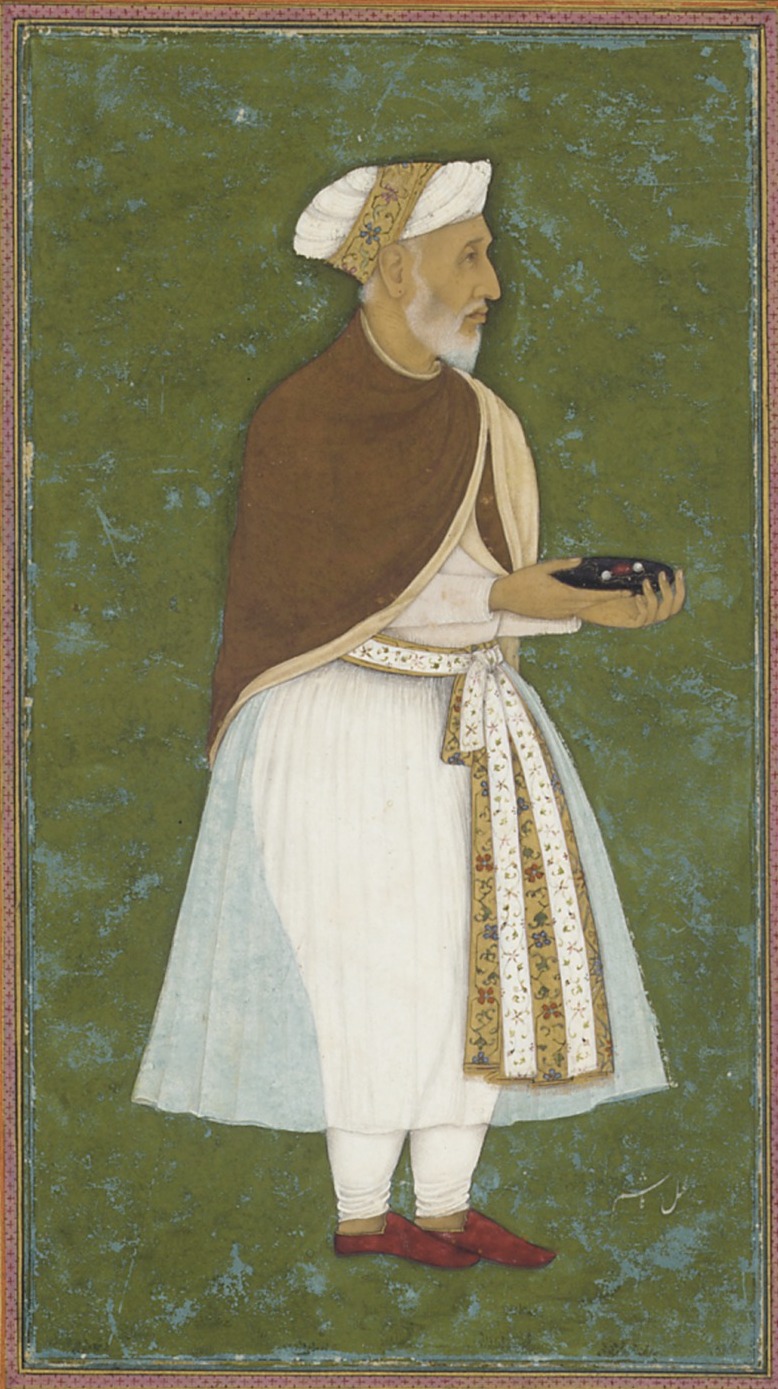
The Tomb of Abdur Rahim Khan-i-Khanan, situated in Nizamuddin East in South East Delhi along the historic Grand Trunk Road axis, is celebrated as one of the most culturally significant, poetically evocative, and architecturally foundational Mughal monuments in India. Built in 1598 CE by the celebrated Mughal commander-in-chief, diplomat, scholar, and legendary Hindi poet Abdur Rahim Khan-i-Khanan (one of the *Navaratnas* or Nine Jewels of Emperor Akbar's court) as a memorial of love for his beloved deceased wife, Mah Banu, the monument stands as the *earliest Mughal monument of spousal love*, directly inspiring the architectural conception of the Taj Mahal built three decades later.
Located in the South East Delhi district of Delhi, Tomb of Abdur Rahim Khan-i-Khanan Delhi is centrally protected by the Archaeological Survey of India (ASI) as an irreplaceable landmark of South Asian civilization. Recognized for its high mughal charbagh garden tomb architecture, red sandstone & marble inlay, monumental true dome, the site provides profound insights into the technological prowess, cosmological beliefs, and cultural aesthetics of its ancient builders.
2. Dynastic Origins, Royal Patrons & Chronology
Upon his death in 1627 CE, Rahim was laid to rest beside his wife within the subterranean crypt of this grand garden mausoleum. In the 18th century (c. 1753 CE), Nawab Safdarjung stripped the tomb of its exterior white marble facing slabs and red sandstone tiles to construct his own mausoleum (Safdarjung's Tomb), leaving Rahim's tomb a stripped, weathered ruin for over two centuries. Between 2014 and 2020, the Aga Khan Trust for Culture (AKTC) in collaboration with the Archaeological Survey of India (ASI) and InterGlobe Foundation completed a landmark six-year conservation campaign, meticulously restoring the structural integrity, missing marble patterns, and water gardens of the tomb.
Centrally protected as an ancient monument of national importance by the ASI, the tomb honors not only a brilliant military general but one of India's most beloved cultural icons, whose timeless moral couplets in Braj Bhasha and Hindi (*Rahim ke Dohe*) continue to be recited across Indian classrooms and households nationwide.
3. Structural Engineering & Architectural Design
The Tomb of Rahim is designed on a grand Charbagh (four-fold Persian paradise garden) plan, elevated atop a high square arched terrace measuring 50 metres on each side. Built from local grey quartzite rubble faced with fine red sandstone and white Makrana marble, each of its four identical facades is pierced by a colossal central *pishtaq* (pointed arch) flanked by two tiers of recessed arched alcoves.

The mausoleum is crowned by a monumental double dome constructed using brick and lime masonry, rising nearly 20 metres above the terrace. The interior hall features delicate incised plaster arabesques (*chuna* work) decorated with floral medallions, geometric stars, and rare depictions of flying peacocks and lotus rosettes, reflecting Rahim's unique syncretic patronage of both Persian and indigenous Indian artistic motifs.
The surrounding Charbagh garden was restored with functioning central stone water canals, lotus fountain basins, and perimeter walking avenues shaded by mango, neem, and pomegranate trees, restoring the authentic 17th-century Mughal ecological microclimate.
4. Archaeological Excavations, Epigraphy & Conservation
The landmark 2014–2020 AKTC conservation project removed over 1,000 tons of dead mortar, stabilized the cracked double dome with stainless steel stitching, and restored hand-carved red sandstone screens.
Archaeological clearance exposed the historic gravity-fed water channels that linked the garden fountains to the historic Barapullah canal.
Master stone craftsmen spent 175,000 man-days hand-carving new red sandstone and marble tiles matching the original 1598 CE Mughal patterns.
ASI entry ticket is ₹20 for Indian citizens and ₹250 for foreign tourists via online booking (₹25 / ₹300 at counter). Free entry for children under 15.
5. Master Highlights & Archaeological Marvels
The monumental dome: an authentic double dome that served as the direct precursor to the marble dome of the Taj Mahal.

The syncretic decorative motifs: stone carvings combining Islamic geometric calligraphy with Hindu auspicious lotus and peacock symbols.
The tranquil Charbagh garden: an oasis of quiet green serenity just across the road from the world-famous Humayun's Tomb complex.
6. Visiting Hours, Entry Permits & Visitor Guidelines
Open daily from 6:00 AM to 6:00 PM throughout the year. The ticket counter opens at 6:00 AM.
Visiting between 7:30 AM and 10:00 AM provides crisp morning sunshine illuminating the restored red sandstone facade and fountains.
Visitors can walk around the garden and ascend the high terrace to the central tomb chamber.
Touching or scratching the delicate restored sandstone carvings or plaster medallions is strictly prohibited.
The stone terrace plinth is elevated over 15 feet above the garden lawn with low boundary parapets. Watch your footing along the edges.
7. Site Museum & Interpretation Centers
Humayun's Tomb (UNESCO World Heritage Site, 500 metres north) provides the imperial grand predecessor that inspired Rahim's tomb design.
The sacred Dargah of Hazrat Nizamuddin Auliya (400 metres west) is the spiritual epicenter of Sufi music and qawwali in Delhi.
8. Climate, Best Seasons & Ideal Visiting Hours
October to March offers ideal weather, with pleasant daytime temperatures between 15°C and 25°C.
Winter afternoons provide warm, comfortable sunshine ideal for sitting amidst the restored Charbagh gardens.
9. Transit Logistics, Rail, Air & Road Access
Located on Mathura Road, Nizamuddin East, South East Delhi. Hazrat Nizamuddin Railway Station is 1 km away.
JLN Stadium Metro Station (Violet Line) and Sarai Kale Khan Metro Station (Pink Line) are within 1.5 km. Readily accessible by auto-rickshaw or taxi.
10. Regional Heritage Circuits & Sibling Monuments
The Tomb of Rahim is an indispensable highlight of the Nizamuddin Heritage & Mughal Garden Tombs Trail:
Sacred Architecture & Darshan Protocol Guide
Maximize your spiritual journey: VIP vs Sugam Darshan line reality, locker rules, and historical truth.
- ✓Sugam Darshan & Token Blueprint: Accurate online booking rules, pre-dawn passes, and entry lane realities.
- ✓Zero Commercialization Guard: Avoid bogus intermediaries, fake priest fees, and paid blessing scams.
- ✓Locker, Footwear & Mobile Safety: Verified cloakroom locations, authorized phone lockers, and security rules.
- ✓Hidden Architectural Marvels: Inscriptions, subterranean sanctums, and forgotten stone carvings.
🛡️ Personally curated by PK Gupta & the Hidden Routes research desk. Delivered directly to your Email & WhatsApp within 4–8 hours.
11. Frequently Asked Questions
Who was Abdur Rahim Khan-i-Khanan?
He was a legendary Mughal general, statesman, and one of Emperor Akbar's 'Nine Jewels' (Navaratnas), as well as an immortal poet famous across India for his moral Hindi couplets (Rahim ke Dohe).
Why is Rahim's tomb called a precursor to the Taj Mahal?
Because it was built in 1598 CE as an architectural monument of spousal love by Rahim for his wife Mah Banu, pioneering the double-dome and Charbagh layout that inspired Shah Jahan's Taj Mahal.
Why did the tomb lose its original marble facing?
In 1753 CE, Nawab Safdarjung stripped the marble and red sandstone slabs from Rahim's tomb to construct his own mausoleum (Safdarjung's Tomb), leaving Rahim's tomb stripped until its 2020 restoration.
What was the Aga Khan Trust restoration project (2014–2020)?
It was a landmark six-year conservation campaign that stabilized the crumbling dome, restored missing stone carvings, and revived the historic Charbagh water gardens.
Is entry to the Tomb of Rahim ticketed?
Yes, ASI online entry costs ₹20 for Indian citizens and ₹250 for foreign tourists (₹25 / ₹300 at counter). Free for children under 15.