1. Overview & Archaeological Significance
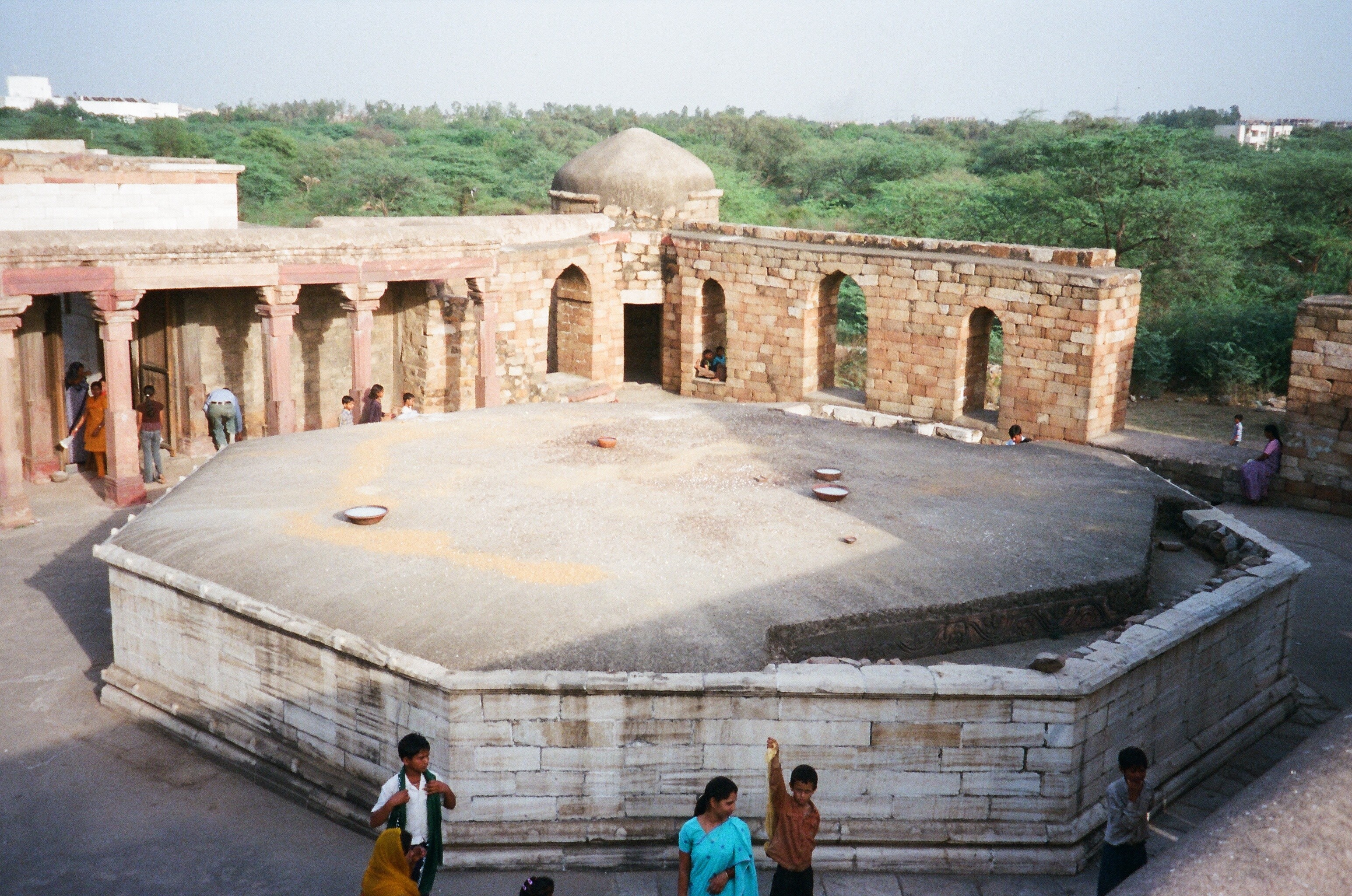
Sultan Garhi (meaning 'The Sultan's Cave or Crypt'), hidden within the rocky Aravalli ridge forest of Vasant Kunj in South West Delhi, holds an illustrious, foundational milestone in South Asian architectural history: it is the *first Islamic mausoleum ever constructed on the Indian subcontinent*. Built in 1231 CE by Sultan Shams-ud-din Iltutmish as an enduring monumental resting place for his eldest son and designated heir-apparent, Prince Nasiruddin Mahmud (who died heroically while serving as governor of Bengal in 1229 CE), this fortress-like monument predates all other Islamic tombs in India, including the tombs of Iltutmish, Balban, and Humayun.
Located in the South West Delhi district of Delhi, Sultan Garhi Crypt Mausoleum Delhi is centrally protected by the Archaeological Survey of India (ASI) as an irreplaceable landmark of South Asian civilization. Recognized for its early mamluk fortress architecture, octagonal subterranean crypt (garhi), reused pratihara sandstone columns, the site provides profound insights into the technological prowess, cosmological beliefs, and cultural aesthetics of its ancient builders.
2. Dynastic Origins, Royal Patrons & Chronology
Iltutmish was so grief-stricken by the tragic loss of his noble son—whom he praised on the tomb's foundation inscription as *'Malik-us-Sharq'* (King of the East) and *'Nasir Amir-ul-Muminin'* (Helper of the Commander of the Faithful)—that he created a completely unique architectural typology: an octagonal subterranean stone crypt (*garhi*) sunken deep below ground level, surrounded by an elevated fortified stone courtyard. Over eight centuries, the monument evolved into a sacred non-sectarian shrine (*dargah*) revered by local Hindu and Muslim villagers, who venerate the prince under the name *Peer Baba* or *Sultan-i-Garh*, offering clay horses, sweets, and mustard-oil lamps on Thursdays.
Centrally protected as an ancient monument of national importance by the Archaeological Survey of India (ASI), Sultan Garhi represents a rare, precious archaeological treasure illustrating the earliest synthesis of Delhi quartzite fortress masonry, reused 8th-century Gurjara-Pratihara carved stone columns, and early Arabic calligraphic epigraphy.
3. Structural Engineering & Architectural Design
Sultan Garhi is engineered atop a high square platform of grey Delhi quartzite rubble masonry measuring 30 metres on each side, rising nearly 4 metres above ground level. The corners of the platform are fortified with four circular stone bastions, and the western facade features a projecting marble mihrab pavilion, giving the exterior the imposing appearance of an impregnable medieval military fortress.

At the spatial center of the open courtyard sits the unique *octagonal subterranean crypt*. A narrow stone staircase descends into an octagonal stone chamber sunken 2 metres into the earth, covered by a flat stone slab roof supported by carved sandstone pillars. The sunken crypt houses the simple grave of Prince Nasiruddin Mahmud, enveloped in cool subterranean silence and the scent of incense.
The interior courtyard and entrance portico incorporate masterfully carved columns, lintels, and brackets salvaged from ruined 8th- to 10th-century Gurjara-Pratihara and Chauhan Hindu temples, displaying intricate floral rosettes, pot-and-foliage (*ghata-pallava*) capitals, and geometric mouldings synthesized effortlessly into an early Islamic sacred sanctuary.
4. Archaeological Excavations, Epigraphy & Conservation
Archaeologist Alexander Cunningham surveyed Sultan Garhi in the 1870s, deciphering the monumental Arabic foundation inscription of 1231 CE carved across the eastern gateway lintel.
ASI structural conservation teams stabilized the circular corner bastions and restored the stone-paved courtyard floor using authentic lime-surkhi mortars.
The surrounding Aravalli forest was developed as a protected biodiversity heritage park, insulating the ancient 13th-century monument from suburban urban expansion.
Entry to Sultan Garhi is completely free for all domestic and international visitors. Maintained as a protected monument by the Archaeological Survey of India.
5. Master Highlights & Archaeological Marvels
The first Islamic tomb in India: consecrated in 1231 CE, representing the absolute chronological birth of tomb architecture in South Asia.

The octagonal subterranean crypt: a sunken stone chamber that gave the monument its historic name 'Garhi' (cave/crypt).
The 1231 CE Arabic inscription: a pristine epigraph recording Iltutmish's royal dedication to his beloved deceased son.
6. Visiting Hours, Entry Permits & Visitor Guidelines
Open daily from 6:00 AM to 6:00 PM throughout the year. Dawn visits are tranquil and misty.
Visiting between 7:30 AM and 10:00 AM provides quiet surroundings and clear morning sunlight illuminating the stone courtyard.
Visitors can enter the open courtyard and descend into the subterranean crypt freely.
Respect local devotees offering floral prayers and incense at the central grave; footwear should be removed when descending into the crypt.
Sultan Garhi is located within the rocky Aravalli ridge forest off the main road. Visit during daylight hours and avoid isolated forest tracks at dusk.
7. Site Museum & Interpretation Centers
The Qutb Minar Complex (6 km east) preserves Iltutmish's own mausoleum, allowing direct comparison of royal Mamluk tomb architecture.
The nearby Sanjay Van forest and Mehrauli Archaeological Park preserve extensive medieval Sultanate ruins.
8. Climate, Best Seasons & Ideal Visiting Hours
October to March offers ideal weather, with pleasant daytime temperatures between 15°C and 25°C.
Winter mornings provide crisp, clear Delhi weather ideal for exploring the quiet forest trails surrounding the monument.
9. Transit Logistics, Rail, Air & Road Access
Located off Nelson Mandela Marg, Vasant Kunj Sector C, South West Delhi. Chhatarpur Metro Station (Yellow Line) is 5 km away.
Easily reached via taxi, auto-rickshaw, or private car from Vasant Kunj malls or Mahipalpur.
10. Regional Heritage Circuits & Sibling Monuments
Sultan Garhi is the historic chronological starting point of the Islamic Mausoleums of Delhi Trail:
Sacred Architecture & Darshan Protocol Guide
Maximize your spiritual journey: VIP vs Sugam Darshan line reality, locker rules, and historical truth.
- ✓Sugam Darshan & Token Blueprint: Accurate online booking rules, pre-dawn passes, and entry lane realities.
- ✓Zero Commercialization Guard: Avoid bogus intermediaries, fake priest fees, and paid blessing scams.
- ✓Locker, Footwear & Mobile Safety: Verified cloakroom locations, authorized phone lockers, and security rules.
- ✓Hidden Architectural Marvels: Inscriptions, subterranean sanctums, and forgotten stone carvings.
🛡️ Personally curated by PK Gupta & the Hidden Routes research desk. Delivered directly to your Email & WhatsApp within 4–8 hours.
11. Frequently Asked Questions
Why is Sultan Garhi famous in Indian history?
It is the very first Islamic mausoleum ever constructed in India, built in 1231 CE by Sultan Shams-ud-din Iltutmish for his beloved eldest son, Prince Nasiruddin Mahmud.
What does the name 'Sultan Garhi' mean?
It means 'The Sultan's Cave' or 'Crypt', referring to the unique subterranean octagonal stone chamber sunken into the ground where the prince's grave is housed.
What architectural materials were used to build Sultan Garhi?
It was built using local grey Delhi quartzite rubble for the fortress plinth, combined with reused 8th-century Gurjara-Pratihara carved sandstone columns and white marble inlays.
Is active worship conducted at Sultan Garhi today?
Yes, local Hindu and Muslim villagers revere the tomb as a sacred shrine (Peer Baba), offering mustard-oil lamps, flowers, and prayers for blessings, especially on Thursdays.
Is entry to Sultan Garhi free?
Yes, entry to the monument and the surrounding archaeological park is completely free for all domestic and international visitors.