1. Overview & Archaeological Significance
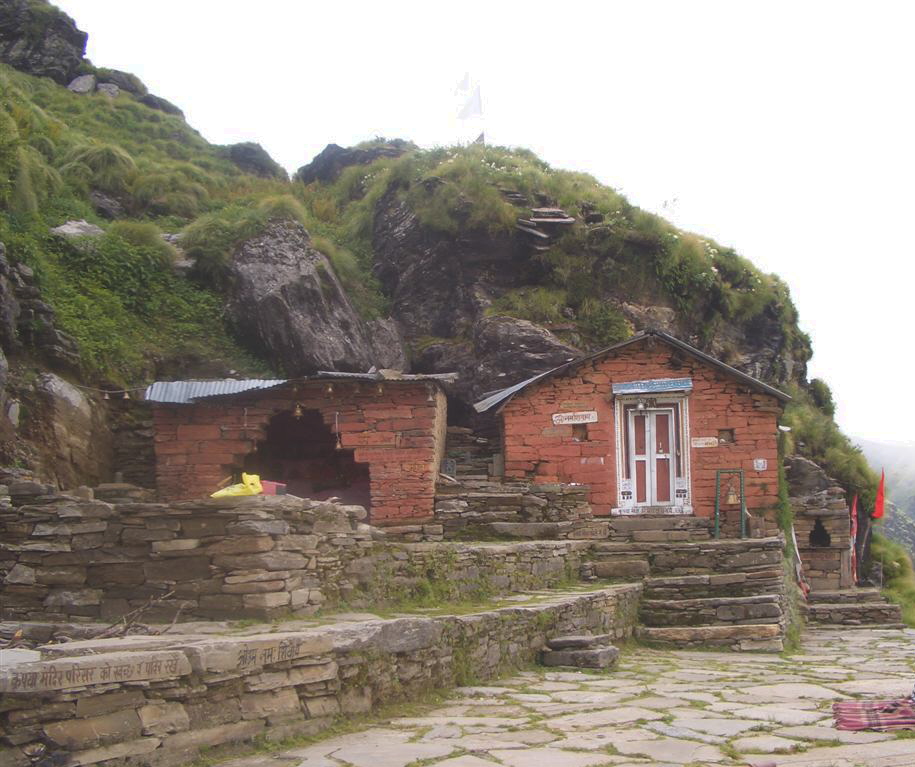
Rudranath Temple, perched at a breathtaking elevation of 3,600 meters (11,811 feet) amidst high alpine meadows (*bugyals*) in Chamoli district, Uttarakhand, is the revered Fourth Kedar of the sacred Panch Kedar pilgrimage circuit. Steeped in the epic lore of the *Mahabharata*, the temple marks the sacred spot where the face (*mukh*) of Lord Shiva manifested when the deity took the form of a celestial bull to evade the guilt-stricken Pandavas following the Kurukshetra war.
Located in the Chamoli district of Uttarakhand, Rudranath Rock-Cut Cave Temple of Shiva is centrally protected by the Archaeological Survey of India (ASI) as an irreplaceable landmark of South Asian civilization. Recognized for its natural alpine rock-cut cave sanctuary, rough-hewn granite enclosure, slate canopies & holy kund pools, the site provides profound insights into the technological prowess, cosmological beliefs, and cultural aesthetics of its ancient builders.
2. Dynastic Origins, Royal Patrons & Chronology
According to sacred tradition, when the Pandavas sought redemption for the slaughter of their kin, Lord Shiva dived into the earth at Kedarnath. Different parts of his divine bovine form emerged at five holy sanctuaries (*Panch Kedar*): the hump at Kedarnath, the arms at Tungnath, the navel at Madhyamaheshwar, the matted hair at Kalpeshwar, and the face (*mukh*) here at Rudranath, worshipped as *Neelkanth Mahadev*.
Unlike structural temples built in valley towns, Rudranath is a primordial natural rock-cut cave sanctuary sheltered beneath a massive granite boulder. Reached only by an arduous 20-kilometer mountain trek through dense rhododendron wilderness, the temple preserves an untouched, mystical purity where nature and Vedic austerity merge seamlessly.
3. Structural Engineering & Architectural Design
Rudranath Temple is designed as a natural rock-cave shrine fortified with rough-hewn stone masonry. The sanctum is hewn out of a colossal natural granite overhang, enclosed by dry-stone walls and roofed with thick mountain slate tiles.

Within the dark, stone-paved cave sanctum rests the natural rock idol representing the face of Lord Shiva (*Ekanan* or *Mukhlingam*). The serene facial features—forehead, nose, and closed meditative eyes—are adorned daily by the hereditary Bhatt priests with pure sandalwood paste, flowers, and natural mountain herbs.
Surrounding the cave shrine are several sacred high-altitude water bodies (*kunds*), most notably Surya Kund, Chandra Kund, Tara Kund, and Manas Kund. Pilgrims perform ritual ancestral rites (*pithru tarpan*) at the holy Vaitarani River flowing nearby, believed to assist departing souls in crossing into the celestial realms.
4. Archaeological Excavations, Epigraphy & Conservation
The Badrinath-Kedarnath Temple Committee (BKTC) maintains the stone cave sanctum and weather-proof slate roof.
Trek route conservation by the forest department stabilized the rugged mountain trail through the Panar Bugyal.
Eco-friendly pilgrim shelters and solar lighting were installed on the outer meadow ridge to protect the fragile alpine ecology.
Entry to Rudranath Temple is completely free for all pilgrims. The temple is open only during the six snow-free months from May to October.
5. Master Highlights & Archaeological Marvels
Worship of Shiva's Face: The only place on Earth where the divine face (*Mukh*) of Lord Shiva is worshipped.

Untouched Natural Cave: An ancient rock-cut cave shrine sheltered beneath a colossal living granite boulder.
Alpine Bugyal Landscape: Surrounded by sweeping high-altitude velvet grasslands with unobstructed views of Trishul and Nanda Devi.
6. Visiting Hours, Entry Permits & Visitor Guidelines
Open daily: Morning darshan from 5:30 AM to 12:00 PM; evening aarti is performed at 6:30 PM. Closed during winter (November–April).
Dawn across the alpine meadow reveals a breathtaking sight as sunrise rays turn the snow peaks of Nanda Devi into glowing gold.
Remove footwear before stepping onto the stone floor of the rock-cut cave sanctum.
Carry back all plastic waste; Rudranath is situated within a pristine high-altitude ecological sanctuary.
The trek to Rudranath is 20 km each way with steep ascents; physical fitness, warm layers, and trekking poles are essential.
7. Site Museum & Interpretation Centers
During the six winter months, the symbolic idol of Lord Shiva is brought down to Gopinath Temple in Gopeshwar for worship.
Anasuya Devi Temple and Atri Muni Cave, famous pilgrimage spots, lie across a scenic trekking trail from the valley.
8. Climate, Best Seasons & Ideal Visiting Hours
May through June and September through October is the only open window, offering clear skies and pleasant trekking conditions.
Monsoon (July-August) brings vibrant alpine flowers across Panar Bugyal but also slippery trails and heavy mountain rain.
9. Transit Logistics, Rail, Air & Road Access
Located in Chamoli district, Uttarakhand; reached by a 20 km trekking trail starting from Sagar village (5 km from Gopeshwar).
Gopeshwar is well connected by road from Rishikesh (210 km), from where taxis and buses operate regularly.
10. Regional Heritage Circuits & Sibling Monuments
Rudranath is the mystical alpine heart of the Sacred Panch Kedar Himalayan Trail:
Sacred Architecture & Darshan Protocol Guide
Maximize your spiritual journey: VIP vs Sugam Darshan line reality, locker rules, and historical truth.
- ✓Sugam Darshan & Token Blueprint: Accurate online booking rules, pre-dawn passes, and entry lane realities.
- ✓Zero Commercialization Guard: Avoid bogus intermediaries, fake priest fees, and paid blessing scams.
- ✓Locker, Footwear & Mobile Safety: Verified cloakroom locations, authorized phone lockers, and security rules.
- ✓Hidden Architectural Marvels: Inscriptions, subterranean sanctums, and forgotten stone carvings.
🛡️ Personally curated by PK Gupta & the Hidden Routes research desk. Delivered directly to your Email & WhatsApp within 4–8 hours.
11. Frequently Asked Questions
Which part of Lord Shiva is worshipped at Rudranath?
At Rudranath, the divine face (Mukh or Ekanan) of Lord Shiva is worshipped in a natural rock-cut cave.
What is the elevation of Rudranath Temple?
Rudranath is situated at an altitude of 3,600 meters (11,811 feet) amidst high-altitude alpine grasslands (bugyals).
How difficult is the trek to Rudranath?
The trek is approximately 20 km each way from Sagar village, considered the most challenging among the Panch Kedar treks due to steep climbs.
Where is the deity worshipped during the winter months?
When heavy snow closes Rudranath in winter (November to April), the ceremonial idol is brought down to Gopinath Temple in Gopeshwar.
What Himalayan peaks are visible from Rudranath?
Trekkers enjoy panoramic views of Nanda Devi, Trishul, Nanda Ghunti, Deoban, and Hathi Parbat peaks.