1. Overview & Archaeological Significance
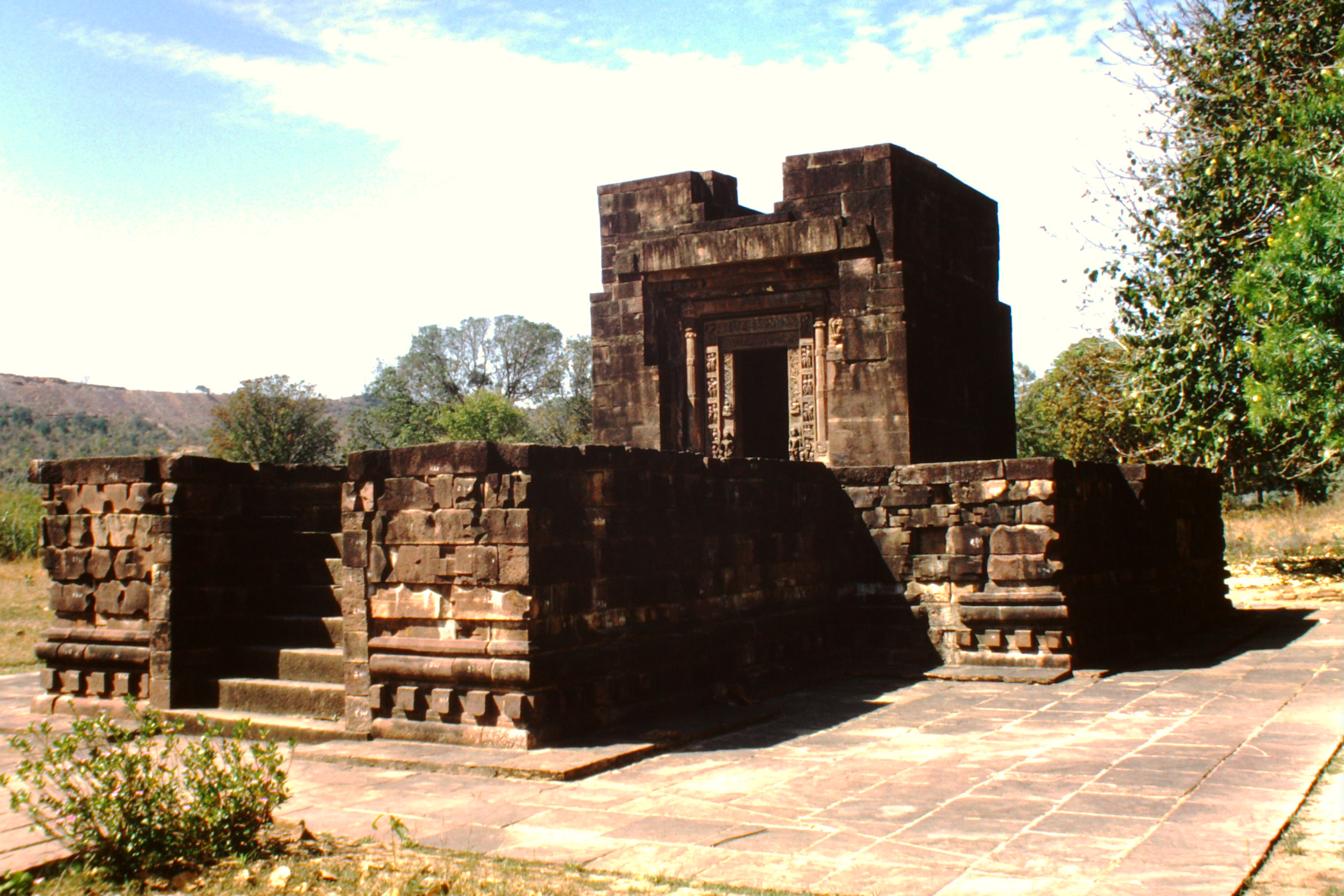
Nachna Kuthara (also spelled Nachna), nestled in a quiet, forested valley of the Vindhyan hills in Panna district, Madhya Pradesh, holds an immortal and revered place in the history of world architecture. Dating to the mid-5th century CE (c. 450–475 CE) during the golden zenith of the Gupta Empire, the Parvati Temple of Nachna is widely recognized by architectural historians as one of the oldest surviving free-standing stone Hindu temples in the world, standing alongside Temple 17 at Sanchi and the Dashavatara Temple at Deogarh.
Located in the Panna district of Madhya Pradesh, Nachna Kuthara Parvati Temple Earliest Stone Sanctum is centrally protected by the Archaeological Survey of India (ASI) as an irreplaceable landmark of South Asian civilization. Recognized for its archaic gupta stone masonry, two-storey sandstone sanctum, rock-imitating friezes & trefoil chaitya window carvings, the site provides profound insights into the technological prowess, cosmological beliefs, and cultural aesthetics of its ancient builders.
2. Dynastic Origins, Royal Patrons & Chronology
What elevates Nachna to foundational status in Indian sacred architecture is that it captures the seminal moment of structural evolution: the historic transition from perishable timber and rock-cut cave temples to permanent, free-standing structural stone masonry (*shilpa-vidya*). In an ingenious architectural homage to the natural mountain abode of Lord Shiva and Parvati on Mount Kailash, the master masons carved the exterior stone wall blocks with rough, undulating rock-like surfaces populated with miniature carved wild animals, mountain hermits, and frolicking ganas.
Centrally protected as an ancient monument of national importance by the Archaeological Survey of India (ASI) Bhopal Circle, Nachna also preserves the companion 8th-century *Chaturmukha Mahadeva Temple*, famed for its colossal four-faced Shiva linga, making this secluded Vindhyan site an essential pilgrimage for lovers of classical Indian art.
3. Structural Engineering & Architectural Design
The Parvati Temple is an extraordinary two-storey structural monument built entirely of finely dressed reddish sandstone assembled without mortar. The lower level consists of a square sanctum (*garbhagriha*) surrounded by an enclosed covered circumambulatory passage (*sandhara prasad*). Above the sanctum rises a smaller, square upper chamber that represents the archaic prototype from which the soaring temple *shikhara* towers of medieval India later evolved.

The entrance doorway of the sanctum is a masterwork of classical Gupta decorative art. The doorframe is articulated with multiple receding vertical bands (*sakhas*) carved with delicate rosettes, leafy scrolls, and celestial couples (*mithunas*). At the base of the doorposts stand graceful figures of river goddesses Ganga and Yamuna standing upon their aquatic vahanas (makara and tortoise), purifying devotees as they cross the threshold.
Perforated stone lattice windows (*jalis*) set into the lateral walls illuminate the dark inner circumambulatory passage with soft, geometric shafts of natural sunlight. Adjoining the temple stands the *Chaturmukha Temple*, featuring a towering early Pratihara-style curvilinear shikhara and housing an awe-inspiring four-faced Shiva linga reflecting unmatched meditative serenity.
4. Archaeological Excavations, Epigraphy & Conservation
ASI structural conservation painstakingly dismantled, realigned, and reset displaced sandstone blocks of the two-storey sanctum.
Chemical poultice cleaning removed centuries of microbial moss from the delicate Gupta doorway jambs and lattice stone windows.
Archaeological clearances revealed ancient stone drainage aprons and subsidiary shrine foundations across the temple grove.
Entry to the Nachna Kuthara Parvati Temple complex is completely free under the Archaeological Survey of India.
5. Master Highlights & Archaeological Marvels
Earliest Surviving Stone Temple: A foundational 5th-century Gupta structural monument that gave birth to Indian temple architecture.

Rock-Imitating Wall Masonry: Exterior stone surfaces carved to resemble natural mountain rock populated with wild beasts and ascetics.
Chaturmukha Mahadeva Companion: 8th-century temple housing a colossal four-faced Shiva linga exhibiting classical serene expression.
6. Visiting Hours, Entry Permits & Visitor Guidelines
Open daily from 8:00 AM to 5:30 PM. Allow about 1.5 to 2 hours to examine both the Parvati and Chaturmukha temples.
Morning visits between 8:30 AM and 11:00 AM offer peaceful birdsong and optimal natural light across the ancient sandstone doorways.
Remove footwear before stepping onto the temple plinths; maintain quiet reverence.
Do not touch or scratch the delicate 5th-century Gupta relief carvings; respect this world heritage treasure.
Nachna is situated in a rural forest taluk; carry drinking water and snacks as local tourist amenities are limited.
7. Site Museum & Interpretation Centers
The UNESCO World Heritage Site of Khajuraho is located 95 km northwest, forming an unforgettable classical heritage loop.
Panna National Park and tiger reserve lies 45 km northeast in the Vindhyan hills.
8. Climate, Best Seasons & Ideal Visiting Hours
October through March is the premier travel season, offering cool breezes and pleasant daytime temperatures between 18°C and 27°C.
Post-monsoon (September to November) cloaks the surrounding Vindhyan forest in verdant green foliage, making the rural drive scenic.
9. Transit Logistics, Rail, Air & Road Access
Located at Nachna Kuthara, 40 km southwest of Satna and 60 km south of Panna in Panna district, Madhya Pradesh.
Khajuraho Airport (HJR) is 100 km northwest, while Satna railway junction is 40 km northeast.
10. Regional Heritage Circuits & Sibling Monuments
Nachna is the primordial genesis of the Classical Indian Stone Temple Architecture Trail:
Sacred Architecture & Darshan Protocol Guide
Maximize your spiritual journey: VIP vs Sugam Darshan line reality, locker rules, and historical truth.
- ✓Sugam Darshan & Token Blueprint: Accurate online booking rules, pre-dawn passes, and entry lane realities.
- ✓Zero Commercialization Guard: Avoid bogus intermediaries, fake priest fees, and paid blessing scams.
- ✓Locker, Footwear & Mobile Safety: Verified cloakroom locations, authorized phone lockers, and security rules.
- ✓Hidden Architectural Marvels: Inscriptions, subterranean sanctums, and forgotten stone carvings.
🛡️ Personally curated by PK Gupta & the Hidden Routes research desk. Delivered directly to your Email & WhatsApp within 4–8 hours.
11. Frequently Asked Questions
Why is the Nachna Parvati Temple considered so important in Indian art history?
Built in the mid-5th century CE during the Gupta Empire, it is one of the earliest surviving free-standing stone Hindu temples in India, marking the historic transition from rock-cut caves to structural masonry.
What is unique about the exterior wall carving at Nachna?
The outer stone walls are carved with undulating, rock-like surfaces imitating a natural mountain cliff, populated with wild beasts and ascetics, symbolizing Mount Kailash.
What is the second temple at Nachna Kuthara?
It is the Chaturmukha Mahadeva Temple, an 8th-century stone temple housing an extraordinary four-faced Shiva linga carved with serene classical expression.
How far is Nachna from Khajuraho and Satna?
Nachna is located approximately 95 km southeast of Khajuraho and 40 km southwest of Satna, easily reachable by road.
Is an entry fee required at Nachna?
No, entry to the Nachna Kuthara Parvati Temple is completely free under the Archaeological Survey of India (ASI).