1. Overview & Archaeological Significance
Hill Fort Kesroli, perched dramatically atop a rare, solitary dark granite outcrop rising over 150 feet above the fertile agricultural plains in Alwar district, Rajasthan, is one of the oldest, most architecturally rare, and historically continuous fortresses in western India. Tracing its foundations back to the mid-14th century (c. 1350 CE), the fort was constructed by the Yaduvanshi Rajputs—a proud martial clan that traces its sacred lineage directly to Lord Krishna.
Located in the Alwar district of Rajasthan, Hill Fort Kesroli 14th-Century Yaduvanshi Citadel is centrally protected by the Archaeological Survey of India (ASI) as an irreplaceable landmark of South Asian civilization. Recognized for its yaduvanshi rajput bastion architecture, isolated sandstone hill outcrop, circular corner bastions & arcaded courtyards, the site provides profound insights into the technological prowess, cosmological beliefs, and cultural aesthetics of its ancient builders.
2. Dynastic Origins, Royal Patrons & Chronology
What imparts deep historical fascination to Kesroli is that it changed hands between four distinct ruling powers over six centuries: the Hindu Yaduvanshi Rajputs, the Muslim Khanzadas of Mewat who converted in the 14th century, the Mughal imperial governors under Babur and Akbar, and finally the Naruka Rajputs of Alwar in 1775 CE. Because of its commanding 360-degree panoramic vantage point, Kesroli served as an unassailable defensive sentinel guarding the royal trade caravans crossing between Delhi, Agra, and the Aravalli hills.
Sensitively restored in 1998 by the pioneers of heritage living, the Neemrana group, Hill Fort Kesroli is celebrated as one of India's oldest heritage hotel properties, enchanting travelers with its authentic medieval stone ramparts, breezy arched courtyards, and sweeping views of golden mustard fields stretching to the horizon.
3. Structural Engineering & Architectural Design
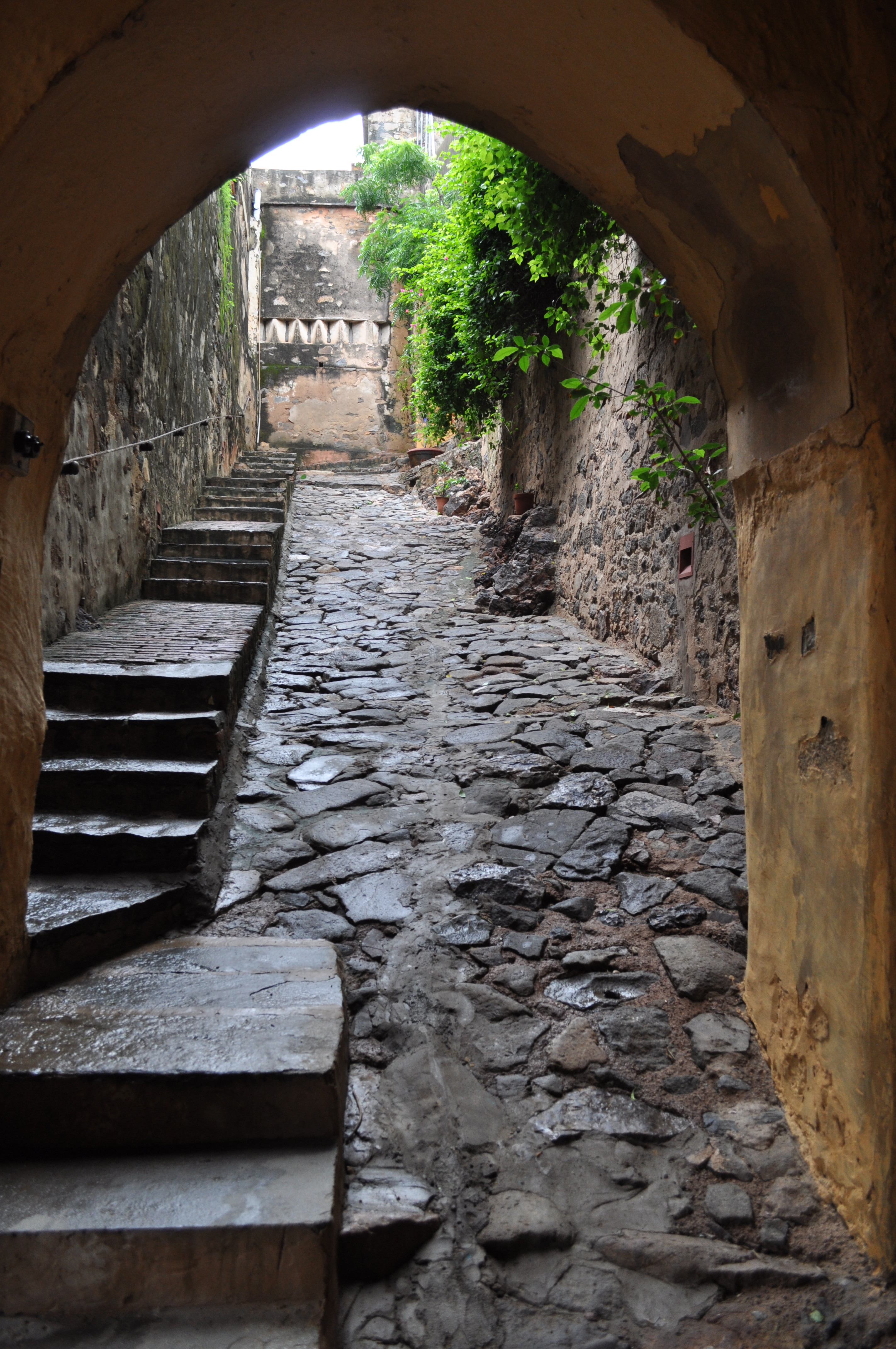
The architectural layout of Kesroli is designed to crown the natural contours of the isolated granite hillock. Constructed entirely of locally quarried dark granite and reddish sandstone blocks bound by traditional lime mortar, the fort features seven massive circular and semicircular bastions (*burjs*) connected by high, loop-holed curtain walls.

Access is defended by a steep ramped stone causeway leading to a fortified wooden gate. Inside the citadel keep, the royal palace is organized around several intimate, shaded courtyards. The residential wings feature multi-tiered arcaded verandas supported by square stone pillars and cusped pointed arches.
The rooftop terraces command vertiginous 360-degree views across the flat agrarian plains, punctuated by distant blue ridges of the Aravalli range. The fort preserves deep rock-cut rainwater cisterns and underground granaries that ensured self-sufficiency during medieval sieges.
4. Archaeological Excavations, Epigraphy & Conservation
Pioneering heritage conservation stabilized the 14th-century circular bastions and repointed the stone masonry using traditional lime.
Chemical cleaning preserved the original stone lintels and restored traditional lime-wash finishes in the inner courtyards.
Restoration of the rooftop ramparts established visitor viewing terraces while maintaining strict historical authenticity.
Entry to the fort exterior and village is free. Access to the inner palace suites and dining terraces is available for heritage hotel guests and visitors with prior dining reservations.
5. Master Highlights & Archaeological Marvels
14th-Century Yaduvanshi Citadel: Rare surviving fortress constructed by the Yaduvanshi Rajputs tracing lineage to Lord Krishna.

360-Degree Panoramic Vistas: Spectacular panoramic views over a sea of yellow mustard fields and the Aravalli hills.
Seven Circular Bastions: Formidable medieval stone artillery towers crowning an isolated natural granite hillock.
6. Visiting Hours, Entry Permits & Visitor Guidelines
Open daily from 9:00 AM to 5:00 PM for day visitors with prior reservation. Hotel guests enjoy 24-hour access.
Late afternoons (4:00 PM to 6:00 PM) offer breathtaking sunset views from the rooftop ramparts across the golden rural plains.
Maintain respectful decorum in the palace residential wings and private courtyards.
Photography is permitted in public courtyards and ramparts; respect the privacy of resident guests.
The fortress features stone stairways and elevated terrace parapets; supervise children carefully near rampart edges.
7. Site Museum & Interpretation Centers
Bala Quila (Alwar City Fort) and the City Palace of Alwar lie just 14 km west.
The Moosi Maharani Ki Chhatri and Sagar tank lie 15 km west in Alwar.
8. Climate, Best Seasons & Ideal Visiting Hours
October through March is the premier travel season, offering cool breezes and pleasant daytime temperatures between 16°C and 25°C.
Winter months (December to February) surround the fort in an astonishing sea of brilliant yellow blooming mustard flowers.
9. Transit Logistics, Rail, Air & Road Access
Located in Kesroli village, 14 km northeast of Alwar city and 155 km southwest of Delhi in Alwar district, Rajasthan.
Indira Gandhi International Airport (DEL) in Delhi is 145 km northeast, while Alwar railway junction is 14 km west.
10. Regional Heritage Circuits & Sibling Monuments
Hill Fort Kesroli is the tranquil rural jewel of the Alwar Royal Heritage Trail:
Sacred Architecture & Darshan Protocol Guide
Maximize your spiritual journey: VIP vs Sugam Darshan line reality, locker rules, and historical truth.
- ✓Sugam Darshan & Token Blueprint: Accurate online booking rules, pre-dawn passes, and entry lane realities.
- ✓Zero Commercialization Guard: Avoid bogus intermediaries, fake priest fees, and paid blessing scams.
- ✓Locker, Footwear & Mobile Safety: Verified cloakroom locations, authorized phone lockers, and security rules.
- ✓Hidden Architectural Marvels: Inscriptions, subterranean sanctums, and forgotten stone carvings.
🛡️ Personally curated by PK Gupta & the Hidden Routes research desk. Delivered directly to your Email & WhatsApp within 4–8 hours.
11. Frequently Asked Questions
Who built Hill Fort Kesroli and when?
It was built in the mid-14th century (c. 1350 CE) by the Yaduvanshi Rajputs, who trace their sacred ancestry directly to Lord Krishna.
What makes Kesroli's geographic setting unique?
It sits atop a rare, solitary dark granite hillock rising 150 feet sheer above flat agricultural plains, offering unmatched 360-degree panoramic views.
What four powers ruled Kesroli over the centuries?
The fort was held successively by the Yaduvanshi Rajputs, the Muslim Khanzadas of Mewat, the Mughal emperors, and finally the Naruka Rajputs of Alwar.
Can travelers visit and stay at Hill Fort Kesroli?
Yes, Kesroli operates as an acclaimed heritage hotel restored by the Neemrana group, offering medieval palace suites, dining, and rural village tours.
How far is Kesroli from Alwar city and Delhi?
Kesroli is located just 14 km northeast of Alwar city center and approximately 155 km southwest of Delhi, reachable in about 3 hours.