1. Overview & Archaeological Significance
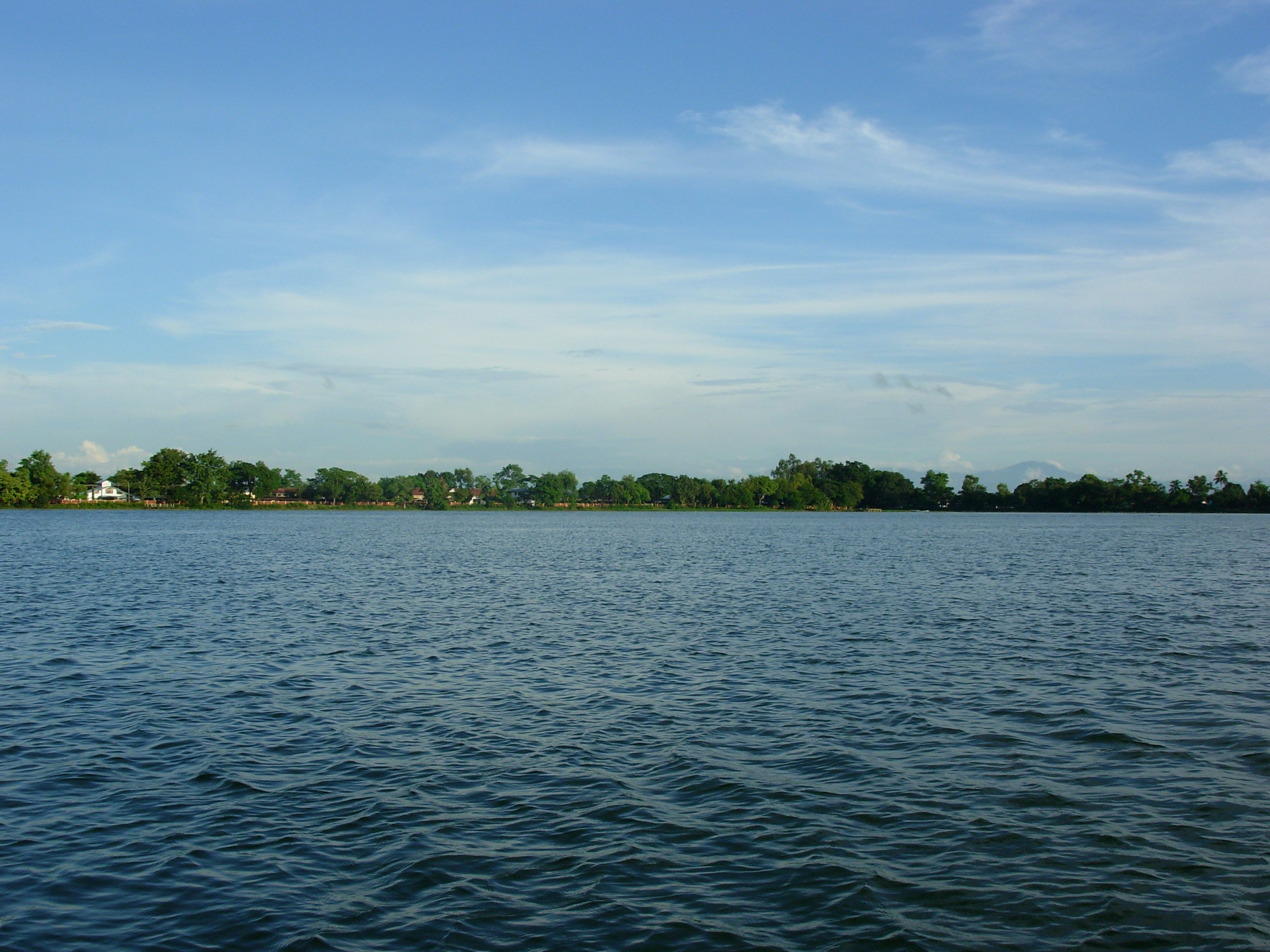
Joysagar, located 5 km south of Sivasagar at Rangpur, is an engineering and monumental triumph of the Ahom civilization, centering around the largest man-made excavated water reservoir in India. Covering an astonishing area of 318 acres (1.28 square kilometers), the colossal tank was excavated in a record forty-five days in 1697 CE by Swargadeo Rudra Singha (Sukhrungphaa), widely regarded as the greatest and most illustrious monarch of the Ahom dynasty. The lake was created to immortalize the memory and supreme sacrifice of his mother, Sati Joymoti Kunwari, the iconic heroine of Assamese history.
Located in the Sivasagar district of Assam, Joysagar Temples and Sacred Tank is centrally protected by the Archaeological Survey of India (ASI) as an irreplaceable landmark of South Asian civilization. Recognized for its imperial ahom brick temple architecture, multi-faceted vimana, terracotta relief plaques & colossal hydraulic earthwork, the site provides profound insights into the technological prowess, cosmological beliefs, and cultural aesthetics of its ancient builders.
2. Dynastic Origins, Royal Patrons & Chronology
In the late 17th century, during a period of dark political instability known as the reign of the boy-king Sulikphaa (Lora Raja), royal purges were orchestrated to mutilate all eligible Ahom princes to disqualify them from the throne. When Prince Gadapani (Rudra Singha's father) went into hiding, the royal ministers arrested his wife Joymoti and subjected her to fourteen days of brutal physical torture at Jerenga Pathar to extract her husband's whereabouts. Joymoti refused to utter a single word, enduring horrific agony until she breathed her last. Her sacrifice enabled Gadapani to rally the kingdom, ascend the throne, and secure the Ahom golden age.
To consecrate the sacred waters of Joysagar, King Rudra Singha erected a series of magnificent brick temples on its northern and eastern banks in 1698 CE, chief among them the majestic Joydol (also known as the Kesavanarayan or Vishnu Temple). Conserved by the Archaeological Survey of India, the Joysagar complex is both a poignant monument to filial devotion and supreme martyrdom and a thriving sanctuary for hundreds of migratory waterfowl.
3. Structural Engineering & Architectural Design
The Joydol temple is built primarily of indigenous flat terracotta bricks bonded with natural bio-mortar. The main sanctum (*Garbhagriha*) features a multi-faceted octagonal shikhara rising gracefully toward an arched crown adorned with floral friezes and mythical lions (*Singhas*). The adjoining Mandapa is spacious and airy, designed with an Assamese vaulted brick roof.

The exterior walls of Joydol represent one of the most complete repositories of Ahom religious art, featuring over a hundred sculpted stone and terracotta panels. These reliefs vividly portray the Dashavatara (ten incarnations of Lord Vishnu), battle scenes from the Mahabharata, musicians playing traditional Assamese instruments (*Dhol* and *Pepa*), and royal hunting processions.
Surrounding the lake are other historic monuments, including the Joysagar Sivadol, Devidol, and the exquisitely decorated Ghanashyam Temple, built of terracotta tiles inspired by Bengali Chala architecture. The lake's 318-acre water surface was engineered with underground recharge aquifers that keep it crystal-clear throughout all seasons.
4. Archaeological Excavations, Epigraphy & Conservation
The Archaeological Survey of India has stabilized the brick plinths of Joydol and treated the stone sculptures against moss and lichen growth.
Embankment restoration works secured the shoreline against wave erosion and enhanced rainwater drainage.
Bird-watching pavilions and educational signboards detailing migratory avian species have been set up around the southern banks.
Entry to the lakefront and temple grounds is free. ASI preserves the monument under national protection.
5. Master Highlights & Archaeological Marvels
318-Acre Sacred Reservoir: The largest man-made excavated tank in India, constructed in just 45 days in 1697 CE.

Monument to Sati Joymoti: Built by King Rudra Singha as a monumental tribute to his mother's supreme martyrdom.
Exquisite Relief Plaques: Hundreds of stone and terracotta sculptures detailing Vaishnavite iconography and royal life.
6. Visiting Hours, Entry Permits & Visitor Guidelines
Open from sunrise to sunset (6:00 AM – 6:00 PM) daily. Ideal for an early morning stroll or tranquil afternoon contemplation.
Winter afternoons offer spectacular birdwatching opportunities as migratory flocks gather across the water.
Fishing, swimming, and disturbing waterfowl across Joysagar are strictly prohibited.
Maintain quiet and cleanliness on temple premises; deposit litter in designated bins.
The reservoir is extremely deep in the center; stay safely on paved embankments and designated viewing platforms.
7. Site Museum & Interpretation Centers
The historic Jerenga Pathar, site of Joymoti's sacrifice, lies 2 km northwest with a commemorative memorial.
Rang Ghar and Talatal Ghar are situated within a 3 km radius from Joysagar's northern bank.
8. Climate, Best Seasons & Ideal Visiting Hours
November through March is the premier season, when migratory birds such as bar-headed geese and whistling ducks arrive in great numbers.
Mild temperatures between 12°C and 24°C make walking around the lake embankments extraordinarily pleasant.
9. Transit Logistics, Rail, Air & Road Access
Located at Rangpur, 5 km south of Sivasagar town center, easily reached via the Rangpur-Joysagar road.
Auto-rickshaws and cycle-rickshaws operate frequently between Sivasagar bus stand and the Joysagar lake gates.
10. Regional Heritage Circuits & Sibling Monuments
Joysagar is a core sanctuary of the Sivasagar Historical Triangle:
Sacred Architecture & Darshan Protocol Guide
Maximize your spiritual journey: VIP vs Sugam Darshan line reality, locker rules, and historical truth.
- ✓Sugam Darshan & Token Blueprint: Accurate online booking rules, pre-dawn passes, and entry lane realities.
- ✓Zero Commercialization Guard: Avoid bogus intermediaries, fake priest fees, and paid blessing scams.
- ✓Locker, Footwear & Mobile Safety: Verified cloakroom locations, authorized phone lockers, and security rules.
- ✓Hidden Architectural Marvels: Inscriptions, subterranean sanctums, and forgotten stone carvings.
🛡️ Personally curated by PK Gupta & the Hidden Routes research desk. Delivered directly to your Email & WhatsApp within 4–8 hours.
11. Frequently Asked Questions
Why is Joysagar famous across India?
Joysagar is famous as the largest man-made excavated lake in India, spanning an immense 318 acres (1.28 sq km), created in 1697 CE.
In whose memory was Joysagar built?
It was built by Ahom King Swargadeo Rudra Singha to honor his mother, Sati Joymoti Kunwari, who endured torture and gave her life rather than betray her husband.
How long did it take to dig the 318-acre Joysagar tank?
According to ancient Ahom Buranjis (chronicles), the colossal tank was excavated in a remarkable period of just forty-five days in 1697 CE.
What makes Joydol temple architecturally significant?
Joydol features over a hundred exquisite terracotta and stone relief panels showcasing Vishnu avatars, courtly dances, and Ramayana epics.
Can you see migratory birds at Joysagar?
Yes, every winter (November–March), thousands of migratory waterfowl from Central Asia and Siberia visit Joysagar, making it a paradise for birdwatchers.