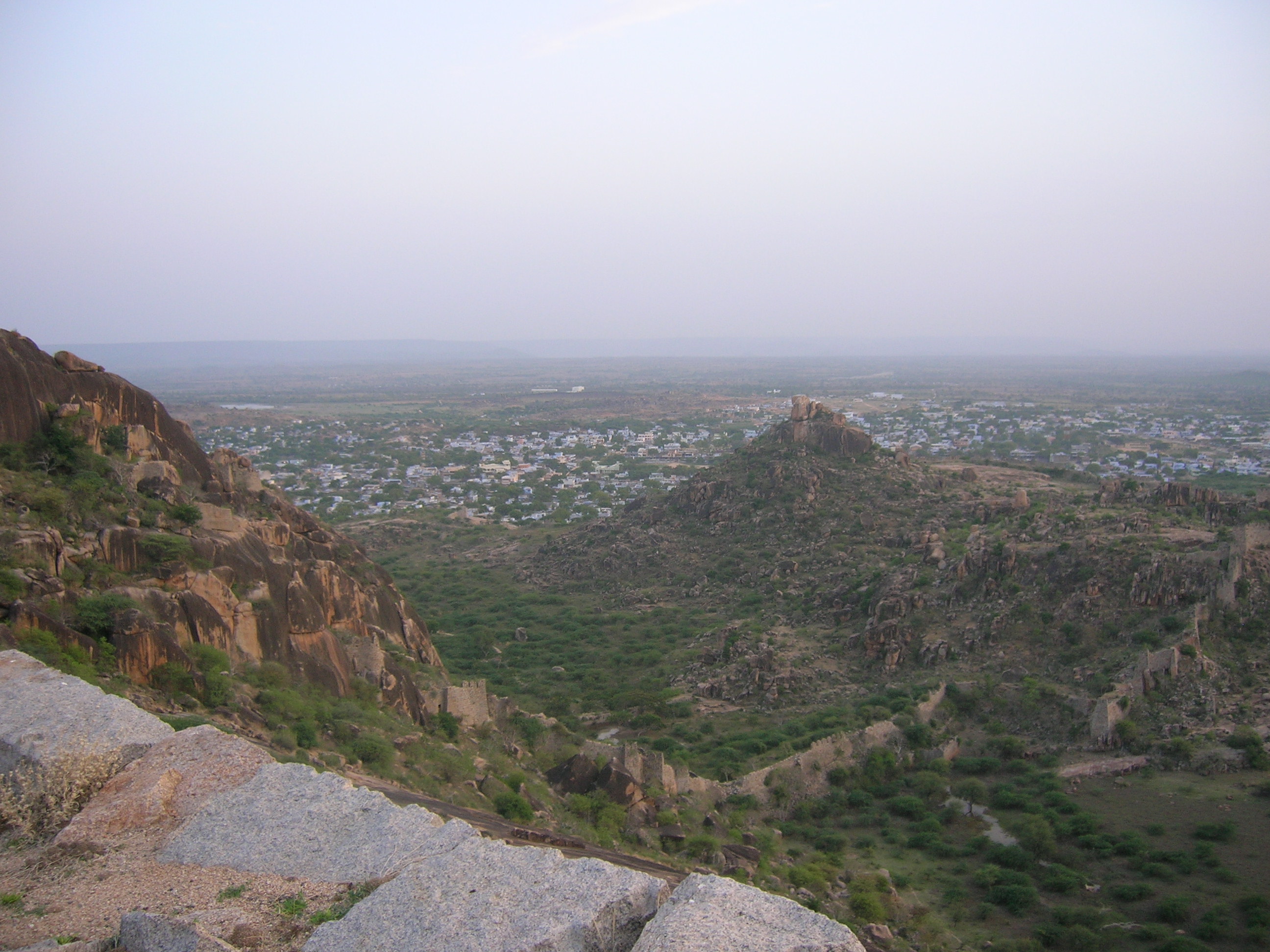
1. Overview & Archaeological Significance
Devarakonda Fort, crowning a rugged constellation of seven interconnected granite hillocks in Nalgonda district of southern Telangana, is one of the most formidable, expansive, and historically renowned mountain citadels of the medieval Deccan. Conceived in the late 13th century CE during the reign of the Kakatiyas, Devarakonda rose to sovereign imperial prominence between 1360 and 1475 CE under the illustrious Recharla Padmanayaka (Velama) dynasty, serving as their secondary capital alongside Rachakonda and later as their primary royal redoubt.
Located in the Nalgonda district of Telangana, Devarakonda Fort Hilltop Citadel is centrally protected by the Archaeological Survey of India (ASI) as an irreplaceable landmark of South Asian civilization. Recognized for its imperial medieval telugu hill fortress architecture, seven-hill interlocking bastions, dry-stone granite walls & rock-cut stepwells, the site provides profound insights into the technological prowess, cosmological beliefs, and cultural aesthetics of its ancient builders.
2. Dynastic Origins, Royal Patrons & Chronology
Under warrior-monarchs such as Mada Nayaka and Lingama Nayaka, Devarakonda was an impregnable bulwark that successfully repelled repeated invasions by the Bahmani Sultans, the Gajapatis of Odisha, and the Vijayanagara Empire. The fort's strategic location along the ancient trade routes connecting Warangal, the Krishna River basin, and Rayalaseema made it one of the most fiercely contested strongholds of the 15th century.
In 1475 CE, after a heroic defense, the citadel was captured by the Bahmani Sultanate and subsequently came under the rule of the Qutb Shahis of Golconda. Conserved today as a protected state heritage monument, Devarakonda Fort stands as a thrilling, unspoiled outdoor museum of medieval Telugu fortification, stone joinery, and rock-cut water engineering.
3. Structural Engineering & Architectural Design
The architectural layout of Devarakonda Fort is an engineering masterpiece of natural defensive integration. The fortress spans an immense area across seven jagged granite hills, enclosed by three concentric rings of massive curtain walls constructed of dry-stone granite ashlar without mortar, carefully notched into living bedrock.

The citadel is entered through a succession of seven heavily fortified stone gateways (*Dwarams*), flanked by semicircular bastions, arrow slits, and iron-studded timber portals. Within the fortified enclosure lie the ruined royal palaces of the Velama kings, administrative durbars, granaries, and powder magazines.
The fort preserves remarkable historic temples, including the *Sri Rama Temple* and an ancient *Shiva Temple*, both featuring carved black basalt pillars, dvarapalas, and ceiling lotus medallions. Deep rainwater harvesting ponds cut directly into the granite, including the *Gundam* and *Koneru* reservoirs, ensured an inexhaustible water supply that sustained the garrison through year-long sieges.
4. Archaeological Excavations, Epigraphy & Conservation
The State Heritage Department stabilized the ancient dry-stone granite gateways and repaired fractured stone lintels.
Cleared dense thorny scrub from the primary stone trekking paths connecting the seven hill bastions.
Installed directional trail markers and bilingual informational history plaques at the main entrance gate.
Entry to Devarakonda Fort is free. Maintained under state heritage preservation.
5. Master Highlights & Archaeological Marvels
Seven Interlocking Granite Hills: A massive mountain fortress spanning seven peaks with triple concentric ramparts.

Velama Dynasty Stronghold: Capital fortress of the Recharla Padmanayaka rulers who defied the Bahmanis for a century.
Seven Fortified Gateways: Accessed through seven defensive portals leading to ancient cave temples and stepwells.
6. Visiting Hours, Entry Permits & Visitor Guidelines
Open daily from 8:00 AM to 5:30 PM. A complete trek across the primary hill bastions and temples requires 2.5 to 3 hours.
Early morning visits are ideal to complete the hill trek in cool weather and catch the sunrise over the Nalgonda valleys.
Do not climb onto loose dry-stone parapet edges or enter unlit rock crevices.
Carry personal drinking water; there are no commercial shops on the upper hill fort.
The trails between the seven hills are rocky and steep; wear sturdy trekking shoes with good grip.
7. Site Museum & Interpretation Centers
Rachakonda Fort, the sister capital of the Velama kings, lies 40 km to the northwest.
The famous Nagarjuna Sagar Dam and Ethipothala Falls lie 55 km to the southeast.
8. Climate, Best Seasons & Ideal Visiting Hours
October through March is the premier season to visit, featuring pleasant daytime temperatures between 15°C and 27°C.
Winter months offer crisp, cloudless skies and refreshing breezes, ideal for mountain hiking.
9. Transit Logistics, Rail, Air & Road Access
Located in Devarakonda town, southwestern Nalgonda district, Telangana, 105 km southeast of Hyderabad.
Easily reached by private car, taxi, or state bus from Hyderabad along the Nagarjuna Sagar highway (approx. 2.5 hours drive).
10. Regional Heritage Circuits & Sibling Monuments
Devarakonda Fort is the mountain sentinel of the Southern Telangana Heritage Trail:
Sacred Architecture & Darshan Protocol Guide
Maximize your spiritual journey: VIP vs Sugam Darshan line reality, locker rules, and historical truth.
- ✓Sugam Darshan & Token Blueprint: Accurate online booking rules, pre-dawn passes, and entry lane realities.
- ✓Zero Commercialization Guard: Avoid bogus intermediaries, fake priest fees, and paid blessing scams.
- ✓Locker, Footwear & Mobile Safety: Verified cloakroom locations, authorized phone lockers, and security rules.
- ✓Hidden Architectural Marvels: Inscriptions, subterranean sanctums, and forgotten stone carvings.
🛡️ Personally curated by PK Gupta & the Hidden Routes research desk. Delivered directly to your Email & WhatsApp within 4–8 hours.
11. Frequently Asked Questions
How many hills does Devarakonda Fort span?
Devarakonda Fort is an immense mountain fortress spanning across seven interconnected, rugged granite hills.
Who ruled Devarakonda Fort during its golden age?
It was ruled by the Recharla Padmanayaka (Velama) dynasty between 1360 and 1475 CE, functioning as their sovereign royal capital.
How many gateways defend Devarakonda Fort?
The fort is defended by a succession of seven heavily fortified stone gateways (*Dwarams*) with semicircular bastions.
What temples are preserved inside the fort?
The fort preserves ancient 14th-century temples dedicated to Lord Rama and Lord Shiva, featuring carved black basalt pillars and cave shrines.
How far is Devarakonda from Hyderabad?
Devarakonda is located approximately 105 km southeast of Hyderabad, a scenic 2.5-hour drive via the Nagarjuna Sagar highway.