1. Overview & Archaeological Significance
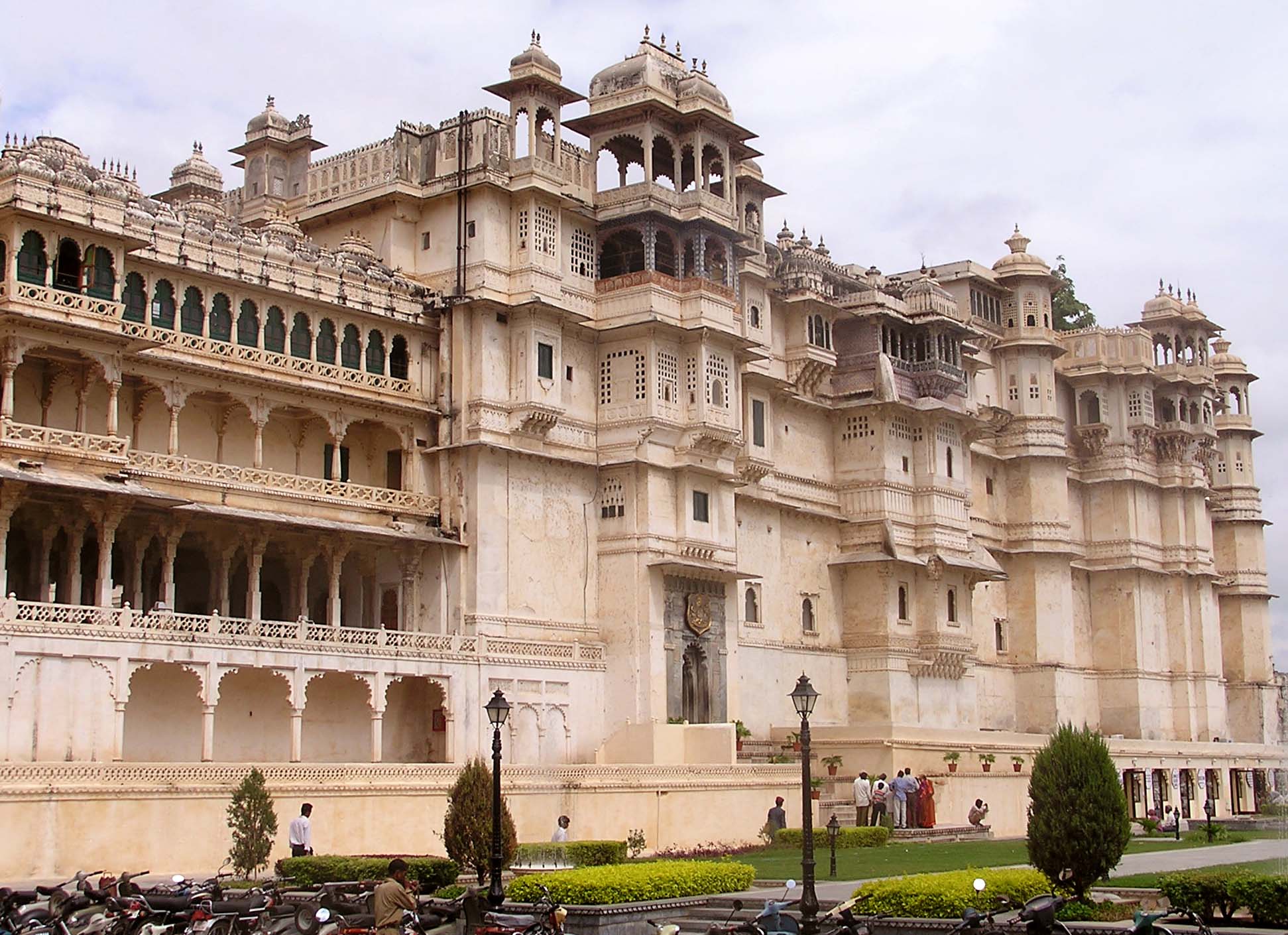
The City Palace of Udaipur, dramatically crowning a high granite ridge on the eastern shore of Lake Pichola in Udaipur district of southern Rajasthan, is the largest, most monumental, and historically unbroken palace complex in all of Rajasthan. Commenced in 1559 CE by Maharana Udai Singh II when he founded the new Mewar capital of Udaipur following the Mughal siege of Chittorgarh, the palace was constructed and expanded incrementally over four centuries by twenty-two successive Maharanas of the Sisodia Rajput dynasty, creating an astonishingly unified architectural masterpiece measuring nearly 244 metres in length and 30 metres in height.
Located in the Udaipur district of Rajasthan, City Palace Complex Udaipur is centrally protected by the Archaeological Survey of India (ASI) as an irreplaceable landmark of South Asian civilization. Recognized for its high mewar rajput architecture, colossal granite & marble citadel, mor chowk glass mosaics, lake pichola bastions, the site provides profound insights into the technological prowess, cosmological beliefs, and cultural aesthetics of its ancient builders.
2. Dynastic Origins, Royal Patrons & Chronology
Built as a virtually impregnable royal citadel, the palace combines formidable military fortification with breathtaking artistic luxury. Its massive plain exterior granite walls, crenellated parapets, and narrow labyrinthine zigzag corridors were designed to confound invading armies and prevent war elephants from charging, while its interior courtyards conceal fairy-tale marble pavilions, inlaid mirror chambers, and fragrant hanging gardens. During the epic resistance of Maharana Pratap against Mughal Emperor Akbar, the palace served as the sovereign emotional heartbeat of Mewar's fiercely guarded independence.
Maintained by the Maharana of Mewar Charitable Foundation (MMCF), the City Palace Museum preserves an extraordinary treasury of Mewar court paintings, royal silver thrones, historic palanquins, and personal weaponry of Maharana Pratap, universally celebrated as the premier cultural museum of Rajasthan.
3. Structural Engineering & Architectural Design
The City Palace complex is constructed entirely from native grey granite and gleaming white Rajnagar marble, incorporating numerous palaces built across several distinct terraces connected by covered ramps and low-ceilinged passageways. Approached through the monumental *Tripolia Gate* (a triple-arched royal gateway built in 1725 CE), the exterior facade features an unbroken rhythm of projecting balconies (*jharokhas*), cupolas, and octagonal towers overlooking the lake.

The artistic crown of the palace is *Mor Chowk* (Peacock Courtyard), built during the reign of Maharana Sajjan Singh in the 19th century. The courtyard features three high-relief glass mosaic peacocks crafted from over 5,000 pieces of radiant green, turquoise, and golden Belgian glass, depicting the peacocks dancing in jubilation during the arrival of the summer monsoon showers.
Another architectural triumph is *Badi Mahal* (Garden Palace), an astonishing elevated pleasure garden situated on the highest point of the palace. Built around a natural 90-foot-high granite hillock incorporated seamlessly into the palace structure, it features a central marble swimming pool surrounded by 104 carved stone pillars and mature shade trees, defying the structural sensation of being four storeys above the surrounding courtyards.
4. Archaeological Excavations, Epigraphy & Conservation
Conservation projects by the MMCF in collaboration with the Getty Foundation restored the 17th-century miniature painting collection and stabilized lake-facing marble jharokhas.
The Crystal Gallery inside Fateh Prakash Palace preserves the world's single largest private collection of crystal furniture and chandeliers, commissioned by Maharana Sajjan Singh from F&C Osler in 1877.
Structural monitoring tracks the hydrostatic pressure of Lake Pichola along the palace's western foundational retaining walls, ensuring centuries of water stability.
City Palace Museum entry ticket is ₹330 for adults (foreign and domestic) and ₹110 for children. Boat rides on Lake Pichola (regular boat: ₹450; sunset cruise: ₹800) are purchased separately at the Rameshwar Ghat jetty inside the complex.
5. Master Highlights & Archaeological Marvels
The Mor Chowk glass peacocks: internationally renowned as the supreme masterpiece of Rajasthani glass mosaic craft (*Thikri* work).

The weapons of Maharana Pratap: the armoury exhibits the historic 25-kg personal chainmail, double-edged swords, and spear of the legendary warrior king.
Zenana Mahal: the vast royal ladies' palace centered around an expansive open courtyard, now hosting international cultural events and royal banquets.
6. Visiting Hours, Entry Permits & Visitor Guidelines
Open daily from 9:30 AM to 5:30 PM. The ticket counters close at 4:30 PM. Sunset boat cruises depart until 6:00 PM.
Visiting between 9:30 AM and 12:00 PM ensures ample time to navigate the extensive multi-storeyed rooms before peak afternoon tour groups arrive.
Visitors must follow the designated one-way tourist route through the historic rooms to maintain orderly crowd flow.
Commercial video shooting and tripods require prior written permission from the MMCF administration office.
The palace involves extensive walking, steep narrow staircases, and uneven stone thresholds. Wear comfortable shoes and take care in dimly lit corridors.
7. Site Museum & Interpretation Centers
The City Palace Museum galleries exhibit over 10,000 royal artifacts, silver rath chariots, and 18th-century court miniature paintings.
The Jagdish Temple, a towering 1651 CE Indo-Aryan temple of Lord Vishnu, stands just 150 metres outside the main palace gate.
8. Climate, Best Seasons & Ideal Visiting Hours
October to March offers ideal weather, with pleasant daytime temperatures between 18°C and 28°C and cool evening lake breezes.
The Mewar Festival in March/April celebrates the arrival of spring with colorful processions of Gangaur carrying idols to Lake Pichola.
9. Transit Logistics, Rail, Air & Road Access
Located on the eastern bank of Lake Pichola in Old City, Udaipur. Udaipur City Railway Station is 3 km away.
Maharana Pratap Airport (UDR) at Dabok is 24 km east, connected by daily direct flights to Delhi, Mumbai, and Bengaluru.
10. Regional Heritage Circuits & Sibling Monuments
City Palace is the grand imperial anchor of the Udaipur Lake Citadels & Mewar Heritage Trail:
Sacred Architecture & Darshan Protocol Guide
Maximize your spiritual journey: VIP vs Sugam Darshan line reality, locker rules, and historical truth.
- ✓Sugam Darshan & Token Blueprint: Accurate online booking rules, pre-dawn passes, and entry lane realities.
- ✓Zero Commercialization Guard: Avoid bogus intermediaries, fake priest fees, and paid blessing scams.
- ✓Locker, Footwear & Mobile Safety: Verified cloakroom locations, authorized phone lockers, and security rules.
- ✓Hidden Architectural Marvels: Inscriptions, subterranean sanctums, and forgotten stone carvings.
🛡️ Personally curated by PK Gupta & the Hidden Routes research desk. Delivered directly to your Email & WhatsApp within 4–8 hours.
11. Frequently Asked Questions
How long did it take to build the City Palace of Udaipur?
Construction began in 1559 CE under Maharana Udai Singh II and continued across 400 years, with additions made by 22 successive Maharanas of Mewar.
What is the Mor Chowk inside the City Palace?
Mor Chowk (Peacock Courtyard) is an exquisite 19th-century royal courtyard adorned with three vibrant relief glass mosaic peacocks crafted from 5,000 pieces of colored Belgian glass.
How big is the City Palace of Udaipur?
It is the largest palace complex in Rajasthan, measuring nearly 244 metres in length and 30 metres in height, incorporating eleven interconnected palaces along Lake Pichola.
Can tourists take boat rides from the City Palace?
Yes, official scenic boat cruises and sunset boat rides across Lake Pichola to the island palace of Jag Mandir depart directly from Rameshwar Ghat inside the City Palace.
What famous artifacts of Maharana Pratap are exhibited here?
The royal armoury displays Maharana Pratap's personal 25-kg chainmail armour, ceremonial swords, and the celebrated heavy steel spear he wielded at the Battle of Haldighati.