1. Overview & Archaeological Significance
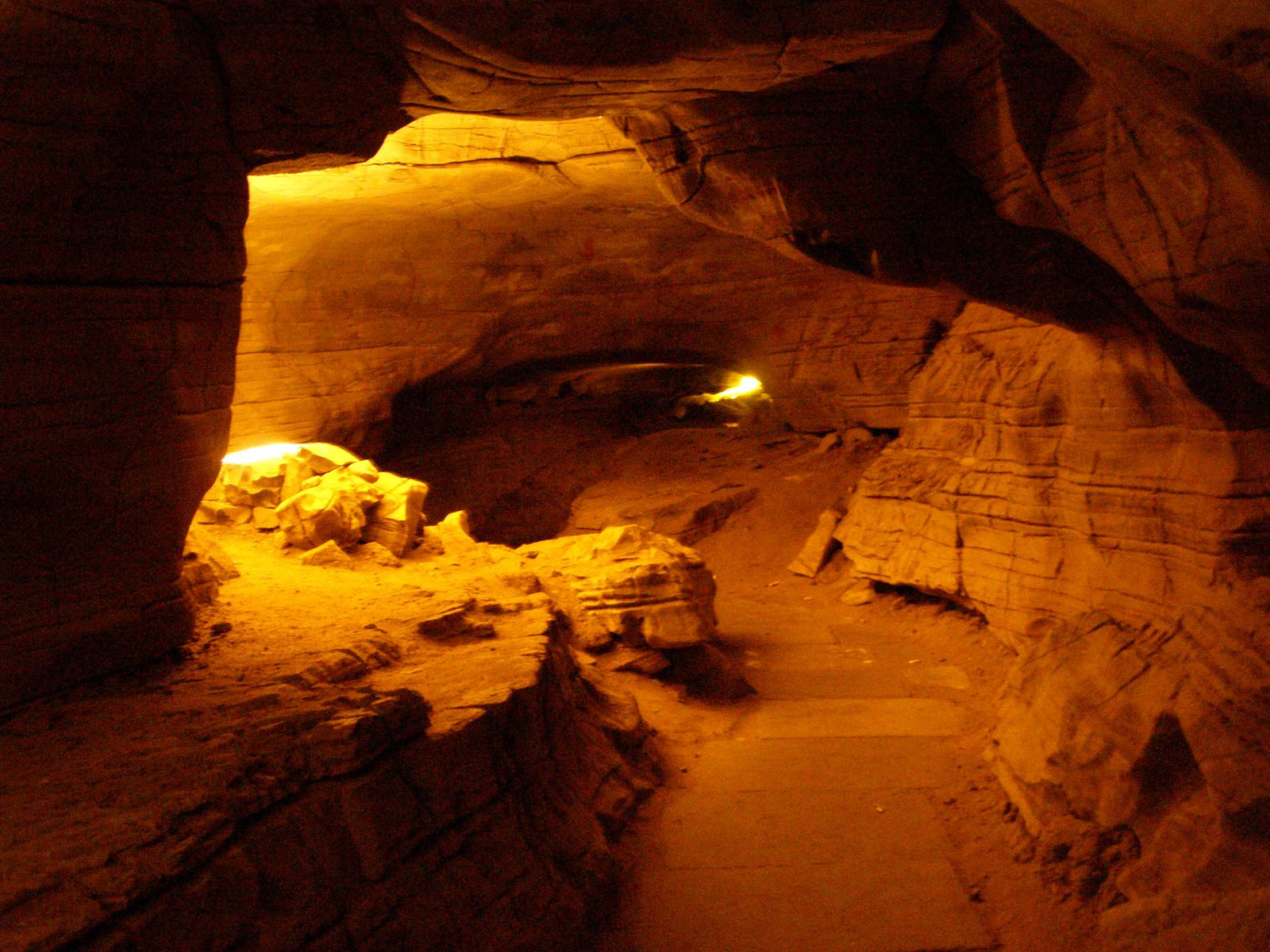
Belum Caves, hidden beneath the flat agricultural plains of Kolimigundla mandal in Nandyal (formerly Kurnool) district, Andhra Pradesh, is the second largest, longest, and most magnificent natural cave system in the entire Indian subcontinent (surpassed in length only by the Krem Liat Prah caves in Meghalaya). Spanning a mapped subterranean length of 3,229 meters (over 3.2 kilometers), with an extensive 1.5-kilometer section illuminated and open to the public, Belum Caves represents an extraordinary underground universe sculpted over millions of years by the subterranean dissolution of black and grey limestone by the ancient subterranean flows of the Chitravati River.
Located in the Nandyal district of Andhra Pradesh, Belum Caves Subterranean Chambers is centrally protected by the Archaeological Survey of India (ASI) as an irreplaceable landmark of South Asian civilization. Recognized for its subterranean karst limestone speleothem architecture, vertical sinkhole entrances, siphon passages & musical stalactites, the site provides profound insights into the technological prowess, cosmological beliefs, and cultural aesthetics of its ancient builders.
2. Dynastic Origins, Royal Patrons & Chronology
In addition to its geological grandeur, Belum Caves holds profound historical and spiritual significance. Archaeological excavations conducted by the Archaeological Survey of India (ASI) unearthed ancient Buddhist relic vessels, pre-historic pottery, and bone implements dating back to 4500 BCE, confirming that the subterranean chambers were inhabited by prehistoric humans. Between the 4th century BCE and the 5th century CE, the caves served as an austere meditation sanctuary for Buddhist and Jain ascetics. A magnificent 40-foot-tall white statue of Lord Buddha crowns the entrance hillock, commemorating the monks who found spiritual enlightenment in these underground chambers.
First documented scientifically in 1884 by British geologist Robert Bruce Foote (the Father of Indian Prehistory), the caves were systematically explored and mapped in 1982 by a German speleological expedition led by Herbert Daniel Gebauer. In 2002, the Andhra Pradesh Tourism Development Corporation (APTDC) developed the caves into a world-class eco-tourism destination with underground oxygenation vents, non-heating colored LED lighting, and safety boardwalks, offering visitors an unforgettable journey into the subterranean bowels of the earth.
3. Structural Engineering & Architectural Design
The entrance to Belum Caves is a dramatic vertical sinkhole (*Doline*) measuring 150 feet in diameter, where visitors descend via a wide circular staircase deep into the earth. The cave system is characterized by spacious underground galleries, vast vaulted chambers, narrow crawlways, and towering vertical shafts carved through dense black limestone.

The caves are adorned with spectacular karst speleothems formed over hundreds of millennia by calcium bicarbonate mineral deposits. These include giant dripstone formations resembling a banyan tree (*Voodalamari*), the *Kotilingalu* chamber (where thousands of tiny stalagmites resemble Shiva lingams), the *Simhadwaram* (natural lion archway), and the *Saptasvarala Guha* (Seven Musical Chambers), where striking natural limestone stalactites produces resonant musical tones.
The deepest accessible point of the cave system is *Pataalaganga*, situated 150 feet (46 meters) below the earth's surface. Here, a perennial crystal-clear subterranean river mysteriously flows through the limestone bedrock before vanishing into secret underground aquifers, maintaining a cold, pristine flow throughout the year.
4. Archaeological Excavations, Epigraphy & Conservation
APTDC installed specialized subterranean ventilation blowers to pump continuous fresh oxygen into the deepest cave chambers.
Installed low-heat, specialized multi-colored LED illumination that highlights the mineral crystal formations without promoting moss growth.
Constructed sturdy concrete boardwalks with stainless steel handrails spanning the entire 1.5-km tourist route.
Entry fee is ₹65 for Indian citizens; ₹300 for foreign tourists. Modern electronic ticketing is available at the entrance counter.
5. Master Highlights & Archaeological Marvels
Subcontinent's 2nd Largest Cave System: Over 3.2 kilometers of mapped subterranean limestone chambers and galleries.

Pataalaganga Abyss (150 Feet Deep): The deepest point of the caves where a mysterious subterranean river flows through the rock.
Ancient Buddhist Monastery: Archaeological home to Buddhist and Jain monks from 4th century BCE, crowned by a 40-foot Buddha statue.
6. Visiting Hours, Entry Permits & Visitor Guidelines
Open daily from 10:00 AM to 5:00 PM. A complete walk through the 1.5-km subterranean tourist loop takes 1.5 to 2 hours.
Morning visits around 10:00 AM are ideal to beat outside afternoon heat and experience the cool subterranean climate.
Do not touch, break, or deface the delicate living limestone stalactites or stalagmites.
Smoking, littering, and touching lighting cables inside the subterranean chambers are strictly prohibited.
The caves are humid and warm deep inside; visitors with respiratory or heart conditions should pace themselves.
7. Site Museum & Interpretation Centers
The famous Yaganti Uma Maheshwara Temple with its growing Nandi bull lies 45 km to the east.
Gandikota Fort and the Grand Canyon of India are located 60 km to the southeast.
8. Climate, Best Seasons & Ideal Visiting Hours
October through March is the premier season to visit, featuring pleasant outdoor weather.
The interior cave temperature remains remarkably stable year-round (around 28°C to 30°C), making it accessible in all seasons.
9. Transit Logistics, Rail, Air & Road Access
Located in Kolimigundla mandal of Nandyal district, Andhra Pradesh, 105 km from Kurnool and 30 km from Tadipatri.
Tadipatri railway station on the Mumbai-Chennai main line is 30 km away; easily reached by private car, taxi, or state bus.
10. Regional Heritage Circuits & Sibling Monuments
Belum Caves is the subterranean diamond of the Southern Deccan Karst Circuit:
Sacred Architecture & Darshan Protocol Guide
Maximize your spiritual journey: VIP vs Sugam Darshan line reality, locker rules, and historical truth.
- ✓Sugam Darshan & Token Blueprint: Accurate online booking rules, pre-dawn passes, and entry lane realities.
- ✓Zero Commercialization Guard: Avoid bogus intermediaries, fake priest fees, and paid blessing scams.
- ✓Locker, Footwear & Mobile Safety: Verified cloakroom locations, authorized phone lockers, and security rules.
- ✓Hidden Architectural Marvels: Inscriptions, subterranean sanctums, and forgotten stone carvings.
🛡️ Personally curated by PK Gupta & the Hidden Routes research desk. Delivered directly to your Email & WhatsApp within 4–8 hours.
11. Frequently Asked Questions
How long is the Belum Caves system?
Belum Caves has a total mapped length of 3,229 meters (over 3.2 km), making it the second longest cave system in the Indian subcontinent, with 1.5 km open to tourists.
How deep is the deepest point inside Belum Caves?
The deepest point is *Pataalaganga*, situated 150 feet (46 meters) below ground level, where a mysterious subterranean river flows.
Who explored and mapped Belum Caves scientifically?
British geologist Robert Bruce Foote first documented them in 1884; German speleologist Herbert Daniel Gebauer thoroughly explored and mapped them in 1982.
What historical relics were found inside the caves?
Excavations revealed Buddhist relic vessels and pre-historic pottery dating back to 4500 BCE, confirming early human habitation and Buddhist monastic use.
Is it safe to explore Belum Caves with children?
Yes, the caves are fully equipped with fresh oxygen blowers, paved boardwalks, safety handrails, and modern illumination.