
1. Jagat Mandir: The Sacred Western Dham of Lord Krishna
Anchoring the western cardinal point of the sacred Hindu Char Dham, Jagat Mandir (Dwarkadhish Temple) in Dwarka, Gujarat, stands as the eternal kingdom of Lord Krishna, revered as Dwarkanath (King of Dwarka). Supported by 72 exquisitely carved limestone pillars across five tiers, the monumental 78-metre-tall spire overlooks the holy confluence where the Gomti River empties into the Arabian Sea.
Pilgrims enter through the northern ceremonial gateway known as Moksha Dwar (Doorway to Liberation) and conclude their pilgrimage by exiting through the southern gateway known as Swarga Dwar (Doorway to Heaven), descending 56 marble steps directly to Gomti Ghat. Darshan protocols and temple rituals are administered by the Devasthanam Committee via dwarkadhish.org.
To arrange special ritual offerings, Chhapan Bhog, and Dhwaja Arohan, visit dwarkadhish.org or report to the temple administrative office inside the temple parikrama. Avoid street touts claiming to arrange private darshan inside the inner sanctum.
2. Dhwaja Arohan: The Legendary 52-Yard Flag Hoisting Ritual
The most iconic ritual at Dwarkadhish is the Dhwaja Arohan (Flag Hoisting) ceremony. Five times a day, a gigantic flag measuring precisely 52 yards (52 Gaj Dhwaja) of vibrant silk bearing the emblems of the Sun and Moon is hoisted atop the pinnacle of the 78-metre shikhara.
The 52 yards represent the 52 gates of ancient Dwarka kingdom as well as the 52 administrative subdivisions of the Yadav clan. The donor family carries the immense flag on their heads in an exuberant musical procession (Shobha Yatra) around the temple courtyard with brass bugles and dholak drums. Authorized Brahmin climbers from the Aboti Brahmin community then climb the sheer exterior stone spire to replace the flag. The donation fee ranges from ₹5,000 to ₹15,000, with waiting lists extending up to 2 years during Janmashtami and Diwali.

3. Daily Aarti Schedule & The Divine Chhapan Bhog Feast
The daily worship schedule at Dwarkadhish follows royal court protocols:
| Darshan / Aarti | Daily Timings | Ritual Nature | Recommended Reporting |
|---|---|---|---|
| Mangla Aarti | 06:30 AM – 07:00 AM | Morning awakening aarti of Dwarkanath | 05:45 AM at Moksha Dwar |
| Shringar Darshan | 10:30 AM – 11:00 AM | Adornment in royal silks, gold & pearls | 10:00 AM |
| Gwal Bhog | 11:05 AM – 11:30 AM | Morning dairy offering & cowherd prayers | 10:45 AM |
| Sandhya Aarti | 07:30 PM – 08:00 PM | Evening twilight royal aarti | 06:45 PM |
| Shayan Aarti | 08:30 PM – 09:00 PM | Final bedtime ceremony; temple closes at 09:40 PM | 08:00 PM |
Devotees can also sponsor the Chhapan Bhog—a grand offering of 56 distinct royal delicacies including traditional Gujarati sweets, roasted dry fruits, ghee-laden grains, and tropical fruits prepared in the sacred temple kitchen. The prasad is subsequently distributed among devotees and charitable pilgrim institutions.
4. Excursion to Bet Dwarka: Sudama Setu Bridge & Island Temples
A complete pilgrimage to Dwarka requires visiting Bet Dwarka (Shankhodhar Island), located 30 km north of the main city. This is the historic island palace where Lord Krishna resided with his queen Rukmini and received his childhood friend Sudama.
Previously accessible only by wooden passenger ferry boats across the choppy Gulf of Kutch from Okha port, pilgrims can now travel via the newly inaugurated Sudama Setu (Sudarshan Setu)—India's longest cable-stayed sea bridge (2.32 km long), featuring pedestrian walkways with Bhagavad Gita verses inscribed in stone and solar panels generating clean power.
5. Temple Dress Codes, Electronics Ban & Best Accommodations
Cameras, mobile phones, smartwatches, and leather goods are strictly prohibited inside Jagat Mandir. Devotees must deposit devices at the digital locker counters outside Moksha Dwar. Modest traditional attire is required: men in Kurta-Pyjama or Dhoti; women in Saree or Salwar Kameez. Shorts, Bermuda shorts, and sleeveless tops are denied entry.
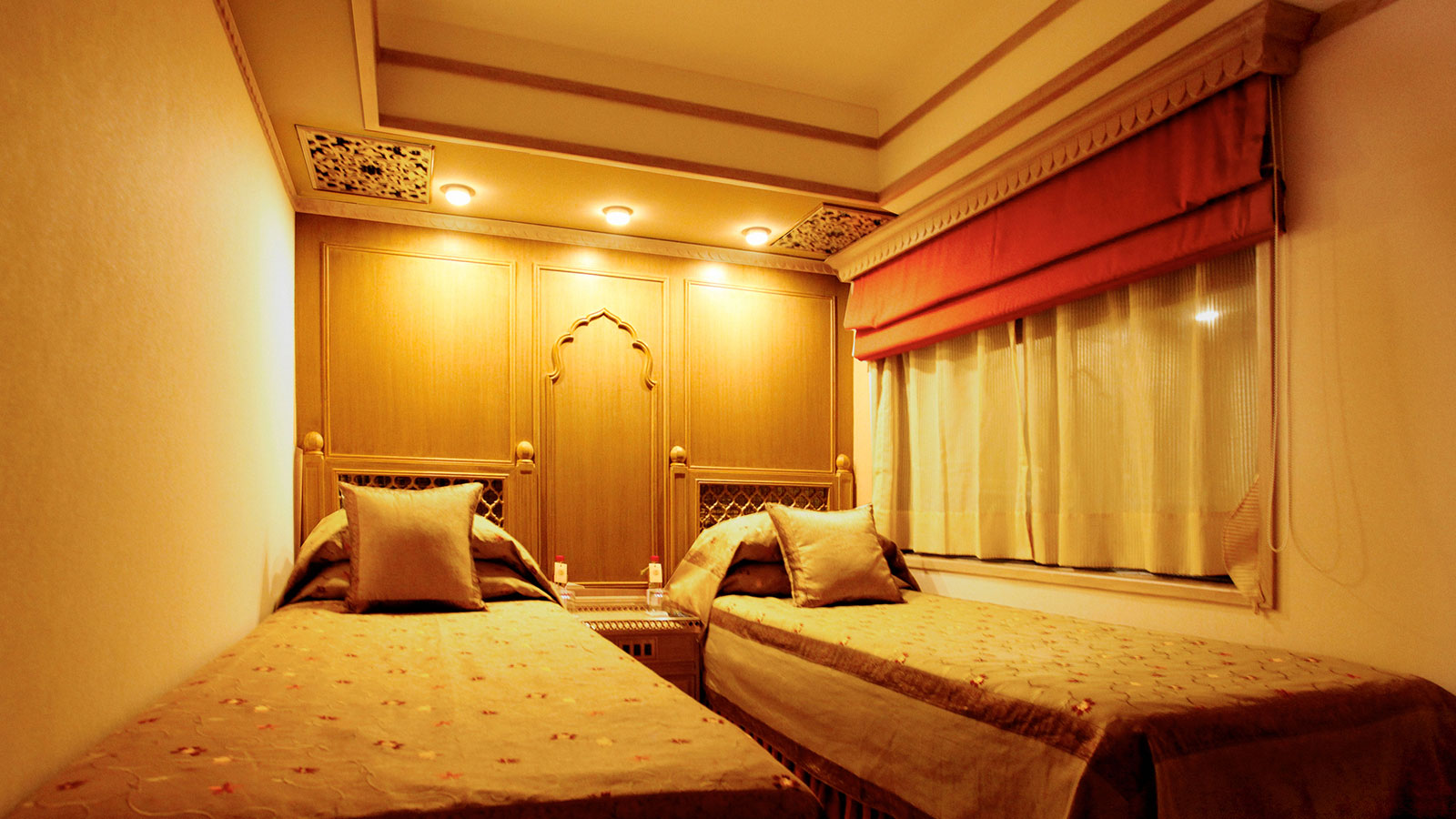
Top-tier accommodations in Dwarka include Hawthorn Suites by Wyndham Dwarka, Goverdhan Greens Resort, and The Grand Radhey, offering premium amenities and private temple transfers.
6. The 52-Yard Dhwajarohan Flag Ceremony & Sudama Setu
The defining visual spectacle of Dwarka is the monumental Dhwajarohan (Flag Hoisting) ceremony, conducted five times daily (three times in the morning and twice in the evening). The triangular flag—spanning an immense 52 yards (Pawan Gaj) of hand-woven silk—flutters from the summit of the 78-metre spire. The 52 yards symbolize the 52 administrative gates of ancient Dwarka and the 52 Yadava clans. Families book the privilege of sponsoring the flag hoisting up to two years in advance through the Dwarkadhish Devasthan Samiti, climbing the dizzying heights of the temple spire with Brahmin sevayats chanting Vedic hymns.
Directly behind the temple, pilgrims cross the architectural pedestrian suspension bridge—the Sudama Setu—spanning the Gomti River to reach the Panchkui (Five Wells of the Pandavas) and the virgin sands of Dwarka beach. A holy dip at the confluence of the Gomti River and the Arabian Sea (Chakra Tirtha) is considered an essential spiritual prelude before offering morning prayers to Jagat Mandir.
Frequently Asked Questions
What is the significance of the 52-yard flag at Dwarkadhish?
The 52-yard flag (52 Gaj Dhwaja) hoisted five times daily represents the 52 gates of ancient Dwarka and the 52 divisions of the Yadava dynasty, bearing symbols of the Sun and Moon.
What are the two main entrance gates of Dwarkadhish Temple?
Pilgrims enter through Moksha Dwar (northern gate) and exit through Swarga Dwar (southern gate), descending 56 steps directly to the holy Gomti Ghat.
How do you reach Bet Dwarka from Dwarka city?
Travel 30 km to Okha, then cross over to Bet Dwarka island via the newly opened Sudama Setu (Sudarshan Setu) cable-stayed sea bridge by car, or take public passenger ferries.
What time is the first aarti at Dwarkadhish Temple?
Mangla Aarti, the first divine awakening prayer of the day, takes place at 06:30 AM every morning at Jagat Mandir.
Are cameras and mobile phones permitted inside Dwarkadhish Temple?
No. Mobile phones, smartwatches, and all recording equipment are strictly prohibited inside the temple sanctum. Free locker counters operate outside Moksha Dwar.