1. Wilderness Geography & Ecological Overview

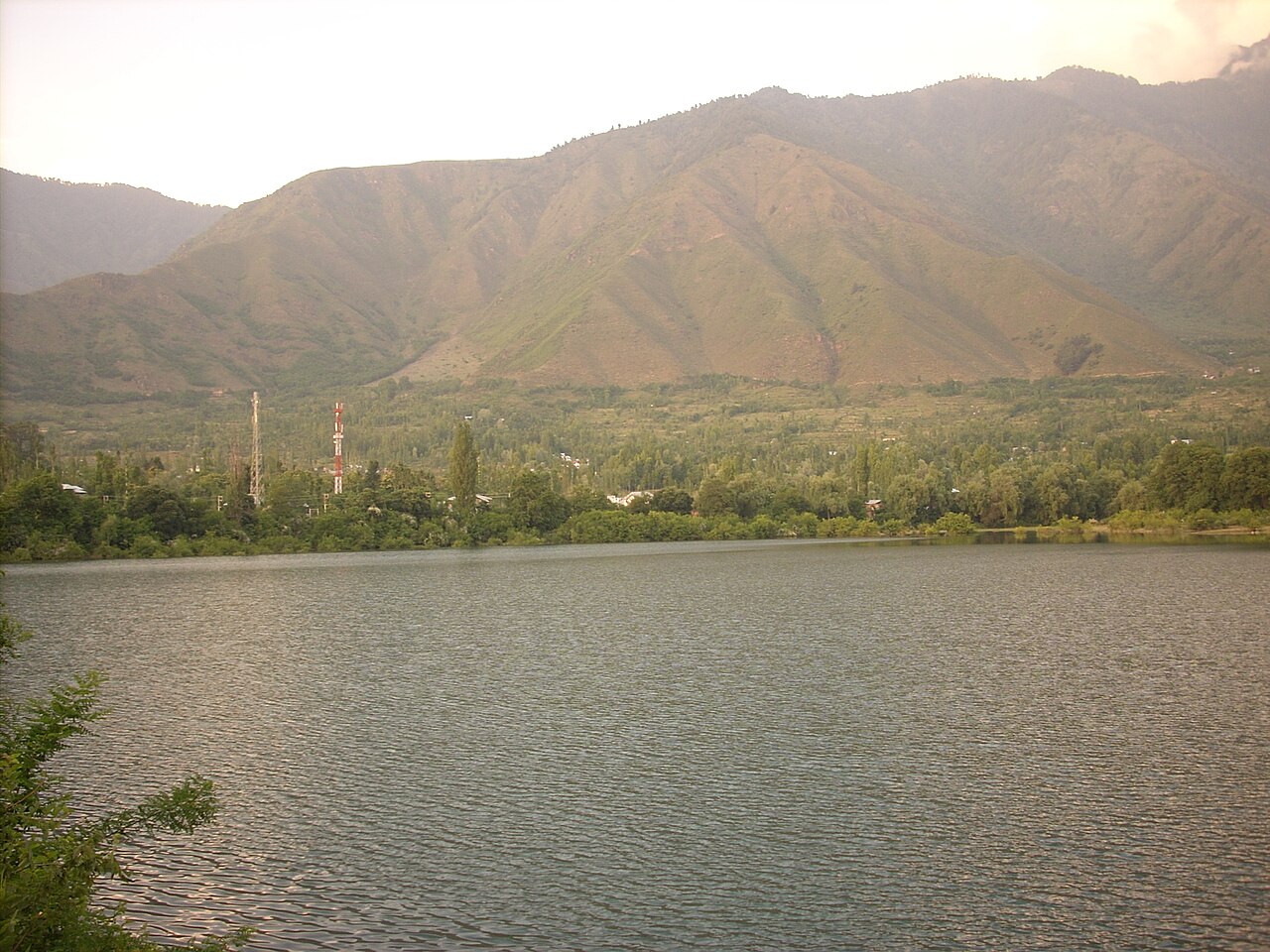
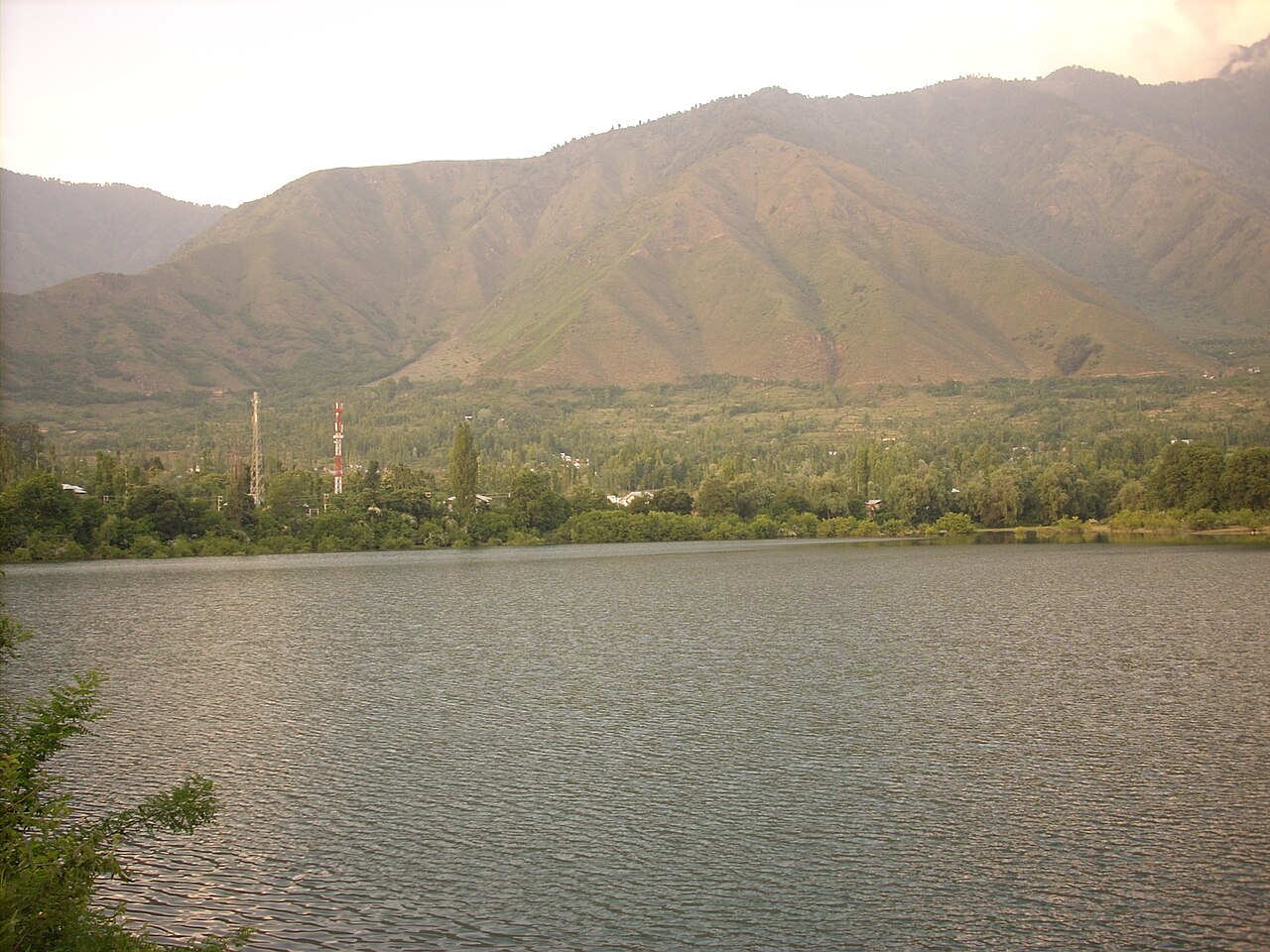
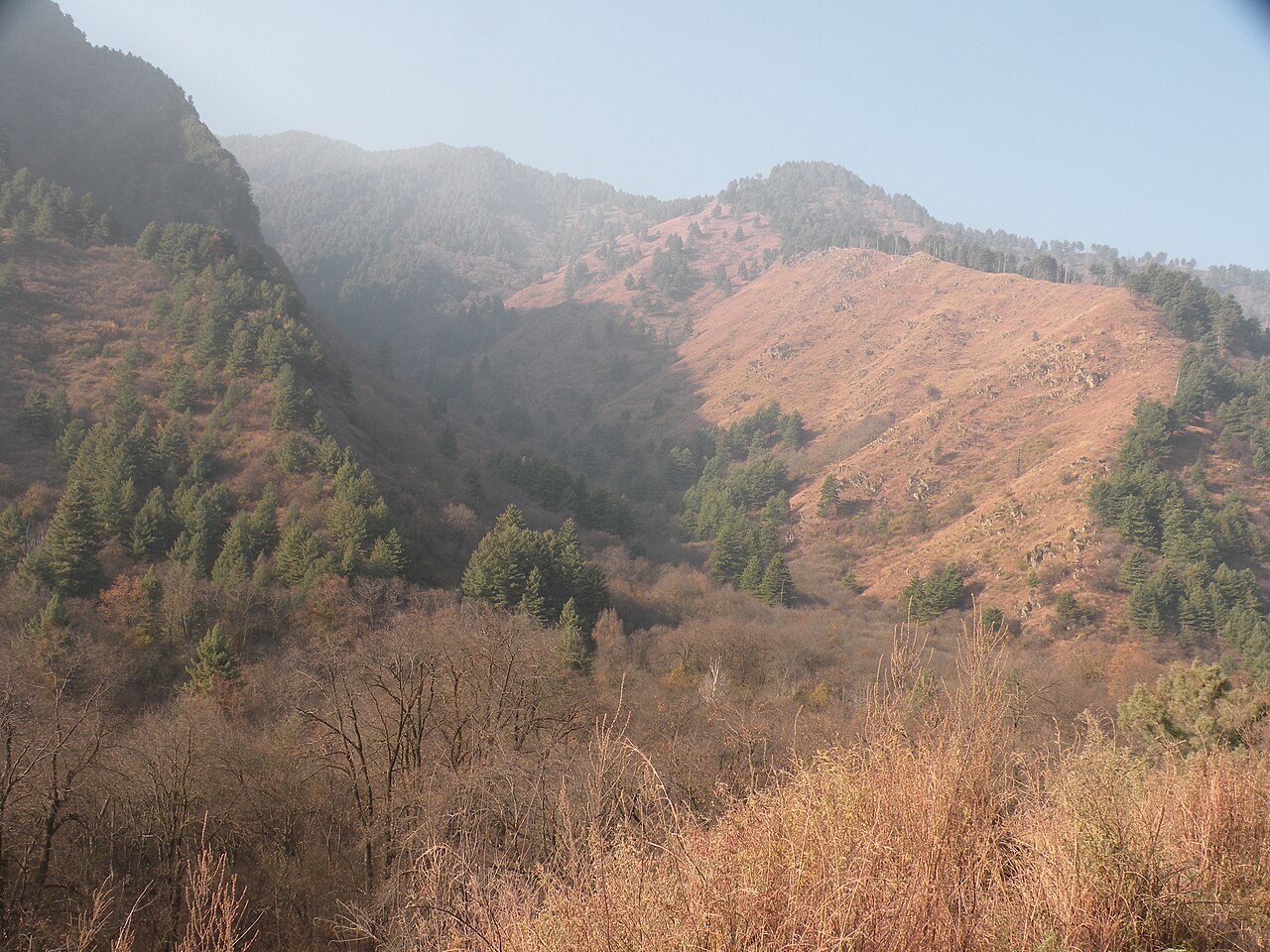
Dachigam National Park, located in Srinagar district of Jammu & Kashmir, is one of India's most ecologically significant sanctuaries. Spanning a protected core zone of 141 sq km, the park presents a rich mosaic of mountain peaks, evergreen forests, and unique wildlife ecosystems.

The reserve's microclimate undergoes distinct seasonal transformations. Post-monsoon months coat the mountain valleys in lush green vegetation and fill forest streams. High altitude sectors offer breathtaking vistas of Himalayan and Western Ghats peaks.

Former royal game preserve of the Maharaja of Jammu & Kashmir; named Dachigam ("Ten Villages") in memory of ten villages relocated to create the park in 1910.

Geologically, the sanctuary protects key hydrological catchments that sustain regional agricultural ecosystems across Jammu & Kashmir. Fast-draining trails provide ideal fireline paths for tracking endemic wildlife by fresh tracks and call networks.

The ecosystem services provided by Dachigam National Park extend far beyond species protection. The canopy biomass sequesters thousands of tons of carbon annually, maintaining microclimatic stability and protecting mountain headwaters that feed regional river basins.

The reserve also supports rich botanical diversity. Rare alpine flora, endemic mosses, wild orchids, and ancient tree canopies provide essential forage for wild populations.

Local eco-development committees (EDCs) working alongside the state forest department play a critical role in mitigating human-wildlife conflict and protecting wildlife migration corridors.

Conservation Milestone

Dachigam National Park plays an indispensable role in preserving critical genetic corridors for rare and endangered endemic species across Jammu & Kashmir.

3. Sighting Hotspots & Key Landmarks

Field naturalists and expert guides rely on specific geographical reference points scattered across the reserve's core zones.

Harwan Water Reservoir

Historic mountain water reservoir supplying clean drinking water to Srinagar city.

Laribal Fish Hatchery

Historic trout breeding hatchery surrounded by ancient walnut and wild cherry orchards.

Marsar Glacial Lake

High altitude alpine lake in Upper Dachigam (3,700m), source of the Dagwan river.

Dagwan River Track

Meandering mountain stream where Hangul stags drink during autumn mating calls.

Pahalgam Ridge Overlook

Highland mountain trail offering views over the Dachigam valley basin.

4. Core & Buffer Safari Zone Blueprint

Dachigam National Park is divided into designated core and buffer safari zones. Entry is strictly regulated by official permit quotas.

Zone Name Classification Key Topography & Landmarks Sighting Rating
Lower Dachigam Tourism Zone Accessible Core Zone Laribal trout farm, Harwan reservoir, oak and walnut orchards ★ 9.8 / 10
Upper Dachigam High Alpine Zone Strict Core Zone Marsar glacial lake, alpine pastures, Hangul rutting grounds ★ 9.9 / 10
Sangam Core Meadow Core Zone Confluence of mountain streams, Himalayan Black Bear habitat ★ 9.6 / 10
Dreen Valley Sector Buffer Zone Mixed coniferous forest, pheasant and birding trail ★ 9.3 / 10

Core Safari Zones

The core zones represent the strictly protected heart of Dachigam National Park, where commercial activity is prohibited and wildlife movements remain undisturbed. Entry is capped per shift to minimize environmental impact.

Buffer Safari Zones

Buffer zones surround the core sanctuary, offering scenic eco-trails, night safaris, and high probabilities of spotting nocturnal species.

5. Detailed Species Profiles & Wildlife Spotting Cards

The diverse ecosystems of Dachigam National Park support a rich community of mammals, birds, and reptiles.

Endemic Flagship Species

Primary Protected Species

Key endemic fauna protected in Dachigam National Park, thriving in untouched core habitats.

Indian Leopard

Panthera pardus fusca

Highly adaptable predator frequenting rocky hillside ridges and forest edges.

Asian Elephant / Wild Ungulate

Native Megafauna

Herbivores grazing along mountain valleys and stream basins.

Sloth Bear / Brown Bear

Ursidae Family

Famous for foraging around fruit trees and hillside rock caves.

Wild Bovine / Mountain Sheep

Highland Ungulate

Bovines forming peaceful grazing herds across mountain meadows.

Spotted Deer / Musk Deer

Cervidae Family

Primary prey species in forest clearings, forming alarm call networks.

Sambhar Deer / Kashmir Stag

Woodland Deer

Large woodland deer favoring dense mountain ravines and water edges.

Wild Dog (Dhole) / Tibetan Wolf

Canid Hunter

Pack hunter operating in coordinated packs along outer core tracks.

Barking Deer (Muntjac)

Muntiacus muntjak

Solitary deer species known for sharp dog-like alarm barks.

Alpine Antelope / Ibex

Highland Caprid

Agile cliff dwellers preferring rocky alpine mountain slopes.

Crested Serpent Eagle / Golden Eagle

Raptor Family

Formidable raptor frequently seen perched on high branches.

Great Hornbill / Pheasant

Bucerotidae / Phasianidae

Large frugivorous or colorful bird nesting in ancient tree hollows.

Paradise Flycatcher

Monarch Flycatcher

Vibrant forest bird famous for its long ribbon-like tail feathers.

Golden Jackal / Fox

Canis species

Scavenger and small mammal predator active along grassland buffer perimeters.

Jungle Cat / Leopard Cat

Small Wild Cat

Nimble wild cat hunting ground-nesting birds and rodents in clearings.

Striped Hyena

Hyaena hyaena

Nocturnal scavenger inhabiting dry rocky ravines and open scrub areas.

Honey Badger (Ratel)

Mellivora capensis

Fierce nocturnal mammal spotted during evening buffer night drives.

Pangolin / Flying Squirrel

Unique Arboreal/Burrowing

Rare mammal inhabiting burrows or high canopy trees inside core zones.

Indian Rock Python / Pit Viper

Reptile Specimen

Large constrictor or viper basking on sun-warmed rocks near water bodies.

King Cobra / Monitor Lizard

Reptilian Predator

Formidable reptile found in shaded stream banks and delta mangroves.

Smooth-Coated Otter

Lutrogale perspicillata

Playful aquatic carnivore living in perennial river pools.

Indian Grey Mongoose

Herpestes edwardsi

Agile predator hunting snakes and rodents near forest clearings.

Small Indian Civet

Viverricula indica

Nocturnal arboreal mammal spotted on buffer night drives.

Indian Flying Fox

Pteropus medius

Large frugivorous bat roosting in massive ancient banyan trees.

Changeable Hawk-Eagle

Nisaetus cirrhatus

Apex avian predator nesting atop high tree forks.

Indian Roller

Coracias benghalensis

Vibrant blue bird perching on dry roadside stumps along fireline tracks.

Indian Peafowl

Pavo cristatus

National bird of India roosting in high canopy branches at night.

Rufous Treepie

Dendrocitta vagabunda

Inquisitive forest bird famously known for perching on safari vehicles.

Spotted Owlet

Athene brama

Charming nocturnal owl roosting in hollow tree trunks near safari gates.

Indian Cormorant

Phalacrocorax fuscicollis

Diving waterbird perched on exposed snags along forest reservoirs.

6. Famous Predators & Species Lineages

Dachigam National Park is home to renowned individual animals and rare species lineages whose presence shapes the sanctuary's ecology.

  • Hangul / Kashmir Stag (Cervus elaphus hanglu - Last surviving red deer subspecies in Asia)
  • Himalayan Black Bear (High density in autumn during acorn season)
  • Leopard Cat & Yellow-throated Marten
  • Kashmir Flying Squirrel & Koklass Pheasant

7. Comprehensive Wildlife Checklist

Species Name Scientific Classification Primary Sighting Habitat Conservation Status
Endemic Flagship Specimen*Native Flora & Fauna*Core meadows, stream beds & mountain ridgesProtected
Indian Leopard*Panthera pardus fusca*Rocky hillsides & buffer boundariesVulnerable
Asian Elephant / Mountain Ungulate*Mammalia Class*River basins & bamboo valleysEndangered
Sloth Bear / Himalayan Bear*Ursidae Family*Termite mounds & mountain forest clearingsVulnerable
Gaur / Wild Yak / Blue Sheep*Bovidae Family*Open grassland clearings & alpine plateausVulnerable
Chital / Musk Deer*Cervidae Family*Forest clearings & shola thicketsCommon
Sambhar Deer / Hangul Stag*Cervidae Family*Hilly ravines & forest wetlandsEndangered
Wild Dog (Dhole) / Snow Leopard*Carnivora Order*Outer core boundaries & mountain cragsEndangered
Wild Boar*Sus scrofa*Wetland edges & forest floorsAbundant
Golden Jackal / Desert Fox*Canid Species*Peripheral scrub & open fieldsCommon
Jungle Cat*Felis chaus*Grassland perimetersCommon
Striped Hyena*Hyaena hyaena*Dry ravines & rocky scrubNear Threatened
Honey Badger (Ratel)*Mellivora capensis*Nocturnal buffer trailsLeast Concern
Pangolin / Flying Squirrel*Mammalia Subclass*Dense burrows & high tree hollowsEndangered
Python / Pit Viper*Reptilia Class*Sun-warmed rock ledges near waterNear Threatened
King Cobra / Monitor Lizard*Squamata Order*Shaded stream banks & delta mangrovesVulnerable
Gazelle / Bharal*Antilopinae Subfamily*Dry open scrub & high alpine screeLeast Concern
Nilgai / Wild Boar*Artiodactyla Order*Open savanna & valley perimetersLeast Concern
Smooth-Coated Otter*Lutrogale perspicillata*Perennial river banks & lakesVulnerable
Indian Hare*Lepus nigricollis*Grassland tracks at duskLeast Concern

8. Seasonality & Weather Index Matrix

Month Temperature Forest Canopy Status Wildlife Sighting Index
October18°C – 30°CDense post-monsoon green foliage★ 8.2 / 10
November14°C – 26°CPristine green, clear morning skies★ 8.5 / 10
December8°C – 22°CCrisp winter morning mist over meadows★ 8.8 / 10
January4°C – 20°CHeavy morning fog, snow in highlands★ 9.0 / 10
February12°C – 26°CPleasant dry breeze, clear tracking paths★ 9.2 / 10
March18°C – 32°CFlower bloom, leaf fall begins★ 9.4 / 10
April22°C – 38°CDry forest, active waterhole soaking★ 9.7 / 10
May26°C – 42°CExtreme summer heat, peak waterhole concentration★ 9.9 / 10
June28°C – 40°CPre-monsoon clouds, high wildlife movement★ 9.6 / 10
July – September22°C – 32°CMonsoon rain (Core Closed, Buffer Open)Closed Core

9. Photography & Camera Setup Guide

Capturing wildlife inside Dachigam National Park requires careful planning of camera focal lengths, shutter speeds, and exposure settings suited to light variations.

  • Lenses: 100-400mm f/4.5-5.6 or 200-600mm telephoto zoom lenses for optimal agility inside vehicles/trails. Fast f/2.8 prime for early morning low-light forest drives.
  • Shutter Speed: Minimum 1/1000s for moving carnivores, 1/1600s for birds in flight.
  • ISO Management: Set Auto ISO with a ceiling of ISO 6400 on modern full-frame sensors to handle dark forest shadows.
  • Monopods / Beanbags: Use a monopod or heavy beanbag for camera stabilization during long hikes or vehicle rides.
  • Metering: Spot or Center-Weighted metering to prevent dark backdrops from overexposing subject details.

10. Eco-Resort & Lodging Directory

Accommodations around Dachigam National Park range from luxury wildlife lodges to government-run ecotourism guest houses.

State Ecotourism Wilderness Lodge

Official government property near primary entry gate. Comfortable rooms, lush gardens, and direct forest department booking assistance.

Forest Canopy Luxury Jungle Resort

5-star luxury resort set amidst private buffer forest with cottages, swimming pool, and dedicated naturalists.

Wilderness Eco Treehouse Retreat

Environmentally friendly treehouse cottages offering organic farm dining and evening campfire naturalist sessions.

Heritage Wildlife Safari Lodge

Charming mid-range lodge close to core entry gate featuring ethnic architecture and expert tracking guides.

Riverfront Jungle Camp

Scenic camp located on the banks of the river featuring luxury safari tents and birdwatching walks.

Greenwood Eco Homestay

Budget-friendly local homestay providing authentic regional cuisine and warm hospitality.

Highland Jungle Cottages

Nestled on forest ridge slopes with panoramic wilderness views and outdoor dining decks.

Wildlife Trail Ecotourism Lodge

Spacious family cottages with butterfly gardens, swimming pool, and quick access to core safari gates.

Wilderness Hideaway Villa

Private luxury villa surrounded by forest canopy, offering private naturalist guides.

Sal Forest Eco Resort

Environmentally sustainable resort built using local stone and bamboo architecture.

Sanctuary Edge Eco Camp

Comfortable tents set on the buffer boundary, ideal for night safaris and stargazing.

Crown Safari Lodge

Modern luxury resort offering spa treatments, fine dining, and jeep safari packages.

Royal Jungle Haven

Charming boutique safari resort surrounded by dense buffer vegetation and birding trails.

Wild Earth Safari Tents

Canvas safari tents equipped with air conditioning and private verandas.

Forest View Homestay

Family-run wilderness home close to gate office providing budget accommodation.

Emerald Canopy Lodge

Eco-friendly lodge with rainwater harvesting and solar powered cottages.

Savanna Grassland Eco Resort

Lodge built along open savanna perimeters with outdoor firepits.

Bamboo Grove Safari Camp

Cottages nestled inside bamboo thickets with tranquil natural ambiance.

Highland Wilderness Rest House

Historic heritage guest house overlooking central forest valleys.

Horizon Eco Retreat

Comfortable eco-resort offering organic farm tours and guided nature hikes.

Teakwood Jungle Cabins

Rustic wooden cabins equipped with private balconies overlooking stream beds.

River Breeze Safari Resort

Resort situated near cooling river waters with floating dining platforms.

Sunlit Meadow Homestay

Homely staying option providing cycle rentals for peripheral village drives.

Wilderness Peak Eco Lodge

Perched on high altitude forest ridge with stargazing telescopes.

Orchid Valley Safari Camp

Boutique tented camp surrounded by native flowering flora and gardens.

11. Transit & Logistics Blueprint

Dachigam National Park is accessible via nearby major airports, railway hubs, and well-paved highway networks.

  • Nearest Airport: Sheikh ul-Alam International Airport, Srinagar (SXR) - 22 km
  • Nearest Railway: Srinagar Railway Station (SINA) - 25 km / Jammu Tawi (270 km)
  • Road Connectivity: Well-paved highway access from major regional cities in Jammu & Kashmir. Private taxi services operate regularly to reserve entry gates.
  • Safari Gate Timings: Morning shifts typically run from 6:00 AM to 11:00 AM; Afternoon shifts run from 3:00 PM to 6:30 PM (varies slightly by season).

12. 5-Day Master Expedition Blueprint

5-Day Expedition Plan

Day 1: Arrive at resort via nearest airport/railhead. Afternoon orientation & buffer night safari.
Day 2: Morning Core Zone safari tracking primary wildlife territories. Afternoon secondary core zone drive.
Day 3: Morning birdwatching & nature trek along stream beds. Afternoon core waterhole safari.
Day 4: Morning core safari focused on wildlife photography. Evening buffer zone night safari.
Day 5: Early morning nature walk along forest stream, check out and departure transfer.

13. Frequently Asked Questions

How do I book permits for Dachigam National Park?
Permits can be booked online via the official portal at https://jkforest.gov.in (J&K Forest Portal). Advance booking opens up to 120 days prior to visit date.
What is the best time of year to visit Dachigam National Park?
October to May offers pleasant weather and prime wildlife sighting opportunities.
What is the nearest railway station and airport?
Nearest Airport: Sheikh ul-Alam International Airport, Srinagar (SXR) - 22 km. Nearest Railway: Srinagar Railway Station (SINA) - 25 km / Jammu Tawi (270 km).
Are private vehicles allowed inside core zones?
No. Only authorized forest department gypsies or registered boats are allowed inside core zones.
What ID documents are required at entry gates?
Original Passport for foreign nationals, or Aadhaar Card / Voter ID / Driving License for Indian citizens. The ID number must match the permit exactly.
Is there a limit on the number of tourists per vehicle?
Yes. Maximum 6 adult tourists, 1 registered driver, and 1 official forest guide are permitted per vehicle.
Are camera fees charged inside Dachigam National Park?
Standard personal DSLRs and mirrorless cameras generally incur nominal fees. Professional filming requires prior written permission from the Chief Wildlife Warden.
What clothes should I wear for safaris and treks?
Wear muted neutral colors (khaki, olive green, brown). Avoid bright colors. Heavy warm layers are essential during winter months.
Are mobile phones allowed during safaris?
Mobile phones must be kept on silent mode. Using phones for phone calls or playing music inside core forest zones is strictly prohibited.
Can I book full-vehicle or single-seat permits?
Both options are available. Full vehicle permits grant private access, while single-seat permits allow individual travelers to share costs.
What is the closure period during monsoon?
Core zones remain closed during heavy monsoon rains (typically July to September). Buffer zones generally remain open year-round.
Are night safaris available in buffer zones?
Yes. Night safaris are conducted in designated buffer sectors between 6:30 PM and 9:30 PM with licensed guides and spotters.
What should I do if a wild animal approaches our vehicle/path?
Remain completely still and silent. Do not stand up or wave hands. Follow the driver and guide's instructions immediately.
Are restrooms available inside core safari zones?
Restrooms are available at designated park center protection camps inside core zones. Tourists are not allowed to step out elsewhere.
How far in advance should permits be booked?
Core permits sell out quickly. Booking 90 to 120 days in advance is strongly recommended, especially for peak weekend dates.
Can Tatkal permits be booked on short notice?
Yes, Tatkal quota permits open at 5:00 PM the previous evening on the official portal for select gates.
Are guides mandatory for every safari/trek?
Yes, every vehicle or trek group must be accompanied by an official certified forest department guide allocated at the gate.
Is tipping expected for drivers and guides?
Tipping is customary and appreciated for attentive naturalists and skilled drivers (typically ₹300–₹500 per shift).
What medical precautions should I take before visiting?
Carry personal prescription medications, mosquito repellent, sunblock, and stay hydrated during warm afternoon drives.
Can I combine Dachigam National Park with nearby national parks?
Yes, excellent multi-park road circuits exist connecting Dachigam National Park with neighboring sanctuaries in Jammu & Kashmir.
Are walking safaris permitted inside core zones?
Foot walking is prohibited in most core zones for safety, except in specially designated eco-trekking sectors with armed forest guards.
What is the rule regarding littering in the reserve?
Littering or leaving plastic waste inside the reserve carries heavy fines and immediate expulsion from the park.
Can I bring food or snacks on the safari?
Light dry snacks and water bottles are allowed but must be packed back in your vehicle without dropping wrappers.
What is the policy for cancellation of permits?
Cancellation policies follow official state forest rules. Partial refunds may apply depending on the number of days prior to the date.
Are solar powered or EV vehicles being introduced?
State forest departments are actively testing electric 4x4 vehicles to reduce noise pollution along safari tracks.
Are children allowed on safaris and treks?
Yes, children of all ages are allowed on safaris when accompanied by parents or guardians.
What is the distance between entry gates?
Distance between core entry gates varies from 15 km to 45 km depending on the sanctuary topography.
Are wheelchair accessible facilities available?
Ramp-assisted facilities can be arranged with prior written request to the forest office.
What is the procedure for international credit card payments on the portal?
International credit cards can be processed through the state government payment gateway options.
Are drone cameras permitted for aerial shots?
Drones are strictly banned across all core and buffer zones to prevent disturbing wildlife.
How many national parks are located in Jammu & Kashmir?
Jammu & Kashmir houses multiple protected sanctuaries under forest department management.
What should I carry in my safari daypack?
Binoculars, telephoto camera, water bottle, sun hat, dust mask, and photo ID card.
What is the average duration of a morning safari?
Morning safaris run approximately 4 to 5 hours starting from sunrise.
What is the average duration of an afternoon safari?
Afternoon safaris run approximately 3 to 3.5 hours until sunset.
Are night thermal cameras permitted on evening buffer drives?
Thermal imaging cameras are prohibited unless authorized for official research work.
What bird species can be spotted near water saucers?
Kingfishers, Herons, Storks, Egrets, and Fish Eagles frequent perennial water saucers.
Is smoking allowed inside safari vehicles?
Smoking or carrying matchboxes/lighters inside forest boundaries is illegal.
What type of footwear is recommended for safaris?
Comfortable closed-toe shoes or light hiking boots are recommended.
Do safari vehicles feature open roofs?
Yes, open vehicles or open-deck boats feature canvas tops for 360-degree viewing.
What is the policy for rainy weather during safari hours?
Safaris operate during light rain. Vehicles carry foldable canvas rain covers.
Are naturalist guides fluent in English?
Most certified resort and park naturalists speak English and regional languages.
Can I hire a private vehicle driver for my safari?
Only registered park drivers licensed by the forest department may drive inside.
What is the maximum speed limit for vehicles inside the core zone?
Vehicles must adhere to a strict maximum speed limit of 20 km/h.
Are salt licks maintained inside the forest core?
Natural and artificial salt licks provide essential mineral supplements for herbivores.
What is the significance of alarm calls in tracking predators?
Animal alarm calls indicate the precise movement of hidden carnivores.